24 / 7 / 365 Emergency Service

How to Detect Mold in Air Vents

Introduction: Why Mold in Air Vents Is a Hidden Threat

Let’s face it—mold is sneaky. It doesn’t knock before it enters your home, and it certainly doesn’t announce itself when it starts growing in your air vents. But here’s the kicker: mold in your HVAC system can quietly wreak havoc on your health, your home, and your peace of mind. If you’ve ever walked into a room and caught a musty whiff or noticed your allergies flaring up for no apparent reason, your air vents might be the culprit.

In this guide, we’re diving deep into how to detect mold in air vents before it becomes a full-blown problem. Whether you’re a homeowner, renter, or property manager, knowing what to look for and how to act can save you thousands in water damage restoration and fire damage restoration costs. Plus, it’s a crucial step in maintaining a healthy indoor environment.

At Projekt Restoration, we’re COMMITTED TO QUALITY SERVICE. Call Us Now! 855-933-7935 for Fast, Friendly and Professional Service. We offer a full suite of restoration services including mold remediation, biohazard clean up, and reconstruction services to restore your property to its best condition.

What Causes Mold to Grow in Air Vents?

Mold doesn’t just appear out of thin air—it needs the right conditions to thrive. And unfortunately, your HVAC system can provide the perfect storm. Think about it: air vents are dark, often damp, and filled with dust and organic particles. That’s basically a five-star resort for mold spores.

Here are the main culprits:

  • Humidity: High indoor humidity levels (above 60%) can create condensation inside your ducts.
  • Water Leaks: Leaky roofs, pipes, or even a poorly maintained AC unit can introduce moisture into your ventilation system.
  • Poor Ventilation: Without proper airflow, moisture lingers longer, giving mold more time to grow.
  • Dust and Debris: Mold feeds on organic matter, and dust is full of it. Combine that with moisture, and you’ve got a problem.

Understanding these causes is the first step in prevention. If your home has recently undergone water damage, it’s especially important to inspect your HVAC system. Mold can start growing within 24-48 hours of moisture exposure. That’s why emergency service is crucial when dealing with leaks or flooding.

Want to learn more about how water damage can lead to hidden mold? Check out our guide on how to identify hidden water damage early.

Common Signs of Mold in Air Vents

So how do you know if mold is lurking in your air vents? It’s not like it waves a flag or sends you a text. But there are telltale signs that can clue you in:

  • Musty Odor: That damp, earthy smell? Classic mold. If it intensifies when the AC or heater kicks on, that’s a red flag.
  • Visible Mold: Sometimes you can actually see it—black, green, or white spots around the vent covers or inside the ducts.
  • Allergy Symptoms: Sneezing, coughing, itchy eyes, or respiratory issues that worsen indoors could be mold-related.
  • Discoloration: Stains or dark patches around vents may indicate mold or moisture buildup.

These signs shouldn’t be ignored. Mold in your HVAC system can circulate spores throughout your entire home, affecting every room and everyone in it. If you suspect mold, it’s time to call in the pros for mold remediation and property restoration.

At Projekt Restoration, we prioritize customer satisfaction and use advanced tools to detect and eliminate mold from even the most hidden corners of your HVAC system. Visit our gallery to see our work in action.

How to Inspect Your Air Vents for Mold

Ready to play detective? Inspecting your air vents for mold isn’t rocket science, but it does require a bit of care and attention. Here’s a step-by-step guide to help you do it safely and effectively:

  1. Turn Off the HVAC System: Safety first. Always shut off your system before inspecting or cleaning any part of it.
  2. Remove Vent Covers: Use a screwdriver to take off the covers. Place them on a towel or newspaper to avoid spreading debris.
  3. Use a Flashlight: Shine a light into the duct. Look for discoloration, fuzzy growth, or black spots.
  4. Smell Test: Give it a sniff. A musty odor is a strong indicator of mold.
  5. Check the Filter: A dirty or moldy filter can spread spores throughout your home. Replace it if needed.

If you find anything suspicious, don’t panic—but don’t ignore it either. Mold can spread quickly, and DIY solutions often only scratch the surface. That’s where professional restoration comes in. Our team at Projekt Restoration offers comprehensive mold remediation and reconstruction services to ensure your home is safe and mold-free.

DIY Mold Testing: Is It Worth It?

Let’s be real—DIY mold testing kits are tempting. They’re cheap, easy to use, and available at most hardware stores. But are they really effective? The short answer: not always.

Here’s why:

  • Limited Accuracy: Most kits only tell you that mold is present—not what type or how dangerous it is.
  • No Source Identification: They don’t help you locate the source of the mold, which is crucial for effective removal.
  • False Positives/Negatives: Environmental factors can skew results, leading to unnecessary panic or false reassurance.

If you’re serious about protecting your home and health, professional testing is the way to go. At Projekt Restoration, we use industry-grade equipment to detect mold accurately and safely. Our process ensures that every nook and cranny is inspected, and we provide a detailed action plan for remediation.

Still curious about mold testing? Visit our FAQ page for more insights.

When to Call a Professional Restoration Company

Sometimes, the best tool in your toolbox is your phone. If you’ve spotted visible mold, experienced persistent health issues, or recently dealt with water damage, it’s time to call in the experts.

Here’s when to make the call:

  • Widespread Mold: If mold is present in multiple vents or rooms, DIY just won’t cut it.
  • Recurring Issues: If mold keeps coming back, there’s likely an underlying issue that needs professional attention.
  • Health Concerns: If anyone in your household is experiencing respiratory problems, don’t wait.

Projekt Restoration offers 24/7 emergency service for mold, water, and fire damage restoration. Our certified technicians are trained in advanced mold remediation techniques and use specialized equipment to ensure complete removal and prevention.

We’re not just about fixing problems—we’re about restoring peace of mind. Learn more about our mission on our Our Mission page.

Preventing Mold in Your HVAC System

Prevention is always better than cure, especially when it comes to mold. Here are some practical tips to keep your air vents mold-free:

  • Use a Dehumidifier: Keep indoor humidity between 30-50%.
  • Change Filters Regularly: A clean filter keeps dust and spores at bay.
  • Schedule Regular Maintenance: Have your HVAC system inspected and cleaned at least once a year.
  • Seal Leaks Promptly: Fix any water leaks immediately to prevent moisture buildup.

Need help with maintenance or repairs? Our restoration services cover everything from water damage restoration to reconstruction services. We’re here to help you protect your home and your health.

Conclusion

Mold in air vents is more than just an inconvenience—it’s a health hazard and a threat to your home’s integrity. But with the right knowledge and a proactive approach, you can detect and address mold before it spirals out of control. Whether you’re inspecting your vents, testing for mold, or calling in the pros, every step you take brings you closer to a safer, healthier home.

At Projekt Restoration, we’re COMMITTED TO QUALITY SERVICE. Call Us Now! 855-933-7935 for Fast, Friendly and Professional Service. Explore our full range of professional restoration solutions and let us help you breathe easier—literally.

What are the health risks of mold in air vents?

Mold spores can trigger allergies, asthma, and respiratory infections. Prolonged exposure may lead to chronic health issues, especially for those with weakened immune systems.

Can I clean mold from air vents myself?

While you can clean visible mold with household cleaners, it’s often just the tip of the iceberg. Professional mold remediation ensures complete removal and prevents recurrence.

How often should I inspect my air vents for mold?

It’s a good idea to inspect your air vents every 3-6 months, especially if you live in a humid climate or have recently experienced water damage.

Does insurance cover mold remediation?

It depends on your policy. Some insurance plans cover mold caused by sudden water damage, but not from long-term neglect. Always check with your provider.

How long does professional mold remediation take?

It varies based on the extent of the mold. Small jobs may take a day, while larger infestations could take several days. A professional assessment will provide a more accurate timeline.

Water Damage Risks from Faulty Dishwashers

In the modern household, dishwashers have become an indispensable appliance, offering convenience and efficiency in managing daily chores. However, what many homeowners fail to realize is that these machines, when faulty or improperly maintained, can pose significant threats to the structural integrity of their homes. Water damage from a malfunctioning dishwasher can lead to costly repairs, health hazards, and long-term property degradation. Understanding the risks associated with faulty dishwashers and how to mitigate them is crucial for every homeowner.

At Projekt Restoration, we are COMMITTED TO QUALITY SERVICE. Call Us Now! 855-933-7935 for Fast, Friendly, and Professional Service. Our restoration services are designed to address all aspects of water damage, from initial assessment to full recovery. Whether it’s water damage restoration, fire damage restoration, mold remediation, or biohazard clean up, our team is equipped to handle it all with precision and care.

Understanding the Hidden Dangers of Dishwasher Leaks

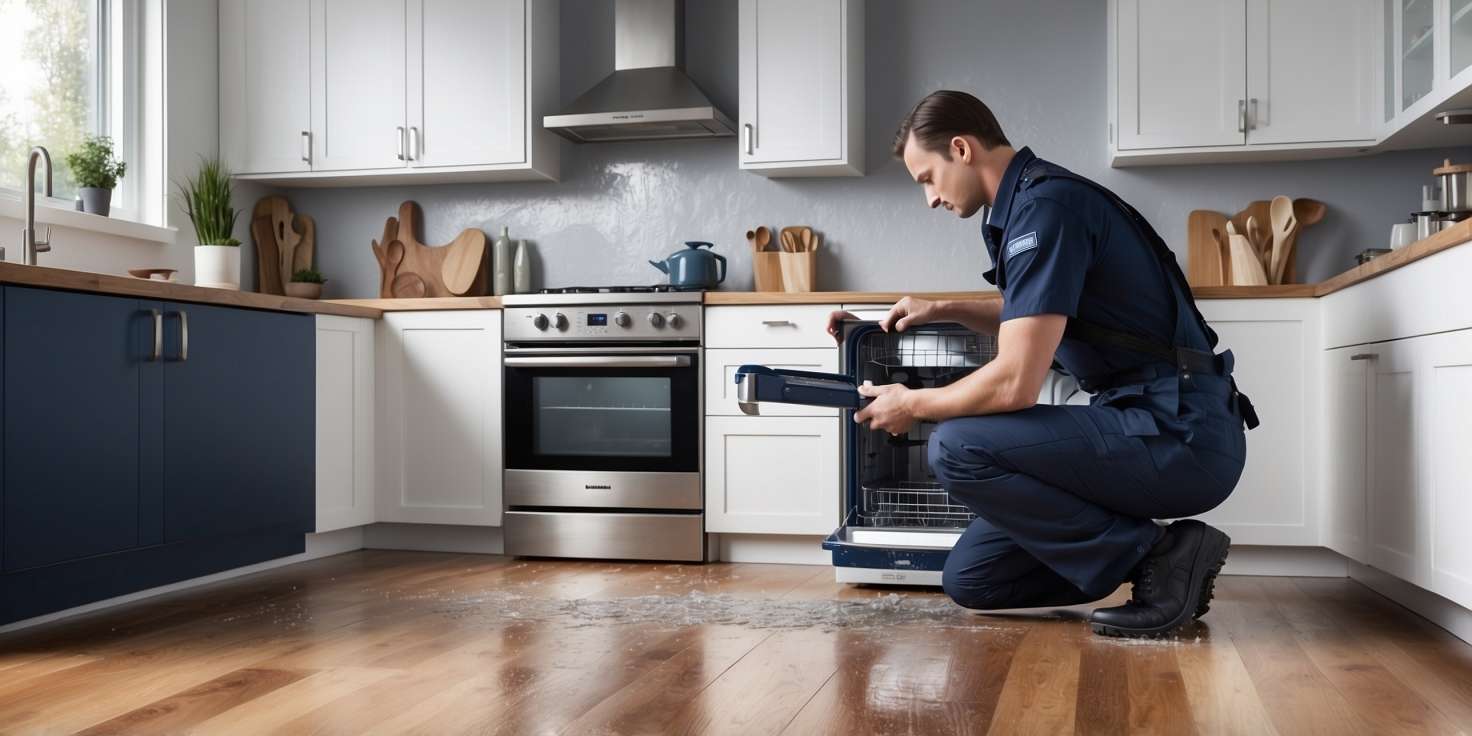
Dishwashers are typically connected to both water supply and drainage systems. Over time, wear and tear, faulty installation, or manufacturing defects can cause leaks that go unnoticed until significant damage has occurred. These leaks often start small—perhaps a few drops of water beneath the unit—but can escalate into major issues if not addressed promptly.

One of the most insidious aspects of dishwasher leaks is their ability to remain hidden. Water can seep into cabinetry, under flooring, and behind walls, creating the perfect environment for mold growth and structural decay. This is why early detection is critical. Homeowners should regularly inspect the area around their dishwasher for signs of moisture, warping, or discoloration. If any of these symptoms are present, it’s time to call in professional restoration experts.

Our team at Projekt Restoration specializes in identifying and mitigating hidden water damage. Using advanced moisture detection tools and thermal imaging, we can pinpoint the source of the leak and assess the extent of the damage. For more tips on spotting early signs of water damage, visit our guide on how to identify hidden water damage early.

Neglecting these early warning signs can lead to extensive damage that compromises the safety and value of your property. Water can weaken wooden structures, corrode metal fixtures, and even damage electrical systems. The longer the issue persists, the more expensive and time-consuming the restoration process becomes. That’s why our emergency service is available to respond quickly and efficiently to any water-related crisis.

The Domino Effect: From Water Damage to Mold and Fire Hazards

When a dishwasher leak goes unnoticed or unresolved, the consequences can extend far beyond water damage. One of the most common secondary issues is mold growth. Mold thrives in damp, dark environments, making the area beneath and behind a leaking dishwasher an ideal breeding ground. Once mold takes hold, it can spread rapidly, affecting indoor air quality and posing serious health risks, especially for individuals with respiratory conditions or weakened immune systems.

Our mold remediation services are designed to eliminate mold at its source and prevent future outbreaks. We use industry-approved techniques and eco-friendly products to ensure your home is safe and healthy. Mold is not just a cosmetic issue—it can cause structural damage and reduce the value of your property. That’s why timely intervention is essential.

In addition to mold, water damage from faulty dishwashers can also increase the risk of electrical fires. Water and electricity are a dangerous combination, and if moisture reaches electrical outlets or wiring, it can lead to short circuits or even fires. This is particularly concerning in older homes where electrical systems may not be up to current safety standards. Our fire damage restoration team is trained to handle such scenarios, ensuring that your home is restored to a safe and livable condition.

It’s important to understand that water damage is rarely an isolated issue. It often sets off a chain reaction of problems that require comprehensive solutions. That’s where our integrated property restoration services come in. From water extraction and drying to mold removal and structural repairs, we provide a one-stop solution for all your restoration needs.

Why Professional Restoration Services Are Essential

Many homeowners are tempted to handle water damage on their own, especially if the leak appears minor. However, DIY solutions often fall short of addressing the full extent of the problem. Water can travel far beyond the visible area, seeping into subfloors, insulation, and wall cavities. Without the proper tools and expertise, it’s nearly impossible to detect and remediate all affected areas.

This is where professional restoration services make a significant difference. At Projekt Restoration, we employ certified technicians who are trained in the latest restoration techniques. Our team uses industrial-grade equipment, including dehumidifiers, air movers, and moisture meters, to ensure thorough drying and decontamination. We also offer reconstruction services to repair and rebuild any damaged structures, restoring your home to its original condition—or better.

Customer satisfaction is at the heart of everything we do. We understand that dealing with water damage can be stressful and overwhelming. That’s why we offer transparent communication, detailed assessments, and personalized restoration plans tailored to your specific needs. Our goal is not just to fix the damage but to provide peace of mind and long-term protection for your home.

In addition to water damage, we also specialize in biohazard clean up, ensuring that your home is safe from harmful contaminants. Whether it’s sewage backup, chemical spills, or other hazardous materials, our team is equipped to handle it all with professionalism and care.

Choosing the right restoration company can make all the difference in the outcome of your project. With years of experience and a commitment to excellence, Projekt Restoration is your trusted partner in home recovery. Learn more about our mission and values by visiting our Our Mission page.

Preventive Measures and Long-Term Solutions

While professional restoration is essential after damage has occurred, prevention is always the best strategy. Homeowners can take several proactive steps to minimize the risk of dishwasher-related water damage. Regular maintenance is key. This includes checking hoses and connections for signs of wear, cleaning filters, and ensuring that the dishwasher is level to prevent water from pooling.

Installing a water leak detector near your dishwasher can provide early warnings of potential issues. These devices can alert you to the presence of moisture before it becomes a major problem. Some advanced models even connect to your smartphone, allowing you to monitor your home remotely. Additionally, consider upgrading to a newer, more efficient dishwasher with built-in leak detection and shut-off features.

Another important preventive measure is to schedule regular inspections by a qualified plumber or appliance technician. These professionals can identify potential issues before they escalate, saving you time, money, and stress in the long run. At Projekt Restoration, we also offer consultation services to help you assess your home’s vulnerability to water damage and implement effective safeguards.

In the event that damage does occur, having a trusted restoration partner on speed dial can make all the difference. Our emergency service team is available 24/7 to respond to your needs promptly and professionally. We understand that time is of the essence when dealing with water damage, and we’re committed to restoring your home as quickly and efficiently as possible.

For more information on how our process works, visit our How It Works page. We believe that informed customers make better decisions, and we’re here to guide you every step of the way.

Conclusion

Faulty dishwashers may seem like a minor inconvenience, but the water damage they can cause is anything but trivial. From hidden leaks and mold growth to electrical hazards and structural decay, the risks are numerous and potentially devastating. Understanding these dangers and taking proactive steps to prevent them is essential for every homeowner.

When disaster strikes, you need a team you can trust. Projekt Restoration offers comprehensive restoration services designed to address every aspect of water damage, from initial assessment to full recovery. Our expertise in water damage restoration, fire damage restoration, mold remediation, and biohazard clean up ensures that your home is in capable hands. With a focus on customer satisfaction and a commitment to quality, we provide the peace of mind you deserve.

Don’t wait until it’s too late. Protect your home and your health by partnering with a professional restoration company that puts your needs first. Contact us today to schedule an inspection or learn more about our services. Your home deserves the best—trust Projekt Restoration to deliver.

How to Prevent Fire Damage from Space Heaters

As the temperatures drop, many homeowners turn to space heaters for a quick and convenient source of warmth. While these portable devices offer comfort during colder months, they also pose a significant fire risk if not used properly. Understanding how to prevent fire damage from space heaters is essential for protecting your home and loved ones. At COMMITTED TO QUALITY SERVICE, we’ve seen firsthand how quickly a small mistake can lead to devastating fire damage. That’s why we’re here to share expert tips on space heater safety, fire prevention, and what to do if disaster strikes. Whether you’re looking to avoid costly fire damage restoration or simply want peace of mind, our fast, friendly, and professional service is just a call away at 855-933-7935. Don’t wait until it’s too late—learn how to use your space heater safely and keep your home secure this winter.

Understanding the Risks of Space Heaters

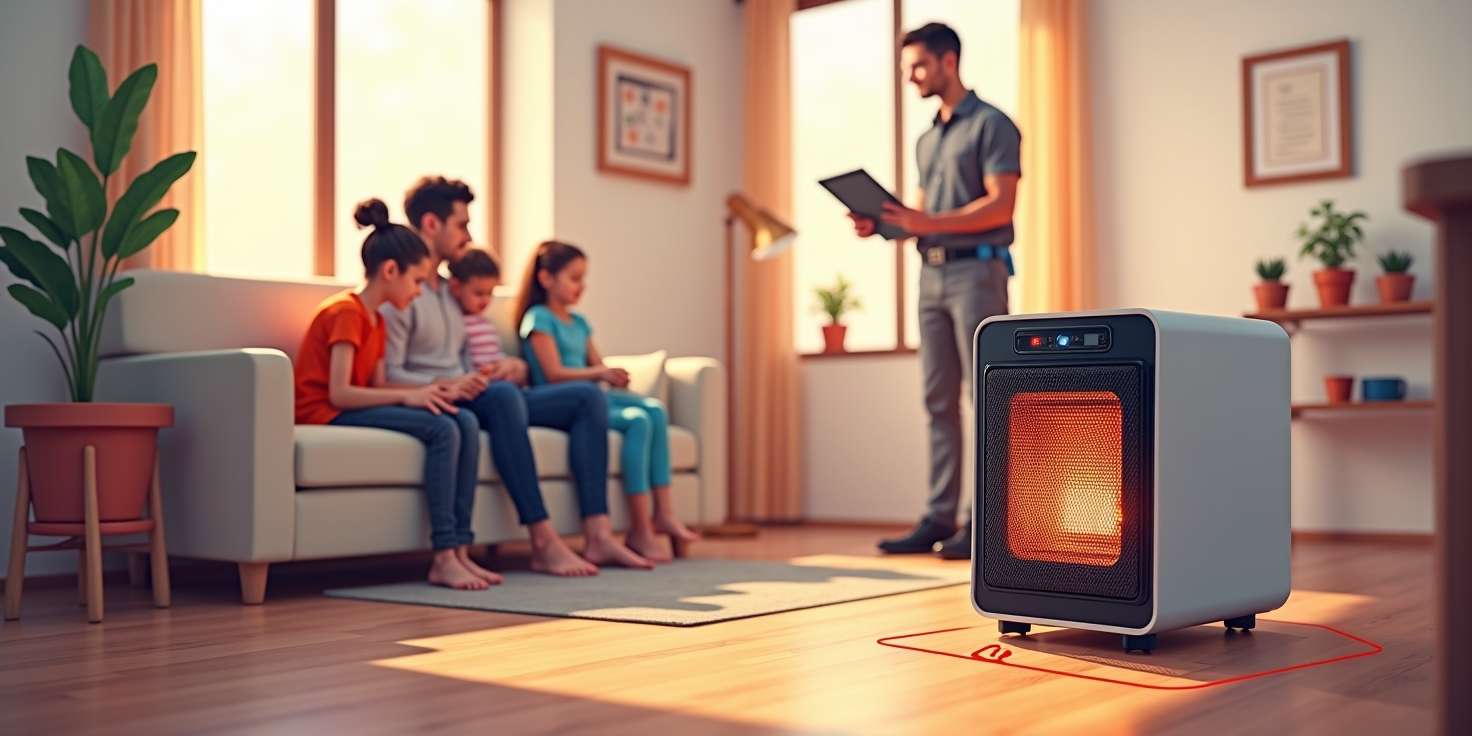
Space heaters are a popular solution for supplemental heating in homes and offices, especially during colder months. While they offer convenience and comfort, they also come with significant safety concerns that must not be overlooked. Understanding the potential risks associated with space heaters is essential for preventing fire damage and ensuring the safety of your property and loved ones.

One of the primary risks of space heaters is their potential to ignite nearby combustible materials. According to the National Fire Protection Association (NFPA), space heaters are responsible for 43% of home heating fires and 85% of associated deaths. These alarming statistics highlight the importance of using space heaters with caution and awareness. The majority of these incidents occur when heaters are placed too close to flammable items such as curtains, bedding, furniture, or clothing.

Another critical risk factor is the improper use or malfunction of the heater itself. Many older or low-quality space heaters lack modern safety features like automatic shut-off mechanisms or tip-over protection. These features are vital in preventing accidents, especially in households with children or pets. Additionally, using extension cords with space heaters can lead to overheating and electrical fires. The U.S. Consumer Product Safety Commission (CPSC) strongly advises plugging space heaters directly into wall outlets to reduce this risk.

Improper maintenance and neglect can also contribute to fire hazards. Dust and debris can accumulate inside the heater, causing it to overheat or malfunction. Regular cleaning and inspection are necessary to ensure the unit operates safely. Furthermore, leaving a space heater unattended or running it while sleeping significantly increases the risk of fire. It is crucial to turn off the heater when leaving the room or going to bed.

The location and environment in which a space heater is used also play a significant role in its safety. For instance, using a space heater in a bathroom or other damp areas can be extremely dangerous due to the risk of electrical shock. Heaters should always be used in dry, well-ventilated spaces and placed on flat, stable surfaces to prevent tipping.

To better understand the common causes of space heater-related fires, consider the following examples:

  1. A family in Ohio experienced a devastating house fire after a space heater was left running overnight near a pile of laundry. The heater ignited the clothes, resulting in significant fire damage and the loss of their home.
  2. In California, a tenant used a space heater with a damaged cord, which sparked and caused an electrical fire. The building suffered extensive damage, and several residents were displaced.
  3. A small office in New York faced a fire emergency when an employee placed a space heater under their desk near paper files. The heater overheated and ignited the papers, leading to a costly fire incident.

These real-life scenarios underscore the importance of using space heaters responsibly and understanding the risks involved. As the NFPA states:

“Half of home heating fires are reported during the months of December, January, and February. Space heaters, whether portable or stationary, account for the largest share of home heating fire deaths.”

To mitigate these risks, it is essential to follow safety guidelines and invest in high-quality space heaters that meet current safety standards. Look for models that are certified by recognized testing laboratories such as UL (Underwriters Laboratories), ETL (Intertek), or CSA (Canadian Standards Association). These certifications indicate that the heater has been tested for safety and performance.

Additionally, homeowners should be proactive in educating themselves about fire safety and emergency preparedness. Installing smoke detectors in every room, having a fire extinguisher readily available, and creating an evacuation plan can make a significant difference in the event of a fire. For more information on fire safety and prevention, visit the NFPA’s official website at https://www.nfpa.org.

If your property has already suffered from fire damage due to a space heater or any other cause, it is crucial to seek professional help immediately. At Projekt Restoration, we specialize in comprehensive fire damage restoration services to help you recover quickly and safely. Our team is trained to assess the extent of the damage, remove hazardous materials, and restore your home or business to its original condition.

We also offer a range of other services, including mold remediation and water damage restoration, ensuring that your property remains safe and habitable after any disaster. To learn more about our full range of offerings, visit our services page.

In conclusion, while space heaters can be an effective way to stay warm, they must be used with caution and awareness of the risks involved. By understanding these dangers and taking appropriate safety measures, you can significantly reduce the likelihood of fire damage and protect your home and loved ones. Always prioritize safety, invest in quality equipment, and stay informed about best practices for heater use. For additional tips and resources, explore our blog or reach out to us through our contact page.

Choosing the Right Type of Space Heater

When it comes to preventing fire damage from space heaters, one of the most critical steps is selecting the right type of heater for your specific needs and environment. Not all space heaters are created equal, and understanding the differences can significantly reduce the risk of fire hazards. There are several types of space heaters available on the market, including convection heaters, radiant heaters, ceramic heaters, and oil-filled radiators. Each type has its own set of advantages and safety considerations. Convection heaters, for example, are ideal for heating entire rooms and are generally safer when placed away from flammable materials. Radiant heaters, on the other hand, provide direct heat and are best suited for small, enclosed spaces or for personal use. However, they can pose a greater fire risk if placed too close to furniture, curtains, or other combustible items. Ceramic heaters are popular for their quick heating capabilities and built-in safety features like tip-over and overheat protection. Oil-filled radiators are another safe option, as they provide consistent heat without exposed heating elements, reducing the risk of ignition.

Before purchasing a space heater, consider the size of the room you intend to heat and the heater’s wattage. A heater that is too powerful for a small space can overheat the area, while one that is too weak may run continuously, increasing the risk of malfunction. Look for models that are certified by recognized safety organizations such as UL (Underwriters Laboratories) or ETL (Intertek), which ensures the heater meets specific safety standards. Additionally, opt for heaters with modern safety features, including automatic shut-off mechanisms that activate if the unit tips over or overheats. These features are essential in preventing potential fire incidents, especially in households with children or pets.

Another important factor is the intended use of the heater. For instance, if you need a heater for a bathroom or other damp area, make sure it is specifically rated for such environments. Using a heater not designed for moisture-prone areas can lead to electrical shorts and increase the risk of fire. Similarly, if you plan to use a heater in a bedroom, choose a model with a programmable thermostat and timer to avoid running the unit all night, which can be a fire hazard. Always place the heater on a flat, stable surface and keep it at least three feet away from anything that can burn, including bedding, furniture, and curtains.

It is also wise to consider the energy source of the heater. Electric heaters are generally safer than fuel-burning models, which can emit carbon monoxide and require proper ventilation. If you must use a fuel-burning heater, ensure it is used in a well-ventilated area and never leave it unattended. Regular maintenance and inspection are crucial for all types of heaters. Dust and debris can accumulate over time, potentially causing overheating or electrical issues. Clean your heater regularly and inspect the cord and plug for any signs of wear or damage. If you notice any frayed wires or unusual smells, discontinue use immediately and consult a professional.

For homeowners looking to enhance their safety measures, it may be beneficial to consult with a restoration expert who can assess your home’s fire risk and recommend appropriate solutions. At Projekt Restoration, we offer a range of services designed to help you maintain a safe and secure living environment. Our team is experienced in identifying potential hazards and providing tailored recommendations to prevent fire damage. You can also learn more about our company and values by visiting our about page.

In conclusion, choosing the right type of space heater involves more than just picking the most affordable or aesthetically pleasing option. It requires careful consideration of the heater’s type, safety features, intended use, and maintenance requirements. By making an informed decision, you can enjoy the warmth and comfort of a space heater without compromising your safety. Always follow the manufacturer’s instructions, use the heater responsibly, and stay vigilant to ensure your home remains a safe haven during the colder months.

Look for Safety Certifications and Features

When choosing a space heater for your home or office, prioritizing safety certifications and built-in safety features is crucial to reducing the risk of fire damage. Space heaters, while convenient and effective for supplemental heating, can pose serious fire hazards if not properly designed or used. One of the most effective ways to ensure your space heater is safe is by checking for certifications from recognized testing laboratories. Look for labels from organizations such as Underwriters Laboratories UL, Intertek ETL, or the Canadian Standards Association CSA. These certifications indicate that the product has undergone rigorous testing and meets specific safety standards. Choosing a heater with these marks can give you peace of mind, knowing that the device has been evaluated for potential fire risks and electrical safety.

In addition to certifications, modern space heaters often come equipped with a variety of safety features designed to prevent accidents. One of the most important features is an automatic shut-off function. This feature turns the heater off if it tips over or overheats, significantly reducing the chance of a fire starting. Tip-over protection is especially important in households with pets or children, where the risk of knocking over a heater is higher. Overheat protection, on the other hand, ensures the unit shuts down if internal components reach unsafe temperatures. These features work together to provide an added layer of safety, especially when the heater is used for extended periods.

Another key safety feature to look for is a cool-touch exterior. This design prevents the outer surface of the heater from becoming dangerously hot, reducing the risk of burns or accidental fires if the unit comes into contact with flammable materials. Some advanced models also include timers and programmable thermostats, allowing users to control how long the heater operates and maintain a consistent temperature. This not only improves energy efficiency but also minimizes the risk of overheating or leaving the heater on unattended.

It is also advisable to choose space heaters with grounded plugs and to avoid using extension cords, which can overheat and cause electrical fires. Instead, plug the heater directly into a wall outlet and ensure the cord is not frayed or damaged. Some heaters are designed with cord storage or retractable cords to reduce tripping hazards and keep the area around the heater tidy and safe.

When shopping for a space heater, take the time to read the manufacturer’s instructions and safety guidelines. These documents often include valuable information about proper placement, maintenance, and usage. For example, most manufacturers recommend keeping the heater at least three feet away from furniture, curtains, bedding, and other combustible materials. Following these guidelines can significantly reduce the risk of fire and ensure the heater operates safely and efficiently.

In addition to selecting a safe heater, it is essential to maintain it properly. Regularly inspect the unit for signs of wear and tear, such as frayed cords, loose connections, or unusual noises. Clean the heater according to the manufacturer’s instructions to prevent dust buildup, which can become a fire hazard over time. If the heater shows any signs of malfunction, discontinue use immediately and consult a professional or replace the unit.

Understanding the importance of fire safety in your home extends beyond just choosing the right space heater. It also involves being prepared for emergencies and knowing how to respond if a fire does occur. Installing smoke detectors in every room and testing them regularly is a fundamental step in fire prevention. Additionally, having a fire extinguisher readily available and knowing how to use it can help contain small fires before they spread.

For homeowners who have experienced fire damage or want to learn more about fire prevention, exploring professional resources can be incredibly helpful. At Projekt Restoration, we offer a wide range of services designed to help you recover from and prevent property damage. Whether you are dealing with the aftermath of a fire or looking to safeguard your home, our team is here to support you every step of the way. You can also learn more about our commitment to safety and excellence by visiting our about page.

In conclusion, preventing fire damage from space heaters starts with making informed choices. By selecting heaters with proper safety certifications and features, following manufacturer guidelines, and maintaining the unit regularly, you can significantly reduce the risk of fire. These proactive steps not only protect your property but also ensure the safety and well-being of everyone in your home.

Proper Placement of Space Heaters

When using space heaters, one of the most critical safety measures to prevent fire damage is ensuring they are placed properly within your home or workspace. Improper placement is a leading cause of space heater-related fires, often resulting from the heater being too close to flammable materials or being used in high-traffic areas where it can be easily knocked over. To minimize these risks, always position your space heater on a flat, stable, and non-flammable surface such as tile or hardwood flooring. Avoid placing it on carpets, rugs, or furniture, as these materials can easily catch fire if the heater overheats or tips over. Additionally, maintain a clear radius of at least three feet around the heater, free from curtains, bedding, paper, furniture, and other combustible items. This buffer zone significantly reduces the chance of nearby objects igniting due to prolonged exposure to heat.

Another essential consideration is the location of the heater in relation to foot traffic and children or pets. Space heaters should be placed in low-traffic areas where they are less likely to be bumped or tripped over. If you have children or pets, consider using a heater with a cool-touch exterior and automatic shut-off features to enhance safety. Never place a space heater on an elevated surface like a table or shelf, as this increases the risk of it falling and causing a fire. It is also crucial to keep the heater away from water sources such as sinks, bathtubs, or aquariums, as water and electricity are a dangerous combination. For those dealing with moisture issues in the home, addressing potential water damage is equally important. You can learn more about this by visiting our page on water damage.

Proper ventilation is another factor to consider when placing a space heater. While most modern electric space heaters do not emit harmful gases, fuel-burning models such as kerosene or propane heaters require adequate ventilation to prevent carbon monoxide buildup. These types of heaters should never be used indoors unless they are specifically designed for indoor use and the area is well-ventilated. Always follow the manufacturer’s instructions regarding placement and usage to ensure safe operation. Additionally, avoid using extension cords or power strips with space heaters, as they can overheat and cause electrical fires. Plug the heater directly into a wall outlet and ensure the cord is not pinched under furniture or rugs.

In multi-room homes or offices, it may be tempting to move the heater from room to room. However, each time you relocate the heater, reassess the new environment for potential hazards. Make sure the new location adheres to the same safety guidelines, including distance from flammable materials and stability of the surface. If you are unsure about the safest way to use a space heater in your specific environment, consider consulting a fire safety expert or reviewing our FAQ section for more detailed guidance.

Proper placement of space heaters is not just about preventing immediate fire hazards but also about maintaining long-term safety in your home. Fires caused by space heaters can lead to extensive property damage, costly repairs, and even loss of life. If your property has already suffered from such an incident, our team is here to help. Learn more about our comprehensive fire damage restoration services and how we can assist in restoring your home to its original condition. By taking the time to place your space heater correctly and following all safety precautions, you can enjoy the warmth and comfort it provides without compromising your safety or that of your loved ones.

Keep Flammable Materials Away

One of the most crucial steps in preventing fire damage from space heaters is ensuring that all flammable materials are kept at a safe distance. Space heaters, while effective in providing supplemental warmth, can become dangerous if not used responsibly. These devices generate intense heat, and when placed too close to combustible items such as curtains, bedding, furniture, paper, or clothing, they can easily ignite these materials, leading to devastating fires. The general safety recommendation is to maintain at least a three-foot clearance around the heater on all sides. This buffer zone significantly reduces the risk of accidental ignition and gives the heater enough space to operate safely.

Many homeowners underestimate how quickly a fire can start when a space heater is placed near flammable objects. For example, a draped curtain that brushes against a heater can catch fire within seconds. Similarly, placing a heater on a carpeted floor or near a pile of laundry can lead to dangerous outcomes. It is essential to be vigilant about your surroundings and ensure that nothing combustible is within the heater’s immediate vicinity. This includes not only obvious items like paper and fabric but also aerosol cans, cleaning supplies, and even certain types of plastic that can melt or ignite when exposed to high temperatures.

Proper placement of your space heater is key. Always set it on a flat, stable, and non-flammable surface. Avoid placing it on rugs or carpets, which can trap heat and increase the risk of fire. Instead, opt for tile, hardwood, or other fire-resistant flooring. Additionally, never use a space heater in damp or wet areas such as bathrooms unless it is specifically designed for such environments. Moisture can cause electrical components to short-circuit, potentially leading to a fire.

It is also important to consider the layout of the room and the flow of foot traffic. Placing a heater in a high-traffic area increases the chances of it being knocked over, especially if it lacks a tip-over safety switch. Children and pets are particularly vulnerable to accidentally coming into contact with space heaters, so extra precautions should be taken in households with young family members or animals. Educate everyone in your home about the importance of keeping a safe distance from the heater and never using it to dry clothes or warm bedding.

Regular maintenance and inspection of your space heater can also help prevent fire hazards. Check the power cord for any signs of fraying or damage, and never use an extension cord or power strip, as these can overheat and cause a fire. Plug the heater directly into a wall outlet and ensure it is not sharing the outlet with other high-wattage appliances. If your heater has a filter, clean or replace it as recommended by the manufacturer to ensure efficient and safe operation.

In addition to these safety measures, it is wise to have working smoke detectors installed in every room where a space heater is used. Test them monthly and replace batteries at least once a year. Having a fire extinguisher readily accessible can also be a lifesaver in the event of an emergency. These proactive steps, combined with responsible heater use, can significantly reduce the risk of fire damage in your home.

Understanding the potential dangers of improper space heater use is essential for maintaining a safe living environment. At Projekt Restoration, we are committed to helping homeowners protect their properties from fire and other types of damage. If you want to learn more about our comprehensive services, including fire damage restoration, we invite you to explore our website. You can also visit our about page to learn more about our team and our dedication to safety and quality. By staying informed and taking the necessary precautions, you can enjoy the comfort of your space heater without compromising your home’s safety.

Never Leave Space Heaters Unattended

One of the most critical safety precautions when using space heaters is to ensure they are never left operating without supervision. Space heaters, while convenient and effective for warming small areas, can become serious fire hazards if not monitored properly. These devices generate intense heat in a compact space, and if something flammable comes into contact with them, the risk of ignition is high. Leaving a space heater on while you are asleep or away from home significantly increases the chances of a fire starting without anyone present to intervene. Even models equipped with safety features like automatic shut-off can malfunction or be improperly positioned, leading to dangerous situations. It is essential to always turn off your space heater when leaving the room or going to bed. This simple habit can prevent countless incidents of fire damage and protect your home and loved ones.

In addition to turning off space heaters when unattended, it is also wise to place them on a flat, stable surface away from foot traffic, pets, and children. This reduces the risk of the heater being knocked over or coming into contact with combustible materials such as curtains, bedding, or furniture. Many fire incidents occur because a heater was left running too close to flammable objects. By maintaining a clear three-foot radius around the heater, you can significantly reduce the risk of fire. Furthermore, always plug space heaters directly into a wall outlet rather than using extension cords or power strips, which can overheat and cause electrical fires. Regularly inspect the heater for signs of wear or damage, such as frayed cords or malfunctioning switches, and discontinue use if any issues are found.

Understanding the potential dangers of unattended space heaters is a key step in safeguarding your property. If a fire does occur, the consequences can be devastating, leading to costly repairs, loss of personal belongings, and even injury or death. In such cases, professional help is essential. At Projekt Restoration, we specialize in comprehensive fire damage restoration services to help homeowners recover quickly and safely. Our team is trained to handle all aspects of fire recovery, from soot and smoke removal to structural repairs and odor elimination. We also offer a wide range of services designed to restore your home to its pre-loss condition, ensuring peace of mind during a stressful time.

Preventing fire damage starts with responsible usage of heating equipment. By never leaving space heaters unattended and following basic safety guidelines, you can significantly reduce the risk of fire in your home. For more information about our commitment to safety and restoration excellence, visit our about page to learn more about our team and mission. Taking proactive steps today can help you avoid the devastating consequences of fire tomorrow.

Use the Correct Power Source

One of the most critical aspects of safely operating a space heater is ensuring it is connected to the correct power source. Using an improper power supply can significantly increase the risk of electrical fires, which are among the leading causes of home fire damage. Space heaters typically draw a substantial amount of electricity, and plugging them into overloaded circuits, extension cords, or power strips can lead to overheating and potentially ignite a fire. It is always recommended to plug space heaters directly into a wall outlet that can handle the electrical load. Avoid using extension cords or multi-outlet adapters, as these are not designed to support the high wattage that space heaters require. Additionally, homeowners should be aware of the electrical specifications of their space heater and ensure that their home’s wiring is compatible. If the circuit trips frequently or if the outlet feels warm to the touch, it may be a sign of an overloaded circuit or faulty wiring, both of which require immediate attention from a licensed electrician. Regular maintenance and inspection of electrical systems can help prevent such hazards. For those who are unsure about the safety of their home’s electrical infrastructure, consulting a professional is a wise step. At Projekt Restoration, we offer a range of services designed to help homeowners maintain a safe living environment, including fire damage prevention and recovery. Understanding the importance of proper power sources not only helps in preventing fire incidents but also extends the lifespan of your appliances. For more information about our mission to keep homes safe and secure, visit our our mission page. Taking proactive steps today can save lives and property tomorrow.

Avoid Using Extension Cords

One of the most crucial safety precautions when using space heaters is to plug them directly into a wall outlet rather than using extension cords or power strips. Extension cords are not designed to handle the high electrical load that space heaters require, and using them can significantly increase the risk of overheating, electrical short circuits, and ultimately, fire hazards. Many residential fires linked to space heaters are caused by improper electrical connections, with extension cords being a common culprit. These cords can easily overheat, especially if they are of low quality or not rated for heavy-duty use. Additionally, extension cords can become tripping hazards, which may lead to the heater being knocked over, further increasing the risk of fire. To ensure maximum safety, always place your space heater on a flat, stable surface and plug it directly into a grounded wall outlet. If you find that your home lacks sufficient outlets in the areas where you need heat, consider consulting a licensed electrician to install additional outlets rather than relying on temporary solutions. For those interested in learning more about fire safety and how to protect your home from potential hazards, our fire damage page offers valuable insights. You can also explore our wide range of services to see how we help homeowners prevent and recover from fire-related incidents. Taking these proactive steps can make a significant difference in keeping your home and loved ones safe during colder months when space heaters are commonly used.

Regularly Inspect and Maintain Your Heater

To effectively prevent fire damage caused by space heaters, it is essential to implement a routine inspection and maintenance schedule. Space heaters, while convenient and efficient for supplemental heating, can become hazardous if not properly cared for. Over time, dust, debris, and wear and tear can compromise the safety and performance of these devices. Regularly checking your space heater ensures that it operates correctly and reduces the risk of malfunction that could lead to a fire. Begin by inspecting the power cord for any signs of fraying, cracking, or exposed wires. Damaged cords are a common cause of electrical fires and should be replaced immediately. Additionally, examine the plug and outlet for any discoloration or signs of overheating, which could indicate a potential electrical issue.

Cleaning your space heater is another crucial aspect of maintenance. Dust and lint can accumulate on the heating elements and internal components, increasing the risk of ignition. Use a vacuum or a soft brush to gently remove debris from vents and grills. Ensure the heater is unplugged and completely cool before performing any cleaning. For models with filters, check the manufacturer’s instructions on how often they should be cleaned or replaced. A clogged filter can restrict airflow, causing the unit to overheat and potentially catch fire.

It is also important to test the safety features of your space heater regularly. Most modern heaters come equipped with automatic shut-off mechanisms that activate if the unit tips over or overheats. Confirm that these features are functioning properly by carefully simulating a tip-over or monitoring the unit during extended use. If the heater fails to shut off as expected, discontinue use and consult the manufacturer or a qualified technician. Keeping your heater in good working condition not only extends its lifespan but also ensures it remains a safe source of warmth during colder months.

In addition to personal inspections, consider having your space heater professionally serviced at least once a year, especially before the winter season begins. A certified technician can perform a thorough check-up, identify hidden issues, and make necessary repairs or recommendations. This proactive approach can prevent minor problems from escalating into serious hazards. If you are unsure where to find reliable maintenance services, you can explore the range of professional services offered by trusted restoration and safety experts in your area.

Proper storage of your space heater when not in use is another often-overlooked aspect of maintenance. Store the unit in a dry, dust-free environment away from moisture and potential contaminants. Avoid wrapping the cord tightly around the heater, as this can cause internal damage to the wiring. When taking the heater out of storage, inspect it thoroughly before plugging it in. Look for any signs of rust, corrosion, or pest infestation that may have occurred during the off-season.

Educating all household members about the safe use and maintenance of space heaters is equally important. Everyone should understand the importance of keeping flammable materials at least three feet away from the heater, never leaving it unattended while in use, and turning it off before going to bed or leaving the house. Creating a culture of safety within your home significantly reduces the likelihood of accidents and fire damage.

If a fire incident does occur despite your best efforts, knowing how to respond quickly and effectively is crucial. Having a fire extinguisher nearby and ensuring that smoke detectors are functional can make a significant difference in minimizing damage. In the unfortunate event of fire damage, professional restoration services can help you recover and rebuild. Learn more about how experts handle fire damage restoration and what steps you can take to protect your property in the future.

Maintaining your space heater is not just about preserving the device itself but about safeguarding your home and loved ones. By incorporating regular inspections, cleaning, and professional servicing into your routine, you can enjoy the warmth and comfort of your space heater without compromising safety. For more information on home safety and restoration solutions, visit our about page to learn about our mission and commitment to protecting your home.

Install Smoke Alarms and Test Them Frequently

One of the most effective ways to safeguard your home from the dangers associated with space heaters is by installing smoke alarms and ensuring they are tested regularly. Space heaters, while convenient for supplemental heating, can pose a significant fire risk if not used properly. A functioning smoke alarm acts as an early warning system, alerting you to the presence of smoke or fire before it becomes uncontrollable. This early detection is crucial in preventing extensive fire damage and ensuring the safety of your family and property.

Smoke alarms should be installed on every level of your home, including inside each bedroom and outside sleeping areas. This strategic placement ensures that no matter where a fire starts, the alarm will sound in time to allow for a quick response. For homes with multiple rooms and floors, interconnected smoke alarms are highly recommended. When one alarm detects smoke, all alarms in the system will sound, providing a comprehensive alert system that can be life-saving, especially during nighttime hours when occupants are asleep.

Testing your smoke alarms at least once a month is equally important. Over time, batteries can lose their charge, or the alarm mechanism itself may become faulty. By pressing the test button on each unit, you can confirm that the alarm is functioning correctly. Additionally, it is advisable to replace the batteries at least once a year and to replace the entire smoke alarm unit every ten years, as recommended by fire safety experts. Keeping a maintenance schedule or setting reminders can help ensure that this critical task is not overlooked.

In addition to installing and maintaining smoke alarms, it is essential to educate all household members about what to do when an alarm sounds. Create and practice a fire escape plan that includes at least two ways out of every room and a designated meeting place outside the home. This preparation can make a significant difference in the event of a real emergency, reducing panic and ensuring everyone knows how to respond quickly and safely.

While smoke alarms are a vital component of fire safety, they are most effective when used in conjunction with other preventive measures. For example, always place space heaters on a flat, stable surface and keep them at least three feet away from flammable materials such as curtains, bedding, and furniture. Never leave a space heater unattended, especially when sleeping or leaving the room. These precautions, combined with a reliable smoke alarm system, significantly reduce the risk of fire damage.

It is also beneficial to understand the broader context of fire safety and damage prevention. For more information on how fire can impact your home and the steps you can take to mitigate these risks, visit our fire damage page. Here, you will find detailed insights into fire restoration services and how professionals can help you recover after an incident. Additionally, our services page outlines the comprehensive support we offer, including emergency response and damage assessment, to help you protect your home and loved ones.

Incorporating smoke alarms into your home safety plan is not just a precaution; it is a proactive step toward preventing tragedy. These devices are affordable, easy to install, and proven to save lives. When used alongside responsible space heater practices and regular maintenance, smoke alarms form a critical line of defense against fire hazards. By taking these steps seriously and staying informed, you can enjoy the warmth and comfort of space heaters without compromising your safety.

Educate Family Members on Heater Safety

One of the most effective ways to prevent fire damage from space heaters is by ensuring that every member of your household understands the potential risks and safety measures associated with their use. Education plays a critical role in maintaining a safe environment, especially when it comes to heating appliances that can pose serious fire hazards if misused. Start by discussing the basic safety guidelines with all family members, including children and elderly individuals who may be more vulnerable. Make sure everyone knows to keep space heaters at least three feet away from flammable materials such as curtains, bedding, and furniture. Emphasize the importance of never leaving a space heater unattended, especially when sleeping or leaving the room. It is also essential to teach family members how to properly plug in and unplug the heater, ensuring it is connected directly to a wall outlet rather than an extension cord, which can overheat and cause a fire.

In addition to these basic precautions, involve your family in regular safety checks. Show them how to inspect the heater for signs of wear and tear, such as frayed cords or unusual smells, and encourage them to report any issues immediately. Make it a habit to review the manufacturer’s instructions together, so everyone understands the specific safety features and operational guidelines of your particular model. For households with children, consider using space heaters with safety certifications and built-in features like tip-over protection and automatic shut-off. Explain to kids why they should never play near or touch the heater, and establish clear boundaries around its placement.

Another important aspect of heater safety education is emergency preparedness. Ensure that all family members know what to do in case of a fire. Conduct regular fire drills and teach everyone how to use a fire extinguisher. Make sure smoke detectors are installed in key areas of the home and that everyone knows the sound of the alarm and the appropriate response. It is also helpful to create a family emergency plan that includes evacuation routes and a designated meeting spot outside the home.

To reinforce these safety practices, consider posting a list of heater safety tips in a visible area, such as near the heater or on the refrigerator. This serves as a constant reminder and helps instill good habits. You can also encourage your family to stay informed by reading helpful resources and articles. For more insights on maintaining a safe and damage-free home environment, visit our blog where we share expert advice and practical tips. Additionally, if you are curious about the range of services we offer to help protect and restore your home, explore our services page for more information.

By fostering a culture of awareness and responsibility, you significantly reduce the risk of fire damage caused by space heaters. When every family member understands their role in maintaining safety, your home becomes a more secure place for everyone.

Turn Off Heaters When Not in Use

One of the most effective and straightforward ways to prevent fire damage from space heaters is to ensure they are turned off when not in use. Space heaters are designed to provide supplemental warmth, but when left unattended, they can quickly become a fire hazard. Many fire incidents occur simply because a heater was left running while the room was empty or while the occupants were asleep. These devices generate a significant amount of heat, and if they are operating near flammable materials such as curtains, bedding, or furniture, the risk of ignition increases dramatically. Therefore, making it a habit to switch off space heaters whenever you leave a room or go to bed is a crucial safety measure.

Modern space heaters often come with built-in safety features like automatic shut-off mechanisms and timers, but relying solely on these features can be risky. Mechanical failures or user errors can still lead to dangerous situations. It’s always best to manually turn off the heater and unplug it when it’s not actively being used. This not only reduces the risk of fire but also conserves energy and extends the life of the appliance. Additionally, unplugging the heater eliminates the risk of electrical issues such as short circuits or power surges, which can also lead to fires.

Another important consideration is the placement of the heater. Even when turned off, a heater that is left plugged in and positioned too close to combustible materials can pose a risk if accidentally turned on. Always ensure that the heater is placed on a flat, stable surface and away from high-traffic areas where it might be knocked over. When not in use, store the heater in a safe location where it cannot be accidentally activated or damaged.

Educating all household members about the importance of turning off space heaters is also essential. Children and elderly family members should be made aware of the potential dangers and instructed on how to safely operate and shut down the device. In shared living spaces or workplaces, clear guidelines should be established to ensure that everyone follows proper safety protocols. Posting reminders near the heater or setting alarms can be helpful in reinforcing this habit.

In addition to turning off heaters when not in use, it’s wise to have a comprehensive fire safety plan in place. This includes installing smoke detectors in every room, keeping fire extinguishers accessible, and conducting regular fire drills. These measures, combined with responsible heater usage, significantly reduce the risk of fire damage. If you ever experience fire-related issues, professional restoration services can help mitigate the damage and restore your property. Learn more about our fire damage solutions to understand how we can assist in such emergencies.

Regular maintenance of your space heater is another key aspect of fire prevention. Dust and debris can accumulate inside the unit, potentially causing it to overheat or malfunction. Always follow the manufacturer’s instructions for cleaning and maintenance, and inspect the heater for any signs of wear or damage before each use. If the heater shows any signs of malfunction, such as strange noises, burning smells, or inconsistent heating, discontinue use immediately and consult a professional.

For those seeking more information on safe heater usage and fire prevention strategies, our blog offers a wealth of resources and expert advice. Staying informed and proactive is the best defense against fire hazards. Additionally, if you have questions or need personalized guidance, our team is always ready to help. Visit our contact page to get in touch with our experienced professionals.

By adopting the simple habit of turning off space heaters when they are not needed, you take a significant step toward safeguarding your home and loved ones. This small action, when practiced consistently, can prevent devastating fire incidents and provide peace of mind during the colder months.

Follow Manufacturer Instructions Carefully

One of the most crucial steps in preventing fire damage from space heaters is to thoroughly read and adhere to the manufacturer’s instructions provided with the unit. These guidelines are specifically designed to ensure the safe operation of the heater and to minimize the risk of fire hazards. Manufacturers conduct extensive testing to determine the safest way to use their products, including proper placement, recommended clearance from flammable materials, and appropriate usage duration. Ignoring these instructions can lead to overheating, electrical malfunctions, or even direct contact with combustible items, all of which significantly increase the risk of fire. For instance, many space heaters are designed for use in well-ventilated areas and should not be used in enclosed spaces or near curtains, bedding, or furniture. Additionally, some models are not intended for use in bathrooms or other high-moisture environments, as this can lead to short circuits or electrical fires. It is also essential to use the correct power source and avoid using extension cords unless specified as safe by the manufacturer. Overloading circuits or using incompatible power supplies can result in overheating and potential ignition. Regular maintenance, such as cleaning filters and checking for frayed cords or other damage, is often recommended in the manual and should not be overlooked. By following these manufacturer guidelines, homeowners can significantly reduce the risk of fire and ensure their space heater operates efficiently and safely. For more information on how to protect your home from fire-related incidents, you can explore our fire damage page. If you are interested in learning more about the range of restoration solutions we offer, visit our services section. Taking these precautions not only safeguards your property but also contributes to the overall safety and well-being of your household.

Know What to Do in Case of a Fire

In the unfortunate event that a fire does occur despite all preventive measures, knowing how to respond quickly and effectively can make a significant difference in minimizing harm and damage. The first and most important step is to remain calm and act swiftly. If you detect smoke or flames coming from your space heater or any other source, immediately turn off the device if it is safe to do so. Do not attempt to move a burning heater, as this could spread the fire or cause injury. Alert everyone in the household and evacuate the premises using a pre-planned escape route. Make sure all family members are familiar with this plan and have practiced it regularly. Once outside, call emergency services without delay. Never re-enter a burning building under any circumstances. If the fire is small and you have been trained to use a fire extinguisher, you may attempt to put it out, but only if it is safe and you have a clear exit path. After the fire is extinguished and the area is declared safe by authorities, it is crucial to assess the damage and begin the recovery process. This is where professional restoration services become essential. Companies like Projekt Restoration specialize in helping homeowners recover from fire-related incidents. You can learn more about their comprehensive services that include fire damage restoration, smoke odor removal, and structural repairs. Additionally, understanding the long-term effects of fire and smoke exposure is important for maintaining a healthy living environment. For more insights into how fire damage can affect your property and what steps to take afterward, visit their detailed fire damage resource page. Being prepared and informed not only helps protect your loved ones but also ensures a smoother recovery process in the aftermath of a fire.

Sure! Here’s a suitable FAQ section for a blog post titled "How to Prevent Fire Damage from Space Heaters," incorporating essential safety tips and best practices:

Frequently Asked Questions (FAQ)

Q1: Are space heaters safe to use indoors?
A1: Yes, space heaters can be safe for indoor use if used properly. Always choose a model that is certified by a recognized testing laboratory (such as UL or ETL), and follow the manufacturer’s instructions carefully. Never leave a space heater unattended while it’s operating.

Q2: How far should I place a space heater from other objects?
A2: Keep space heaters at least 3 feet (1 meter) away from anything that can burn, including furniture, curtains, bedding, and paper products. This helps prevent accidental ignition and reduces the risk of fire.

Q3: Can I plug my space heater into a power strip or extension cord?
A3: No. Space heaters should always be plugged directly into a wall outlet. Using extension cords or power strips can overheat and cause a fire. If you must use an extension cord temporarily, make sure it is heavy-duty and rated for high power loads—but this is not recommended for long-term use.

Q4: Is it safe to leave a space heater on overnight?
A4: It is not recommended to leave a space heater on while sleeping or when you’re not in the room. Even models with safety features can malfunction. Always turn off and unplug the heater when it’s not in use.

Q5: What safety features should I look for in a space heater?
A5: Look for space heaters with built-in safety features such as:

  • Tip-over protection (automatically shuts off if knocked over)
  • Overheat protection (shuts off if the unit gets too hot)
  • Cool-touch housing
  • Thermostat and timer controls

Q6: Can I use a space heater in the bathroom?
A6: Only use space heaters specifically designed for bathroom or damp-area use. These models are built to handle moisture and reduce the risk of electrical shock. Never use a standard space heater in a bathroom.

Q7: How often should I inspect my space heater?
A7: Inspect your space heater before each use. Check for frayed cords, damaged plugs, or any signs of wear and tear. If you notice any damage, do not use the heater until it has been repaired or replaced.

Q8: What should I do if my space heater starts to smell or smoke?
A8: Turn it off immediately, unplug it, and remove it from the area. Do not attempt to use it again until it has been inspected by a professional or replaced. A burning smell or smoke can indicate a serious electrical issue or overheating.

Q9: Can children and pets be around space heaters?
A9: Always supervise children and pets around space heaters. Use models with cool-touch exteriors and place them in low-traffic areas to prevent accidental contact or tipping.

Q10: What’s the best way to store a space heater when not in use?
A10: Allow the heater to cool completely before storing. Wrap the cord loosely and store the unit in a dry, dust-free area away from flammable materials. Avoid stacking heavy items on top of it.

By following these guidelines and staying informed, you can enjoy the warmth of a space heater while minimizing the risk of fire damage.
How to Prevent Mold in Commercial Ceilings

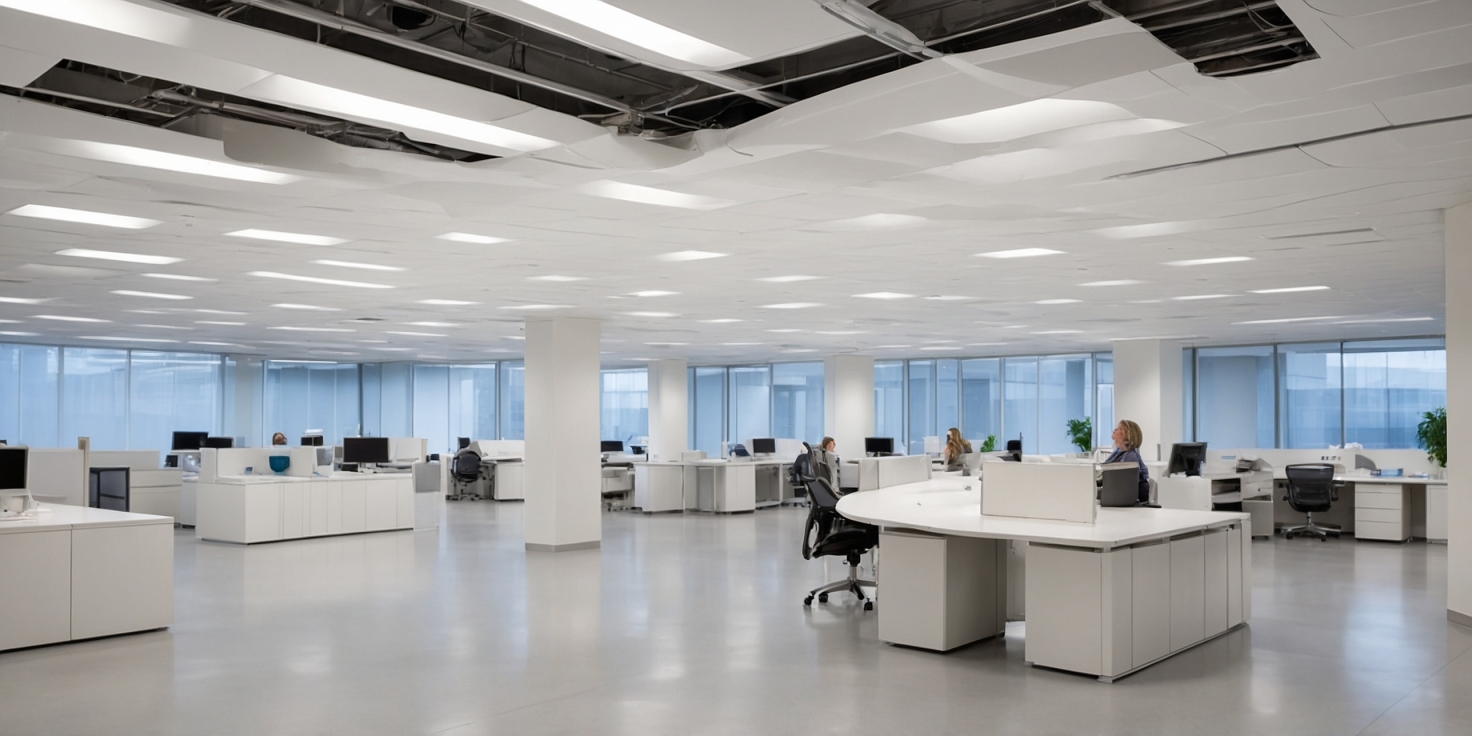
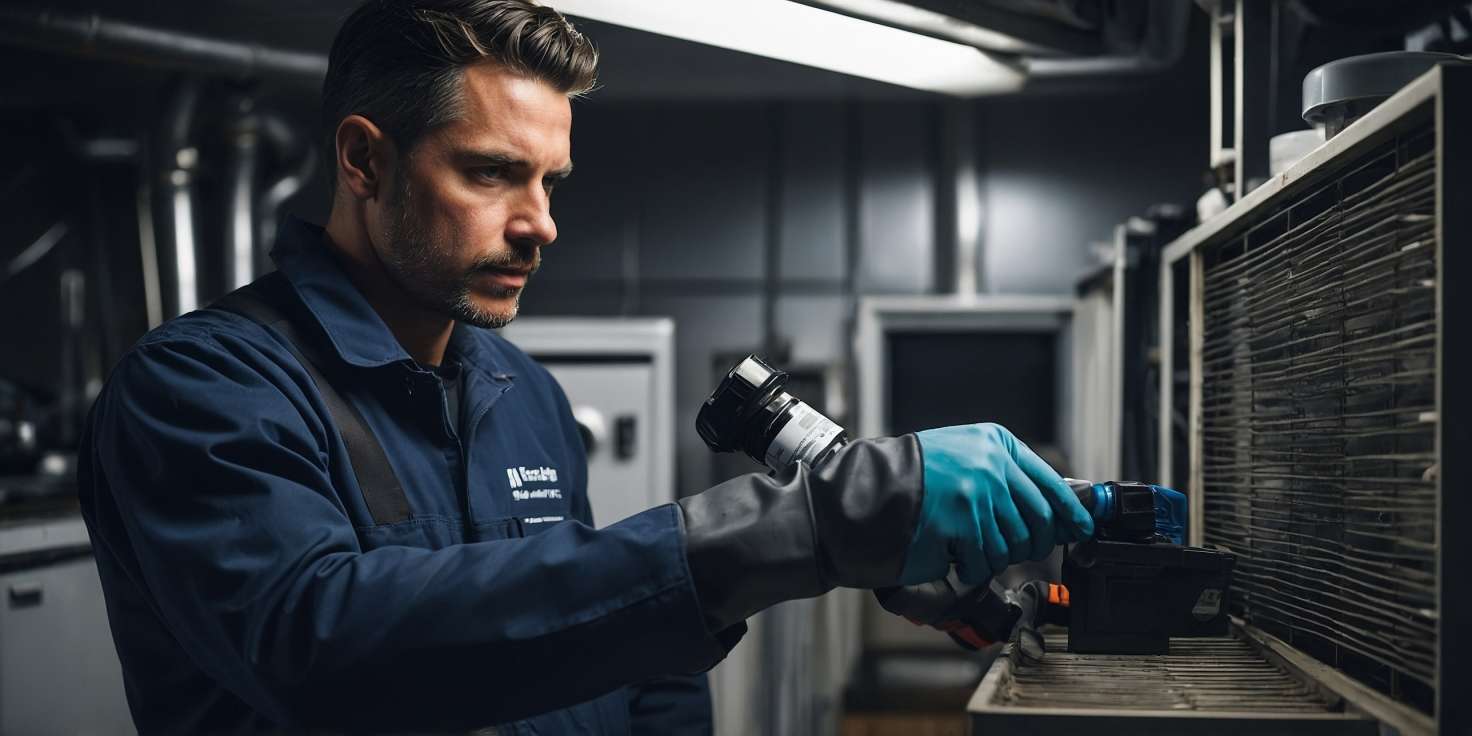
Mold is more than just an unsightly nuisance—it’s a serious threat to commercial properties. From health hazards to structural damage, mold can wreak havoc on your business if not properly addressed. One of the most vulnerable areas in any commercial building is the ceiling. Due to its elevation and proximity to HVAC systems, plumbing lines, and roofing structures, the ceiling often becomes a hidden breeding ground for mold. This comprehensive guide will walk you through everything you need to know about preventing mold in commercial ceilings, ensuring a safe, healthy, and compliant environment for employees, clients, and visitors.

At Projekt Restoration, we are COMMITTED TO QUALITY SERVICE. Call Us Now! 855-933-7935. Fast, Friendly and Professional Service. Our Services include Water DamageWater Damage Restoration requires special equipment designed specifically for drying structures that have suffered severe water damage. Fire Damage—The most crucial step in the fire restoration process is to quickly mitigate the affected area and recover as much as possible. We also specialize in mold remediation, biohazard clean up, reconstruction services, and more.

Understanding the Causes of Mold in Commercial Ceilings

Before you can prevent mold, you need to understand what causes it. Mold thrives in environments that are moist, warm, and poorly ventilated. Commercial ceilings often meet these criteria due to a variety of factors:

  • Roof Leaks: Damaged or aging roofs can allow water to seep into the ceiling structure.
  • HVAC Systems: Improperly maintained HVAC systems can cause condensation and leaks that lead to mold growth.
  • Plumbing Issues: Leaky pipes running above ceilings can go unnoticed for long periods, creating the perfect environment for mold.
  • Poor Ventilation: Inadequate airflow traps moisture, especially in high-humidity areas like restrooms and kitchens.
  • Flooding and Water Damage: Past incidents of flooding or water damage that were not properly remediated can leave behind residual moisture.

Understanding these causes is the first step in implementing effective prevention strategies. If your commercial property has experienced any of these issues, it’s crucial to consult with professional restoration experts to assess the risk and take corrective action.

Implementing Preventive Measures

Preventing mold in commercial ceilings requires a proactive approach. Here are several key strategies to keep your ceilings mold-free:

  • Regular Inspections: Schedule routine inspections of your roof, plumbing, and HVAC systems to catch leaks early.
  • Moisture Control: Use dehumidifiers in high-humidity areas and ensure proper ventilation throughout the building.
  • Immediate Response to Water Damage: Any signs of water intrusion should be addressed immediately with water damage restoration services.
  • Ceiling Material Selection: Use mold-resistant materials for ceiling tiles and insulation.
  • HVAC Maintenance: Regularly clean and maintain HVAC systems to prevent condensation and leaks.

These preventive measures not only protect your property but also contribute to customer satisfaction by ensuring a safe and healthy environment. Partnering with a company that offers comprehensive restoration services can make all the difference in maintaining your commercial space.

The Role of Professional Restoration Services

When it comes to mold prevention and remediation, DIY methods often fall short. That’s where professional restoration services come in. Companies like Projekt Restoration offer a full suite of services designed to address the root causes of mold and prevent its recurrence.

Our team is trained in the latest techniques for mold remediation, water damage restoration, and fire damage restoration. We use advanced equipment to detect hidden moisture, remove contaminated materials, and restore your property to its original condition. Our mission is to deliver high-quality, reliable service that exceeds your expectations.

In addition to mold prevention, we also offer biohazard clean up and reconstruction services, making us your one-stop solution for all property restoration needs. Our 24/7 emergency service ensures that help is always just a phone call away.

Choosing a professional service provider not only ensures effective mold prevention but also enhances the longevity and safety of your commercial property. Our commitment to customer satisfaction is reflected in every project we undertake.

Monitoring and Maintenance for Long-Term Protection

Even after implementing preventive measures and conducting professional remediation, ongoing monitoring and maintenance are essential for long-term mold prevention. Here’s how you can maintain a mold-free environment in your commercial ceilings:

  • Install Moisture Sensors: These devices can alert you to the presence of moisture before it becomes a problem.
  • Regular HVAC Checks: Ensure that your HVAC system is functioning efficiently and not contributing to moisture buildup.
  • Ceiling Tile Replacement: Replace any stained or damaged ceiling tiles immediately to prevent mold growth.
  • Employee Training: Educate your staff on the signs of mold and the importance of reporting leaks or water damage promptly.
  • Annual Professional Inspections: Schedule annual inspections with a mold remediation specialist to ensure your property remains mold-free.

These maintenance practices are not just about preventing mold—they’re about protecting your investment. A mold-free environment enhances the aesthetic appeal of your property, safeguards the health of occupants, and ensures compliance with health and safety regulations.

For more tips on maintaining your commercial property, visit our blog where we share expert advice and industry insights.

Conclusion

Mold in commercial ceilings is a serious issue that requires a comprehensive, proactive approach. From understanding the root causes to implementing preventive measures and engaging professional restoration services, every step plays a crucial role in maintaining a safe and healthy environment. Regular monitoring and maintenance further ensure that your property remains mold-free in the long run.

Don’t wait for mold to become a visible problem. Take action today to protect your commercial property, your employees, and your clients. Whether you need water damage restoration, fire damage restoration, mold remediation, or biohazard clean up, Projekt Restoration is here to help. Explore our full range of services or contact us now to schedule an inspection. Your ceiling—and your business—deserve nothing less than the best in property restoration.

Water Damage Signs in Commercial Carpeting

Commercial properties rely heavily on clean, well-maintained carpeting to create a professional and welcoming environment. However, hidden water damage in commercial carpeting can lead to costly repairs, health hazards, and even business interruptions if not addressed promptly. Recognizing early water damage signs in commercial carpeting is essential to prevent mold growth, unpleasant odors, and structural issues. At COMMITTED TO QUALITY SERVICE, we specialize in fast, friendly, and professional water damage restoration. Our expert team uses advanced equipment specifically designed to dry and restore structures affected by severe water damage. Whether you’re dealing with a recent flood or suspect hidden moisture beneath your carpet, our water damage services are here to help. Call us now at 855-933-7935 to protect your investment and maintain a safe, clean workspace.

Discoloration and Staining on Carpet Surface

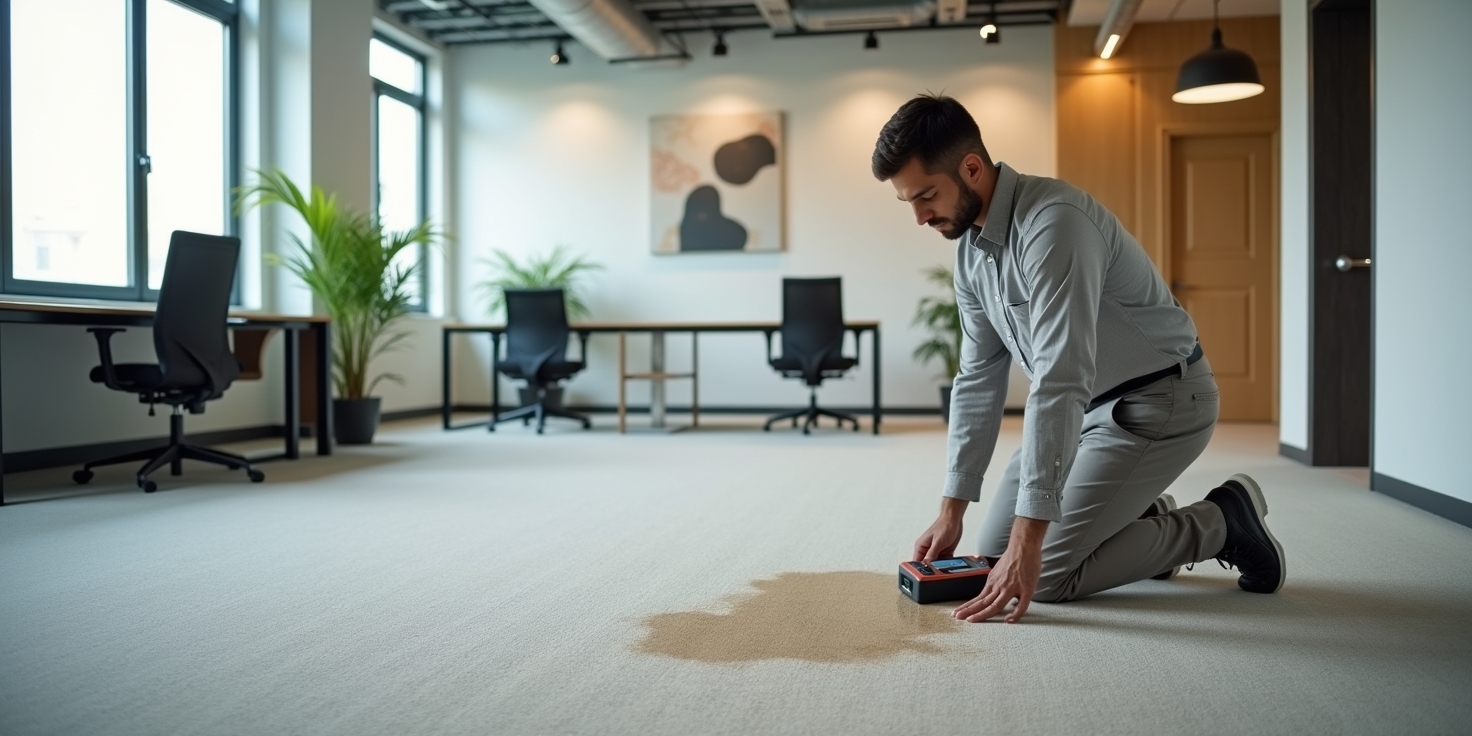
One of the most visible indicators of water damage in commercial carpeting is the appearance of discoloration and staining. These unsightly marks often result from prolonged exposure to moisture, which can seep through the carpet fibers and padding, leaving behind mineral deposits, mold, or mildew. Over time, these stains can become permanent, affecting not only the carpet’s appearance but also its structural integrity.

Water stains typically appear as dark patches or rings, especially in high-traffic areas or near plumbing fixtures. According to the Institute of Inspection Cleaning and Restoration Certification (IICRC), "carpets exposed to water for more than 24-48 hours are at high risk for microbial growth." This makes early detection and professional intervention crucial.

“Ignoring early signs of water damage can lead to costly repairs and potential health risks due to mold and bacteria buildup.”

Common causes of carpet discoloration include:

  1. Leaking HVAC systems or plumbing lines
  2. Flooding from storms or burst pipes
  3. Improper carpet cleaning or drying methods

To prevent long-term damage, it’s essential to consult professionals who specialize in water damage restoration. They can assess the extent of the issue and recommend appropriate solutions.

For more information on how we handle such issues, visit our services page or explore our detailed guide on identifying hidden water damage early.

Learn more about carpet care and restoration from trusted sources like the EPA’s Mold and Moisture Guide.

Musty Odors Indicating Mold Growth

A persistent musty odor in commercial carpeting is often one of the earliest and most noticeable signs of mold growth caused by water damage. These unpleasant smells typically result from moisture becoming trapped beneath the carpet or within the padding, creating an ideal environment for mold and mildew to thrive. If left unaddressed, mold can spread quickly, compromising indoor air quality and posing health risks to employees and customers, especially those with allergies or respiratory conditions.

Detecting these odors early is crucial for preventing further damage and costly repairs. Business owners should be vigilant about any unusual smells, particularly after leaks, floods, or high humidity events. Regular inspections and prompt action can help identify hidden moisture sources and prevent mold from taking hold.

Professional restoration services are essential in addressing the root cause of the problem. At Projekt Restoration, our expert team offers comprehensive services to detect and eliminate mold, ensuring your commercial space remains safe and healthy. We also provide guidance on how to prevent future issues through proper maintenance and moisture control.

To learn more about how we handle mold-related concerns, visit our mold remediation page. For additional insights and tips, explore our detailed blog covering water damage prevention and restoration strategies.

Carpet Delamination and Separation

One of the most common yet overlooked signs of water damage in commercial carpeting is the separation of carpet layers, often referred to as delamination. This occurs when the adhesive bonding the carpet’s primary and secondary backing begins to break down due to prolonged exposure to moisture. As a result, the carpet may start to ripple, bubble, or lift from the subfloor, creating not only an unsightly appearance but also a potential tripping hazard.

Delamination can severely compromise the structural integrity of the carpet, leading to costly repairs or full replacement if not addressed promptly. Moisture trapped beneath the carpet can also foster mold growth, further deteriorating indoor air quality and posing health risks to employees and customers. Identifying this issue early is crucial to preventing further damage and maintaining a safe commercial environment.

If you notice uneven surfaces or loose sections in your carpet, it may be time to consult a professional. At Projekt Restoration, we specialize in identifying and resolving water-related issues in commercial properties. Learn more about our comprehensive services or explore our expert tips on how to identify hidden water damage early. Taking swift action can save your business time, money, and unnecessary disruption.

Increased Allergies or Respiratory Issues

One of the most overlooked indicators of water damage in commercial carpeting is a noticeable increase in allergies or respiratory issues among employees or visitors. When moisture becomes trapped beneath carpets, it creates an ideal environment for mold, mildew, and bacteria to thrive. These contaminants can release airborne spores and allergens, which may trigger sneezing, coughing, itchy eyes, or even more serious respiratory conditions such as asthma. If multiple people in a commercial space begin experiencing similar symptoms, it could be a sign of hidden water damage beneath the flooring.

Prolonged exposure to damp environments can also degrade indoor air quality, making it essential to act quickly. Regular inspections and prompt response to any signs of water intrusion can help prevent long-term health risks and structural damage. Businesses should consider professional evaluation and restoration services to ensure a safe and healthy environment.

For more information on how to detect and address these issues, visit our detailed guide on how to identify hidden water damage early. You can also explore our full range of services to learn how we can help restore your commercial space efficiently and effectively. Taking proactive steps today can protect both your property and the well-being of those who use it.

Damp or Wet Carpet Texture

One of the most noticeable signs of water damage in commercial carpeting is a damp or wet texture. This condition often indicates a recent or ongoing water intrusion, which can stem from leaking pipes, roof damage, or flooding. Unlike surface spills that dry quickly, persistent dampness suggests moisture has penetrated deep into the carpet fibers and padding, potentially affecting the subfloor beneath. Left untreated, this can lead to structural damage, unpleasant odors, and the growth of mold and mildew, posing health risks to employees and customers.

Detecting this issue early is crucial. Business owners should regularly inspect high-traffic areas and corners where moisture can accumulate unnoticed. If the carpet feels consistently wet or emits a musty smell, it’s essential to act promptly. Professional assessment and restoration services can help identify the source and extent of the damage, ensuring a thorough cleanup and preventing further issues.

At Projekt Restoration, we specialize in identifying and addressing commercial water damage. Learn more about our comprehensive services designed to restore your property efficiently. For insights on how to detect hidden moisture problems, visit our guide on how to identify hidden water damage early. Don’t wait until minor dampness turns into a major repair—early intervention is key to protecting your investment and maintaining a safe, professional environment.

Visible Mold or Mildew on Carpet

One of the most alarming indicators of water damage in commercial carpeting is the presence of mold or mildew. These fungi thrive in damp, poorly ventilated environments, making water-damaged carpets an ideal breeding ground. Mold and mildew often appear as discolored patches—green, black, or white—and may be accompanied by a musty odor. If left untreated, they can spread quickly, compromising indoor air quality and posing serious health risks to employees and customers, especially those with allergies or respiratory conditions.

Mold growth not only damages the carpet fibers but can also indicate deeper structural issues, such as hidden moisture beneath the flooring. Early detection is crucial to prevent costly repairs and potential business disruptions. Regular inspections and prompt action are essential to maintaining a safe and healthy commercial environment.

If you suspect mold in your carpet, it’s important to consult professionals who specialize in mold remediation and water damage restoration. At Projekt Restoration, we offer comprehensive services tailored to commercial properties, ensuring thorough cleanup and long-term protection.

To learn more about how we can help safeguard your business from water-related issues, visit our about page or explore our expert tips on identifying hidden damage. Taking proactive steps today can save you from major problems tomorrow.

Unexplained Increase in Pest Activity

A sudden surge in pest activity within a commercial space can often be traced back to hidden water damage in the carpeting. Moisture trapped beneath carpets creates an ideal breeding ground for insects such as ants, cockroaches, and even termites. These pests are naturally drawn to damp environments, and once they find a reliable water source, they can quickly multiply and spread throughout the building.

In many cases, business owners may not immediately associate pest infestations with water damage. However, the presence of pests—especially in areas not typically prone to infestations—can be a red flag indicating underlying moisture issues. This is particularly true in high-traffic areas where spills, leaks, or poor ventilation may go unnoticed for extended periods.

If you notice an unusual increase in pests, it’s essential to investigate the possibility of water damage beneath your carpets. Early detection can prevent further structural damage and protect the health of your employees and customers. For more information on identifying hidden moisture problems, visit our guide on how to identify hidden water damage early.

At Projekt Restoration, we specialize in comprehensive services that address both visible and hidden water damage. Learn more about our approach and commitment to quality by exploring our mission. Don’t let unnoticed water damage compromise your commercial space—act promptly to maintain a safe and clean environment.

In conclusion, recognizing the early signs of water damage in commercial carpeting is essential for maintaining a clean, safe, and professional environment. From musty odors and discoloration to damp spots and mold growth, these indicators should never be ignored. Prompt attention not only helps prevent costly repairs and health hazards but also extends the life of your flooring investment. Regular inspections and swift action can make all the difference in preserving the integrity of your commercial space. Stay vigilant, and when in doubt, consult a professional to assess and address any potential water damage issues.

Fire Safety Tips for Property Renovations

Renovating a property is an exciting endeavor, whether you’re upgrading your home for personal comfort or increasing its market value. However, amidst the dust, paint, and power tools, one critical aspect often gets overlooked—fire safety. Every year, numerous fires occur during renovation projects due to negligence, improper planning, or lack of awareness. These incidents not only result in significant property damage but also pose serious risks to lives. Therefore, integrating fire safety measures into your renovation plan is not just prudent—it’s essential.

At Projekt Restoration, we understand the complexities of property restoration and the importance of safeguarding your investment. Our team is committed to quality service, offering professional restoration solutions including fire damage restoration, water damage restoration, mold remediation, biohazard clean up, and reconstruction services. Whether you’re dealing with the aftermath of a fire or proactively planning your renovation, our emergency service team is ready to assist 24/7. Call us now at 855-933-7935 for fast, friendly, and professional service.

This comprehensive guide will walk you through essential fire safety tips to consider during property renovations. From pre-renovation planning to post-renovation inspections, we’ll cover everything you need to know to protect your property and ensure customer satisfaction throughout the process.

1. Pre-Renovation Planning: Laying the Groundwork for Fire Safety

Before the first hammer swings or the first wall is torn down, it’s crucial to develop a comprehensive fire safety plan. This foundational step sets the tone for a safe and successful renovation project. Begin by conducting a thorough risk assessment of the property. Identify potential fire hazards such as outdated electrical systems, flammable materials, and inadequate fire exits. If your property has previously suffered from fire or water damage, consult with fire damage restoration experts to evaluate structural integrity and lingering risks.

Next, ensure that all contractors and workers are aware of fire safety protocols. This includes proper handling of flammable substances, safe storage of materials, and the use of fire-retardant building supplies. It’s also wise to establish a clear evacuation plan and communicate it to everyone on-site. Fire extinguishers, smoke detectors, and fire blankets should be readily accessible throughout the renovation area.

Additionally, consider the importance of permits and inspections. Many municipalities require fire safety inspections before and after renovations. These inspections can identify hidden dangers and ensure compliance with local fire codes. Partnering with a professional restoration company like Projekt Restoration can streamline this process, as we are familiar with the necessary regulations and best practices.

Finally, don’t overlook the value of insurance. Ensure your property insurance covers fire-related incidents during renovations. If not, consider purchasing additional coverage. This proactive step can save you from financial ruin in the event of an unexpected fire.

2. Electrical Safety: Preventing Fires at the Source

Electrical issues are one of the leading causes of fires during property renovations. Faulty wiring, overloaded circuits, and improper installations can quickly escalate into dangerous situations. Therefore, addressing electrical safety is a top priority when planning any renovation project.

Start by hiring a licensed electrician to inspect your existing electrical system. If your property is older, it may not be equipped to handle the increased load from modern appliances and lighting. Upgrading your electrical panel and wiring can significantly reduce the risk of fire. Additionally, ensure that all new installations comply with the National Electrical Code (NEC) and local building regulations.

During renovations, temporary power sources such as generators and extension cords are often used. While convenient, these can be hazardous if not managed properly. Avoid daisy-chaining extension cords, and never run them under carpets or through doorways. Use only heavy-duty, grounded cords rated for the intended load. Generators should be placed outdoors, away from windows and doors, to prevent carbon monoxide buildup and fire hazards.

Another critical aspect is the proper installation of smoke detectors and fire alarms. These devices should be tested regularly and replaced every 10 years. Consider integrating smart fire detection systems that can alert you remotely in case of an emergency. This is especially useful if the property is unoccupied during renovations.

For properties that have experienced water damage, it’s essential to address any moisture-related electrical issues. Water can corrode wiring and create short circuits, increasing the risk of fire. Engage water damage restoration professionals to thoroughly dry and inspect affected areas before proceeding with electrical work.

By prioritizing electrical safety, you not only protect your property but also ensure the well-being of everyone involved in the renovation process.

3. Safe Handling of Flammable Materials and Tools

Renovation projects often involve the use of flammable materials such as paints, solvents, adhesives, and insulation. Additionally, tools like blowtorches, heat guns, and welding equipment can generate high temperatures that pose significant fire risks. Proper handling and storage of these materials and tools are essential to maintaining a fire-safe environment.

First, always read and follow the manufacturer’s instructions for any flammable product. Store these materials in their original containers, away from heat sources and direct sunlight. Use fire-resistant cabinets for storage whenever possible. Keep a detailed inventory of all flammable substances on-site and ensure that Material Safety Data Sheets (MSDS) are readily available for reference.

When using heat-generating tools, take extra precautions. Clear the work area of any combustible materials, and use fire-resistant blankets or shields to contain sparks and heat. Never leave these tools unattended while in use, and always turn them off and allow them to cool before storing them.

Ventilation is another critical factor. Many flammable substances emit vapors that can ignite with a single spark. Ensure that work areas are well-ventilated, especially when using paints, varnishes, or adhesives. Use exhaust fans and open windows to disperse fumes and reduce the risk of ignition.

It’s also essential to have fire extinguishers rated for chemical and electrical fires readily available. Train all workers on how to use them effectively. In the event of a fire, quick action can prevent a small incident from becoming a catastrophic event.

For properties undergoing extensive renovations, consider hiring a professional restoration company that offers biohazard clean up and emergency service. These experts can help manage hazardous materials safely and ensure compliance with fire safety regulations.

By implementing strict protocols for the handling of flammable materials and tools, you can significantly reduce the risk of fire and create a safer renovation environment.

4. Post-Renovation Fire Safety Measures

Once the renovation is complete, your fire safety responsibilities are far from over. In fact, the post-renovation phase is critical for ensuring that all fire prevention measures are functioning correctly and that the property is safe for occupancy. This phase involves thorough inspections, system testing, and ongoing maintenance to uphold fire safety standards.

Begin with a comprehensive fire safety inspection conducted by a certified professional. This inspection should cover all electrical systems, smoke detectors, fire alarms, sprinkler systems, and fire extinguishers. Any deficiencies should be addressed immediately to prevent future hazards.

Next, test all fire detection and suppression systems. Ensure that smoke detectors are properly installed in every room, especially in kitchens, hallways, and near sleeping areas. Replace batteries and test alarms monthly. If your renovation included the installation of a sprinkler system, conduct a flow test to verify its functionality.

It’s also important to review and update your fire evacuation plan. Make sure all exits are clearly marked and unobstructed. Conduct fire drills with all occupants to ensure everyone knows how to respond in case of an emergency. If your property is a commercial space, post evacuation maps in visible locations and provide fire safety training for employees.

For properties that experienced mold or water damage during renovations, schedule a follow-up with mold remediation and water damage restoration experts. Lingering moisture can compromise electrical systems and structural integrity, increasing the risk of fire. A professional assessment can identify hidden issues and recommend appropriate solutions.

Finally, establish a routine maintenance schedule for all fire safety equipment. Regular inspections and timely replacements are key to maintaining a fire-safe environment. Partnering with a professional restoration company like Projekt Restoration ensures that your property remains compliant with fire safety regulations and ready to withstand potential hazards.

By taking these post-renovation fire safety measures seriously, you not only protect your investment but also ensure the long-term safety and well-being of all occupants.

5. Choosing the Right Restoration Partner for Fire Safety

When it comes to fire safety during property renovations, choosing the right restoration partner can make all the difference. A reliable and experienced company will not only help you recover from fire-related incidents but also guide you in implementing preventive measures that safeguard your property throughout the renovation process.

Projekt Restoration stands out as a trusted name in the industry, offering a full suite of restoration services tailored to meet your unique needs. From fire damage restoration and water damage restoration to mold remediation and biohazard clean up, our team is equipped with the expertise and technology to handle any challenge. We also provide reconstruction services to help you rebuild and restore your property to its original condition—or better.

What sets us apart is our unwavering commitment to customer satisfaction. We understand that dealing with property damage can be overwhelming, which is why we offer 24/7 emergency service and personalized support every step of the way. Our technicians are IICRC-certified and trained in the latest fire safety protocols, ensuring that your renovation project is both safe and compliant.

In addition to our core services, we offer valuable resources to help you stay informed and proactive. Visit our blog for expert tips, or check out our guide on identifying hidden water damage early—a common precursor to fire hazards.

By partnering with Projekt Restoration, you gain more than just a service provider—you gain a dedicated ally in your journey toward a safer, more resilient property. Whether you’re planning a minor remodel or a major overhaul, let us help you navigate the complexities of fire safety with confidence and peace of mind.

Conclusion

Fire safety is a critical yet often overlooked aspect of property renovations. From pre-renovation planning and electrical safety to the handling of flammable materials and post-renovation inspections, every phase presents unique challenges and opportunities for risk mitigation. By taking a proactive approach and integrating fire safety into your renovation strategy, you not only protect your property but also ensure the safety and well-being of everyone involved.

Choosing a trusted partner like Projekt Restoration can make all the difference. With our comprehensive property restoration services, expert guidance, and unwavering commitment to customer satisfaction, we’re here to support you every step of the way. Don’t leave fire safety to chance—take action today to secure your investment and create a safer, more resilient space for the future.

Ready to get started? Contact our team at Projekt Restoration or call us now at 855-933-7935. Let’s build something safe, strong, and lasting—together.

How to Prevent Water Damage in Office Ceilings

Water damage in office ceilings is more than just an aesthetic issue—it can disrupt business operations, pose health risks, and lead to costly repairs. At Projekt Property Restoration, we understand the urgency and complexity of such problems. With our commitment to quality service and customer satisfaction, we help businesses safeguard their properties through expert restoration services.

Why Office Ceilings Are Vulnerable to Water Damage

Office ceilings are particularly susceptible to water damage due to:

  • Leaky roofs or damaged flashing
  • Faulty HVAC systems
  • Plumbing issues in upper floors
  • Clogged gutters and downspouts

Without timely intervention, these issues can escalate, requiring extensive water damage restoration and even reconstruction services.

Proactive Steps to Prevent Water Damage in Office Ceilings

To prevent water damage in office ceilings, consider implementing the following strategies:

1. Schedule Regular Roof Inspections

Have a professional inspect your roof at least twice a year. Look for signs of wear, missing shingles, or pooling water. Early detection can prevent leaks from penetrating the ceiling.

2. Maintain HVAC Systems

Ensure that HVAC units are serviced regularly. Condensation lines and drain pans should be checked to avoid overflow, which can lead to ceiling stains and mold growth.

3. Monitor Plumbing Systems

Inspect pipes and fixtures in upper floors for leaks. Even minor drips can accumulate over time, causing significant damage to ceilings below.

4. Clean Gutters and Downspouts

Blocked gutters can cause water to back up and seep into the building structure. Regular cleaning ensures proper drainage and reduces the risk of ceiling leaks.

5. Install Moisture Sensors

Advanced moisture detection systems can alert you to hidden leaks before they become major problems. These are especially useful in commercial buildings with complex plumbing.

What to Do If Water Damage Occurs

If you notice water stains, sagging tiles, or musty odors, act fast. Delaying action can lead to mold growth, structural damage, and even the need for fire damage restoration if electrical systems are compromised.

Projekt Property Restoration offers 24/7 emergency service to address urgent issues. Our team of licensed professionals uses specialized equipment for efficient water damage restoration, mold remediation, and biohazard clean up.

Why Choose Projekt Property Restoration?

As a trusted name in property restoration, we bring unmatched expertise and dedication to every project. Our services are designed to restore your office to its pre-loss condition quickly and efficiently. We also offer educational resources to help you stay ahead of potential issues.

  • Fast, Friendly, and Professional Service
  • Same-Day Response and Free Estimates
  • Direct Insurance Billing
  • Flexible Financing Options

Conclusion

Preventing water damage in office ceilings requires vigilance, routine maintenance, and a proactive approach. By addressing potential risks early, you can avoid costly repairs and maintain a safe, productive work environment. Should damage occur, trust Projekt Property Restoration to deliver expert professional restoration services with a focus on customer satisfaction.

Don’t wait for a small leak to become a major disaster. Contact our team today for a free onsite estimate and discover how our comprehensive solutions—from mold remediation to reconstruction services—can protect your property and peace of mind.

Mold Risks in Commercial Ventilation Systems

When it comes to maintaining a safe and healthy work environment, few threats are as insidious and overlooked as mold in commercial ventilation systems. Hidden behind walls and ductwork, mold can silently spread through HVAC systems, compromising indoor air quality and posing serious health risks to employees and customers alike. At Projekt Property Restoration, we understand the urgency of addressing mold issues before they escalate into costly structural and health problems.

Why Mold in Commercial Ventilation Systems Is a Serious Concern

Commercial buildings often have complex ventilation systems that, when exposed to moisture, become breeding grounds for mold. This can result from water damage, high humidity, or poor maintenance. Once mold spores enter the HVAC system, they can spread rapidly throughout the building, affecting air quality and triggering respiratory issues, allergies, and other health concerns.

In addition to health risks, mold can damage infrastructure, leading to expensive repairs and potential business interruptions. That’s why timely mold remediation is critical to preserving both property and productivity.

Signs of Mold in Your HVAC System

  • Musty odors circulating through vents
  • Visible mold around air ducts or drip pans
  • Increased allergy symptoms among occupants
  • Unexplained moisture or condensation in ductwork

If you notice any of these signs, it’s time to call in professional restoration services to assess and resolve the issue before it worsens.

How Projekt Property Restoration Can Help

At Projekt Property Restoration, we specialize in comprehensive mold remediation and property restoration services. Our team of licensed professionals uses advanced equipment to detect and eliminate mold from commercial ventilation systems, ensuring your building remains safe and compliant.

Our services go beyond mold. We also offer:

  • Water damage restoration to prevent mold from forming in the first place
  • Fire damage restoration to recover and rebuild after fire-related incidents
  • Biohazard clean up for safe removal of hazardous materials
  • Reconstruction services to restore your property to its original condition

We’re available 24/7 with emergency service to respond when you need us most. Our commitment to customer satisfaction means we provide transparent estimates, direct insurance billing, and flexible financing options to ease the restoration process.

Preventive Measures for Mold Control

To reduce the risk of mold in your commercial HVAC system, consider the following:

  • Schedule regular HVAC inspections and maintenance
  • Ensure proper ventilation and humidity control
  • Address leaks and hidden water damage promptly
  • Install high-efficiency air filters

Proactive maintenance combined with professional restoration services can significantly reduce the risk of mold contamination and protect your investment.

Conclusion

Mold in commercial ventilation systems is more than just an inconvenience—it’s a threat to health, safety, and business continuity. With the right expertise and swift action, you can prevent mold from spreading and restore your property to a safe, functional state.

Don’t wait for mold to compromise your building. Trust the experts at Projekt Property Restoration to deliver fast, friendly, and professional restoration solutions tailored to your needs. Whether you’re dealing with mold, water, or fire damage, our team is ready to help you get back to normal—quickly and efficiently. Contact us today or call 855-933-7935 for immediate assistance.

How to Handle Fire Damage in Shared Workspaces

Understanding the Impact of Fire Damage in Shared Workspaces

Imagine walking into your coworking space, coffee in hand, ready to tackle the day—only to find the air thick with smoke and the walls charred from a recent fire. It’s a nightmare scenario, especially in shared workspaces where multiple businesses rely on the same infrastructure. Fire damage doesn’t just affect the physical space; it disrupts operations, compromises safety, and can lead to long-term financial losses.

In shared workspaces, the ripple effect of fire damage is magnified. One incident can impact dozens of businesses, freelancers, and entrepreneurs. That’s why understanding the scope of fire damage restoration is crucial. It’s not just about cleaning up soot and repainting walls—it’s about restoring functionality, ensuring safety, and getting everyone back to work as quickly as possible.

At Projekt Restoration, we’re COMMITTED TO QUALITY SERVICE. Our team offers professional restoration solutions tailored to shared environments. From fire damage restoration to water damage restoration and mold remediation, we’ve got you covered. Call Us Now! 855-933-7935 for Fast, Friendly and Professional Service.

But before you pick up the phone, let’s walk through the steps you need to take when fire strikes your shared workspace.

Step 1: Ensure Safety First

When a fire breaks out, your first priority should always be safety. Evacuate the building immediately and ensure everyone is accounted for. Don’t try to be a hero—leave firefighting to the professionals. Once the fire is extinguished and the fire department gives the all-clear, you can begin assessing the situation.

In shared workspaces, this step is even more critical. With multiple tenants, it’s essential to have a clear evacuation plan and communication strategy. Make sure everyone knows where to go and who to contact in an emergency. If your workspace doesn’t already have a fire safety protocol, now’s the time to create one.

After the fire is out, resist the urge to re-enter the building. Fire can weaken structural elements, and lingering smoke or soot can pose health risks. Instead, contact a professional restoration company like Projekt Restoration. We offer emergency service to assess the damage and begin the recovery process safely.

Remember, safety isn’t just physical—it’s emotional too. Fires are traumatic, and it’s okay to feel overwhelmed. Take a breath, lean on your community, and know that help is just a phone call away.

Step 2: Contact Professional Restoration Services Immediately

Time is of the essence after a fire. The longer you wait, the more damage can occur—not just from the fire itself, but from water used to extinguish it, lingering smoke, and even mold growth. That’s why it’s crucial to contact professional restoration services as soon as possible.

At Projekt Restoration, we specialize in fire damage restoration and water damage restoration. Our team arrives quickly, assesses the situation, and begins mitigation efforts immediately. We understand the unique challenges of shared workspaces and work efficiently to minimize downtime for all tenants.

Our services include:

  • Smoke and soot removal
  • Structural drying and dehumidification
  • Mold remediation
  • Biohazard clean up
  • Reconstruction services

We’re not just about cleaning up—we’re about restoring your space to its pre-loss condition. And we do it all with a focus on customer satisfaction. Our team communicates every step of the way, so you’re never left in the dark.

Need help now? Contact us for emergency service and let us take the burden off your shoulders.

Step 3: Assess the Damage and Document Everything

Once the professionals are on-site and safety is confirmed, it’s time to assess the damage. This step is vital for insurance claims and planning the restoration process. Walk through the space (if it’s safe) and take detailed notes and photos of everything affected—walls, ceilings, electronics, furniture, and even personal items.

In a shared workspace, this can get tricky. Who owns what? What’s communal and what’s private? Clear communication between tenants and workspace managers is key. Create a shared document or folder where everyone can upload their photos and notes. This not only helps with insurance but also ensures transparency and fairness.

Projekt Restoration helps with this process too. Our team provides detailed assessments and works directly with your insurance provider to streamline the claims process. We know how stressful this can be, so we handle the paperwork while you focus on getting back to business.

Need tips on identifying hidden damage? Check out our guide on how to identify hidden water damage early. You’d be surprised how often fire leads to water and mold issues down the line.

Step 4: Begin the Fire Damage Restoration Process

Now comes the heavy lifting—literally. The fire damage restoration process involves several stages, each designed to bring your workspace back to life. Here’s what you can expect:

  1. Debris Removal: Burnt materials and debris are cleared out to make the space safe and accessible.
  2. Smoke and Soot Cleanup: Specialized equipment is used to remove smoke particles and soot from walls, ceilings, and HVAC systems.
  3. Odor Elimination: We use industrial-grade air scrubbers and ozone machines to neutralize lingering odors.
  4. Structural Repairs: Damaged walls, floors, and ceilings are repaired or replaced.
  5. Reconstruction Services: We rebuild what was lost, often improving the space in the process.

This isn’t a DIY job. You need experts with the right tools and experience. At Projekt Restoration, we use state-of-the-art technology and proven techniques to ensure a thorough and efficient restoration. Our goal? To get your workspace operational as quickly and safely as possible.

Want to see our work in action? Visit our gallery for before-and-after photos of recent projects.

Step 5: Address Water Damage and Mold Risks

Here’s something most people don’t realize: fire and water damage go hand-in-hand. Firefighters use thousands of gallons of water to extinguish flames, which can soak into walls, floors, and furniture. If not addressed quickly, this moisture becomes a breeding ground for mold.

That’s why water damage restoration is a critical part of the process. At Projekt Restoration, we use specialized drying equipment to remove moisture from every nook and cranny. We also monitor humidity levels to ensure your space is truly dry.

But we don’t stop there. We also offer mold remediation services to prevent future issues. Mold can start growing within 24-48 hours, so time is of the essence. Our team inspects, tests, and treats affected areas to ensure a safe, healthy environment for everyone in the workspace.

Think of it like this: fire is the immediate threat, but water and mold are the silent invaders. Ignoring them is like putting a band-aid on a broken leg. You need comprehensive property restoration to truly recover.

Step 6: Rebuild and Reopen with Confidence

Once the cleanup is complete and the space is dry and mold-free, it’s time to rebuild. This is where reconstruction services come into play. Whether it’s replacing drywall, installing new flooring, or redesigning the layout, our team works with you to create a space that’s better than ever.

In shared workspaces, this is also an opportunity to improve. Maybe it’s time to upgrade the HVAC system, add more fire-resistant materials, or redesign the layout for better flow. We collaborate with workspace managers and tenants to ensure the new space meets everyone’s needs.

And we don’t just rebuild—we restore peace of mind. Our commitment to customer satisfaction means we’re not done until you’re happy. We walk you through every step, answer every question, and make sure you feel confident reopening your doors.

Curious about our mission? Learn more about our values and commitment to excellence on our Our Mission page.

Conclusion

Dealing with fire damage in a shared workspace is no small feat. It’s emotional, disruptive, and complex. But with the right team by your side, recovery is not only possible—it’s manageable. From the moment the flames are out to the day you reopen your doors, Projekt Restoration is here to help.

We offer comprehensive restoration services, including fire damage restoration, water damage restoration, mold remediation, and biohazard clean up. Our emergency service team is available 24/7, and our reconstruction services ensure your space is not just restored—but improved.

So if disaster strikes, don’t panic. Call Projekt Restoration at 855-933-7935 and let us bring your workspace back to life. Fast, Friendly and Professional Service—because you deserve nothing less.

What should I do immediately after a fire in a shared workspace?

First, ensure everyone is safe and evacuate the building. Once the fire is out and the area is deemed safe, contact a professional restoration company like Projekt Restoration to begin the recovery process.

Can fire damage lead to mold problems?

Absolutely. The water used to extinguish the fire can seep into walls and floors, creating the perfect environment for mold growth. That’s why water damage restoration and mold remediation are essential parts of the recovery process.

How long does fire damage restoration take?

It depends on the extent of the damage. Minor incidents may take a few days, while major restorations can take weeks. Projekt Restoration provides a detailed timeline after the initial assessment to keep you informed every step of the way.

Will my insurance cover fire damage in a shared workspace?

Most commercial insurance policies do cover fire damage, but coverage can vary. It’s important to document everything and work with a restoration company that can assist with the claims process. We help streamline this for our clients.

Why should I choose Projekt Restoration?

We’re committed to quality service and customer satisfaction. With a full suite of restoration services, 24/7 emergency response, and a team of experienced professionals, we make the recovery process as smooth and stress-free as possible.

Water Damage Prevention for Urban Properties

Urban properties face a unique set of challenges when it comes to water damage prevention. With dense infrastructure, aging plumbing, and unpredictable weather patterns, how can property owners stay ahead of costly water-related disasters? At Projekt Property Restoration, we specialize in fast, friendly, and professional water damage restoration services tailored for city environments. Visit us at https://www.projektrestorationca.com to learn how we help homeowners, business owners, and property managers protect their investments.

Water damage in urban areas often stems from burst pipes, roof leaks, or poor drainage systems. This article explores practical prevention strategies, from routine inspections to smart technology solutions. We also highlight expert tips from industry leaders and explain how our 24/7 emergency services can make all the difference when disaster strikes.

But that’s just the beginning. Renowned restoration expert Dr. Howard Emmons once said, “Prevention is the cheapest form of protection.” So, if you’re ready to safeguard your property and avoid expensive repairs, let’s dive into the essential steps every urban property owner must take today.

Understanding Water Damage in Urban Properties

Water damage occurs when excess water infiltrates a property, causing structural or material deterioration. In urban areas, it often stems from plumbing failures, roof leaks, flash floods, or poor drainage systems. These issues escalate quickly due to the density and complexity of city infrastructure.

Urban properties face distinct challenges. High population density strains water systems, increasing the risk of pipe bursts. Aging infrastructure, common in older cities, often lacks modern waterproofing. Limited green space reduces natural water absorption, leading to surface runoff and flooding.

According to the Insurance Information Institute, water damage accounts for nearly 29% of all property insurance claims. In cities like New York and Los Angeles, repair costs can exceed $10,000 per incident. A 2022 case study in San Francisco revealed that a single high-rise experienced over $500,000 in water damage due to a failed sprinkler system.

To protect your property, understanding the risks is crucial. Learn more about our services or explore our process to see how we mitigate urban water threats effectively.

Common Sources of Water Intrusion in Urban Buildings

Leaking pipes often go unnoticed until visible damage appears. Corroded joints or worn seals can drip behind walls or under floors. Faulty appliances like dishwashers and washing machines may leak due to loose hoses or aging components. HVAC systems, especially those with clogged drain lines, can overflow and cause moisture buildup. Water heaters, if not maintained, may rust or burst, releasing gallons of water in minutes.

Externally, heavy rainfall is a major threat. Poor drainage or clogged gutters can force water into basements or crawl spaces. Sewer backups, often caused by overwhelmed systems, push contaminated water into homes. Cracks in the foundation allow groundwater to seep in, especially during storms. Damaged or missing roof shingles let rainwater penetrate attic spaces and walls.

Look for water stains, bubbling paint, or musty odors as warning signs. Check behind appliances and under sinks regularly. Examine your roof and foundation after storms. For more insights, visit our blog or explore our gallery for real-life examples. Identifying these sources early can prevent costly repairs and long-term damage.

Assessing Vulnerabilities in Urban Properties

Start by walking through your property during dry weather. Look for cracks in the foundation or signs of past leaks. Check the basement for damp spots, musty odors, or peeling paint. These are early signs of moisture intrusion. Move to the roof and inspect for missing shingles, clogged gutters, or pooling water. Even small issues can lead to major damage.

Next, examine all windows and doors. Ensure seals are intact and there’s no water staining around frames. Inside, inspect plumbing under sinks, behind appliances, and around toilets. Look for corrosion, leaks, or mold growth. Don’t ignore the building’s exterior. Poor drainage, damaged siding, or sloped landscaping can direct water toward your home.

For a thorough evaluation, consider hiring professionals. They use tools like thermal imaging and moisture meters to detect hidden issues. These tools can identify problems before they escalate. Learn more about our expert services and how we help protect your property.

For additional insights, visit our blog for tips on preventing water damage. Regular assessments can save thousands in repairs and preserve your property’s value.

Preventive Maintenance Strategies

Regular upkeep is essential to protect urban properties from costly water damage. Start by clearing gutters and downspouts every season. Remove debris to prevent overflow and foundation issues. Inspect your roof for missing shingles or signs of wear. Seal any visible cracks in walls, windows, and foundations to block moisture intrusion.

Check sump pumps quarterly to ensure they function properly. Test backup batteries and clean the pit to avoid clogs. Schedule professional inspections at least twice a year. Early detection of leaks or structural weaknesses can save thousands in repairs.

During rainy months, confirm that drainage systems direct water away from the building. In winter, insulate exposed pipes to prevent freezing and bursting. Keep snow and ice from accumulating near the foundation.

Timely repairs are critical. Ignoring minor issues can lead to major structural damage. For more guidance, explore our services or learn how to spot early signs of trouble in our guide on hidden water damage.

Stay proactive year-round. A consistent maintenance routine reduces risk and extends your property’s lifespan.

Urban Drainage and Waterproofing Solutions

Efficient drainage systems are essential in shielding urban properties from costly water damage. French drains, for instance, redirect groundwater away from foundations. Downspout extensions also help by guiding roof runoff far from the structure. Without these systems, water can pool and seep into basements or crawl spaces.

Waterproofing adds another layer of protection. Sealing foundation walls with waterproof membranes prevents moisture intrusion. Applying interior sealants and installing sump pumps further reduces flood risks. On rooftops, using waterproof coatings and maintaining flashing ensures rainwater doesn’t penetrate the building envelope.

Proper grading and landscaping are equally critical. Sloped terrain should always direct water away from the property. Installing swales or using gravel beds can enhance drainage efficiency. Even small adjustments in landscape design can prevent long-term structural issues.

Urban property owners must stay proactive. Regular inspections and timely upgrades can save thousands in repairs. For more insights, explore our blog or learn about our full range of services. Protecting your investment starts with smart water management.

Smart Technology and Monitoring Systems

Modern urban properties benefit greatly from advanced home technologies that detect water issues early. Devices like Wi-Fi-enabled leak detectors and automatic shut-off valves offer real-time alerts. These tools monitor moisture levels and pipe pressure, instantly notifying homeowners of irregularities. When a leak is detected, smart valves can stop the water flow, preventing costly damage.

These systems are especially valuable in high-rise buildings and densely populated areas. They reduce the risk of structural damage, mold growth, and insurance claims. Many models integrate with smartphones, allowing remote monitoring and control. This convenience ensures peace of mind, even when you’re away.

Top-rated products include the Flo by Moen, Honeywell Lyric, and Phyn Plus. Each offers unique features like temperature sensors and usage tracking. For best results, install sensors near appliances, under sinks, and in basements. Always follow manufacturer guidelines or hire a professional for setup.

To learn more about protecting your property, explore our services or visit our how-it-works page. Investing in smart monitoring is a proactive step toward long-term property preservation.

Emergency Preparedness and Response

Act quickly when you discover water damage. First, shut off the main water supply to prevent further flooding. If safe, disconnect electrical appliances to avoid hazards. Next, contact licensed professionals who specialize in water damage restoration. Their prompt response can minimize structural issues and mold growth.

Create a tailored emergency plan for your urban property. Identify shut-off valves, emergency exits, and safe zones. Store essential contact numbers, including local restoration experts, in an accessible location. Keep emergency kits stocked with flashlights, batteries, and first-aid supplies. Update your plan regularly to reflect any property changes.

Document all visible damage immediately. Take clear photos and videos from multiple angles. Save receipts for any emergency repairs or temporary accommodations. This documentation supports your insurance claim and speeds up the approval process.

Stay informed by reviewing expert resources like the blog section. For more insight into our restoration process, visit the how-it-works page. Preparation and swift action can significantly reduce long-term damage and recovery costs.

Insurance and Legal Considerations

Standard property insurance often covers sudden and accidental water damage. This includes burst pipes, appliance leaks, and roof leaks from storms. However, it typically excludes gradual damage, flooding, and poor maintenance issues. That’s why reviewing your policy regularly is essential. Many property owners overlook updates, leaving them vulnerable when disaster strikes.

Urban landlords and property managers carry legal responsibilities to maintain safe living conditions. Failing to address leaks or mold can lead to tenant lawsuits and costly penalties. Staying compliant with local housing codes is not optional—it’s a legal obligation. Regular inspections and prompt repairs help avoid liability.

Additionally, understanding the fine print in your insurance policy can prevent denied claims. Consult with your provider to clarify coverage limits and exclusions. Consider adding flood insurance if your property is in a high-risk zone.

For more insights on protecting your investment, explore our blog. You can also learn about our full range of services designed to safeguard urban properties. Being proactive today can save thousands tomorrow.

Sustainable and Resilient Urban Design Practices

Urban environments face increasing threats from water damage due to aging infrastructure and climate change. Integrating green solutions like green roofs and permeable pavements helps absorb rainfall and reduce runoff. These systems not only manage stormwater but also enhance property value and energy efficiency. Many cities now implement zoning laws and building codes that require or incentivize such features. Forward-thinking urban planning includes floodplain mapping, rain gardens, and bioswales to redirect excess water safely.

Property owners can take proactive steps by upgrading to sustainable materials and systems. Investing in these improvements reduces long-term repair costs and supports environmental goals. Local governments often offer grants or tax incentives for eco-friendly upgrades. Staying informed about these opportunities is essential.

Residents should also advocate for resilient infrastructure in their communities. Supporting policies that prioritize sustainability ensures long-term protection. For more insights on protecting your home, visit our blog or explore our range of services. Taking action today helps safeguard urban properties against tomorrow’s challenges.

Frequently Asked Questions (FAQs)

Spotting early signs of water damage is crucial. Look for musty odors, peeling paint, warped floors, or discolored walls. These subtle indicators often point to hidden leaks. Inspect your property every three to six months, especially after heavy rain or plumbing work. While total prevention in flood-prone areas is difficult, proactive steps can reduce risks significantly. Installing sump pumps, sealing foundations, and using water sensors can help.

Flood insurance covers external water events, while standard property insurance usually excludes flood-related damage. Understanding this difference is vital for urban homeowners. Some government programs offer grants for flood-proofing and infrastructure upgrades. Check local and federal resources regularly.

Choosing a reliable restoration company requires research. Look for certifications, reviews, and emergency response times. Visit our services page to learn more. Untreated water damage can lead to mold growth, respiratory issues, and structural decay. Renters should document property conditions, report leaks immediately, and consider renters’ insurance.

For more insights, explore our blog and stay informed.

Conclusion and Final Tips

Preventing water damage in urban properties requires consistent effort and smart planning. Regular inspections, proper drainage, and sealing vulnerable areas are essential. Don’t overlook roof maintenance or gutter cleaning, as both play a critical role. Install water detection systems to catch leaks early and reduce costly repairs.

Stay proactive by investing in quality prevention tools and professional services. Routine maintenance may seem minor, but it saves thousands in potential damage. Consider consulting experts to assess your property’s unique risks and needs.

For continued protection, download our free checklist to keep your property safe year-round. It includes monthly tasks, seasonal reminders, and emergency contacts. Bookmark it for quick access and peace of mind.

Explore our full range of services to find tailored solutions for your property. Learn more about our mission and commitment to excellence on our Our Mission page. Taking action today ensures your property stays protected tomorrow.

Schedule Your Mold Inspection Today!

Privacy Policy

Projekt Restoration we respects your privacy and is committed to protecting your personal information. This Privacy Policy outlines how we collect, use, and protect the information you provide when you visit our website, contact us, or use our services related to Mold Remediation, Mold Inspection & Testing, Mold Removal / Cleanup, and Black Mold Removal.


1. Information We Collect

We may collect the following types of personal and non-personal information:

  • Personal Information: Name, email address, phone number, physical address, and any other information you provide when contacting us or requesting services.

  • Usage Data: IP address, browser type, operating system, pages visited, and time/date of your visit.

  • Cookies: We may use cookies to enhance your website experience. You can disable cookies in your browser settings.


2. How We Use Your Information

We use your information to:

  • Respond to your inquiries or service requests

  • Schedule and deliver mold-related services

  • Improve our website and customer service

  • Send service updates, promotions, or important notices (if you opt-in)

  • Comply with legal obligations


3. Information Sharing and Disclosure

We do not sell, trade, or rent your personal information. We may share your data with:

  • Trusted third-party service providers (e.g., payment processors, contractors) to perform services on our behalf

  • Law enforcement or government agencies if required by law


4. Data Security

We implement reasonable safeguards (physical, electronic, and managerial) to protect your information from unauthorized access, alteration, disclosure, or destruction.


5. Your Privacy Rights (California Residents)

Under the California Consumer Privacy Act (CCPA), California residents have the right to:

  • Request disclosure of the personal information we collect and how we use it

  • Request deletion of your personal information

  • Opt-out of the sale of personal information (note: we do not sell your data)

To exercise any of these rights, please contact us at:
📞 Phone: (855) 933-7935


6. Third-Party Links

Our website may contain links to third-party sites. We are not responsible for their privacy practices. Please review their privacy policies separately.


7. Children’s Privacy

Our services are not directed to children under 13. We do not knowingly collect personal information from minors.


8. Changes to This Privacy Policy

We may update this Privacy Policy from time to time. Changes will be posted on this page with the updated effective date.


9. Contact Us

If you have any questions or concerns about this Privacy Policy, please contact:
Projekt Restoration

📞 (855) 933-7935