24 / 7 / 365 Emergency Service

How to Prevent Mold in Commercial Kitchens

Commercial kitchens are high-traffic, high-moisture environments where cleanliness and safety are paramount. One of the most persistent and dangerous threats to these spaces is mold. Mold not only poses serious health risks to staff and customers but can also lead to costly repairs, business interruptions, and even legal liabilities. Understanding how to prevent mold in commercial kitchens is essential for maintaining a safe, compliant, and efficient food service operation.

Mold thrives in environments that are warm, damp, and poorly ventilated—conditions that are often found in commercial kitchens. From dishwashing areas and walk-in coolers to behind appliances and under sinks, mold can grow rapidly if not properly managed. The key to prevention lies in a combination of proactive maintenance, proper ventilation, regular inspections, and immediate response to water damage.

Projekt Property Restoration, a leader in professional restoration, understands the unique challenges faced by commercial kitchens. With a mission to provide fast, friendly, and professional restoration services, they specialize in water damage restoration, fire damage restoration, mold remediation, biohazard clean up, and reconstruction services. Their team of highly-trained professionals is available 24/7, offering emergency service and ensuring customer satisfaction through transparency, efficiency, and quality workmanship.

To effectively prevent mold in commercial kitchens, it’s important to implement a comprehensive strategy that addresses all potential sources of moisture and contamination. Below are key steps every commercial kitchen should take:

  1. Maintain Proper Ventilation

    Ventilation is the first line of defense against mold. Commercial kitchens generate a significant amount of steam and heat, especially during peak hours. Without adequate ventilation, moisture can accumulate on walls, ceilings, and equipment, creating the perfect breeding ground for mold. Install high-capacity exhaust hoods and fans to remove excess humidity and ensure that air circulates freely throughout the kitchen. Regularly clean and maintain these systems to prevent blockages and ensure optimal performance.

  2. Control Humidity Levels

    Mold thrives in environments with humidity levels above 60%. Use dehumidifiers in areas prone to moisture buildup, such as dishwashing stations and storage rooms. Monitor humidity levels with hygrometers and adjust your HVAC systems accordingly. Keeping humidity below 50% is ideal for mold prevention.

  3. Fix Leaks Immediately

    Even minor leaks can lead to major mold problems if left unaddressed. Inspect plumbing fixtures, pipes, and appliances regularly for signs of leaks or water damage. If you notice any damp spots, discoloration, or musty odors, take immediate action. Partnering with a company that offers water damage restoration services can help you address these issues before they escalate.

  4. Clean and Sanitize Regularly

    A rigorous cleaning schedule is essential for mold prevention. Use mold-inhibiting cleaning agents on surfaces that are frequently exposed to moisture, such as countertops, sinks, and floors. Pay special attention to hard-to-reach areas behind and beneath equipment. Ensure that all cleaning staff are trained in proper sanitation techniques and understand the importance of mold prevention.

  5. Inspect and Maintain Equipment

    Commercial kitchen equipment such as ice machines, refrigerators, and dishwashers can harbor mold if not properly maintained. Regularly inspect seals, gaskets, and drainage systems for signs of mold or moisture buildup. Clean and service equipment according to manufacturer guidelines to prevent mold growth and ensure optimal performance.

  6. Use Mold-Resistant Materials

    When building or renovating a commercial kitchen, opt for mold-resistant materials such as stainless steel, tile, and mold-resistant drywall. These materials are less likely to absorb moisture and are easier to clean, making them ideal for high-moisture environments.

  7. Implement a Mold Prevention Plan

    Develop a comprehensive mold prevention plan that includes regular inspections, maintenance schedules, and emergency response protocols. Assign responsibilities to specific staff members and ensure that everyone understands their role in preventing mold. Include guidelines for identifying and reporting potential mold issues.

  8. Educate Staff on Mold Awareness

    Your staff is your first line of defense against mold. Provide training on how to identify the early signs of mold, such as musty odors, discoloration, and water stains. Encourage staff to report any concerns immediately so that they can be addressed before mold has a chance to spread.

  9. Respond Quickly to Water Damage

    Time is of the essence when it comes to water damage. Whether it’s a burst pipe, a leaking roof, or a malfunctioning appliance, immediate action is crucial. Partner with a trusted provider of fire damage restoration and water damage restoration services to ensure a rapid and effective response. Quick mitigation can prevent mold from taking hold and minimize the impact on your operations.

  10. Schedule Regular Mold Inspections

    Even with the best prevention measures in place, mold can still find a way to grow. Schedule regular inspections with a professional mold remediation company to identify and address any hidden mold issues. These inspections can help you catch problems early and avoid costly repairs down the line.

“According to the Environmental Protection Agency (EPA), mold can begin to grow within 24 to 48 hours of water exposure. Early detection and prompt action are key to preventing mold infestations.” – EPA.gov

In addition to these preventative measures, it’s important to understand the role of professional restoration services in maintaining a mold-free environment. Companies like Projekt Property Restoration offer a full suite of services designed to address the root causes of mold and restore your property to its original condition. Their mold remediation process includes thorough inspections, containment of affected areas, removal of contaminated materials, and the use of advanced drying and air purification equipment.

“Mold remediation is not just about cleaning visible mold. It’s about identifying and eliminating the source of moisture that allows mold to thrive.” – National Institute for Occupational Safety and Health (NIOSH)

Projekt Property Restoration’s commitment to customer satisfaction is evident in their transparent pricing, free onsite estimates, and same-day service. Their team works closely with insurance companies to streamline the claims process, allowing business owners to focus on running their operations while the experts handle the restoration.

For commercial kitchens, the stakes are high. Mold can compromise food safety, damage equipment, and lead to health code violations. By taking proactive steps to prevent mold and partnering with a trusted restoration provider, you can protect your business, your staff, and your customers.

“A single mold outbreak can cost a restaurant thousands of dollars in lost revenue, repairs, and fines. Prevention is always more cost-effective than remediation.” – Restaurant Facility Management Association (RFMA)

In the event that mold is discovered, it’s essential to act quickly. Delaying remediation can lead to more extensive damage and higher costs. Projekt Property Restoration offers 24/7 emergency service, ensuring that help is always just a phone call away. Their team of licensed professionals is equipped to handle even the most severe mold infestations, restoring your kitchen to a safe and sanitary condition.

Beyond mold remediation, Projekt Property Restoration also provides biohazard clean up, reconstruction services, and fire damage restoration. Their holistic approach ensures that all aspects of property restoration are addressed, from initial assessment to final reconstruction. Whether you’re dealing with a minor leak or a major disaster, their team is ready to respond with the expertise and equipment needed to get the job done right.

“Projekt Property Restoration truly lives up to their slogan, ‘A Restoration Company That Gets Things Back to Normal.’ Their quick response and professional service saved our restaurant from a major mold crisis.” – Satisfied Customer

To further support their clients, Projekt Property Restoration offers educational resources through their blog and FAQ page. These resources provide valuable information on how to identify hidden water damage, understand the restoration process, and implement effective mold prevention strategies.

If you’re a business owner, property manager, or facility operator, don’t wait until mold becomes a problem. Take action today to safeguard your commercial kitchen. With the right preventative measures and the support of a reliable restoration partner, you can maintain a clean, safe, and compliant kitchen environment.

Projekt Property Restoration is here to help. With a proven track record of success, a commitment to excellence, and a focus on customer satisfaction, they are the trusted choice for restoration services in California. Whether you need emergency service, mold remediation, or full-scale reconstruction, their team is ready to respond with speed and professionalism.

“Our mission is to provide fast, friendly, and professional restoration services to both residential and commercial properties. We are committed to quality service and ensuring that our customers are completely satisfied with the restoration of their properties.” – Projekt Property Restoration

For more information about Projekt Property Restoration and how they can help you prevent mold in commercial kitchens, visit their about page or contact them directly. Their team is standing by to provide expert guidance, free estimates, and immediate assistance.

Ready to Protect Your Commercial Kitchen?

Don’t let mold compromise your business. Call Projekt Property Restoration at 855-933-7935 or visit us at 20572 Hatteras Street, Woodland Hills, CA 91367. Explore our full range of services on our services page or reach out through our contact form. Let us help you get things back to normal—quickly, safely, and professionally.

Fire Damage Cleanup for Industrial Equipment

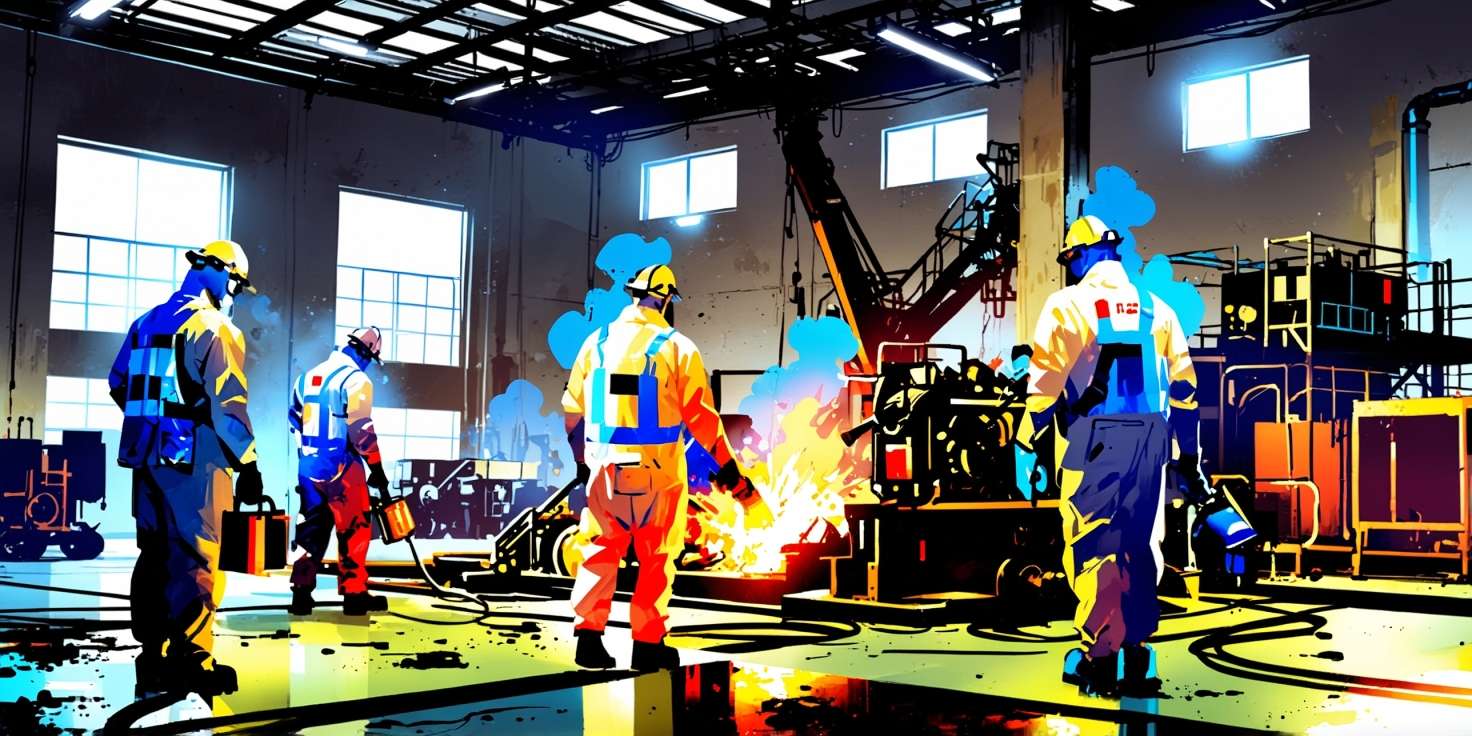
When fire strikes an industrial facility, the damage to equipment can be catastrophic. But how do you safely and efficiently handle fire damage cleanup for industrial equipment? At Projekt Property Restoration, we specialize in rapid, professional fire damage restoration that minimizes downtime and protects your investment. Our team is available 24/7 to respond to emergencies and restore your operations with precision and care.

Fire-damaged machinery requires expert handling to prevent further loss and ensure safe recovery. This article explores the critical steps in industrial equipment cleanup after a fire, from initial assessment to full restoration. We’ll also highlight how Projekt Property Restoration uses advanced tools and trained professionals to bring your facility back to life.

But that’s just the beginning—industry experts like Dr. John LeClair, a leading fire safety engineer, emphasize the importance of immediate action and specialized cleanup protocols. Want to know what makes the difference between a total loss and a successful recovery? Let’s dive into the essential strategies for restoring fire-damaged industrial equipment the right way.

Understanding Fire Damage in Industrial Settings

Industrial fires often stem from preventable issues. Electrical faults, such as overloaded circuits or faulty wiring, are frequent culprits. Flammable materials stored improperly can ignite quickly, especially near heat sources. Overheating machinery also poses a serious risk, particularly when maintenance is neglected.

Once a fire breaks out, the damage to equipment can be extensive. Thermal exposure can warp metal, melt components, and destroy sensitive electronics. Smoke and soot infiltrate machinery, leaving behind corrosive residues. Over time, these contaminants degrade performance and shorten equipment lifespan. Corrosion, especially when combined with moisture, accelerates wear and leads to costly repairs.

The consequences go beyond physical damage. Operations may halt immediately, causing production delays and financial losses. Safety becomes a major concern, as compromised equipment can endanger workers. Long-term, businesses may face regulatory penalties or insurance complications.

To minimize risks, proactive planning and fast response are essential. Learn more about our services designed to restore industrial environments efficiently. For a deeper look into our commitment, visit our mission page.

Assessing the Extent of Fire Damage

Begin by securing the area to ensure safety before any inspection. Next, document all visible damage with photos and notes. Check for charred surfaces, melted components, and soot accumulation. Don’t overlook internal systems—inspect wiring, control panels, and circuit boards for heat exposure or corrosion.

Use thermal imaging and moisture meters to detect hidden damage. These tools help identify compromised insulation, warped metal, or internal corrosion. Evaluate the structural integrity of frames, mounts, and enclosures. Even minor warping can signal deeper issues.

Involve certified fire damage restoration professionals early. Their expertise ensures accurate assessments and prevents costly oversights. Additionally, consult engineers to evaluate critical systems and machinery performance post-fire.

For comprehensive support, explore our services tailored to industrial recovery. Our team follows strict protocols to restore safety and functionality. You can also learn more about our process by visiting how it works.

Timely and thorough assessment is essential. It lays the foundation for effective cleanup and long-term recovery.

Safety Precautions Before Cleanup

Before starting any fire damage cleanup, disconnect all power sources to prevent electrical hazards. Always wear appropriate personal protective equipment, including gloves, goggles, and respirators. These items shield you from toxic residues and airborne particles. Ensure the area is structurally sound before entry. Fire can weaken floors, walls, and ceilings, increasing the risk of collapse.

Use professional assessments to verify the building’s integrity. Ventilation is critical. Open windows and use industrial fans to disperse lingering smoke and fumes. Monitor air quality continuously to detect harmful gases like carbon monoxide. Without proper airflow, contaminants can linger and pose serious health risks.

Avoid working alone. Always have a partner or team on-site for safety and support. Keep a fire extinguisher nearby in case of flare-ups. For more details on our approach, visit our services page. You can also explore our mission to understand our commitment to safety and restoration excellence. Taking these precautions ensures a safer, more efficient cleanup process.

Developing a Fire Damage Cleanup Plan

A successful cleanup plan begins with a detailed assessment of the fire’s impact on equipment and infrastructure. Categorize damage by severity and prioritize critical systems. Assign specific tasks to trained personnel and define clear timelines for each phase. Allocate resources efficiently, ensuring access to specialized tools and safety gear.

Coordinate closely with your insurance provider and certified restoration experts. Early communication helps streamline claims and avoid delays. Keep all receipts, reports, and photographs organized for documentation. This step is vital for both insurance and regulatory compliance.

Establish checkpoints to monitor progress and adjust the plan as needed. Include contingency measures for unexpected setbacks. Maintain open communication among all teams to ensure smooth execution.

Use digital logs to track repairs, replacements, and inspections. This not only supports compliance but also simplifies future audits. For more insight into our process, visit our how-it-works page. You can also explore our full range of services to support your recovery efforts.

Cleaning and Decontaminating Industrial Equipment

Begin by disconnecting all power sources to ensure safety. Use HEPA vacuums to remove loose soot and debris from surfaces. Apply a degreasing agent suitable for metal to clean machinery frames and components. For plastic parts, use non-abrasive cleaners to prevent surface damage. Electronics require specialized care—use isopropyl alcohol and lint-free cloths to gently wipe circuit boards.

Dry ice blasting is effective for removing soot without damaging sensitive surfaces. It leaves no residue and reduces downtime. Ultrasonic cleaning works well for small, intricate parts. Submerge items in a cleaning solution and use high-frequency sound waves to dislodge contaminants. For heavy chemical residues, solvent-based methods are ideal. Always test solvents on a small area first.

Use nylon brushes for scrubbing and microfiber cloths for drying. Avoid using water on electronics. After cleaning, inspect all equipment for corrosion or lingering residue. If unsure, consult professionals for thorough restoration services. For more insights, visit our blog to explore advanced techniques and safety tips.

Repairing and Restoring Damaged Equipment

After a fire, assessing whether equipment is salvageable is the first critical step. Evaluate the extent of heat, smoke, and soot damage. If structural integrity or core functionality is compromised, replacement may be more cost-effective. However, if damage is superficial or limited to replaceable parts, restoration is often viable.

Mechanical components require thorough cleaning to remove corrosive residues. Lubrication systems must be flushed and replenished. Bearings, seals, and belts should be inspected and replaced if degraded. For electrical systems, all wiring, circuit boards, and connectors must be tested for conductivity and insulation integrity. Damaged parts should be replaced with manufacturer-approved components.

Before returning equipment to service, recalibration is essential. Precision instruments must meet original specifications. Conduct performance testing under controlled conditions to ensure reliability. Certification from qualified technicians may be required, especially for regulated industries.

Partnering with experienced professionals ensures compliance and safety. Learn more about our services or explore our gallery to see successful restorations. Proper restoration not only saves money but also extends equipment lifespan.

Preventing Future Fire Damage

Minimizing fire risks in industrial environments starts with consistent equipment maintenance. Schedule routine checks to identify worn parts or faulty wiring. Install advanced fire suppression systems tailored to your facility’s needs. These systems can detect and extinguish fires before they spread.

Employee training is equally vital. Conduct regular fire safety drills and ensure every team member understands emergency procedures. Clear communication during a crisis can save lives and reduce damage. Develop a detailed emergency response plan and update it as operations evolve.

Routine inspections are non-negotiable. Review fire safety protocols quarterly to stay compliant with regulations and adapt to new risks. Keep fire extinguishers accessible and test alarms frequently.

Partnering with experts helps reinforce your fire prevention strategy. Learn more about our services designed to protect industrial assets. For insights into our values and approach, visit our mission page.

Proactive measures today can prevent costly disasters tomorrow. Stay vigilant, stay prepared.

Working with Insurance and Restoration Services

Start your insurance claim immediately after the fire. Document all damage with photos and detailed notes. Contact your insurance provider to report the incident and request a claims adjuster. Keep records of every conversation and email. Review your policy carefully to understand what’s covered and what’s excluded.

Restoration companies play a critical role in the recovery process. They assess damage, remove debris, and restore equipment. Choose a provider with industrial experience and proper certifications. Check reviews and ask for references before hiring. A reputable company will also help you navigate the claims process.

Negotiate your coverage confidently. Don’t accept the first offer if it doesn’t reflect your losses. Provide estimates from licensed professionals to support your claim. If needed, consult a public adjuster for guidance.

To learn more about our process, visit our how-it-works page. For additional support, explore our full range of services. Understanding your policy and working with the right team ensures a smoother recovery.

Regulatory Compliance and Environmental Considerations

Strict adherence to OSHA, EPA, and NFPA standards is essential during industrial fire damage cleanup. OSHA mandates proper handling of hazardous substances to protect worker safety. The EPA enforces regulations on air quality and waste disposal to prevent environmental contamination. Meanwhile, NFPA guidelines ensure fire hazards are minimized during restoration.

Proper disposal of hazardous materials is non-negotiable. Contaminated debris, chemicals, and soot must be sorted and transported to certified facilities. Failing to follow these protocols can lead to severe penalties and long-term environmental harm.

Post-fire, an environmental impact assessment is critical. It identifies soil, air, and water contamination that may not be visible. This step ensures that restoration efforts do not cause further ecological damage.

Partnering with experienced professionals helps maintain compliance and protect your facility. Learn more about our services designed for industrial recovery. For a deeper understanding of our commitment, visit our mission page.

Every step must align with federal and state regulations. This approach not only ensures safety but also supports long-term sustainability.

Frequently Asked Questions (FAQs)

After a fire, immediately shut off power and isolate damaged equipment. Avoid touching anything until professionals assess the scene. In many cases, fire-damaged machinery can be repaired, but replacement may be safer depending on the extent. Cleanup and restoration usually take several days to weeks, depending on the severity. Costs vary based on damage, equipment type, and required services.

Cleaning in-house may seem cost-effective, but it poses serious risks. Hiring certified professionals ensures safety and compliance. Always follow OSHA and EPA guidelines during cleanup to avoid legal issues. Most commercial property insurance policies cover fire damage, but review your plan for specific inclusions.

To prevent future incidents, install fire suppression systems and schedule regular equipment maintenance. For electronics exposed to smoke or soot, use specialized cleaning techniques to avoid further damage. Document everything with photos, videos, and written reports for insurance and legal purposes.

For more details, explore our FAQ section or visit our services page to learn how we can help.

How to Detect Water Damage Behind Drywall

Water damage behind drywall can be a silent but serious issue for homeowners and property managers alike. Often hidden from plain sight, this type of damage can lead to costly repairs, structural issues, and even mold growth if not detected early. Knowing how to detect water damage behind drywall is essential for maintaining the safety and integrity of your property. At Projekt Property Restoration, we specialize in identifying and addressing hidden water damage using advanced moisture detection tools and proven restoration techniques. Whether you’re dealing with a recent leak or suspect long-term water intrusion, our team of licensed professionals is here to help. With 24/7 emergency service, same-day response, and a commitment to quality, we ensure your property is restored quickly and efficiently. If you notice signs like discoloration, musty odors, or peeling paint, don’t wait—these could be early indicators of water damage behind your walls. Trust Projekt Property Restoration, “A Restoration Company That Gets Things Back to Normal,” to protect your home or business from further damage and restore your peace of mind.

Common Signs of Hidden Water Damage

Detecting water damage behind drywall can be challenging, especially when the signs are subtle or hidden. However, being aware of the early indicators can save homeowners from costly repairs and potential health hazards. Hidden water damage often develops slowly, making it essential to recognize the warning signs before the problem escalates. Understanding these signs can help you take timely action and prevent further deterioration of your property.

One of the most common indicators of hidden water damage is discoloration or staining on walls and ceilings. These stains often appear as yellow, brown, or copper-colored patches and may grow over time. They are typically caused by water seeping through the drywall, carrying minerals and other particles that leave behind visible marks. In some cases, the paint may bubble, peel, or crack, signaling that moisture is trapped behind the surface.

Another telltale sign is a musty or damp odor. This smell is often the result of mold or mildew growth, which thrives in moist environments. Even if you cannot see mold, its presence behind the drywall can produce a persistent, unpleasant scent. According to the Environmental Protection Agency (EPA), mold can begin to grow within 24 to 48 hours of water exposure, making it crucial to address any suspicious odors promptly.

Warped or buckling drywall is also a strong indicator of hidden water damage. When drywall absorbs moisture, it loses its structural integrity, leading to swelling, sagging, or warping. This deformation can be subtle at first but may worsen over time, especially if the source of the moisture is not addressed. In severe cases, the drywall may become soft to the touch or crumble when pressure is applied.

Unexplained increases in your water bill can also point to a hidden leak behind the walls. If your water usage habits have not changed but your bill has spiked, it may be due to a leaking pipe or fixture concealed within the wall. Regularly monitoring your water bill can help you detect such issues early.

Another sign to watch for is the presence of mold or mildew on surfaces near the affected area. While mold is often hidden behind the drywall, it can sometimes spread to visible areas, such as baseboards, corners, or even furniture. Mold not only damages your property but can also pose serious health risks, particularly for individuals with allergies or respiratory conditions. The Centers for Disease Control and Prevention (CDC) warns that exposure to mold can cause symptoms such as coughing, wheezing, and eye irritation.

In some cases, you may notice that the affected area feels cooler or damper than the surrounding surfaces. This temperature difference can be due to the evaporative cooling effect of moisture or the presence of a leak. Using an infrared thermometer or thermal imaging camera can help detect these temperature anomalies and pinpoint the source of the problem.

Additionally, peeling wallpaper or blistering paint can be a sign of moisture trapped behind the wall. As water seeps through the drywall, it can cause adhesives to weaken, leading to separation of the wallpaper or bubbling of the paint. These visual cues are often among the first signs homeowners notice.

If you hear unusual sounds such as dripping, hissing, or gurgling coming from behind the walls, it could indicate a hidden leak. These sounds may be more noticeable at night when the house is quiet. Listening carefully and identifying the source of the noise can help you locate the problem area.

“Water damage is the second most frequently filed insurance claim in the United States, accounting for nearly 24 percent of all homeowner insurance claims,” according to the Insurance Information Institute.

This statistic underscores the importance of early detection and proactive maintenance. Ignoring the signs of hidden water damage can lead to extensive repairs, decreased property value, and potential health hazards.

To help you identify hidden water damage more effectively, here are some common signs to look out for:

  1. Discoloration or staining on walls and ceilings
  2. Musty or damp odors
  3. Warped, sagging, or buckling drywall
  4. Unexplained spikes in water bills
  5. Visible mold or mildew growth
  6. Cool or damp spots on walls
  7. Peeling wallpaper or blistering paint
  8. Unusual sounds such as dripping or hissing

If you notice any of these signs, it is essential to take immediate action. Contacting a professional restoration company can help you assess the extent of the damage and determine the best course of action. At Projekt Restoration, we specialize in identifying and repairing hidden water damage, ensuring your home remains safe and structurally sound.

For more information on how we can help, visit our About page to learn about our team and expertise. You can also explore our blog for tips on preventing water damage and maintaining your property.

External resources such as the EPA’s guide on mold and moisture (https://www.epa.gov/mold/mold-guide) and the CDC’s mold information page (https://www.cdc.gov/mold/faqs.htm) provide valuable insights into the health risks associated with water damage and mold growth.

By staying vigilant and recognizing the early signs of hidden water damage, you can protect your home, health, and investment. Regular inspections, prompt repairs, and professional assistance are key to maintaining a safe and comfortable living environment.

Tools and Techniques for Identifying Moisture Behind Walls

Detecting moisture behind drywall requires a combination of advanced tools and proven techniques to ensure accurate identification and effective remediation. One of the most commonly used tools is a moisture meter, which comes in two types: pin-type and pinless. Pin-type meters penetrate the surface to measure moisture levels within the wall, while pinless meters use electromagnetic signals to detect moisture without damaging the surface. Both types are essential for determining the extent of water infiltration. Another valuable tool is an infrared thermal imaging camera. This device detects temperature variations in the wall, which can indicate the presence of moisture. Cooler areas often suggest dampness, as water absorbs heat differently than dry materials. Thermal imaging is particularly useful for scanning large areas quickly and identifying hidden leaks that are not visible to the naked eye.

In addition to these tools, professionals often use hygrometers to measure the humidity levels in the air. Elevated humidity in a specific area can be a sign of hidden water damage. Borescopes, or inspection cameras, are also employed to visually inspect the inside of walls through small drilled holes, allowing for a non-invasive look at potential problem areas. These tools, when used together, provide a comprehensive picture of the moisture situation behind drywall. For homeowners and property managers, understanding how these tools work can be crucial in early detection and prevention of further damage. If you suspect water damage, it’s advisable to consult with experts who specialize in water damage restoration to ensure a thorough assessment and proper remediation.

Moreover, professional restoration companies often follow a systematic approach that includes initial inspection, moisture mapping, and continuous monitoring to track drying progress. This process not only identifies the source of the moisture but also ensures that all affected areas are properly dried to prevent mold growth. For more information about the services offered and how they can help protect your property, visit the services page. By leveraging the right tools and techniques, you can effectively detect and address water damage behind drywall before it leads to more serious structural or health issues.

In conclusion, detecting water damage behind drywall early is crucial to preventing costly repairs and maintaining a healthy home environment. By staying alert to signs such as discoloration, musty odors, peeling paint, or warped walls, homeowners can catch potential issues before they escalate. Utilizing tools like moisture meters and infrared cameras can further aid in identifying hidden moisture. If you suspect water damage but are unsure of the extent, it’s always wise to consult a professional. Taking prompt action not only preserves the structural integrity of your home but also safeguards against mold growth and other health hazards. Stay proactive, and your walls—and your wallet—will thank you.

Mold Prevention in Multi-Level Commercial Units

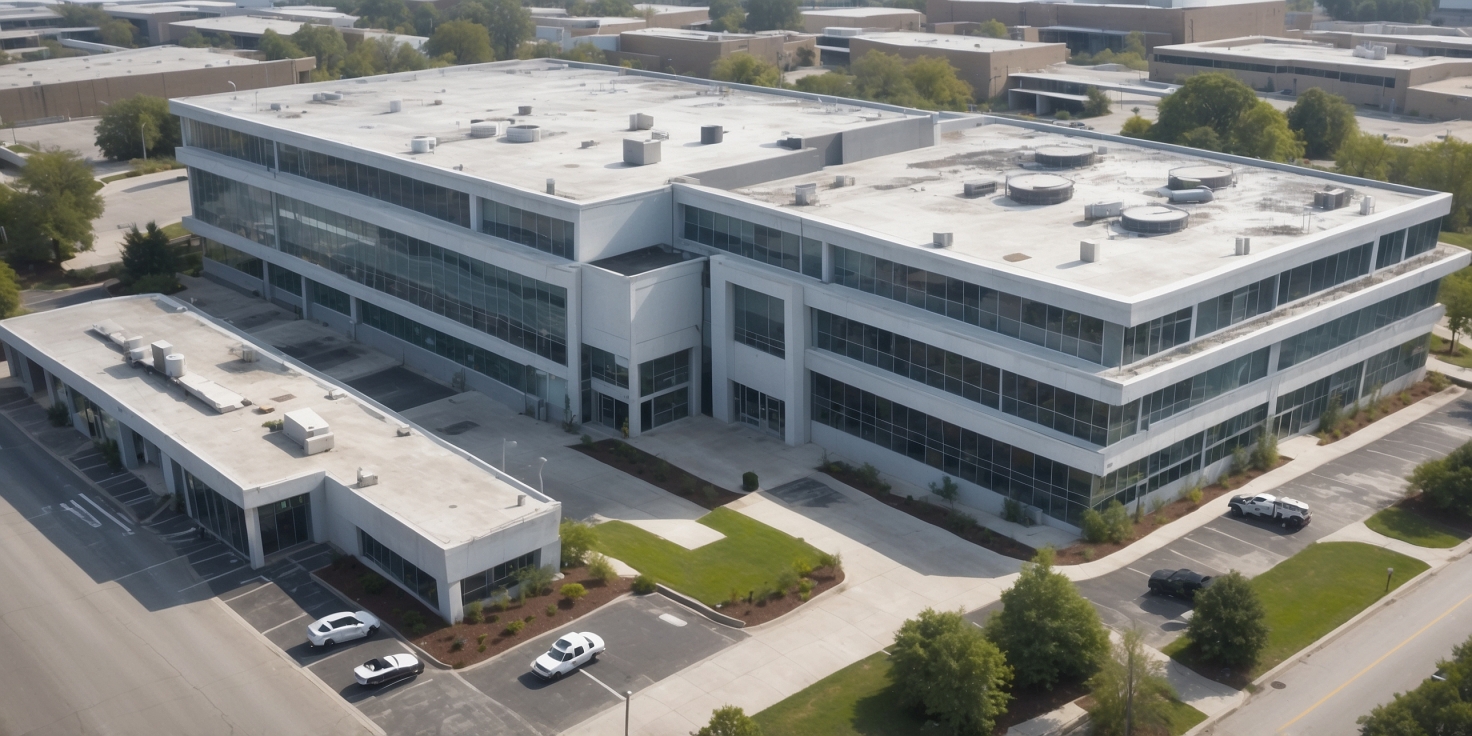
Mold Prevention in Multi-Level Commercial Units is more than just a maintenance task—it’s a critical investment in property health and tenant safety. Have you ever wondered how mold can silently spread across floors, walls, and HVAC systems in large commercial buildings? At Projekt Property Restoration, we specialize in mold remediation and understand the unique challenges multi-level structures face. With our fast, friendly, and professional service, we help business owners and property managers stop mold before it becomes a costly disaster.

Mold thrives in hidden spaces, especially where moisture lingers undetected. In this article, we’ll break down the key causes of mold in multi-level commercial units, the most effective prevention strategies, and the importance of regular inspections. You’ll also learn how experts like Projekt Property Restoration use advanced tools and techniques to safeguard your property.

But there’s more to mold prevention than just fixing leaks and running dehumidifiers. Industry leaders like Dr. Harriet Burge, a renowned environmental microbiologist, emphasize the importance of proactive air quality management in large buildings. So, let’s dive into the essential steps every commercial property owner should take to keep mold at bay and protect their investment.

Understanding Mold in Commercial Buildings

Mold is a type of fungus that thrives in damp, humid environments. In commercial buildings, common strains include black mold (Stachybotrys chartarum), aspergillus, and penicillium. These molds spread quickly when moisture meets organic materials like drywall, wood, or carpeting. Poor ventilation and hidden leaks often accelerate growth.

Multi-level commercial units face higher risks due to complex plumbing, HVAC systems, and limited airflow between floors. Mold can compromise indoor air quality, triggering allergies, asthma, and respiratory issues. Over time, it can weaken structural components, leading to costly repairs and potential liability.

According to the Environmental Protection Agency, over 50% of commercial buildings in the U.S. report water damage that can lead to mold. In one case, a 10-story office complex in California faced $2 million in remediation costs after mold was discovered behind wall panels.

Preventing mold starts with early detection and moisture control. Regular inspections and prompt repairs are essential. Learn more about our services to protect your property. For expert help, explore our mold remediation solutions tailored to commercial spaces.

Common Causes of Mold in Multi-Level Commercial Units

Moisture intrusion is the leading cause of mold in multi-level commercial properties. Leaky roofs often allow water to seep through ceilings and walls. Faulty HVAC systems can also trap humidity, creating ideal conditions for mold spores. Additionally, plumbing issues like burst pipes or slow leaks behind walls often go unnoticed until mold appears.

Poor ventilation worsens the problem. Without proper airflow, moisture lingers and settles into porous materials. Inadequate insulation further contributes by allowing condensation to form on cold surfaces, especially in basements and attics.

Flaws in building design can accelerate mold growth. For instance, flat roofs without proper drainage or poorly sealed windows often lead to water accumulation. Construction shortcuts, such as using low-quality materials or skipping vapor barriers, also increase vulnerability.

Tenant behavior plays a role too. Blocking air vents, overwatering indoor plants, or failing to report leaks can all trigger mold issues. Even drying clothes indoors without ventilation adds excess moisture.

To prevent mold, regular inspections and prompt repairs are essential. Learn more about our services or explore our expert mold remediation solutions for lasting protection.

High-Risk Areas for Mold Growth in Multi-Level Units

Basements often trap moisture due to poor ventilation and limited sunlight. This creates an ideal breeding ground for mold. Bathrooms also rank high because of constant humidity from showers and sinks. Without proper airflow, condensation builds up quickly. Kitchens face similar risks, especially around sinks, dishwashers, and under cabinets where leaks go unnoticed.

HVAC systems can spread mold spores throughout the building. Dust and moisture inside ducts provide a perfect environment for growth. Ceiling tiles absorb moisture from roof leaks or pipe condensation, making them another hotspot. Storage rooms, especially those with cardboard boxes or fabric, retain dampness and lack airflow.

Look for discoloration, musty odors, or peeling paint during inspections. Pay close attention to corners, behind appliances, and under sinks. Use tools like moisture meters to detect hidden dampness. Thermal imaging cameras can reveal temperature differences that indicate water intrusion.

For expert help, explore our services or learn more about mold remediation. Early detection and action are key to preventing costly damage.

Mold Prevention Strategies During Construction and Renovation

Using mold-resistant materials during construction is a critical first step. Products like mold-resistant drywall, insulation, and specialty paints significantly reduce the risk of future infestations. These materials are designed to withstand moisture and inhibit fungal growth.

Architectural design also plays a vital role. Proper roof slopes and well-planned drainage systems help divert water away from the structure. This prevents moisture accumulation in walls, ceilings, and foundations.

Contractors and architects must collaborate closely. They should inspect all building materials for moisture before installation. Ventilation systems must be integrated early in the design phase to ensure adequate airflow.

Waterproofing is non-negotiable. Apply high-quality sealants around windows, doors, and foundation joints. Use vapor barriers in crawl spaces and basements to block moisture intrusion.

Regular site inspections during construction help catch issues early. Educate teams on mold risks and enforce strict moisture control protocols. For more expert guidance, explore our services or visit our about page.

Implementing these strategies from the ground up ensures long-term protection. Mold prevention starts with smart planning and ends with meticulous execution.

Ongoing Maintenance Practices to Prevent Mold

Establish a monthly inspection routine for all floors and utility areas. Focus on ceilings, walls, HVAC units, and plumbing lines. Look for discoloration, musty odors, or condensation buildup. These are early signs of mold growth.

Maintain HVAC systems quarterly. Replace filters, clean ducts, and inspect for leaks or excess moisture. Ensure all components stay dry and well-ventilated. A clean system reduces humidity and prevents mold spores from circulating.

Use a detailed checklist for cleaning and moisture control. Include wiping down surfaces, checking dehumidifiers, and inspecting window seals. Monitor humidity levels regularly and keep them below 60%.

Building management must enforce these protocols consistently. Assign responsibilities, track maintenance logs, and schedule professional inspections. This proactive approach ensures accountability and long-term mold prevention.

For more on how we support property managers, visit our services page. Learn how to detect hidden moisture early by reading our guide on how to identify hidden water damage.

Moisture Control and Humidity Management

Maintaining optimal indoor humidity between 30% and 50% is essential for preventing mold in commercial spaces. Use commercial-grade dehumidifiers to regulate moisture, especially in basements and storage areas. High-capacity units with automatic sensors offer consistent performance and energy efficiency.

Ventilation plays a key role. Install mechanical ventilation systems in restrooms, kitchens, and HVAC systems to ensure proper airflow. Smart building technology can automate these systems, adjusting settings based on real-time humidity data. Wireless sensors placed throughout the building help monitor levels and alert you to potential issues.

Seasonal changes demand proactive strategies. During humid summers, increase air circulation and use air conditioning to reduce moisture. In winter, avoid over-humidifying indoor air, especially when using heaters. Regular maintenance of HVAC systems also supports balanced humidity.

For more insights, explore our blog or learn about our specialized mold remediation services. Staying ahead of moisture issues protects your property and ensures a healthier environment for occupants.

Tenant Education and Policy Implementation

Clear communication with tenants is essential for effective mold prevention. Provide them with easy-to-understand guides on spotting early signs of mold. Encourage prompt reporting of leaks, condensation, or musty odors. During move-in, conduct a walkthrough to highlight moisture-prone areas and proper ventilation practices.

Establish policies that require tenants to use exhaust fans in bathrooms and kitchens. Include expectations for regular cleaning and immediate reporting of plumbing issues. Reinforce these responsibilities through visible reminders in shared spaces.

Incorporate mold-related clauses into lease agreements. For example: “Tenant agrees to maintain adequate ventilation and report any signs of water intrusion within 24 hours.” Addendums should outline procedures for inspections and remediation access.

Address complaints swiftly to avoid escalation. Document all reports and responses. Offer professional inspections when disputes arise. Maintain transparency to build trust and cooperation.

For more guidance, explore our FAQ section or learn about our expert mold remediation services. Proactive tenant education and clear policies reduce risks and protect property value.

Mold Remediation Protocols and Legal Considerations

When mold is detected, immediate action is crucial. Start with a thorough inspection to assess the extent of contamination. Next, isolate the affected area to prevent spores from spreading. Use negative air pressure and seal off vents and doorways. After containment, proceed with safe and complete mold removal using EPA-approved methods.

Hire certified professionals when mold covers over 10 square feet or involves HVAC systems. Experts ensure proper handling, disposal, and restoration. They also help identify the source of moisture to prevent recurrence.

Property owners and managers must act swiftly to protect tenant health. Delays can lead to legal liability and costly lawsuits. Local laws often require prompt remediation and tenant notification. Failure to comply may result in fines or forced closures.

Stay updated with local health codes and safety standards. Regular inspections and maintenance reduce risks and ensure compliance. For more guidance, explore our services or visit our FAQ page.

Protect your investment and reputation by following proper protocols. Mold issues demand urgency, expertise, and legal awareness.

Technology and Innovations in Mold Prevention

Modern commercial buildings are embracing smart systems to combat mold before it starts. These systems track indoor humidity and air quality in real time. When levels spike, alerts prompt immediate action, reducing the risk of mold.

IoT sensors play a critical role in early detection. They monitor moisture in walls, ceilings, and HVAC systems. This data helps facility managers respond quickly, preventing costly damage.

Innovative materials are also changing the game. Mold-resistant drywall, antimicrobial coatings, and advanced sealants now offer long-term protection. These upgrades are especially effective in high-risk zones like basements and restrooms.

Several commercial units have already seen success. For example, a multi-level office in Los Angeles integrated IoT sensors and smart ventilation. Within months, they reported a 40% drop in moisture-related issues.

To explore how technology can protect your property, visit our services page. You can also learn more about our approach to mold remediation. Staying proactive with the right tools ensures a healthier, safer environment for everyone.

Frequently Asked Questions (FAQs)

Mold often starts with musty odors, discolored walls, or persistent moisture. These early signs demand immediate attention. Commercial buildings should undergo mold inspections at least twice a year. Ignoring mold can significantly reduce a property’s market value. It also poses serious health risks like respiratory issues, skin irritation, and allergic reactions.

In leased spaces, landlords and tenants share responsibility based on lease terms. Mold remediation usually takes 1 to 5 days, depending on the severity. Some insurance policies cover mold damage, but coverage varies. Always review your policy details carefully.

Choose a remediation company with IICRC certification and proven experience. Before calling a professional, use a mold test kit for preliminary detection. However, DIY tests are not always reliable. Professional help ensures accurate results and safe removal.

Costs for mold prevention and remediation range from $500 to over $10,000. Factors include property size, damage extent, and required services. For more details, visit our services page or explore our mold remediation solutions. Staying proactive helps protect your property and health.

How to Handle Fire Damage in Parking Structures

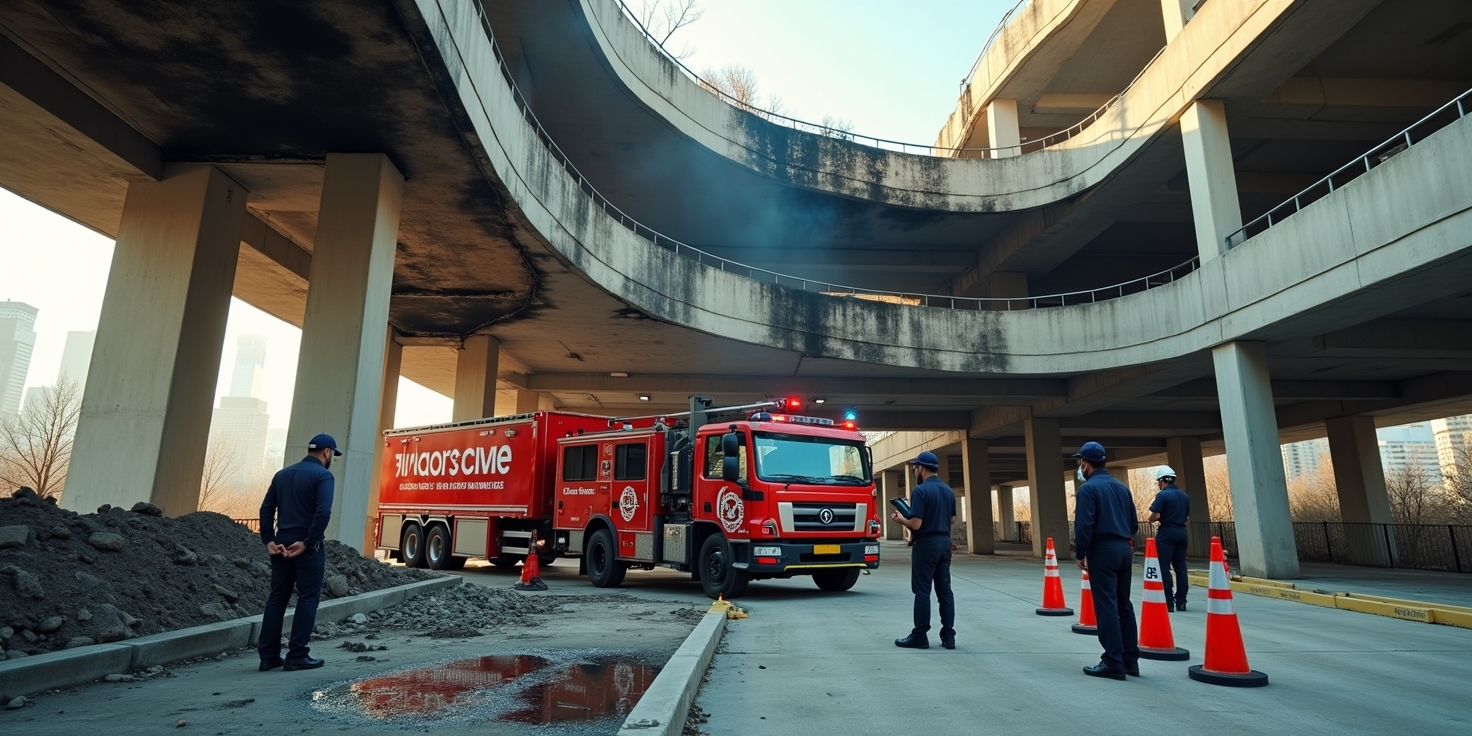
Experiencing fire damage in parking structures can be overwhelming and hazardous, especially when it threatens the safety of vehicles, infrastructure, and public access. Understanding how to handle fire damage in parking structures is essential for property managers, building owners, and emergency response teams. At COMMITTED TO QUALITY SERVICE, we specialize in fast, friendly, and professional fire damage restoration, ensuring your structure is safe, secure, and fully functional as quickly as possible. With our expert team and advanced equipment, we mitigate fire-affected areas efficiently, preventing further structural damage and reducing downtime. Whether you’re dealing with smoke damage, structural weakening, or soot contamination, our comprehensive fire damage services are designed to restore your property with minimal disruption. Call us now at 855-933-7935 for immediate assistance and expert support in fire damage restoration for parking garages and commercial structures.

Understanding the Risks of Fire in Parking Structures

Parking structures, often perceived as low-risk environments, are in fact susceptible to a range of fire hazards that can result in significant damage, financial loss, and safety concerns. Understanding the risks associated with fire in these facilities is essential for property owners, facility managers, and emergency responders. Fires in parking structures can be caused by a variety of factors, including vehicle malfunctions, electrical faults, arson, and the improper storage of flammable materials. These risks are compounded by the unique architectural and operational characteristics of parking garages, such as limited ventilation, high vehicle density, and often minimal human presence during off-peak hours.

One of the primary causes of fire in parking structures is vehicle-related incidents. According to the National Fire Protection Association (NFPA), an estimated 16 percent of structure fires in parking garages are caused by vehicles themselves. These fires can result from fuel leaks, electrical system failures, or overheating engines. Once ignited, a vehicle fire can quickly spread to adjacent vehicles and structural components, especially in tightly packed garages. The presence of combustible materials such as tires, upholstery, and fuel further accelerates the spread of fire.

Electrical systems within parking structures also pose a significant fire risk. Faulty wiring, overloaded circuits, and malfunctioning lighting systems can all serve as ignition sources. In older parking facilities, outdated electrical infrastructure may not meet current safety codes, increasing the likelihood of electrical fires. Regular maintenance and inspections are crucial to identifying and mitigating these risks before they result in a fire.

Another contributing factor is the storage of flammable materials. Some parking structures, particularly those attached to commercial or residential buildings, may be used to store cleaning supplies, maintenance equipment, or even construction materials. If these items are not stored properly, they can become a fire hazard. Additionally, the presence of trash or debris, especially in poorly maintained garages, can provide fuel for a fire and hinder evacuation efforts.

Arson is another risk that cannot be overlooked. Parking structures, especially those with limited surveillance or security, can be attractive targets for intentional fires. The open design and multiple access points of many garages make it easier for individuals to enter undetected. Implementing security measures such as surveillance cameras, controlled access points, and regular patrols can help deter such activities.

The design and layout of parking structures also influence fire risk and response. Many garages are constructed with concrete, which is fire-resistant, but not fireproof. Prolonged exposure to high temperatures can compromise the structural integrity of concrete, leading to spalling or even collapse. Additionally, the open-air design of many parking structures can create wind tunnels that exacerbate the spread of fire and smoke. Limited visibility, narrow lanes, and low ceilings can also hinder firefighting efforts and evacuation procedures.

"The unique design and usage patterns of parking structures make fire detection and suppression more challenging compared to other types of buildings," notes a report by the NFPA.

Early detection is critical in minimizing fire damage in parking structures. However, many garages lack comprehensive fire detection systems. Smoke detectors and fire alarms may not be installed in open-air garages due to environmental factors such as dust, humidity, and temperature fluctuations, which can cause false alarms. As a result, fires may go undetected until they have grown significantly, making them harder to control.

Sprinkler systems, while effective in many building types, are not always present in parking structures. According to the NFPA, only 24 percent of parking garage fires occur in facilities equipped with sprinklers. The absence of automatic fire suppression systems can lead to more extensive damage and increased risk to human life. Installing and maintaining these systems can significantly reduce the impact of a fire.

The human factor also plays a role in fire risk. Drivers may leave engines running, improperly dispose of cigarettes, or perform unauthorized repairs within the garage. These actions can inadvertently start fires. Educating users about fire safety and enforcing strict usage policies can help mitigate these risks.

To illustrate the real-world impact of parking structure fires, consider the following examples:

  1. In 2018, a massive fire at a multi-story parking garage in Liverpool, UK, destroyed more than 1,400 vehicles. The fire was believed to have started in a single vehicle and quickly spread due to the lack of sprinklers and the high density of cars.
  2. In 2021, a fire in a parking structure at Newark Liberty International Airport in New Jersey led to the evacuation of the facility and significant delays. The fire was traced to an electrical fault in a parked vehicle.
  3. In 2023, a parking garage in Los Angeles experienced a fire that caused structural damage and required extensive repairs. Investigators found that improperly stored flammable materials contributed to the rapid spread of the fire.

These incidents underscore the importance of proactive fire risk management in parking structures. Property owners and managers must prioritize regular inspections, maintenance, and upgrades to fire detection and suppression systems. Collaboration with local fire departments can also enhance preparedness and response capabilities.

For those seeking professional assistance in assessing and mitigating fire risks, companies like Projekt Restoration offer comprehensive services tailored to the unique needs of parking structures. Their expertise in fire damage restoration, combined with a deep understanding of building codes and safety standards, ensures that facilities are not only restored after a fire but also better protected against future incidents.

Additionally, understanding the broader context of building safety and restoration can be beneficial. Learn more about Projekt Restoration’s commitment to excellence by visiting their our mission page. This resource provides insight into the company’s values and approach to disaster recovery.

For further reading and resources on fire safety in parking structures, consider the following:

  1. National Fire Protection Association (NFPA) – Offers guidelines and statistics on fire safety in various building types.
  2. U.S. Fire Administration (USFA) – Provides educational materials and data on fire incidents across the country.
  3. Occupational Safety and Health Administration (OSHA) – Contains regulations and best practices for workplace and facility safety.

In conclusion, while parking structures may not seem like high-risk environments, the reality is that they are vulnerable to a range of fire hazards. From vehicle malfunctions and electrical faults to arson and poor maintenance, the potential for fire is significant. By understanding these risks and taking proactive measures, property owners can protect their investments, ensure occupant safety, and minimize the impact of fire-related incidents.

Common Causes of Fires in Parking Garages

Parking garages, while essential for urban infrastructure, can be surprisingly vulnerable to fire hazards due to a variety of contributing factors. One of the most common causes of fires in parking structures is vehicle-related issues. Cars parked in these facilities may have mechanical problems such as fuel leaks, electrical malfunctions, or overheating engines. These issues can easily ignite a fire, especially when flammable fluids like gasoline or oil are involved. In some cases, fires start when a vehicle is left running or when a recently driven car with a hot engine comes into contact with combustible materials. Additionally, electric vehicles, though generally safe, can pose risks if their batteries are damaged or improperly charged, leading to thermal runaway and potential ignition.

Another significant cause of fires in parking garages is human negligence. Careless behavior such as improperly discarded cigarette butts, unauthorized use of open flames, or even small-scale vandalism can result in devastating consequences. In some instances, individuals may use parking garages for unauthorized activities, including makeshift repairs or storage of flammable materials, which significantly increases the risk of fire. Arson, though less common, is another human-related factor that cannot be overlooked. Whether intentional or accidental, these actions can quickly escalate in a confined space like a parking garage, where ventilation is limited and flammable substances are often present.

Electrical system failures within the parking structure itself also contribute to fire outbreaks. Faulty wiring, overloaded circuits, and outdated electrical panels can all become ignition sources. These issues are particularly dangerous in older parking facilities that may not have been updated to meet current safety codes. Lighting systems, security cameras, and electric vehicle charging stations all rely on electrical infrastructure that, if not properly maintained, can pose serious fire hazards. Regular inspections and upgrades are essential to mitigate these risks and ensure the safety of both vehicles and occupants.

The accumulation of combustible materials is another overlooked but critical factor. Trash, leaves, paper, and other debris can gather in corners or under vehicles, especially in open-air garages. These materials can easily catch fire from a small spark or heat source. In some cases, maintenance lapses allow these materials to build up over time, creating a highly flammable environment. Routine cleaning and proper waste disposal are essential preventive measures that can significantly reduce fire risks.

Environmental factors also play a role in parking garage fires. Extreme heat, especially during summer months, can exacerbate existing vulnerabilities. For instance, high temperatures can increase the volatility of fuel vapors or cause electrical components to overheat. In regions prone to wildfires, embers carried by wind can enter open parking structures and ignite flammable materials. Moreover, garages located in flood-prone areas may experience water damage that compromises electrical systems, indirectly increasing the risk of fire. Understanding how to identify and address these environmental threats is crucial for comprehensive fire prevention.

Mechanical equipment used within parking garages, such as elevators, ventilation systems, and automated parking systems, can also be sources of fire if not properly maintained. Malfunctions in these systems can generate heat or sparks that ignite nearby materials. For example, a malfunctioning ventilation fan could overheat and cause a fire, especially if it is surrounded by dust or debris. Regular maintenance and adherence to safety standards are vital to ensure that these systems do not become fire hazards themselves.

In some cases, fires in parking garages are the result of construction or renovation activities. Welding, cutting, or grinding operations can produce sparks that ignite flammable materials if proper precautions are not taken. Contractors may also store hazardous materials on-site, increasing the risk of accidental ignition. It is essential that all construction activities in parking structures follow strict fire safety protocols, including the use of fire-resistant barriers and proper ventilation.

The design and layout of a parking garage can also influence fire risk. Poor ventilation can allow smoke and heat to accumulate rapidly, making it difficult for occupants to evacuate and for emergency responders to access the site. Narrow driveways, low ceilings, and limited exits can all hinder firefighting efforts. Incorporating fire-resistant materials, adequate ventilation, and clearly marked escape routes into the design of parking structures can significantly enhance fire safety.

Preventive measures such as installing fire detection and suppression systems are critical in mitigating the risk of fires in parking garages. Smoke detectors, heat sensors, and sprinkler systems can provide early warnings and help control fires before they spread. However, these systems must be regularly tested and maintained to ensure they function correctly in an emergency. In addition, staff and security personnel should be trained in fire response protocols to act swiftly and effectively when a fire is detected.

Understanding the common causes of fires in parking garages is the first step toward effective prevention and response. Property managers and building owners should conduct regular risk assessments and implement comprehensive fire safety plans tailored to the specific needs of their facilities. Partnering with professional restoration and safety service providers can also be beneficial. For more information about our specialized services, visit our services page. You can also learn more about our company and values by exploring our about section.

By addressing the root causes of fire hazards—ranging from vehicle issues and human negligence to electrical failures and environmental factors—parking garage owners can significantly reduce the risk of fire damage. Taking proactive steps not only protects property and vehicles but also ensures the safety of individuals who use these facilities daily.

Initial Safety Measures After a Fire Incident

After a fire incident in a parking structure, the first and most critical step is to ensure the safety of everyone involved. Fire damage can compromise the structural integrity of the building, create hazardous air quality, and leave behind dangerous debris. Therefore, before any cleanup or restoration efforts begin, it is essential to secure the area and assess potential risks. Emergency responders and fire officials should be the first to access the site to extinguish any remaining flames and determine if the structure is safe to enter. Once the fire is fully contained, a thorough inspection should be conducted to evaluate the extent of the damage. This includes checking for weakened support beams, exposed electrical wiring, and any signs of chemical residue from burned vehicles or building materials. If the parking structure is part of a larger facility, it is important to isolate the affected area to prevent unauthorized access and further injury.

Proper ventilation is another key safety measure following a fire. Smoke and soot particles can linger in the air, posing respiratory hazards to anyone nearby. Ventilating the area helps to clear out toxic fumes and improve air quality, making it safer for inspection teams and restoration professionals to work. Personal protective equipment such as masks, gloves, and hard hats should be worn by anyone entering the site. In addition, fire damage can often lead to water accumulation due to firefighting efforts, which introduces the risk of slip hazards and mold growth. Addressing these issues promptly is crucial to prevent secondary damage. For more information on how water can affect fire-damaged structures, you can explore our detailed guide on water damage.

Another important step is to document the damage thoroughly. Taking photographs and detailed notes of the affected areas will be invaluable for insurance claims and for planning the restoration process. This documentation should include images of structural damage, damaged vehicles, and any compromised safety systems such as fire alarms or sprinkler systems. It is also advisable to consult with a professional restoration company that specializes in fire damage. These experts can provide a comprehensive assessment and recommend the best course of action for cleanup and repair. Learn more about our specialized fire damage services and how we can help restore your property safely and efficiently.

Communication is another critical component of initial safety measures. Property managers or building owners should notify all relevant parties, including tenants, employees, and local authorities, about the incident and the steps being taken to ensure safety. Clear signage should be posted around the affected area to warn of potential hazards and restrict access. If the parking structure serves a commercial or residential building, alternative parking arrangements should be made to minimize disruption for users.

In some cases, fire damage may reveal underlying issues such as poor maintenance or outdated safety systems. This presents an opportunity to review and upgrade fire prevention measures, including installing modern fire suppression systems, improving emergency lighting, and conducting regular safety drills. For those interested in understanding how our restoration process works from start to finish, visit our page on how it works.

Ultimately, the goal of these initial safety measures is to create a secure environment that allows for a smooth and effective restoration process. By prioritizing safety, property owners can mitigate further damage, protect the health of all involved, and set the stage for a successful recovery.

Assessing the Structural Integrity Post-Fire

After a fire incident in a parking structure, one of the most critical steps in the recovery process is evaluating the structural integrity of the facility. Fires can cause significant damage not only to the visible surfaces but also to the underlying structural components that support the entire building. The intense heat generated during a fire can weaken concrete, warp steel reinforcements, and compromise load-bearing elements, making a thorough post-fire assessment essential for safety and future usability. This evaluation must be conducted by qualified structural engineers who understand the complexities of fire damage and can identify both obvious and hidden issues.

The first phase of the assessment typically involves a visual inspection to identify apparent signs of damage such as spalling concrete, exposed or deformed rebar, and discoloration of materials. These indicators often suggest deeper structural issues that require further investigation. Engineers may use non-destructive testing methods such as ground-penetrating radar, ultrasonic pulse velocity, or infrared thermography to assess the internal condition of concrete and steel components without causing additional harm. These advanced techniques help determine the extent of heat penetration and the potential loss of structural capacity.

In addition to physical damage, the chemical composition of materials can also be altered by fire. For example, concrete exposed to high temperatures may undergo a process called calcination, which reduces its strength and durability. Similarly, steel can lose its load-bearing capacity when exposed to temperatures above 1100 degrees Fahrenheit. Understanding these material changes is crucial for determining whether components can be repaired or must be replaced entirely. In many cases, samples may be taken for laboratory analysis to provide a more accurate assessment of the damage.

Another important aspect of the evaluation is checking for water damage that may have occurred during firefighting efforts. Excessive water can seep into cracks and joints, potentially leading to corrosion of steel reinforcements and long-term deterioration. Moisture trapped within the structure can also create an environment conducive to mold growth, which poses additional health and safety risks. For more information on how water can impact structural integrity, visit our detailed guide on how to identify hidden water damage early.

Once the assessment is complete, a comprehensive report is generated outlining the findings, recommended repairs, and any necessary safety precautions. This report serves as a roadmap for the restoration process and helps property owners make informed decisions about the future of the parking structure. In some cases, temporary shoring or bracing may be required to prevent further collapse or damage while repairs are being planned and executed.

It is also essential to consider the building codes and regulations that apply to fire-damaged structures. Local authorities may require specific inspections and certifications before the facility can be reopened to the public. Working with a professional restoration company that understands these requirements ensures compliance and speeds up the recovery process. At Projekt Restoration, we offer a full range of services designed to address every aspect of fire damage, from initial assessment to complete restoration.

In addition to structural concerns, fire damage can also affect the functionality and safety systems within a parking structure. Electrical wiring, lighting, ventilation systems, and fire suppression equipment may all need to be inspected and tested to ensure they are still operational. These systems are critical for the safe operation of the facility and must be restored or replaced as part of the overall recovery plan.

Engaging with experienced professionals who specialize in fire damage restoration is key to ensuring a thorough and accurate assessment. Our team at Projekt Restoration is committed to helping property owners navigate the complexities of post-fire recovery. Learn more about our mission and values by visiting our our mission page.

In conclusion, assessing the structural integrity of a parking structure after a fire is a multifaceted process that requires expertise, precision, and a deep understanding of building materials and fire behavior. By conducting a detailed evaluation and addressing all areas of concern, property owners can ensure the safety, stability, and longevity of their structures. Taking prompt and informed action not only mitigates further risks but also lays the foundation for a successful restoration and return to normal operations.

Engaging Professional Fire Damage Inspectors

When dealing with fire damage in parking structures, one of the most critical steps in the recovery process is bringing in experienced professionals to conduct a thorough inspection. Fire damage in these structures can be complex, often affecting not only the visible surfaces but also the underlying structural integrity, electrical systems, and ventilation. Professional fire damage inspectors are trained to identify both obvious and hidden damage, ensuring that no aspect of the structure’s safety is overlooked. These experts use specialized tools and techniques to assess the extent of the damage, including thermal imaging to detect heat pockets and moisture meters to identify water damage from firefighting efforts. Their evaluation is essential for determining whether the structure is safe for continued use or if repairs and reinforcements are necessary.

Hiring certified inspectors also ensures compliance with local building codes and safety regulations. Parking structures are subject to strict standards due to their high traffic and load-bearing requirements. A professional inspection helps property owners avoid potential legal liabilities and costly fines by ensuring that all repairs meet regulatory standards. Moreover, these inspectors often work closely with insurance companies, providing detailed reports and documentation that can streamline the claims process. This collaboration can significantly reduce the time and stress involved in securing financial assistance for repairs.

In addition to assessing the damage, professional inspectors can offer valuable guidance on the next steps in the restoration process. They can recommend trusted contractors, outline a realistic timeline for repairs, and help prioritize tasks based on urgency and budget. This level of expertise is particularly important in parking structures, where even minor oversights can lead to significant safety hazards or future maintenance issues. By engaging professionals early in the process, property owners can make informed decisions that protect both their investment and the safety of those who use the facility.

Furthermore, working with a reputable restoration company that offers comprehensive inspection and repair services can simplify the entire recovery process. Companies like Projekt Restoration provide a full range of solutions tailored to fire damage scenarios. Their team of experts is equipped to handle everything from initial assessments to complete structural restoration. To learn more about their approach and values, you can visit their our mission page. Additionally, their services page outlines the various restoration options available, ensuring that property owners can find the support they need at every stage of the recovery process.

Ultimately, engaging professional fire damage inspectors is not just a recommended step—it is a necessary one. Their expertise ensures that all damage is accurately identified, safety standards are upheld, and the restoration process proceeds efficiently and effectively. Whether the fire damage is minor or extensive, having the right professionals on your side can make all the difference in restoring a parking structure to its original condition and ensuring it remains safe for public use.

Cleaning Up Smoke and Soot Residue

After a fire incident in a parking structure, one of the most challenging and essential tasks is the thorough removal of smoke and soot residue. These byproducts of combustion can cling to virtually every surface, including concrete walls, ceilings, support beams, and ventilation systems. If not properly addressed, smoke and soot can cause long-term damage, compromise air quality, and pose serious health risks to anyone using the facility. The acidic nature of soot can corrode metal fixtures, deteriorate concrete, and stain surfaces permanently. Therefore, a comprehensive cleanup process is critical to restoring the structural integrity and safety of the parking facility.

The first step in cleaning up smoke and soot residue involves a detailed assessment of the affected areas. This includes identifying the extent of the damage, the types of materials impacted, and the best cleaning methods for each surface. Professional fire damage restoration teams use specialized equipment such as HEPA vacuums, air scrubbers, and thermal foggers to remove fine soot particles from the air and surfaces. These tools are essential for eliminating microscopic contaminants that standard cleaning methods might miss. In addition, industrial-grade cleaning agents are used to break down and lift soot from porous and non-porous materials without causing further damage.

Ventilation systems in parking structures often suffer from smoke infiltration, which can spread contaminants throughout the facility. Cleaning these systems is vital to prevent the recirculation of harmful particles. Technicians may need to disassemble parts of the HVAC system to ensure a deep clean. In some cases, ductwork may require sealing or replacement if the damage is extensive. Odor removal is another critical aspect of the cleanup process. Smoke odors can linger long after visible soot is gone. Techniques such as ozone treatment and hydroxyl generators are commonly used to neutralize these persistent smells, ensuring the environment is safe and odor-free.

It is also important to consider the environmental and health implications of soot and smoke residue. These substances can contain toxic chemicals, including carbon monoxide, formaldehyde, and volatile organic compounds. Exposure to these contaminants can lead to respiratory issues, skin irritation, and other health problems. For this reason, personal protective equipment (PPE) is essential for anyone involved in the cleanup process. Property owners should avoid attempting to clean smoke and soot damage themselves and instead rely on certified professionals who understand the complexities of fire damage restoration.

In addition to cleaning, documentation of the damage and cleanup efforts is crucial for insurance claims and future maintenance planning. Restoration experts often take photographs, record the types of materials used, and provide detailed reports outlining the steps taken during the restoration process. This documentation can be invaluable when working with insurance adjusters or planning future upgrades to improve fire resistance in the structure.

Choosing a reliable restoration company is key to ensuring a successful cleanup. Look for professionals with experience in commercial fire damage restoration, particularly in large-scale structures like parking garages. Companies that offer a full range of services, from initial assessment to final restoration, can streamline the process and reduce downtime. For more information about professional restoration services, visit our services page. You can also learn more about our team and expertise by visiting the about section of our website.

Ultimately, cleaning up smoke and soot residue in a parking structure requires a strategic, methodical approach guided by industry best practices. It is not just about aesthetics but about restoring safety, functionality, and peace of mind for property owners and users. By addressing all aspects of smoke and soot contamination, from surface cleaning to air purification, you can ensure a thorough recovery from fire damage and help prevent future complications.

Dealing with Water Damage from Firefighting Efforts

When a fire breaks out in a parking structure, the immediate concern is extinguishing the flames to prevent further destruction and ensure safety. However, the aftermath often reveals another significant issue: water damage resulting from firefighting efforts. High-pressure hoses and sprinkler systems release large volumes of water, which can seep into concrete, electrical systems, and structural components. This water infiltration can compromise the integrity of the parking structure, leading to corrosion of steel reinforcements, weakening of concrete, and potential mold growth if not addressed promptly. One of the first steps in managing this type of damage is a thorough inspection to assess the extent of water penetration. Moisture meters and infrared cameras can help identify hidden damp areas that may not be visible to the naked eye. Once identified, the drying process should begin immediately using industrial-grade dehumidifiers and air movers to prevent long-term deterioration. It is also essential to evaluate the drainage systems within the structure to ensure that water is not pooling in low-lying areas, which can accelerate damage. In some cases, water damage may expose or worsen existing structural vulnerabilities, necessitating professional repair and reinforcement. Additionally, stagnant water and high humidity levels can create ideal conditions for mold growth, which poses health risks and further damages materials. Engaging a professional restoration company with experience in both fire and water damage is crucial for a comprehensive recovery. These experts can provide tailored solutions that address both the visible and hidden effects of water exposure. For more information on how professionals handle such complex scenarios, you can explore the range of services offered by restoration specialists. Understanding the full scope of damage and the necessary remediation steps is vital for property owners and managers aiming to restore safety and functionality to their parking structures. If you are curious about the broader impact of water damage and how to detect it early, this guide on how to identify hidden water damage early offers valuable insights. Addressing water damage promptly not only preserves the structural integrity of the facility but also prevents costly repairs and potential liability issues in the future.

Repairing Concrete and Steel Components

After a fire incident in a parking structure, one of the most critical steps in the restoration process is addressing the damage sustained by concrete and steel components. These structural elements are essential for the integrity and safety of the facility, and fire can significantly compromise their strength and durability. Concrete, although non-combustible, can suffer from spalling due to intense heat, where the surface layer breaks away, exposing the inner material to further damage. This occurs because the moisture within the concrete expands rapidly under high temperatures, leading to internal pressure and eventual cracking. Steel, on the other hand, loses its strength and stiffness when exposed to temperatures above 1100°F, which can result in warping, bending, or even collapse if not properly assessed and repaired.

The first step in repairing fire-damaged concrete and steel is conducting a thorough structural assessment. This involves visual inspections, non-destructive testing, and sometimes core sampling to determine the extent of the damage. Engineers and restoration specialists evaluate the load-bearing capacity of the affected areas and identify which components can be salvaged and which must be replaced. For concrete, repairs may include removing the damaged sections, cleaning the exposed rebar, and applying high-strength repair mortars or concrete overlays. In cases where the rebar has corroded or lost its bonding with the surrounding concrete, reinforcement may be necessary to restore structural integrity.

Steel components require a different approach. If the steel has only suffered surface discoloration or minor deformation, it may be possible to restore it through cleaning, straightening, and applying protective coatings to prevent future corrosion. However, if the steel has lost its structural properties due to prolonged exposure to high temperatures, replacement is often the safest and most effective solution. Fireproofing measures, such as applying intumescent coatings or installing fire-resistant barriers, should also be considered during the repair process to enhance future fire resilience.

In addition to structural repairs, it is essential to address any secondary damage caused by firefighting efforts, such as water infiltration. Moisture can seep into cracks and crevices, leading to long-term deterioration if not properly managed. Implementing moisture control strategies and ensuring proper drainage can help prevent further issues like mold growth or corrosion. For more information on how to manage such challenges, you can explore our water damage services.

Choosing a qualified restoration team with experience in fire damage recovery is crucial for ensuring the safety and longevity of the repaired structure. At Projekt Restoration, we specialize in comprehensive fire damage restoration, including the repair of concrete and steel components. Our team follows industry best practices and uses advanced materials and techniques to restore your parking structure to its original condition or better. To learn more about our capabilities and approach, visit our services page or check out our gallery to see examples of past projects.

Restoring Electrical and Mechanical Systems

After a fire incident in a parking structure, one of the most critical steps in the recovery process is the restoration of electrical and mechanical systems. These systems are essential for the safe and efficient operation of the facility, including lighting, ventilation, fire alarms, elevators, and security systems. Fire can cause extensive damage to wiring, control panels, motors, and other components, either through direct flame exposure or from the intense heat and smoke. In many cases, water used during firefighting efforts can further compromise these systems, leading to corrosion, short circuits, and other hazards. Therefore, a thorough inspection by licensed professionals is necessary to assess the extent of the damage and determine which components can be repaired and which must be replaced.

Restoring electrical systems begins with a comprehensive evaluation of all circuits, panels, and conduits. Technicians will test for continuity, insulation resistance, and grounding integrity to ensure the system is safe to operate. Damaged wiring must be removed and replaced with new, code-compliant materials. Additionally, all electrical panels and junction boxes should be cleaned or replaced if contaminated by soot or water. Lighting systems, especially emergency and exit lights, must be tested and restored to ensure proper functionality in case of future emergencies. It is also essential to verify that fire alarm systems are fully operational, as they are a critical safety feature in any parking structure.

Mechanical systems, such as ventilation fans, elevators, and sprinkler systems, also require careful attention. Ventilation is particularly important in parking structures to control exhaust fumes and maintain air quality. Fire can damage fan motors, belts, and ductwork, all of which must be inspected and repaired or replaced as needed. Elevators, if present, must be thoroughly tested for mechanical and electrical integrity before being returned to service. This includes checking the control systems, cabling, and safety mechanisms. Sprinkler systems should be evaluated for leaks, corrosion, and proper pressure levels to ensure they are ready to respond in the event of another fire.

In addition to the physical repairs, it is crucial to document all restoration work for insurance and regulatory compliance. Detailed records help demonstrate that the facility meets safety standards and can be safely reopened to the public. Partnering with a professional restoration company that specializes in fire damage recovery ensures that all aspects of the electrical and mechanical systems are addressed properly. These experts have the tools and experience to handle complex repairs and can coordinate with engineers and inspectors to certify the systems are safe and functional.

For property managers and building owners, understanding the scope of work involved in restoring these systems is key to planning a successful recovery. It is advisable to consult with a trusted restoration provider who can offer a full range of services tailored to fire-damaged structures. This includes not only electrical and mechanical restoration but also structural repairs, smoke and soot removal, and environmental cleanup. For more information about the company’s background and expertise, visit the about page to learn how they approach complex restoration projects with precision and care.

Ultimately, restoring electrical and mechanical systems after a fire is not just about replacing damaged parts. It is about ensuring the long-term safety, functionality, and compliance of the parking structure. With the right team and a comprehensive plan, it is possible to bring the facility back to full operation while minimizing downtime and future risks.

Navigating Insurance Claims for Fire Damage

Dealing with fire damage in parking structures can be a complex and overwhelming experience, especially when it comes to navigating insurance claims. Understanding the process and knowing what steps to take can significantly ease the burden and help ensure a smoother recovery. The first step after a fire incident is to notify your insurance provider immediately. Prompt communication is crucial, as it sets the claims process in motion and allows the insurer to begin assessing the damage. Be prepared to provide detailed information about the incident, including the date, time, location, and any known causes of the fire. Documenting the damage thoroughly with photos and videos is essential. This visual evidence supports your claim and helps the insurance adjuster understand the extent of the destruction.

Next, review your insurance policy carefully to understand your coverage limits, exclusions, and any specific requirements for filing a claim. Policies for commercial properties like parking structures often include coverage for structural damage, loss of income, and liability, but the specifics can vary. If you are unsure about any part of your policy, consider consulting with a public adjuster or legal expert who specializes in fire damage claims. They can help interpret the policy language and advocate on your behalf during negotiations with the insurance company.

When the insurance adjuster visits the site, accompany them during the inspection if possible. This allows you to point out all areas of damage and ensure nothing is overlooked. Keep a detailed record of all communications with your insurer, including emails, phone calls, and letters. This documentation can be invaluable if disputes arise later in the process. Additionally, maintain receipts and invoices for any emergency repairs or temporary services you use to secure the property, such as boarding up entrances or installing temporary lighting. These costs may be reimbursable under your policy.

It is also important to work with a reputable restoration company that has experience handling fire damage in parking structures. A professional team can provide a comprehensive assessment of the damage and offer a detailed estimate for repairs. This estimate can be submitted to your insurance company as part of your claim. Choosing a trusted restoration partner ensures that the repair work meets industry standards and helps prevent future issues. For more information about the services offered by experienced professionals, visit the services page.

In some cases, insurance companies may dispute the extent of the damage or the cost of repairs. If this happens, you have the right to challenge their assessment. You can request a second opinion from an independent adjuster or seek mediation to resolve the disagreement. Staying persistent and informed throughout the process is key to achieving a fair settlement. Remember that the goal of insurance is to restore your property to its pre-loss condition, so do not hesitate to advocate for the compensation you deserve.

Another critical aspect of handling insurance claims is understanding the timeline. Insurance companies are required to respond to claims within a certain period, but delays can still occur. Follow up regularly and keep track of deadlines to ensure your claim progresses efficiently. If you experience significant delays or feel that your claim is being mishandled, you can file a complaint with your state’s insurance department.

In addition to managing the insurance claim, consider the long-term implications of fire damage on your parking structure. Structural integrity, safety systems, and compliance with local building codes may all need to be reassessed. A thorough inspection by engineers and safety experts can identify any hidden damage and recommend necessary upgrades. This proactive approach not only supports your insurance claim but also helps protect your property and its users in the future.

For property owners and managers, understanding the insurance claims process is a vital part of disaster recovery. By staying organized, informed, and proactive, you can navigate the complexities of fire damage claims more effectively. If you need guidance or support during this process, reach out to professionals who specialize in fire restoration. Learn more about their approach and commitment to quality by visiting the our mission page.

Ultimately, handling fire damage in parking structures involves more than just physical repairs. It requires careful coordination with insurance providers, clear documentation, and strategic planning to ensure a full and fair recovery. With the right knowledge and resources, you can manage the insurance claim process confidently and restore your property to a safe and functional state.

Implementing Fire Prevention Systems

Preventing fire damage in parking structures begins with the strategic implementation of comprehensive fire prevention systems. These systems are essential for minimizing the risk of fire outbreaks and ensuring the safety of both property and individuals. A well-designed fire prevention strategy should include a combination of active and passive fire protection measures tailored to the unique layout and usage of the parking facility. Active systems such as automatic sprinkler systems, fire alarms, and smoke detectors play a critical role in detecting and suppressing fires in their early stages. These systems must be regularly inspected and maintained to ensure optimal performance. Passive fire protection, on the other hand, involves the use of fire-resistant building materials, fire-rated walls and doors, and proper compartmentalization to contain fires and prevent them from spreading.

In addition to these technical systems, proper ventilation is vital in enclosed parking structures to prevent the buildup of flammable gases and smoke. Installing carbon monoxide detectors and exhaust fans can help maintain air quality and reduce fire hazards. Emergency lighting and clearly marked exit routes are also crucial for facilitating safe evacuation during a fire event. Another key component of fire prevention is staff training and preparedness. Personnel should be trained in fire safety protocols, including the use of fire extinguishers and emergency response procedures. Regular fire drills and safety audits can help reinforce these practices and identify potential vulnerabilities in the system.

Routine maintenance and inspections are essential to ensure that all fire prevention systems remain in working order. This includes checking for faulty wiring, ensuring that fire extinguishers are fully charged and accessible, and verifying that alarm systems are functional. Parking structures should also be kept clean and free of combustible materials such as oil-soaked rags, paper, or trash that could ignite easily. Implementing a strict no-smoking policy and enforcing it can further reduce fire risks.

Modern fire prevention systems can also be integrated with building management systems for real-time monitoring and alerts. This allows for quicker response times and more efficient coordination with emergency services. In addition, the use of fire-resistant coatings and sealants on structural elements can provide an added layer of protection. These materials are designed to withstand high temperatures and can help maintain the integrity of the structure during a fire.

For property owners and managers looking to enhance their fire prevention efforts, consulting with fire safety experts and restoration professionals is highly recommended. These experts can assess the specific needs of the parking structure and recommend customized solutions. At Projekt Restoration, we offer a range of services designed to support fire prevention and damage mitigation. Our team is experienced in evaluating fire risks and implementing effective safety measures tailored to each facility.

Understanding the importance of fire prevention is just one part of a comprehensive approach to managing fire damage in parking structures. For more information about our company and our commitment to safety and quality, visit our about page. By taking proactive steps to implement robust fire prevention systems, property owners can significantly reduce the likelihood of fire incidents and ensure a safer environment for all users of the parking facility.

Updating Emergency Response Plans

In the aftermath of a fire incident in a parking structure, one of the most critical steps property managers and facility owners can take is to revisit and update their emergency response plans. Fires in parking structures pose unique challenges due to the presence of vehicles, fuel, and limited ventilation, which can intensify the spread of flames and smoke. An outdated or inadequate emergency response plan can lead to confusion, delayed reactions, and increased damage or injury. Therefore, ensuring that your emergency protocols are current, comprehensive, and tailored to the specific layout and usage of your parking facility is essential for minimizing risk and enhancing safety.

The first step in updating your emergency response plan is conducting a thorough risk assessment. This involves evaluating the structure’s design, identifying potential fire hazards such as electrical wiring, fuel storage, or flammable materials, and understanding how fire might spread within the space. Collaborating with fire safety experts and local fire departments can provide valuable insights into vulnerabilities and help develop more effective response strategies. These assessments should be documented and reviewed regularly, especially after any structural changes or incidents.

Once risks are identified, the next focus should be on refining evacuation procedures. Parking structures often have multiple levels, ramps, and limited visibility, which can complicate evacuation efforts. Clear signage, well-lit exit routes, and audible alarms are essential components of a safe evacuation plan. Additionally, staff and security personnel should be trained to guide occupants during emergencies, ensuring that everyone can exit the structure quickly and safely. Regular fire drills should be conducted to test the effectiveness of these procedures and identify any areas for improvement.

Communication is another crucial element of an effective emergency response plan. During a fire, timely and accurate information can save lives and reduce damage. Establishing a reliable communication system that includes alarms, public address systems, and mobile alerts ensures that all occupants are informed promptly. It is also important to have a clear chain of command and designated roles for staff members, so responsibilities are well understood and executed efficiently during a crisis.

Incorporating modern technology into your emergency response plan can significantly enhance its effectiveness. For example, installing fire detection and suppression systems that are specifically designed for parking structures can help contain fires before they spread. Surveillance cameras and remote monitoring tools can provide real-time data to emergency responders, allowing them to assess the situation and deploy resources more effectively. Integrating these technologies into your plan not only improves response times but also supports post-incident analysis and future preparedness.

Another key aspect of updating your emergency response plan is coordination with local emergency services. Establishing a strong relationship with fire departments, emergency medical services, and law enforcement ensures a more cohesive response during an incident. Sharing your updated plans with these agencies allows them to familiarize themselves with the layout and specific challenges of your parking structure, which can be crucial during an actual emergency. Joint training exercises and simulations can further strengthen this collaboration and improve overall readiness.

Documentation and accessibility of the emergency response plan are also vital. The plan should be written in clear, concise language and made readily available to all relevant personnel. Digital copies should be stored in secure but accessible locations, and hard copies should be placed in strategic areas within the facility. Regular reviews and updates should be scheduled, particularly after any incidents, changes in building use, or updates in fire safety regulations. Keeping the plan current ensures that it remains effective and compliant with legal requirements.

Training and education play a pivotal role in the success of any emergency response plan. All employees, including maintenance staff, security personnel, and management, should receive comprehensive training on fire safety protocols and their specific roles during an emergency. This training should be ongoing, with refresher courses and updates provided as needed. Encouraging a culture of safety and preparedness within your organization helps ensure that everyone is equipped to respond appropriately in the event of a fire.

In addition to addressing fire-specific scenarios, your emergency response plan should also consider related risks such as water damage resulting from firefighting efforts. Water used to extinguish fires can seep into structural components, leading to long-term issues like mold growth and structural weakening. Including protocols for post-fire inspections and immediate mitigation efforts can help prevent secondary damage. For more information on how to manage these risks, visit our page on water damage.

Updating your emergency response plan is not a one-time task but an ongoing process that evolves with your facility and the latest safety standards. It is a proactive measure that demonstrates your commitment to the safety of your tenants, employees, and visitors. By regularly reviewing and enhancing your emergency protocols, you can significantly reduce the impact of fire damage in parking structures and ensure a swift, organized response when it matters most.

If you are unsure where to start or need professional assistance in evaluating and updating your emergency response plan, consider reaching out to experts in the field. Our team at Projekt Restoration offers a range of services designed to support property owners in preparing for and recovering from fire-related incidents. We understand the complexities involved in managing fire damage and are here to help you create a safer, more resilient environment.

For more insights and guidance on fire safety and emergency preparedness, explore our blog, where we share expert tips and industry updates. Staying informed and proactive is the best defense against the devastating effects of fire in parking structures.

Training Staff for Fire Safety and Evacuation

Ensuring that staff are thoroughly trained in fire safety and evacuation procedures is a critical component of managing fire risks in parking structures. These facilities often house numerous vehicles, flammable materials, and electrical systems, making them particularly vulnerable to fire hazards. Proper training equips personnel with the knowledge and skills necessary to respond swiftly and effectively in the event of a fire, minimizing damage and protecting lives. Staff should be educated on the specific fire risks associated with parking structures, including the potential for vehicle fires, electrical malfunctions, and the accumulation of combustible materials. Training should cover the use of fire extinguishers, identification of fire exits, and the operation of fire alarm systems. Regular fire drills are essential to ensure that all employees are familiar with evacuation routes and can respond calmly under pressure.

In addition to basic fire safety protocols, staff should be trained to recognize early warning signs of fire hazards, such as unusual smells, smoke, or overheating equipment. This proactive approach can help prevent fires before they start. It is also important to establish a clear chain of command during emergencies, designating specific roles and responsibilities to ensure a coordinated response. For example, some staff members may be responsible for guiding occupants to safety, while others may be tasked with communicating with emergency services. This structured approach enhances the efficiency of evacuation efforts and reduces confusion during high-stress situations.

Moreover, training should be tailored to the unique layout and features of each parking structure. Staff must be familiar with the building’s fire suppression systems, such as sprinklers and smoke detectors, and understand how to maintain and test these systems regularly. They should also be aware of any special considerations, such as areas with limited visibility or accessibility challenges, which may require additional planning during evacuations. Incorporating scenario-based training can be particularly effective, allowing staff to practice responding to realistic fire emergencies in a controlled environment.

To support ongoing education, management should provide access to updated fire safety resources and encourage staff to stay informed about the latest fire prevention techniques and regulations. Partnering with professional restoration and safety services can further enhance training efforts. For instance, companies like Projekt Restoration offer comprehensive services that include fire damage assessment and recovery, which can be invaluable in developing effective fire response strategies. Additionally, understanding the broader mission and values of such organizations, as outlined on their our mission page, can help align staff training with industry best practices and safety standards.

Ultimately, investing in thorough fire safety and evacuation training not only protects the physical structure of parking facilities but also fosters a culture of preparedness and responsibility among staff. This proactive stance is essential for minimizing the impact of fire incidents and ensuring the safety of all individuals who use or work within these environments.

Complying with Local Fire and Building Codes

Ensuring adherence to local fire and building codes is a critical component when addressing fire damage in parking structures. These codes are designed to protect public safety, minimize property loss, and streamline the recovery process after a fire incident. Compliance begins with a thorough understanding of the specific regulations set forth by local authorities, which often include requirements for fire-resistant materials, sprinkler systems, smoke ventilation, emergency lighting, and structural integrity assessments. Parking structures, due to their unique design and usage, are subject to particular scrutiny under these codes, especially when it comes to fire prevention and containment strategies. After a fire event, property owners must work closely with licensed inspectors, engineers, and restoration professionals to evaluate the extent of the damage and determine whether the structure still meets current code standards. If deficiencies are found, they must be addressed promptly through repairs or upgrades to avoid penalties and ensure the safety of future occupants.

In addition to structural evaluations, fire damage restoration in parking structures often involves updating or replacing fire suppression systems, electrical wiring, and signage to meet modern code requirements. This process may also include retrofitting older buildings to align with newer, more stringent regulations. Working with experienced restoration specialists who are familiar with local codes can significantly streamline this process. These professionals not only help identify areas of non-compliance but also assist in obtaining the necessary permits and documentation required for legal occupancy and insurance claims. For property owners unfamiliar with these procedures, consulting with a trusted restoration company can provide clarity and direction. To learn more about the comprehensive services available, visit the services page.

Moreover, maintaining compliance is not a one-time task but an ongoing responsibility. Regular inspections and maintenance are essential to ensure that all fire safety systems remain functional and up to code. This proactive approach can prevent future incidents and reduce liability. In the event of a fire, having a documented history of compliance can also support insurance claims and legal defenses. Property managers should stay informed about changes in local building codes and fire safety regulations, as these can evolve in response to new technologies, materials, and fire incident data. Engaging with local fire departments and code enforcement agencies can provide valuable insights and updates.

Another key aspect of compliance involves proper documentation and record-keeping. After a fire, detailed reports outlining the damage, repairs, and code compliance measures taken are often required by insurance providers and regulatory bodies. These records serve as proof that the property has been restored to a safe and legal condition. Restoration professionals can assist in compiling these documents, ensuring that nothing is overlooked during the recovery process. For those seeking more information about the company’s approach and values, the our mission page offers a deeper look into their commitment to safety and excellence.

Ultimately, complying with local fire and building codes is not just about meeting legal obligations—it is about protecting lives, preserving property, and fostering trust among tenants, customers, and the community. By prioritizing code compliance throughout the fire damage restoration process, property owners can ensure a safer, more resilient parking structure that stands ready to serve its intended purpose for years to come.

Sure! Here’s a suitable FAQ section for a blog post titled "How to Handle Fire Damage in Parking Structures," incorporating relevant information:

Frequently Asked Questions (FAQ)

  1. What are the common causes of fire in parking structures?
    Fires in parking structures are often caused by vehicle malfunctions, electrical faults, improperly discarded smoking materials, or flammable liquids. In some cases, arson or poor maintenance can also contribute to fire outbreaks.

  2. What should I do immediately after a fire in a parking structure?
    Ensure everyone is safe and accounted for, and contact emergency services if they haven’t already been notified. Once the fire is extinguished and the area is secure, contact your insurance provider and a professional fire damage restoration company to assess the damage and begin cleanup.

  3. How is fire damage assessed in a parking structure?
    Fire damage assessment typically involves evaluating the structural integrity of the concrete, steel reinforcements, and any mechanical or electrical systems. Professionals will look for signs of spalling, charring, and heat-related stress to determine the extent of the damage.

  4. Can concrete and steel in parking structures be repaired after a fire?
    Yes, depending on the severity of the damage. Minor surface damage can often be repaired with patching and resurfacing. However, if the fire has compromised the structural integrity of the concrete or steel reinforcements, more extensive repairs or even partial reconstruction may be necessary.

  5. How long does it take to repair fire damage in a parking structure?
    The timeline varies depending on the extent of the damage. Minor repairs may take a few days to a couple of weeks, while major structural repairs can take several months. A thorough inspection and a detailed repair plan from a qualified contractor will provide a more accurate estimate.

  6. Is it safe to use a parking structure after a fire?
    Not until it has been inspected and cleared by structural engineers and fire safety professionals. Using a damaged structure without proper assessment can pose serious safety risks.

  7. How can I prevent fires in parking structures?
    Regular maintenance, proper signage, fire suppression systems, and surveillance can help prevent fires. It’s also important to enforce no-smoking policies, ensure proper storage of flammable materials, and conduct routine inspections of electrical and mechanical systems.

  8. Who should I contact for fire damage restoration?
    Contact a licensed fire damage restoration company with experience in commercial or structural repairs. They can provide a comprehensive assessment, cleanup, and restoration plan tailored to your parking structure’s needs.

  9. Will insurance cover fire damage in a parking structure?
    Most commercial property insurance policies cover fire damage, but coverage details can vary. Review your policy and speak with your insurance provider to understand what is covered and what documentation is needed for a claim.

  10. Can fire damage affect the long-term durability of a parking structure?
    Yes, if not properly addressed. Fire can weaken concrete and steel, leading to long-term structural issues. Prompt and professional repairs are essential to restore safety and durability.

This FAQ section can help readers better understand the steps and considerations involved in handling fire damage in parking structures.

Water Damage Risks in High-Rise Apartments

Living in a high-rise apartment offers many advantages—stunning views, modern amenities, and enhanced security. However, one often-overlooked concern is the risk of water damage. Water damage in high-rise apartments can be particularly devastating due to the complexity of plumbing systems, shared walls, and the potential for leaks to spread across multiple units. Whether it’s a burst pipe, a leaking appliance, or heavy rainfall, the consequences can be costly and disruptive. At COMMITTED TO QUALITY SERVICE, we understand the urgency and precision required to handle such situations. Our expert team provides fast, friendly, and professional water damage restoration services using specialized equipment designed to dry and restore structures affected by severe water damage. Don’t wait until a small leak becomes a major issue—call us now at 855-933-7935 to protect your home and peace of mind. We’re here to help with water damage, fire damage, and more, ensuring your high-rise living remains safe and comfortable.

Common Causes of Water Damage in High-Rise Buildings

Water damage in high-rise apartments is a growing concern for property owners and residents alike. Due to the complex infrastructure and vertical design of these buildings, even a small leak can escalate into a major issue affecting multiple units. Understanding the common causes of water damage is essential for prevention and timely intervention.

“According to the Insurance Information Institute, water damage accounts for nearly 29% of all property insurance claims in the U.S.”

Several factors contribute to water damage in high-rise buildings:

  1. Plumbing Failures: Aging or poorly maintained pipes can burst or leak, especially in older buildings.
  2. HVAC System Leaks: Improperly maintained heating and cooling systems can lead to condensation and water leakage.
  3. Roof and Window Leaks: High winds and heavy rain can exploit vulnerabilities in roofing or window seals, allowing water to seep in.
  4. Appliance Malfunctions: Dishwashers, washing machines, and water heaters can fail, causing significant water discharge.
  5. Clogged Drains and Sewer Backups: Blocked drainage systems can cause water to back up into units, especially during storms.

“A single leaking pipe can waste up to 90 gallons of water per day, according to the Environmental Protection Agency (EPA).”

To mitigate these risks, regular inspections and maintenance are crucial. Learn more about our restoration services and how we help prevent costly damage. For tips on early detection, visit our guide on identifying hidden water damage.

For further reading, check out this resource from the National Association of Home Builders: https://www.nahb.org.

How Plumbing Failures Impact Multiple Units

In high-rise apartments, a single plumbing failure can have far-reaching consequences, affecting multiple units across several floors. When a pipe bursts or a fixture leaks, water can quickly travel through walls, ceilings, and floors, leading to widespread water damage. Unlike single-family homes, the vertical structure of high-rises allows water to flow downward, impacting units below the original source of the leak. This not only causes structural damage but also increases the risk of mold growth, electrical hazards, and property loss.

Shared plumbing systems in high-rise buildings mean that a failure in one unit can disrupt water supply or drainage for others. Residents may experience water shut-offs, reduced water pressure, or even contamination if the issue is severe. Additionally, the cost of repairs and restoration can escalate quickly, especially when multiple units are involved. Insurance claims become more complex, and disputes over responsibility may arise between tenants, landlords, and building management.

Preventative maintenance and early detection are key to minimizing these risks. Building managers should conduct regular inspections and encourage residents to report leaks immediately. For more insights on how to protect your property, visit our blog or explore our full range of services. Understanding the interconnected nature of high-rise plumbing systems is essential for preventing costly and disruptive water damage events.

The Role of Building Maintenance in Preventing Leaks

Proper building maintenance plays a crucial role in minimizing the risk of water damage in high-rise apartments. Regular inspections and timely repairs of plumbing systems, roofing, and HVAC units help prevent leaks that can lead to costly structural damage and health hazards. In tall buildings, even a small leak on an upper floor can cause significant damage to multiple units below, making proactive maintenance essential.

Routine upkeep ensures that potential issues such as cracked pipes, deteriorating seals, or clogged drainage systems are identified and addressed before they escalate. Property managers and building owners should implement a comprehensive maintenance plan that includes scheduled checks and immediate response protocols for any signs of water intrusion.

Additionally, educating residents about early warning signs of water damage—such as discoloration, musty odors, or unusual dampness—can further aid in early detection. For more insights on spotting hidden issues, visit our guide on how to identify hidden water damage early.

Investing in professional building maintenance services not only protects the property but also enhances tenant satisfaction and safety. Learn more about our expert services designed to prevent and mitigate water damage in high-rise environments. For a deeper understanding of our commitment to quality and care, explore our mission.

Hidden Water Damage: What Residents Should Watch For

In high-rise apartments, water damage isn’t always immediately visible. Hidden water damage can silently compromise the structure of your home and pose serious health risks. Leaks behind walls, under flooring, or above ceilings often go unnoticed until significant damage has occurred. Common signs include musty odors, peeling paint, warped flooring, and unexplained increases in water bills. These subtle indicators can point to underlying issues such as leaking pipes, faulty appliances, or poor waterproofing.

Residents should regularly inspect areas around sinks, bathtubs, and windows for moisture or discoloration. It’s also important to monitor for mold growth, which thrives in damp, hidden spaces. If left untreated, hidden water damage can lead to costly repairs and even structural instability. Understanding how to detect early signs is crucial for prevention. For more detailed guidance, visit our page on how to identify hidden water damage early.

Professional inspections and timely maintenance are key to avoiding long-term issues. At Projekt Restoration, we offer comprehensive services to help detect and repair water damage before it escalates. Whether you’re dealing with a minor leak or suspect a larger problem, our team is equipped to handle it efficiently. Learn more about our approach and commitment to quality by exploring our mission. Staying informed and proactive can save you time, money, and stress in the long run.

Insurance Considerations for High-Rise Water Incidents

When it comes to high-rise living, water damage can pose significant financial and structural risks. Understanding the insurance implications of water-related incidents is crucial for both tenants and property owners. High-rise buildings are particularly vulnerable to water damage due to the complexity of plumbing systems, shared walls, and the potential for leaks to affect multiple units. Insurance policies for these properties often have specific clauses and exclusions, making it essential to review coverage details thoroughly.

Standard renters or homeowners insurance may not fully cover all types of water damage, especially those resulting from gradual leaks or poor maintenance. It’s important to ensure your policy includes protection against sudden and accidental water discharge, sewer backups, and flooding, if applicable. Building owners should also consider comprehensive commercial property insurance that covers common areas and structural components.

In the event of a water incident, prompt action is critical. Documenting the damage and contacting your insurer immediately can help streamline the claims process. Working with a professional restoration company can also ensure that repairs meet industry standards and prevent future issues. Learn more about our specialized services designed to handle water emergencies in high-rise settings.

For more insights on how to protect your property, visit our blog or explore our FAQ section for commonly asked questions about water damage and insurance coverage.

Emergency Response Steps After Water Damage

In the event of water damage in a high-rise apartment, taking immediate and strategic action is crucial to minimize structural harm and prevent health hazards. The first step is to ensure safety by shutting off electricity and avoiding contact with standing water. Next, identify the source of the leak—whether it’s a burst pipe, appliance failure, or external flooding—and stop it if possible. Contacting a professional restoration service promptly can significantly reduce long-term damage and costs.

Document the damage with photos and videos for insurance purposes, and notify your property management and insurance provider right away. Begin water removal using pumps or wet vacuums, and start drying out the area with fans and dehumidifiers to prevent mold growth. Salvageable items should be moved to a dry area, while irreparably damaged materials should be discarded safely.

Professional help is often necessary to fully assess and restore affected areas. Learn more about our comprehensive services designed to handle water emergencies efficiently. If you’re unsure about the extent of the damage, our guide on how to identify hidden water damage early can help you detect issues before they escalate.

Quick and informed action not only protects your property but also ensures the safety and well-being of all residents in a high-rise environment.

Long-Term Structural Risks from Repeated Water Exposure

Repeated water exposure in high-rise apartments can lead to serious long-term structural risks that compromise the safety and integrity of the building. Over time, even minor leaks or persistent moisture can weaken concrete, corrode steel reinforcements, and deteriorate essential building materials. These issues often remain hidden behind walls or under flooring, making early detection and professional intervention crucial. If left unaddressed, the cumulative damage can result in costly repairs, reduced property value, and potential safety hazards for residents.

Moisture intrusion can also create an ideal environment for mold growth, which not only affects structural components but also poses health risks. To prevent these outcomes, it’s important to understand how water damage progresses and to take proactive steps. Regular inspections and timely maintenance are key to identifying vulnerabilities before they escalate. For more information on how to detect early signs of water damage, visit our guide on how to identify hidden water damage early.

At Projekt Restoration, we specialize in comprehensive services designed to mitigate and repair water-related damage in high-rise buildings. Our team uses advanced techniques to assess and restore affected areas, ensuring long-term durability and safety. Learn more about our approach and commitment to quality by exploring our mission. Protect your investment by addressing water damage risks before they become structural liabilities.

In conclusion, water damage in high-rise apartments poses significant risks that can impact not only individual units but entire buildings. From plumbing failures to weather-related incidents, the potential for costly repairs and health hazards is substantial. By understanding these risks and taking proactive measures—such as regular maintenance, prompt leak detection, and adequate insurance coverage—residents and property managers can help safeguard their properties. Staying informed and prepared is key to minimizing damage and ensuring the long-term safety and value of high-rise living spaces.

How to Prevent Mold in Commercial Flooring

Understanding the Mold Menace in Commercial Spaces

Let’s face it—mold is the uninvited guest that no business wants. It creeps in silently, thrives in hidden corners, and before you know it, it’s compromising not just your flooring but your entire commercial property. Whether you’re running a retail store, office, or warehouse, mold can be a costly and hazardous problem. But here’s the good news: with the right knowledge and a proactive approach, you can prevent mold from ever becoming an issue in your commercial flooring.

Mold loves moisture. That’s why water damage is often the gateway to mold infestations. If your building has experienced leaks, flooding, or even high humidity, you’re at risk. And when it comes to commercial flooring—especially carpet, vinyl, and laminate—mold can grow underneath where it’s hard to detect.

That’s where professional restoration and mold remediation services come in. At Projekt Restoration, we’re COMMITTED TO QUALITY SERVICE. Call Us Now! 855-933-7935 for Fast, Friendly and Professional Service. Our team specializes in water damage restoration, fire damage restoration, and biohazard clean up, ensuring your commercial property stays safe and mold-free.

Why Mold Prevention Matters for Your Business

Think mold is just an eyesore? Think again. Mold can lead to serious health issues for employees and customers, including respiratory problems, allergies, and skin irritation. It can also damage your flooring, walls, and even the structural integrity of your building. That’s a recipe for lawsuits, lost revenue, and a tarnished reputation.

Beyond health and safety, mold can also disrupt your operations. Imagine having to shut down your business for days—or even weeks—for reconstruction services. That’s not just inconvenient; it’s expensive. Prevention is always cheaper than cure, especially when it comes to mold.

Investing in property restoration and regular inspections can save you thousands in the long run. Plus, it shows your commitment to customer satisfaction and a safe working environment. And let’s be honest—no one wants to walk into a business that smells musty or has visible mold patches on the floor.

Common Causes of Mold in Commercial Flooring

So, what causes mold to take root in your flooring? The usual suspects include:

  • Water leaks from plumbing, roofs, or HVAC systems
  • Flooding from storms or burst pipes
  • High humidity levels, especially in basements or poorly ventilated areas
  • Improper cleaning techniques that leave moisture behind
  • Damaged flooring that traps water underneath

Each of these issues can lead to mold growth if not addressed promptly. That’s why it’s crucial to have a reliable emergency service provider on speed dial. At Projekt Restoration, we offer 24/7 response to handle any water or fire emergency before it turns into a mold nightmare.

Want to know how to spot hidden water damage before it becomes a problem? Check out our guide on how to identify hidden water damage early. It’s packed with tips to help you stay one step ahead.

Step-by-Step Guide to Preventing Mold in Commercial Flooring

Ready to take action? Here’s a practical, step-by-step guide to keeping mold at bay in your commercial flooring:

  1. Inspect Regularly: Schedule monthly inspections of your flooring, especially in high-risk areas like kitchens, bathrooms, and basements.
  2. Control Humidity: Keep indoor humidity levels below 60%. Use dehumidifiers and ensure proper ventilation.
  3. Fix Leaks Immediately: Don’t wait. Even a small leak can lead to big problems. Call for water damage restoration as soon as you notice an issue.
  4. Use Mold-Resistant Materials: Opt for flooring materials that resist moisture and mold, such as sealed concrete or tile.
  5. Clean Smart: Avoid over-wetting floors during cleaning. Use appropriate cleaning agents and dry thoroughly.
  6. Schedule Professional Inspections: Bring in experts for annual mold assessments and mold remediation if needed.

Following these steps can drastically reduce your risk of mold. And if you ever need help, our team is just a call away.

Choosing the Right Flooring to Resist Mold

Not all flooring is created equal when it comes to mold resistance. If you’re building or renovating a commercial space, your choice of flooring can make a huge difference. Here’s a quick breakdown:

  • Carpet: Comfortable but risky. Traps moisture and is hard to dry.
  • Vinyl: Water-resistant but can trap moisture underneath if not sealed properly.
  • Laminate: Affordable but vulnerable to water damage.
  • Tile: Excellent for moisture-prone areas. Easy to clean and mold-resistant.
  • Sealed Concrete: Durable, low-maintenance, and highly resistant to mold.

When in doubt, consult with professional restoration experts to choose the best flooring for your specific needs. Our team at Projekt Restoration can guide you through the selection process, ensuring long-term durability and mold resistance.

How Restoration Services Help Prevent Mold

Let’s say the worst happens—you’ve got water damage. What now? This is where restoration services come into play. At Projekt Restoration, we specialize in water damage restoration and fire damage restoration, both of which are crucial in preventing mold.

Our process includes:

  • Water extraction using industrial-grade equipment
  • Drying and dehumidification to eliminate moisture
  • Sanitization to kill mold spores
  • Reconstruction services to repair damaged flooring and walls

We also offer biohazard clean up for spaces exposed to hazardous materials. Our goal? Total customer satisfaction and a mold-free environment.

Emergency Services: Your First Line of Defense

Mold doesn’t wait, and neither should you. That’s why having access to a reliable emergency service is critical. Whether it’s a burst pipe at midnight or a flood during a holiday weekend, Projekt Restoration is ready to respond 24/7.

Our emergency services include:

  • Immediate water extraction
  • Damage assessment
  • Temporary flooring protection
  • Moisture monitoring

We act fast to minimize damage and prevent mold from taking hold. Our team is trained, certified, and equipped with the latest technology to handle any disaster with professionalism and care.

Maintaining a Mold-Free Environment Long-Term

Prevention doesn’t stop after one cleanup. Keeping your commercial space mold-free is an ongoing effort. Here’s how to stay on top of it:

  • Schedule regular inspections with a trusted restoration company
  • Train your staff to spot early signs of water damage or mold
  • Invest in smart technology like humidity sensors and leak detectors
  • Keep a maintenance log to track repairs and inspections

Need help setting up a maintenance plan? Visit our How It Works page to learn more about our process and how we can partner with you for long-term protection.

Conclusion

Mold in commercial flooring is more than just a nuisance—it’s a threat to your property, your people, and your profits. But with the right knowledge, tools, and support, it’s a threat you can manage and prevent. From choosing the right flooring to investing in professional restoration and mold remediation, every step you take today can save you from costly repairs tomorrow.

At Projekt Restoration, we’re not just about fixing problems—we’re about preventing them. With our full suite of services including water damage restoration, fire damage restoration, biohazard clean up, and reconstruction services, we’re your one-stop solution for all things restoration. COMMITTED TO QUALITY SERVICE. Call Us Now! 855-933-7935 for Fast, Friendly and Professional Service.

Explore our blog for more tips, or check out our gallery to see our work in action. Let’s keep your commercial space clean, safe, and mold-free—together.

What are the first signs of mold in commercial flooring?

Look out for musty odors, discoloration, warping, and damp spots. If you notice any of these, it’s time to call in the pros for an inspection.

Can mold grow under vinyl or laminate flooring?

Absolutely. If moisture gets trapped underneath, mold can thrive undetected. That’s why proper installation and sealing are crucial.

How often should I inspect my commercial flooring for mold?

Monthly visual checks are a good start, but a professional inspection every 6-12 months is ideal, especially in high-risk areas.

Is mold remediation covered by insurance?

It depends on your policy. Some cover mold caused by sudden events like flooding, while others may not. Always check with your insurer.

Why choose Projekt Restoration for mold prevention?

We offer comprehensive restoration services, 24/7 emergency response, and a commitment to customer satisfaction. Plus, our team is certified, experienced, and ready to help you protect your property.

Fire Safety Tips for Property Maintenance Teams

Meta Description: Discover 25+ essential Fire Safety Tips for property maintenance teams. Learn how to prevent fire hazards, respond to emergencies, and ensure safety with expert advice and restoration insights.

When it comes to property management, fire safety isn’t just a box to check—it’s a full-time responsibility. Whether you’re overseeing a high-rise apartment complex, a commercial facility, or a cozy residential building, fire risks are real, and they don’t discriminate. That’s why we’ve compiled this comprehensive guide packed with over 25 Fire Safety Tips tailored specifically for property maintenance teams. From prevention to emergency response, and even post-fire fire damage restoration, we’ve got you covered.

And remember, when disaster strikes, you need a team that’s COMMITTED TO QUALITY SERVICE. Call Us Now! 855-933-7935 for Fast, Friendly, and Professional Service.

1. Fire Safety Tips: Why They Matter for Property Maintenance Teams

Let’s kick things off with the big question: Why are fire safety tips crucial for property maintenance teams? The answer is simple—because lives and livelihoods depend on it. Property maintenance teams are the first line of defense against potential fire hazards. They’re the eyes and ears of the building, spotting risks before they become disasters.

According to the National Fire Protection Association (NFPA), U.S. fire departments respond to over 1.3 million fires annually. Many of these could have been prevented with proper maintenance and awareness. That’s where our fire safety tips come in.

From checking fire extinguishers to ensuring clear evacuation routes, these tips are designed to help you stay proactive, not reactive. And if the worst does happen, knowing who to call for restoration services can make all the difference.

2. Regular Fire Risk Assessments: Your First Line of Defense

How Often Should You Conduct Fire Risk Assessments?

Fire risk assessments should be conducted at least once a year—or more frequently if the property undergoes significant changes. These assessments help identify potential fire hazards, evaluate existing safety measures, and recommend improvements.

  • Check for overloaded circuits
  • Inspect heating systems
  • Review fire extinguisher placements

Use a standardized checklist and document everything. This not only ensures compliance but also helps in the event of insurance claims or fire damage restoration.

3. Fire Extinguisher Maintenance: Small Tools, Big Impact

Are Your Fire Extinguishers Inspection-Ready?

Fire extinguishers are your go-to tools in the early stages of a fire. But they’re only effective if they’re in working condition. Maintenance teams should:

  • Check pressure gauges monthly
  • Ensure accessibility and visibility
  • Replace expired units

Training staff on how to use them is equally important. A well-placed, functional extinguisher can prevent a minor incident from becoming a full-blown disaster.

4. Smoke Detectors and Alarms: The Unsung Heroes

How Often Should You Test Smoke Detectors?

Test smoke detectors monthly and replace batteries at least once a year. These devices are your early warning system, giving occupants precious seconds to evacuate.

Install detectors in:

  • Every bedroom
  • Hallways
  • Utility rooms

And don’t forget to log each test. This documentation can be crucial during insurance or legal inquiries.

5. Emergency Lighting: Guiding the Way to Safety

Why Is Emergency Lighting Non-Negotiable?

In a fire, smoke can obscure vision and power outages are common. Emergency lighting ensures that exit routes remain visible. Maintenance teams should:

  • Test lights monthly
  • Replace faulty bulbs immediately
  • Ensure backup batteries are charged

Proper lighting can mean the difference between a safe evacuation and chaos.

6. Fire Doors and Exits: Keep Them Clear and Functional

Are Your Fire Exits Truly Accessible?

Fire doors and exits must never be blocked or locked improperly. Regular inspections should ensure:

  • Doors close automatically
  • Exit signs are illuminated
  • Paths are free of obstructions

These aren’t just safety measures—they’re legal requirements.

7. Electrical Safety: Preventing Fires Before They Spark

What Electrical Hazards Should You Watch For?

Faulty wiring and overloaded circuits are leading causes of fires. Maintenance teams should:

  • Inspect outlets and cords
  • Replace frayed wires
  • Label circuit breakers clearly

Consider hiring a licensed electrician for annual inspections. It’s a small price to pay for peace of mind.

8. HVAC System Maintenance: Keep It Clean, Keep It Safe

How Can HVAC Systems Become Fire Hazards?

Dust buildup in HVAC systems can ignite under the right conditions. Regular maintenance includes:

  • Changing filters
  • Cleaning ducts
  • Inspecting for gas leaks

Well-maintained systems not only prevent fires but also improve air quality.

9. Kitchen Safety in Multi-Unit Properties

What Are the Common Kitchen Fire Risks?

Unattended cooking is the number one cause of residential fires. Property managers should:

  • Install range hood fire suppression systems
  • Educate tenants on safe cooking practices
  • Inspect appliances regularly

For commercial properties, ensure compliance with local fire codes and conduct regular fire drills.

10. Fire Drills and Evacuation Plans: Practice Makes Perfect

How Often Should You Conduct Fire Drills?

At least twice a year. Fire drills help tenants and staff become familiar with evacuation routes and procedures. Make sure to:

  • Designate assembly points
  • Assign fire wardens
  • Review performance after each drill

Drills save lives. Period.

11. Restoration Services: What Happens After the Fire

Why Are Professional Restoration Services Essential?

After a fire, the clock starts ticking. The longer you wait, the worse the damage gets. That’s why restoration services are critical. They include:

Our team is COMMITTED TO QUALITY SERVICE. Call us now at 855-933-7935 for fast, friendly, and professional help.

12. Emergency Service Contacts: Be Ready, Not Sorry

Who Should You Call First?

Always have a list of emergency contacts readily available:

Time is of the essence. Don’t waste it scrambling for numbers.

13. Property Restoration: Bringing Buildings Back to Life

What Does Property Restoration Involve?

Property restoration goes beyond cleaning up. It includes:

  • Structural repairs
  • Smoke and soot removal
  • Odor elimination

Our mission is to restore your property to its pre-loss condition—or better.

14. Biohazard Clean Up: When Fires Leave More Than Ash

Why Is Biohazard Clean Up Sometimes Necessary?

Fires can expose hazardous materials like asbestos or chemicals. Biohazard clean up ensures:

  • Safe removal of contaminants
  • Compliance with health regulations
  • Protection for future occupants

Don’t risk it—leave it to the pros.

15. Reconstruction Services: Rebuilding with Confidence

How Do Reconstruction Services Differ from Restoration?

While restoration focuses on cleaning and repair, reconstruction involves rebuilding damaged structures. Our process includes:

  • Blueprint review
  • Permit acquisition
  • Full-scale construction

We don’t just fix—we rebuild better.

16. Mold Remediation: The Hidden Aftermath of Fire

Why Is Mold a Post-Fire Concern?

Water used to extinguish fires can lead to mold growth. Mold remediation involves:

  • Moisture detection
  • Containment and removal
  • Air purification

Check out our guide on how to identify hidden water damage early.

17. Customer Satisfaction: The Heart of Fire Safety Services

Why Does Customer Satisfaction Matter?

Because trust is everything. We pride ourselves on:

  • Transparent communication
  • Timely service
  • Quality workmanship

Don’t just take our word for it—visit our gallery and see the results for yourself.

18. Professional Restoration: Leave It to the Experts

What Sets Professional Restoration Apart?

DIY solutions can make things worse. Professional restoration ensures:

  • Certified technicians
  • Advanced equipment
  • Comprehensive solutions

We’re not just a service—we’re your recovery partner.

19. Fire Safety Training for Maintenance Staff

What Should Training Include?

Every maintenance team should be trained in:

  • Fire extinguisher use
  • Evacuation procedures
  • Hazard identification

Knowledge saves lives. Period.

20. Seasonal Fire Safety Tips

What Changes with the Seasons?

Winter brings space heaters; summer brings BBQs. Adjust your fire safety protocols accordingly.

21. Fire Safety Signage: Clear and Compliant

Are Your Signs Up to Code?

Ensure all signage is:

  • Visible
  • Legible
  • Up-to-date

22. Fire Safety for Vacant Properties

Why Are Vacant Properties at Risk?

They’re often targets for vandalism or squatting. Secure entrances and install surveillance cameras.

23. Fire Safety Documentation

What Should You Record?

Keep logs of:

  • Inspections
  • Maintenance
  • Drills

24. Collaborating

How to Handle Water Damage in Fitness Centers

COMMITTED TO QUALITY SERVICE Call Us Now! 855-933-7935 Fast, Friendly and Professional Service.

Our Services:

  • Water Damage – Water Damage Restoration requires special equipment designed specifically for drying structures that have suffered severe water damage. LEARN MORE
  • Fire Damage – The most crucial step in the fire restoration process is to quickly mitigate the affected area and recover as much as possible. LEARN MORE

Fitness centers are high-traffic, high-moisture environments. When water damage strikes, it can bring operations to a screeching halt. Whether it’s a burst pipe, roof leak, or flooding, water damage in fitness centers can be catastrophic if not handled swiftly and professionally. In this comprehensive guide, we’ll walk you through everything you need to know—from identifying the problem to hiring the right restoration services.

Understanding Water Damage in Fitness Centers

Water damage in fitness centers isn’t just about wet floors—it’s about compromised equipment, mold growth, and potential health hazards. Gyms are filled with porous materials like rubber mats, padded benches, and drywall partitions that absorb moisture quickly. If left untreated, this can lead to structural damage and biohazard risks.

According to the Wikipedia entry on water damage, the longer water sits, the more destructive it becomes. That’s why immediate action is crucial.

Common Causes of Water Damage in Fitness Centers

1. Leaky Roofs and Ceilings

Roof leaks are a silent killer in gyms. They often go unnoticed until ceiling tiles start to sag or mold appears. Regular inspections can help prevent this issue.

2. Burst or Leaking Pipes

Fitness centers use a lot of water—showers, pools, saunas, and drinking fountains. A single burst pipe can flood multiple rooms in minutes.

3. Faulty HVAC Systems

HVAC systems regulate humidity. When they malfunction, condensation can build up and cause water damage behind walls or ceilings.

4. Flooding from Natural Disasters

Storms and flash floods can wreak havoc on ground-level gyms. Having an emergency service plan in place is essential.

Signs of Water Damage in Fitness Centers

5. Musty Odors

If your gym smells like a damp basement, you may have hidden water damage. Mold and mildew thrive in moist environments.

6. Discoloration and Stains

Brown or yellow stains on ceilings and walls are telltale signs of water intrusion.

7. Warped Flooring

Rubber mats and wooden floors can warp or bubble when exposed to moisture.

8. Mold Growth

Visible mold is a red flag. It not only damages surfaces but also poses serious health risks. Mold remediation should be handled by professionals.

Immediate Steps to Take After Discovering Water Damage

9. Shut Off the Water Supply

First things first—stop the source. Locate the main shut-off valve and turn it off to prevent further flooding.

10. Disconnect Electrical Equipment

Water and electricity don’t mix. Unplug all gym equipment and lighting fixtures in the affected area.

11. Call a Professional Restoration Company

Don’t DIY this. Call a company that specializes in water damage restoration like Projekt Restoration. They have the tools and expertise to handle the job safely and efficiently.

Why You Need Professional Restoration Services

12. Specialized Equipment

Professional restoration services use industrial-grade dehumidifiers, air movers, and moisture meters to dry out your facility completely.

13. Expertise in Mold Remediation

Professionals know where mold hides and how to eliminate it without spreading spores throughout your gym.

14. Insurance Claim Assistance

Restoration companies often help you navigate the insurance process, ensuring you get the compensation you deserve.

Water Damage Restoration Process Explained

15. Initial Assessment

The team inspects the site, identifies the source, and evaluates the extent of the damage.

16. Water Extraction

Using high-powered vacuums and pumps, they remove standing water from the premises.

17. Drying and Dehumidification

Air movers and dehumidifiers are strategically placed to dry out walls, floors, and equipment.

18. Cleaning and Sanitizing

All affected areas are cleaned with antimicrobial agents to prevent mold and bacteria growth.

19. Final Restoration

This includes replacing drywall, repainting, and restoring gym equipment to its original condition. Learn more about reconstruction services.

Fire Damage Restoration in Fitness Centers

20. Smoke and Water Damage Combo

Fires often lead to water damage due to sprinkler systems. A dual approach is needed for fire damage restoration.

21. Odor Removal

Smoke odors can linger in gym mats and upholstery. Ozone treatments and thermal fogging are effective solutions.

Mold Remediation in Fitness Centers

22. Health Risks of Mold

Mold can cause respiratory issues, especially in high-exertion environments like gyms. Mold remediation is not optional—it’s essential.

23. Containment and Removal

Professionals use negative air chambers and HEPA vacuums to isolate and remove mold safely.

Emergency Service Protocols

24. 24/7 Availability

Water damage doesn’t wait for business hours. Choose a company that offers emergency service around the clock.

25. Rapid Response Teams

Time is of the essence. The faster the response, the less damage your gym will sustain.

Property Restoration for Fitness Centers

26. Structural Repairs

From drywall to flooring, property restoration ensures your gym is safe and functional again.

27. Equipment Restoration

Specialists can often salvage and sanitize gym equipment, saving you thousands in replacement costs.

Biohazard Clean Up in Fitness Centers

28. Contaminated Water Risks

Floodwater can carry pathogens. Biohazard clean up ensures your gym is safe for members and staff.

29. Disinfection Protocols

EPA-approved disinfectants are used to sanitize all affected areas thoroughly.

Reconstruction Services After Water Damage

30. Full-Service Restoration

From demolition to rebuild, reconstruction services cover every aspect of recovery.

31. Design Upgrades

Use this opportunity to upgrade your gym’s layout or materials for better water resistance.

Customer Satisfaction and Quality Assurance

32. Transparent Communication

Top-tier companies keep you informed every step of the way, ensuring customer satisfaction.

33. Post-Restoration Inspections

Final walkthroughs ensure everything is up to code and meets your expectations.

Professional Restoration: Why It Matters

34. Certified Technicians

Only certified professionals should handle water damage restoration. They follow industry standards and safety protocols.

35. Long-Term Peace of Mind

With professional restoration, you’re not just fixing a problem—you’re preventing future ones.

FAQs About Water Damage in Fitness Centers

1. How quickly should I respond to water damage in my gym?

Immediately. The first 24–48 hours are critical to prevent mold growth and structural damage.

2. Can I handle water damage cleanup myself?

Small spills, maybe. But for anything significant, call professionals. DIY efforts often miss hidden moisture.

3. Will my insurance cover water damage?

It depends on the cause. Most policies cover sudden incidents like burst pipes but not gradual leaks. Check with your provider.

4. How long does the restoration process take?

Anywhere from a few days to several weeks, depending on the extent of the damage.

5. Is mold always visible?

Nope. Mold often hides behind walls or under flooring. That’s why professional inspections are vital.

6. What should I look for in a restoration company?

Look for certifications, 24/7 availability, positive reviews, and a commitment to customer satisfaction.

Final Thoughts: Protecting Your Fitness Center from Water Damage

Water damage in fitness centers is more than an inconvenience—it’s a threat to your business, your equipment, and your members’ health. But with the right knowledge and a trusted partner like Projekt Restoration, you can bounce back stronger than ever.

From water damage restoration and fire damage restoration to mold remediation and reconstruction services, we’re your one-stop shop for all things restoration. Don’t wait until it’s too late—call us today at 855-933-7935 for fast, friendly, and professional service.

COMMITTED TO QUALITY SERVICE | Contact Us | Read Our Blog | Visit Our FAQ

Mold Prevention for Properties Near Water

Living near water offers beautiful views and a serene environment, but it also comes with a hidden challenge—mold growth. Mold prevention for properties near water is essential to protect your home or business from costly damage and health risks. High humidity levels, frequent rain, and potential flooding make waterfront properties more susceptible to mold infestations. At COMMITTED TO QUALITY SERVICE, we understand the importance of proactive mold prevention and offer fast, friendly, and professional service to keep your property safe. Whether you’re dealing with water damage, fire damage, or need expert mold remediation, our team is equipped with specialized tools and years of experience to restore your space efficiently. Don’t wait for mold to take hold—call us now at 855-933-7935 for expert assistance and peace of mind.

Understanding the Risks of Mold in Waterfront Properties

Waterfront properties offer stunning views and serene environments, but they also come with unique challenges—particularly the increased risk of mold growth. Mold thrives in damp, humid conditions, making homes near lakes, rivers, or oceans especially vulnerable. Understanding these risks is crucial for homeowners seeking to protect their investment and maintain a healthy living space.

“According to the Environmental Protection Agency (EPA), mold can begin growing within 24 to 48 hours in moist conditions.”

The proximity to water bodies often leads to higher humidity levels, which can seep into walls, basements, and crawl spaces. Without proper ventilation and moisture control, these areas become breeding grounds for mold. Additionally, flooding and storm surges can introduce excess water into the home, further increasing the risk.

Common signs of mold include musty odors, discoloration on walls or ceilings, and respiratory issues among occupants. If left untreated, mold can cause structural damage and pose serious health risks, especially for individuals with allergies or asthma.

  1. Basements with poor drainage systems
  2. Attics lacking proper ventilation
  3. Wooden structures exposed to constant moisture

For effective prevention, regular inspections and prompt water damage repairs are essential. Homeowners should also consider professional mold remediation services to address existing issues and prevent recurrence.

“The CDC warns that mold exposure can lead to upper respiratory tract symptoms, especially in children and the elderly.”

To learn more about how to safeguard your property, visit our blog or explore our comprehensive services.

For further reading, check out the EPA’s guide on mold: https://www.epa.gov/mold.

Identifying Common Sources of Moisture

Properties located near bodies of water are particularly vulnerable to moisture intrusion, which significantly increases the risk of mold growth. Understanding where moisture originates is essential for effective mold prevention. One of the most common sources is poor drainage around the foundation, which allows water to seep into basements or crawl spaces. Leaky roofs, windows, and plumbing systems also contribute to hidden moisture buildup, often going unnoticed until mold becomes visible.

Humidity levels in coastal or lakeside areas can also lead to condensation on walls, ceilings, and HVAC systems. This trapped moisture creates an ideal environment for mold spores to thrive. Additionally, flooding or storm surges can introduce large volumes of water into a property, making professional water damage restoration essential to prevent long-term issues.

Regular inspections and maintenance are key to identifying these moisture sources early. Property owners should also be aware of signs like musty odors, peeling paint, or warped flooring, which may indicate hidden water damage. For more tips on early detection, visit our guide on how to identify hidden water damage early.

By addressing these common moisture sources promptly, homeowners can protect their investment and maintain a healthy indoor environment. Taking proactive steps now can save time, money, and stress in the future.

Effective Ventilation Strategies for Humid Environments

Proper ventilation is essential for preventing mold growth in properties located near bodies of water, where high humidity levels are common. Without adequate airflow, moisture can accumulate in walls, ceilings, and floors, creating the perfect environment for mold to thrive. Implementing effective ventilation strategies helps maintain indoor air quality and reduces the risk of structural damage caused by prolonged dampness.

One of the most effective methods is the use of mechanical ventilation systems, such as exhaust fans and dehumidifiers, particularly in high-moisture areas like bathrooms, kitchens, and basements. These systems help regulate humidity levels and promote air circulation. Additionally, ensuring that HVAC systems are well-maintained and equipped with clean filters can significantly improve airflow and reduce moisture buildup.

Natural ventilation also plays a key role. Opening windows and using cross-ventilation techniques can help expel humid air and bring in fresh, dry air. For properties in especially damp regions, installing vapor barriers and using moisture-resistant building materials can offer added protection.

Regular inspections and maintenance are crucial. Property owners should consider professional services to assess and improve their ventilation systems. Learn more about our comprehensive services and how we support clients in maintaining healthy indoor environments. For more insights, visit our blog for expert tips on moisture control and mold prevention.

Choosing Mold-Resistant Building Materials

When it comes to protecting properties near water, selecting the right building materials plays a crucial role in mold prevention. Moist environments create the perfect breeding ground for mold, making it essential to use materials that resist moisture and inhibit fungal growth. Opting for mold-resistant drywall, treated wood, and moisture-resistant insulation can significantly reduce the risk of mold infestations. These materials are designed to withstand damp conditions and prevent spores from taking hold, especially in high-risk areas like basements, bathrooms, and kitchens.

Additionally, using non-porous surfaces such as metal, glass, or specially coated tiles can help minimize moisture absorption. Proper installation is equally important—ensuring that all materials are sealed and ventilated correctly will enhance their effectiveness. For homeowners and property managers, understanding the importance of these materials is a proactive step toward long-term property protection.

If you’re unsure about the best materials for your specific property, consulting with professionals can provide tailored solutions. At Projekt Restoration, we offer expert services to help you choose and install mold-resistant materials effectively. Learn more about our commitment to quality and safety by visiting our mission page. Taking these preventive measures not only safeguards your investment but also promotes a healthier indoor environment for years to come.

Regular Maintenance Tips to Prevent Mold Growth

To effectively prevent mold growth in properties located near water, consistent maintenance is essential. Moisture control is the cornerstone of mold prevention, especially in humid or flood-prone areas. Begin by inspecting your property regularly for signs of water intrusion, such as damp walls, musty odors, or discoloration. Pay special attention to basements, attics, and crawl spaces, as these areas are more susceptible to hidden moisture buildup.

Ensure that gutters and downspouts are clean and functioning properly to direct water away from the foundation. Regularly check for leaks in plumbing, roofs, and windows, and address any issues immediately. Using dehumidifiers and proper ventilation in high-moisture areas like bathrooms and kitchens can significantly reduce the risk of mold development.

Scheduling professional inspections can also help identify potential problems before they escalate. At Projekt Restoration, our comprehensive services include moisture detection and mold prevention strategies tailored to your property’s unique needs. If you suspect water damage, our team is equipped to handle it efficiently—learn more about our water damage solutions.

By implementing these regular maintenance practices, property owners near water can safeguard their homes and businesses from the costly and hazardous effects of mold. Prevention is always more effective and affordable than remediation, making routine upkeep a smart investment in your property’s long-term health.

How Landscaping Can Help Control Moisture

Strategic landscaping plays a vital role in managing moisture levels around properties located near water bodies, significantly reducing the risk of mold growth. Proper grading and drainage systems help divert excess water away from the foundation, preventing water from seeping into basements or crawl spaces. Incorporating features like French drains, rain gardens, and permeable paving materials can further enhance water absorption and control surface runoff.

Plant selection is another key factor. Native plants with deep root systems can absorb more water and stabilize the soil, reducing erosion and pooling. Additionally, maintaining a healthy lawn and garden can act as a natural barrier against moisture infiltration. These landscaping techniques not only protect the structural integrity of your property but also contribute to a healthier indoor environment by minimizing the conditions mold needs to thrive.

For homeowners near lakes, rivers, or coastal areas, investing in moisture-conscious landscaping is a proactive step toward long-term mold prevention. If you’re unsure where to begin, consider exploring our services to learn how we can help. You can also visit our blog for expert tips and insights on moisture control and mold prevention. Taking these measures now can save you from costly repairs and health hazards in the future.

When to Call a Professional Mold Inspector

If your property is located near a body of water, it’s essential to stay vigilant for signs of mold growth. While regular inspections and maintenance can help prevent mold, there are times when calling a professional mold inspector becomes necessary. If you notice persistent musty odors, visible mold patches, or experience unexplained health issues like allergies or respiratory problems, it’s time to seek expert help. Mold can often grow in hidden areas such as behind walls, under flooring, or in HVAC systems, making it difficult to detect without specialized equipment.

Properties that have recently experienced flooding, leaks, or high humidity levels are especially vulnerable. In such cases, a professional inspection ensures that all affected areas are thoroughly assessed and treated. This is particularly important for homes and businesses near lakes, rivers, or coastal regions where moisture levels are naturally higher.

Hiring a certified mold inspector not only helps identify the extent of the issue but also provides a clear plan for remediation. Learn more about our expert services and how we can help protect your property. For more insights on early detection, visit our guide on how to identify hidden water damage early. Taking timely action can prevent costly repairs and safeguard your health and property in the long run.

In conclusion, preventing mold in properties near water requires proactive maintenance, vigilance, and a commitment to controlling moisture. By addressing potential problem areas such as leaks, poor ventilation, and high humidity levels, property owners can significantly reduce the risk of mold growth. Regular inspections, timely repairs, and the use of mold-resistant materials are key strategies in safeguarding your home or building. Ultimately, investing in mold prevention not only protects the structural integrity of your property but also ensures a healthier living environment for its occupants.

Schedule Your Mold Inspection Today!

Privacy Policy

Projekt Restoration we respects your privacy and is committed to protecting your personal information. This Privacy Policy outlines how we collect, use, and protect the information you provide when you visit our website, contact us, or use our services related to Mold Remediation, Mold Inspection & Testing, Mold Removal / Cleanup, and Black Mold Removal.


1. Information We Collect

We may collect the following types of personal and non-personal information:

  • Personal Information: Name, email address, phone number, physical address, and any other information you provide when contacting us or requesting services.

  • Usage Data: IP address, browser type, operating system, pages visited, and time/date of your visit.

  • Cookies: We may use cookies to enhance your website experience. You can disable cookies in your browser settings.


2. How We Use Your Information

We use your information to:

  • Respond to your inquiries or service requests

  • Schedule and deliver mold-related services

  • Improve our website and customer service

  • Send service updates, promotions, or important notices (if you opt-in)

  • Comply with legal obligations


3. Information Sharing and Disclosure

We do not sell, trade, or rent your personal information. We may share your data with:

  • Trusted third-party service providers (e.g., payment processors, contractors) to perform services on our behalf

  • Law enforcement or government agencies if required by law


4. Data Security

We implement reasonable safeguards (physical, electronic, and managerial) to protect your information from unauthorized access, alteration, disclosure, or destruction.


5. Your Privacy Rights (California Residents)

Under the California Consumer Privacy Act (CCPA), California residents have the right to:

  • Request disclosure of the personal information we collect and how we use it

  • Request deletion of your personal information

  • Opt-out of the sale of personal information (note: we do not sell your data)

To exercise any of these rights, please contact us at:
📞 Phone: (855) 933-7935


6. Third-Party Links

Our website may contain links to third-party sites. We are not responsible for their privacy practices. Please review their privacy policies separately.


7. Children’s Privacy

Our services are not directed to children under 13. We do not knowingly collect personal information from minors.


8. Changes to This Privacy Policy

We may update this Privacy Policy from time to time. Changes will be posted on this page with the updated effective date.


9. Contact Us

If you have any questions or concerns about this Privacy Policy, please contact:
Projekt Restoration

📞 (855) 933-7935