
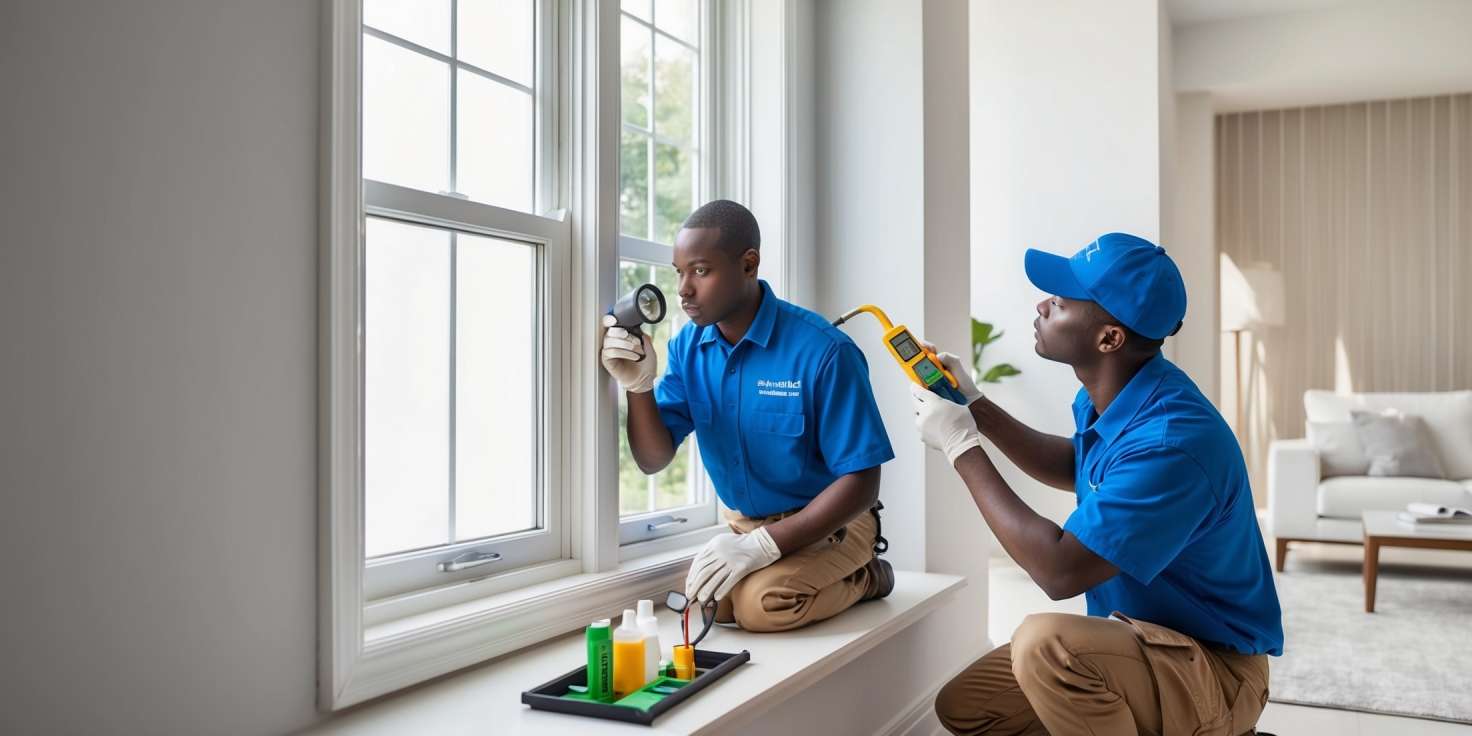
Mold in window frames is a common yet often overlooked issue that can lead to serious health concerns and costly home repairs if not addressed promptly. Learning how to prevent mold in window frames is essential for maintaining a healthy indoor environment and preserving the structural integrity of your home. Mold thrives in damp, poorly ventilated areas—making window frames a prime target, especially in regions with high humidity or after water damage incidents. At COMMITTED TO QUALITY SERVICE, we understand the importance of early mold prevention and offer fast, friendly, and professional services to help you protect your home. Whether you’re dealing with water damage, fire damage, or simply want to avoid future mold problems, our team is equipped with specialized tools and expertise to restore and safeguard your property. Call us now at 855-933-7935 to learn more about our water damage restoration and mold prevention solutions.
Understanding the Causes of Mold in Window Frames
Mold growth in window frames is a common yet often overlooked issue that can lead to serious health and structural problems if not addressed promptly. Understanding the root causes of mold in window frames is essential for effective prevention and long-term maintenance. Mold thrives in environments where moisture, warmth, and organic material are present. Window frames, particularly those made of wood or older materials, can provide the perfect breeding ground for mold when these conditions are met.
One of the primary causes of mold in window frames is condensation. When warm, moist indoor air comes into contact with the cooler surface of a window, it condenses into water droplets. Over time, this moisture can seep into the window frame, especially if the sealant is damaged or the frame is poorly insulated. This creates a damp environment that encourages mold spores to settle and grow. According to the Environmental Protection Agency (EPA), indoor humidity levels should be kept below 60 percent to prevent mold growth, with an ideal range between 30 and 50 percent.
Another significant contributor is water intrusion from external sources. Rainwater can enter through cracks in the window frame, faulty flashing, or deteriorated caulking. If the window is not properly sealed or maintained, water can accumulate in hidden areas, making it difficult to detect until mold has already developed. This is particularly common in older homes or buildings where the window installations have aged and weathered over time.
Poor ventilation is also a key factor. Inadequate airflow in rooms with windows can trap moisture, especially in areas like bathrooms, kitchens, or basements. Without proper ventilation, the humidity levels rise, creating a favorable environment for mold. Installing exhaust fans or simply opening windows regularly can help reduce moisture buildup and improve air circulation.
In some cases, mold in window frames may be a symptom of a larger issue, such as hidden water damage within the walls or ceiling. Leaks from plumbing or roofing can travel and settle around window areas, feeding mold growth unnoticed. To learn more about detecting such issues early, visit our guide on how to identify hidden water damage early.
“According to the Centers for Disease Control and Prevention (CDC), mold can begin to grow within 24 to 48 hours in moist conditions, making prompt action crucial for prevention.”
Here are some common scenarios that lead to mold in window frames:
- Condensation from high indoor humidity levels, especially in winter months.
- Leaky windows due to deteriorated seals or improper installation.
- Water damage from roof leaks or plumbing issues near window areas.
- Poor ventilation in rooms with high moisture levels like bathrooms and kitchens.
- Neglected maintenance, such as failing to repaint or reseal wooden window frames.
To effectively prevent mold, it is essential to address these root causes. Regular inspection and maintenance of window frames, ensuring proper sealing, and managing indoor humidity are all proactive steps homeowners can take. For professional help, consider exploring our comprehensive services that include mold inspection and remediation.
Additionally, choosing the right materials for window frames can make a difference. Vinyl and aluminum frames are less susceptible to mold than wood, as they do not absorb moisture. However, even these materials require proper sealing and maintenance to prevent mold from forming in surrounding areas.
For those dealing with persistent mold issues, professional intervention may be necessary. Our expert team at Projekt Restoration specializes in mold remediation, offering tailored solutions to eliminate mold and prevent its return. We also provide guidance on improving home ventilation and moisture control to safeguard your living environment.
Understanding the causes of mold in window frames is the first step toward a healthier, mold-free home. By staying informed and proactive, homeowners can protect their property and their health from the damaging effects of mold. For more information about our mission and approach, visit our our mission page or reach out through our contact page to speak with a specialist.
Importance of Proper Ventilation
Proper ventilation plays a critical role in preventing mold growth in window frames, as it helps regulate indoor humidity levels and promotes air circulation. Mold thrives in damp, stagnant environments, and without adequate airflow, moisture can accumulate around windows, especially in areas where condensation frequently occurs. When warm, moist air comes into contact with cooler window surfaces, it condenses into water droplets. If this moisture is not properly ventilated or dried, it creates the perfect breeding ground for mold spores to settle and grow. Ensuring that your home or building has a well-functioning ventilation system can significantly reduce the risk of mold developing in these vulnerable areas.
One of the most effective ways to maintain proper ventilation is by using exhaust fans in high-humidity areas such as kitchens, bathrooms, and laundry rooms. These fans help expel moist air outside, preventing it from settling on window frames and other surfaces. Additionally, opening windows periodically allows fresh air to circulate throughout the space, which not only reduces humidity but also helps disperse airborne mold spores before they can settle. In colder climates, where opening windows may not always be practical, mechanical ventilation systems or dehumidifiers can be used to maintain optimal indoor air quality and moisture levels.
Another important aspect of ventilation is ensuring that your HVAC system is functioning efficiently. Regular maintenance of heating and cooling systems, including cleaning or replacing filters, can improve airflow and reduce the buildup of moisture-laden air. Poorly maintained HVAC systems can circulate damp air throughout the home, increasing the chances of mold growth in window frames and other susceptible areas. It is also beneficial to inspect and seal any gaps or leaks around windows, as these can allow humid outdoor air to enter and condense on cooler interior surfaces.
In addition to mechanical solutions, the design and layout of your home can influence ventilation effectiveness. For instance, furniture placement can obstruct airflow if items are positioned too close to windows or vents. Ensuring that air can move freely around the room helps prevent moisture from becoming trapped in corners or behind furnishings. Moreover, using moisture-absorbing materials like silica gel or activated charcoal near windows can offer an extra layer of protection against mold.
Understanding the importance of ventilation is essential for homeowners looking to protect their property from mold damage. Mold not only affects the structural integrity of window frames but can also pose serious health risks, especially for individuals with allergies or respiratory conditions. By prioritizing ventilation, you are taking a proactive step toward maintaining a healthier living environment. If you suspect mold growth or want to learn more about how to safeguard your home, consider exploring our comprehensive mold remediation services.
For those seeking professional guidance, our team at Projekt Restoration offers a range of expert services designed to address moisture and mold-related issues. We are committed to helping homeowners understand the root causes of mold and implement long-term solutions. You can also visit our about page to learn more about our mission and experience in the field. Taking the time to ensure your home is properly ventilated is a small investment that can yield significant benefits in terms of comfort, safety, and property value.
Regular Cleaning and Maintenance Tips
To effectively prevent mold growth in window frames, establishing a routine of regular cleaning and maintenance is essential. Mold thrives in moist, dark environments, and window frames—especially those made of wood or located in humid areas—are particularly vulnerable. Begin by inspecting your window frames at least once a month for signs of moisture buildup, discoloration, or musty odors. These are early indicators of mold presence and should be addressed immediately to avoid more extensive damage. Use a mild detergent mixed with warm water to clean the frames, paying special attention to corners and crevices where mold spores can accumulate. For deeper cleaning, a solution of white vinegar or hydrogen peroxide can be effective in killing mold spores without damaging the frame material.
In addition to cleaning, it is important to ensure that your windows are properly sealed. Cracks or gaps in the caulking can allow moisture to seep in, creating the perfect environment for mold to grow. Reapply caulk as needed and consider using a mold-resistant sealant for added protection. Also, check that your window sills are sloped correctly to allow water to drain away from the frame rather than pooling. If you notice condensation forming on the inside of your windows, it may be a sign of poor ventilation. In such cases, using a dehumidifier or improving airflow with fans can help reduce indoor humidity levels.
Another key aspect of maintenance is addressing any water damage promptly. Leaks from the roof, plumbing, or even the windows themselves can lead to moisture accumulation in and around the frames. If you suspect water damage, it is crucial to act quickly. You can learn more about early detection by visiting our guide on how to identify hidden water damage early. Timely repairs not only prevent mold but also protect the structural integrity of your home.
For homeowners who have experienced recurring mold issues or extensive water damage, professional help may be necessary. At Projekt Restoration, we offer a range of services designed to address and prevent mold growth, including thorough inspections, mold remediation, and moisture control solutions. Our team is trained to identify the root causes of mold and implement long-term strategies to keep your home safe and healthy.
It is also beneficial to stay informed about mold prevention techniques and home maintenance best practices. Our regularly updated blog provides valuable insights and tips to help you maintain a mold-free environment. Whether you are dealing with a current mold issue or looking to prevent one in the future, consistent cleaning and proactive maintenance are your best defenses. By incorporating these habits into your routine, you can significantly reduce the risk of mold in your window frames and ensure a healthier living space for you and your family.
Choosing the Right Materials for Windows
Selecting the appropriate materials for your window frames plays a crucial role in preventing mold growth and maintaining a healthy indoor environment. Mold thrives in damp, poorly ventilated areas, and window frames are particularly vulnerable due to their exposure to condensation, humidity, and potential water leaks. By choosing mold-resistant materials, homeowners can significantly reduce the risk of mold infestation and the costly repairs that often follow. One of the most effective materials for mold prevention is vinyl. Vinyl window frames are non-porous, which means they do not absorb moisture, making it difficult for mold to grow. Additionally, vinyl is low-maintenance and resistant to warping, which helps maintain a tight seal against moisture intrusion. Another excellent option is fiberglass. Known for its durability and resistance to temperature fluctuations, fiberglass does not expand or contract as much as other materials, reducing the chances of gaps forming where moisture can seep in. It also resists rot and decay, further minimizing the risk of mold development.
Aluminum frames, while strong and lightweight, can be prone to condensation if not properly insulated. However, modern aluminum windows often come with thermal breaks that help reduce heat transfer and moisture buildup. When considering aluminum, it is essential to ensure that the frames are equipped with these features to enhance their mold resistance. Wood, although aesthetically pleasing, is the most susceptible to mold due to its porous nature. If you prefer the look of wood, opt for treated or composite wood materials that are designed to resist moisture and mold. Regular maintenance, including sealing and painting, is also necessary to protect wooden frames from water damage.
In addition to the material itself, the installation process plays a vital role in mold prevention. Poorly installed windows can allow water to seep into the walls, creating a hidden breeding ground for mold. It is crucial to work with experienced professionals who understand the importance of proper sealing and insulation. For more information on professional services that can help safeguard your home, visit our services page. Proper installation ensures that your windows are not only energy-efficient but also resistant to moisture intrusion.
Another factor to consider is the climate in your area. In regions with high humidity or frequent rainfall, selecting materials that can withstand constant exposure to moisture is especially important. Homeowners in such areas should also consider installing windows with built-in drainage systems to channel water away from the frame. These systems help prevent water from pooling around the window, which can lead to mold growth over time. To learn more about how we serve different communities and adapt to various environmental conditions, check out our serving areas page.
Ultimately, the right window frame material can make a significant difference in your efforts to prevent mold. By choosing moisture-resistant materials like vinyl or fiberglass, ensuring proper installation, and maintaining your windows regularly, you can protect your home from the damaging effects of mold. Investing in quality materials not only enhances the longevity of your windows but also contributes to a healthier living environment for you and your family.
How to Seal Windows to Prevent Moisture
Sealing your windows properly is one of the most effective ways to prevent moisture intrusion, which is a leading cause of mold growth in window frames. Moisture can seep in through small gaps, cracks, or deteriorated seals around windows, especially during rainy seasons or in humid climates. Over time, this trapped moisture creates the perfect environment for mold to thrive, potentially damaging your home’s structure and affecting indoor air quality. To avoid these issues, it’s essential to understand the correct steps and materials needed to seal your windows effectively.
Start by inspecting your windows thoroughly. Look for visible gaps between the window frame and the wall, cracked or peeling caulk, and any signs of water stains or condensation. These are indicators that your window seals may be compromised. It’s also helpful to check for drafts by running your hand along the edges of the window on a windy day. If you feel air coming through, it’s time to reseal.
Before applying any sealant, clean the area around the window frame. Remove old caulk using a putty knife or caulk remover tool, and wipe down the surface with a damp cloth to eliminate dust and debris. This ensures that the new sealant adheres properly and lasts longer. Once the surface is clean and dry, apply a high-quality, waterproof caulk designed for exterior use. Silicone-based caulks are often recommended because they are durable, flexible, and resistant to weathering.
Apply the caulk in a continuous bead along the seams where the window frame meets the wall. Use a caulking gun for better control and a smoother finish. After applying the caulk, smooth it out with a caulking tool or your finger to ensure it fills the gap completely and adheres well to both surfaces. Allow the caulk to cure as per the manufacturer’s instructions, usually 24 to 48 hours, before exposing it to moisture.
In addition to caulking, consider installing weatherstripping around operable parts of the window. Weatherstripping materials like foam tape, V-strip, or rubber gaskets can be applied to the sash or frame to create a tighter seal when the window is closed. This not only prevents moisture but also improves energy efficiency by reducing drafts.
For older windows or those with significant damage, it might be necessary to replace the window entirely. In such cases, professional assessment and installation are recommended to ensure a proper fit and seal. If you’re unsure about the condition of your windows or need expert help, consider reaching out to a trusted restoration company. At Projekt Restoration, we offer a range of services to help homeowners protect their properties from moisture and mold-related issues.
Regular maintenance is also key to keeping your windows sealed and mold-free. Inspect your windows at least twice a year, especially before and after the rainy season. Reapply caulk or replace weatherstripping as needed to maintain a strong barrier against moisture. Additionally, ensure that your home has adequate ventilation to reduce indoor humidity levels, which can contribute to condensation on windows.
If you suspect that moisture has already caused damage or mold growth around your windows, it’s important to act quickly. Mold can spread rapidly and pose health risks if left untreated. Our team specializes in mold remediation and can help you identify the source of the problem, remove mold safely, and restore affected areas to prevent future growth.
Taking the time to properly seal your windows not only protects your home from mold but also enhances its energy efficiency and overall comfort. By following these steps and staying proactive with maintenance, you can significantly reduce the risk of moisture-related issues and preserve the integrity of your window frames for years to come. For more information about our approach and commitment to quality, visit our about page.
Identifying Early Signs of Mold Growth
Recognizing the early signs of mold growth in window frames is essential for maintaining a healthy indoor environment and preventing costly repairs. Mold often begins to develop in hidden or less visible areas, making it crucial to stay vigilant and proactive. One of the first indicators of potential mold growth is the presence of a musty or earthy odor near your windows. This smell is typically caused by microbial volatile organic compounds released by mold as it grows. Even if no visible signs are present, a persistent odor should prompt a closer inspection.
Another early warning sign is the appearance of discoloration or staining on or around the window frame. Mold can manifest in various colors, including black, green, white, or even orange, depending on the type and surface it inhabits. These stains may appear as small spots or patches and can often be mistaken for dirt or dust. However, if the discoloration persists or spreads, it is likely mold. Additionally, condensation on windows can create a moist environment that encourages mold growth. If you frequently notice water droplets forming on the inside of your windows, especially during colder months, it may be a sign that excess humidity is present, which can lead to mold development.
Peeling paint or wallpaper near window frames is another subtle clue. Moisture trapped behind walls or within the frame can cause materials to deteriorate, creating an ideal breeding ground for mold. Warped wood or soft, spongy areas around the window frame may also indicate water damage, which often precedes mold growth. In such cases, it is important to investigate further to determine the extent of the issue. For more detailed guidance on spotting hidden moisture issues, you can refer to our article on how to identify hidden water damage early.
Allergic reactions or respiratory symptoms experienced by household members can also be a sign of mold presence. If individuals in your home begin to experience unexplained sneezing, coughing, or eye irritation, especially when near windows, mold could be the culprit. These health symptoms often worsen in environments with poor air quality caused by mold spores.
To effectively prevent mold from taking hold, it is essential to act quickly when any of these early signs are observed. Regularly inspecting your window frames and maintaining proper ventilation can significantly reduce the risk of mold growth. If you suspect mold but are unsure of the extent, professional evaluation and remediation may be necessary. Learn more about our comprehensive services to address mold and moisture issues before they escalate.
Understanding the conditions that lead to mold growth is just as important as recognizing the signs. Mold thrives in damp, dark, and poorly ventilated areas. Window frames, especially those made of wood, are particularly susceptible due to their porous nature and exposure to outdoor elements. Ensuring that your windows are properly sealed and that any leaks are promptly repaired can go a long way in preventing mold. For more information about our approach and values, visit our our mission page.
In summary, identifying early signs of mold growth in window frames involves being attentive to unusual odors, discoloration, condensation, peeling materials, and health symptoms. Early detection and prompt action are key to preventing mold from spreading and causing further damage. Regular maintenance, proper ventilation, and professional assessments when needed can help keep your home safe and mold-free.
When to Call a Professional for Mold Removal
While minor mold issues around window frames can often be handled with proper cleaning and preventive measures, there are situations where calling a professional mold removal service becomes essential. If you notice persistent mold growth despite regular cleaning, it may indicate a deeper issue such as hidden moisture or structural damage. Mold that keeps returning is often a sign that the root cause—typically excess moisture or poor ventilation—has not been fully addressed. In such cases, professional intervention ensures that the problem is thoroughly investigated and resolved at its source.
Another clear indicator that professional help is needed is the size and spread of the mold. According to industry guidelines, if the moldy area exceeds 10 square feet, it is recommended to seek expert assistance. Large infestations can pose serious health risks, especially for individuals with respiratory conditions, allergies, or weakened immune systems. Professionals have the proper equipment and training to contain and remove mold safely, preventing it from spreading to other areas of your home.
The type of mold present is also a crucial factor. Some molds, such as black mold (Stachybotrys chartarum), can be toxic and require specialized handling. If you suspect toxic mold or experience symptoms like persistent coughing, sneezing, skin irritation, or headaches, it is vital to consult a mold remediation expert immediately. These professionals can conduct thorough testing to identify the mold species and determine the appropriate removal strategy.
Water damage is another common cause of mold growth in window frames. If your home has recently experienced flooding, leaks, or high humidity, mold can develop quickly in hidden areas. In such cases, it is wise to contact a professional who can assess the extent of the damage and provide comprehensive solutions. You can learn more about how water issues contribute to mold by visiting our detailed guide on how to identify hidden water damage early.
Additionally, if you are unsure about the severity of the mold or how to handle it, reaching out to a professional can provide peace of mind. Experts in mold remediation not only remove the mold but also help identify the underlying causes and recommend long-term prevention strategies. They use advanced tools such as moisture meters, infrared cameras, and air quality monitors to ensure a complete and safe cleanup.
Choosing a reputable mold removal service is crucial for effective results. At Projekt Restoration, we offer a full range of services designed to address mold issues comprehensively. Our experienced team follows industry best practices and uses eco-friendly products to ensure your home is safe and healthy. Whether you are dealing with mold from water damage or need help identifying hidden sources of moisture, we are here to help.
If you are located in one of our serving areas, do not hesitate to reach out for a consultation. Our team is committed to restoring your home to a mold-free condition while educating you on how to prevent future occurrences. Remember, timely action can save you from costly repairs and protect your family’s health.
In conclusion, preventing mold in window frames is all about maintaining a clean, dry, and well-ventilated environment. By regularly inspecting your windows, addressing moisture issues promptly, and using mold-resistant materials, you can significantly reduce the risk of mold growth. Simple habits like wiping down condensation, ensuring proper insulation, and keeping indoor humidity levels in check go a long way in protecting your home and your health. With consistent care and attention, your window frames can remain mold-free and in excellent condition for years to come.