
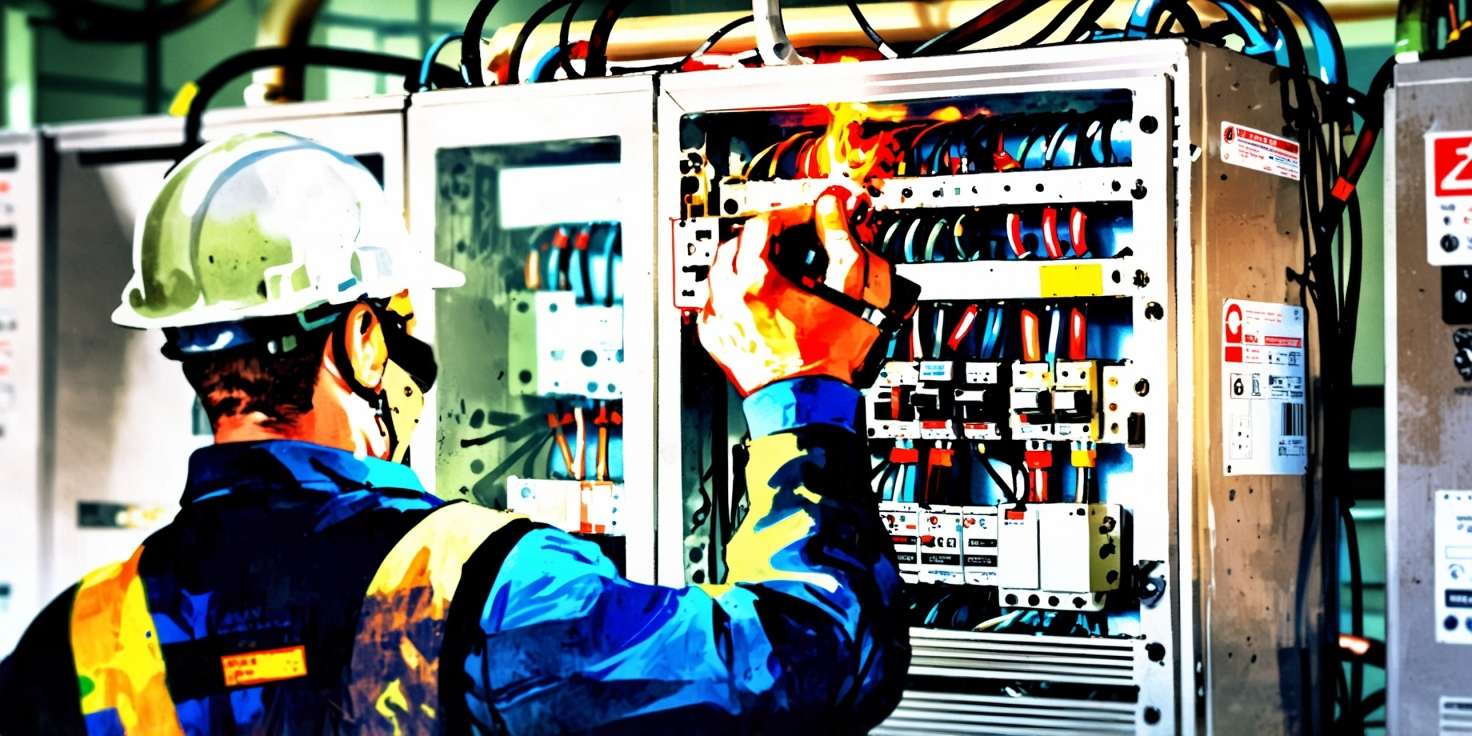
Electrical panels are the heart of any building’s power system, but when compromised, they can pose serious fire damage hazards that threaten both safety and property. At Projekt Property Restoration, we’ve seen firsthand how electrical panel fires can lead to devastating losses for homeowners and business owners alike. As a trusted leader in fire damage restoration, we’re here to help you understand the risks associated with faulty or overloaded electrical panels and how to prevent them. Whether it’s outdated wiring, poor maintenance, or improper installations, these hidden dangers can ignite quickly and spread fast. Our team of highly-trained professionals is available 24/7 to respond to emergencies and restore your property with speed and precision. With our commitment to quality service and customer satisfaction, Projekt Property Restoration is your go-to partner for protecting your home or business from electrical fire hazards. Learn how to identify warning signs, take preventive measures, and ensure your property remains safe and fully functional.
Common Causes of Fire Damage in Electrical Panels
Electrical panels are critical components in both residential and commercial buildings, serving as the central hub for distributing electricity throughout a property. However, when not properly maintained or installed, these panels can become significant fire hazards. Understanding the common causes of fire damage in electrical panels is essential for preventing catastrophic incidents that can lead to property loss, injury, or even fatalities. According to the National Fire Protection Association (NFPA), electrical failures or malfunctions were the second leading cause of U.S. home fires in 2022, accounting for an estimated 46,700 home fires annually. These fires resulted in 390 civilian deaths, 1,330 civilian injuries, and $1.5 billion in direct property damage. These alarming statistics underscore the importance of identifying and mitigating the risks associated with electrical panels.
One of the most prevalent causes of fire damage in electrical panels is faulty wiring. Over time, wires can degrade due to age, exposure to moisture, or rodent activity. When insulation wears down or connections become loose, it increases the risk of short circuits and overheating. Improperly installed wiring or the use of substandard materials can also contribute to electrical fires. In older buildings, outdated wiring systems may not be equipped to handle modern electrical loads, leading to overheating and potential fire outbreaks.
Another significant contributor to electrical panel fires is overloaded circuits. When too many devices or appliances are connected to a single circuit, it can exceed the panel’s capacity, causing wires to overheat. This is particularly common in homes that have undergone renovations or added new appliances without upgrading the electrical system. Overloading not only stresses the electrical panel but also increases the likelihood of arc faults, which are a leading cause of electrical fires. According to the U.S. Consumer Product Safety Commission (CPSC), arc faults are responsible for more than 28,000 home fires each year.
Poor maintenance is another critical factor. Electrical panels require regular inspections and maintenance to ensure they are functioning correctly. Dust, debris, and corrosion can accumulate over time, impairing the panel’s performance and increasing the risk of fire. Additionally, failing to replace worn-out components or ignoring warning signs such as flickering lights, burning smells, or tripped breakers can lead to severe consequences. Regular maintenance by a licensed electrician can help identify and address these issues before they escalate.
Improper installation is also a common cause of fire damage in electrical panels. Panels that are not installed according to code or by qualified professionals can pose serious safety risks. For instance, using the wrong type of breaker, incorrect wire sizing, or failing to secure connections properly can all lead to overheating and fire. It is crucial to ensure that any electrical work is performed by certified electricians who adhere to local building codes and standards.
Environmental factors can also play a role in electrical panel fires. Panels located in damp or humid areas are more susceptible to corrosion and moisture intrusion, which can compromise the integrity of electrical connections. In some cases, pests such as rodents may chew through wiring, exposing live wires and increasing the risk of short circuits. Ensuring that panels are installed in dry, secure locations and protected from environmental hazards is essential for fire prevention.
Another often-overlooked cause is the use of counterfeit or non-compliant electrical components. These parts may not meet safety standards and can fail under normal operating conditions, leading to overheating and fire. Always sourcing components from reputable manufacturers and verifying their compliance with safety certifications can significantly reduce this risk.
In some instances, human error is to blame. For example, DIY electrical work performed by unqualified individuals can introduce numerous hazards, from incorrect wiring to improper breaker installation. Even seemingly minor mistakes can have serious consequences when it comes to electrical systems. It is always advisable to consult with professionals for any electrical modifications or repairs.
To summarize, the most common causes of fire damage in electrical panels include:
- Faulty or degraded wiring due to age, moisture, or rodent activity
- Overloaded circuits from excessive electrical demand
- Lack of regular maintenance and inspections
- Improper installation by unqualified personnel
- Environmental factors such as moisture and pests
- Use of counterfeit or non-compliant electrical components
- Human error, particularly from DIY electrical work
“Electrical fires are often preventable with proper installation, regular maintenance, and awareness of warning signs,” says the Electrical Safety Foundation International (ESFI).
For property owners, understanding these risks is the first step toward prevention. Regular inspections by licensed electricians, upgrading outdated systems, and avoiding DIY electrical work can significantly reduce the risk of fire. Additionally, installing arc fault circuit interrupters (AFCIs) and ground fault circuit interrupters (GFCIs) can provide an extra layer of protection by detecting and interrupting dangerous electrical faults before they cause a fire.
If you suspect issues with your electrical panel or have experienced any signs of electrical malfunction, it is crucial to seek professional help immediately. At Projekt Restoration, we offer comprehensive services that include fire damage restoration and electrical safety assessments. Our team of certified professionals is equipped to handle all aspects of fire damage, from initial inspection to complete restoration.
For more information about our company and our commitment to safety and quality, visit our about page. We also provide valuable resources and tips on our blog to help you stay informed and proactive in protecting your property.
In conclusion, fire damage in electrical panels is a serious hazard that can have devastating consequences. By understanding the common causes and taking proactive measures, property owners can significantly reduce the risk of fire and ensure the safety of their homes and businesses. For expert assistance and reliable fire damage restoration, trust the professionals at Projekt Restoration.
For further reading and resources, consider the following:
- National Fire Protection Association (NFPA) – Fire safety standards and statistics
- Electrical Safety Foundation International (ESFI) – Electrical safety tips and resources
- U.S. Consumer Product Safety Commission (CPSC) – Product safety and fire prevention
Preventive Measures to Reduce Fire Risks in Electrical Systems
Reducing the risk of fire damage in electrical panels requires a proactive approach that includes regular maintenance, proper installation, and adherence to safety standards. One of the most effective preventive measures is scheduling routine inspections by licensed electricians who can identify early signs of wear, corrosion, or overheating in circuit breakers, wiring, and connections. These inspections help detect potential hazards before they escalate into dangerous situations. Ensuring that all electrical components are up to code and compatible with the system’s load capacity is also essential. Overloaded circuits are a common cause of electrical fires, so balancing the electrical load and avoiding the use of extension cords for permanent wiring solutions can significantly reduce risks. Additionally, using high-quality materials and certified components during installation or upgrades enhances the overall safety of the electrical system.
Another key preventive strategy is the installation of arc fault circuit interrupters (AFCIs) and ground fault circuit interrupters (GFCIs), which are designed to detect abnormal electrical activity and shut off power before a fire can start. These devices are especially important in older buildings where outdated wiring may not meet current safety standards. Keeping electrical panels clean and free from dust, debris, or moisture is also crucial, as these elements can contribute to short circuits or corrosion. Implementing a clear labeling system within the panel allows for quicker identification of circuits during emergencies, reducing response time and potential damage.
Education and awareness play a vital role in fire prevention. Property owners and facility managers should be trained to recognize warning signs such as flickering lights, burning smells, or frequently tripped breakers. Encouraging prompt reporting and professional evaluation of these signs can prevent minor issues from developing into major hazards. In commercial and industrial settings, establishing a comprehensive electrical safety program that includes employee training, emergency procedures, and regular audits can further enhance fire prevention efforts.
For those seeking professional assistance, it is important to work with a trusted restoration company that understands the complexities of fire damage and electrical safety. At Projekt Restoration, we offer a range of services designed to help property owners recover from and prevent disasters. Our team is committed to delivering high-quality solutions tailored to your specific needs. Learn more about our mission and values by visiting our our mission page. Taking these preventive measures not only protects your property but also ensures the safety and well-being of everyone who lives or works within the space.
In conclusion, fire damage hazards in electrical panels pose a serious threat to both property and personal safety. These hazards often stem from overloaded circuits, faulty wiring, poor maintenance, or outdated equipment. Regular inspections, adherence to electrical codes, and timely repairs are essential in preventing electrical fires. By staying vigilant and proactive, homeowners and facility managers can significantly reduce the risk of fire-related incidents and ensure the safe operation of their electrical systems. Remember, when it comes to electrical safety, prevention is always better than cure.