A leaking water heater can quickly turn from a minor inconvenience into a major problem if not addressed promptly—especially when it comes to mold growth. Mold thrives in damp, warm environments, making the area around a water heater leak the perfect breeding ground. At Projekt Property Restoration, we know how crucial it is to act fast to prevent mold after water heater leaks. As a trusted name in water damage restoration, we specialize in helping homeowners and property managers protect their properties from long-term damage caused by moisture and mold. With our 24/7 emergency services, advanced drying equipment, and expert mold remediation techniques, we ensure your home or business is restored safely and efficiently. Whether you’re dealing with a small leak or a major water damage incident, our team is here to help you get things back to normal—because at Projekt Property Restoration, we’re more than just a restoration company; we’re your partner in peace of mind.
Identify and Stop the Leak Immediately
When a water heater leak occurs, time is of the essence. The longer water is allowed to pool or seep into surrounding materials, the greater the risk of mold growth, structural damage, and costly repairs. The first and most critical step in preventing mold after a water heater leak is to identify the source of the leak and stop it immediately. This proactive approach not only minimizes water damage but also significantly reduces the chances of mold spores taking hold in your home.
Begin by inspecting the water heater and the area around it. Common signs of a leak include puddles of water near the base, rust or corrosion on the tank, and damp or discolored flooring or walls. If you notice any of these indicators, turn off the power supply to the water heater—electric units should be shut off at the circuit breaker, while gas units require turning off the gas valve. Next, shut off the water supply to the heater to prevent additional water from entering the tank and exacerbating the leak.
Leaks can originate from several components of the water heater. The most frequent culprits include the temperature and pressure relief valve, the drain valve, and the tank itself. If the leak is coming from a valve or pipe connection, it may be possible to tighten the fitting or replace the faulty part. However, if the tank is leaking due to internal corrosion or a crack, the entire unit will likely need to be replaced. In such cases, it is advisable to contact a professional plumber or a certified water damage restoration company to assess the situation and recommend the best course of action.
“According to the Environmental Protection Agency (EPA), mold can begin to grow within 24 to 48 hours of water exposure, making immediate action crucial to prevent long-term damage.”
Once the leak has been stopped, it is essential to remove any standing water and begin drying the affected area as quickly as possible. Use towels, mops, or a wet/dry vacuum to extract water, and deploy fans and dehumidifiers to accelerate the drying process. Pay special attention to hidden or hard-to-reach areas, such as behind walls or under flooring, where moisture can linger and mold can thrive unnoticed.
In some cases, the leak may not be immediately visible, especially if it is slow or hidden behind walls. To detect hidden leaks, look for subtle signs such as musty odors, peeling paint, or warped flooring. You can also refer to our guide on how to identify hidden water damage early for more detailed tips on uncovering concealed moisture issues.
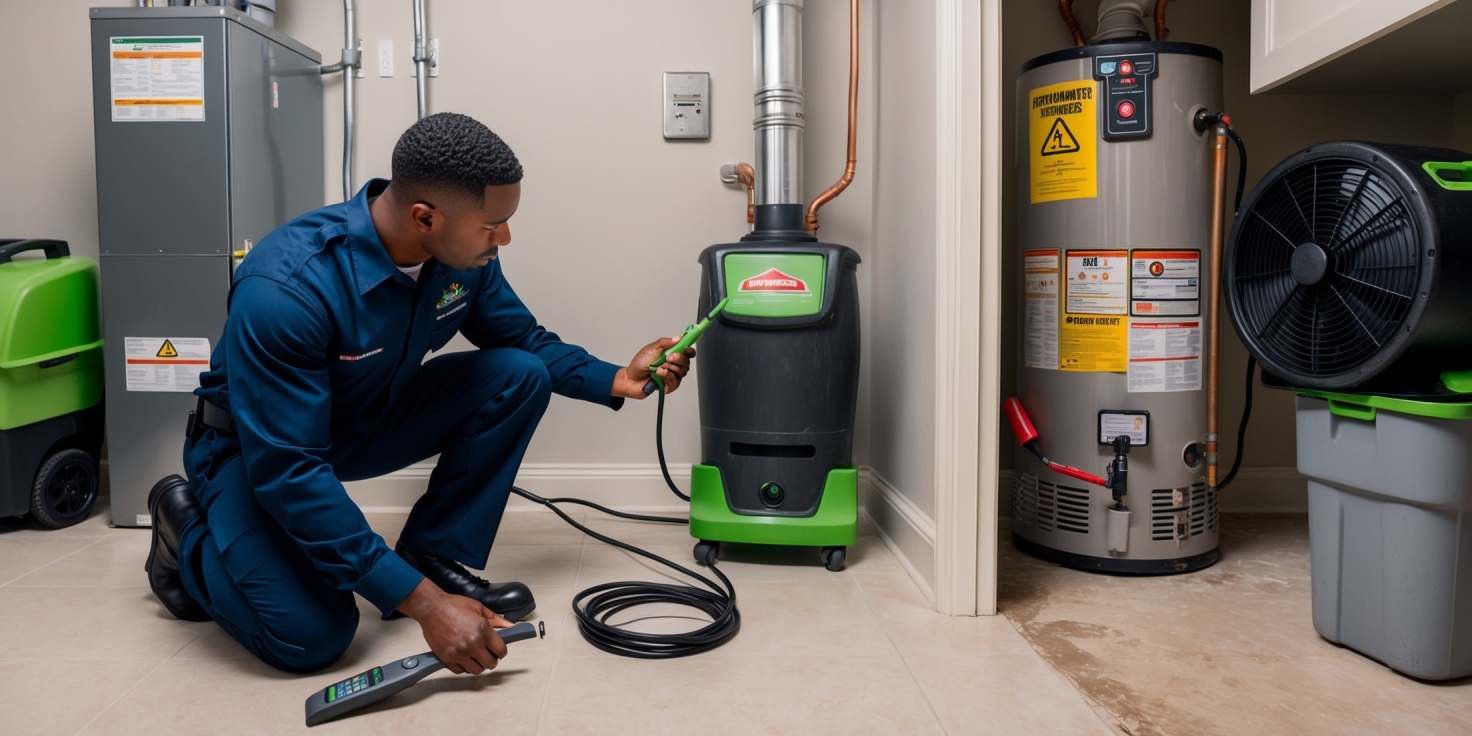
If you are unsure about the extent of the damage or how to proceed, consider reaching out to a professional restoration service. At Projekt Restoration, our team specializes in comprehensive services that include water damage assessment, mold remediation, and structural drying. Our experts use advanced tools such as moisture meters and thermal imaging cameras to detect and address water intrusion before it leads to mold growth.
- Inspect the water heater and surrounding area for visible signs of leakage.
- Turn off the power and water supply to the unit to prevent further damage.
- Identify the source of the leak—valves, connections, or the tank itself.
- Remove standing water and begin drying the area immediately.
- Use professional tools or services to detect hidden moisture and prevent mold.
Taking swift and decisive action at the first sign of a water heater leak is the most effective way to protect your home from mold. For more information about our approach and commitment to quality, visit our our mission page or explore our blog for expert tips and insights.
“Water damage is the second most common insurance claim in the U.S., with the average claim costing over $10,000, according to the Insurance Information Institute.”
By acting quickly and enlisting professional help when needed, you can stop a water heater leak in its tracks and prevent the costly and hazardous consequences of mold growth.
Dry the Affected Area Thoroughly
After a water heater leak, one of the most critical steps in preventing mold growth is ensuring the affected area is completely dry. Mold thrives in damp, humid environments, and even a small amount of lingering moisture can create the perfect conditions for it to spread. Begin by removing any standing water using a wet-dry vacuum or mop. Once the visible water is gone, focus on drying out the space thoroughly. Open windows and doors to increase ventilation, and use high-powered fans and dehumidifiers to speed up the drying process. Pay special attention to hidden or hard-to-reach areas such as behind baseboards, under flooring, and inside wall cavities, as moisture can easily become trapped in these spaces. If the leak has affected carpets or rugs, it may be necessary to remove and replace them, especially if they remain damp after 24 to 48 hours. Drywall and insulation that have absorbed water should also be inspected and possibly replaced to prevent mold from developing behind walls. For homeowners unsure about the extent of the damage or the best drying techniques, professional help is highly recommended. Companies like Projekt Restoration offer specialized services that include advanced drying equipment and moisture detection tools to ensure every part of your home is properly treated. You can learn more about their approach and commitment to quality by visiting their our mission page. Taking swift and thorough action to dry the area not only prevents mold but also protects the structural integrity of your home and the health of its occupants.
In conclusion, preventing mold after a water heater leak requires swift action and ongoing vigilance. By promptly shutting off the water supply, thoroughly drying the affected area, and using dehumidifiers or fans to reduce moisture, you can significantly lower the risk of mold growth. Regularly inspecting your water heater for signs of wear and addressing leaks immediately will also help maintain a safe and healthy home environment. Remember, when in doubt, don’t hesitate to consult a professional to ensure proper cleanup and mold prevention. Taking these proactive steps can save you time, money, and protect your home from long-term damage.