
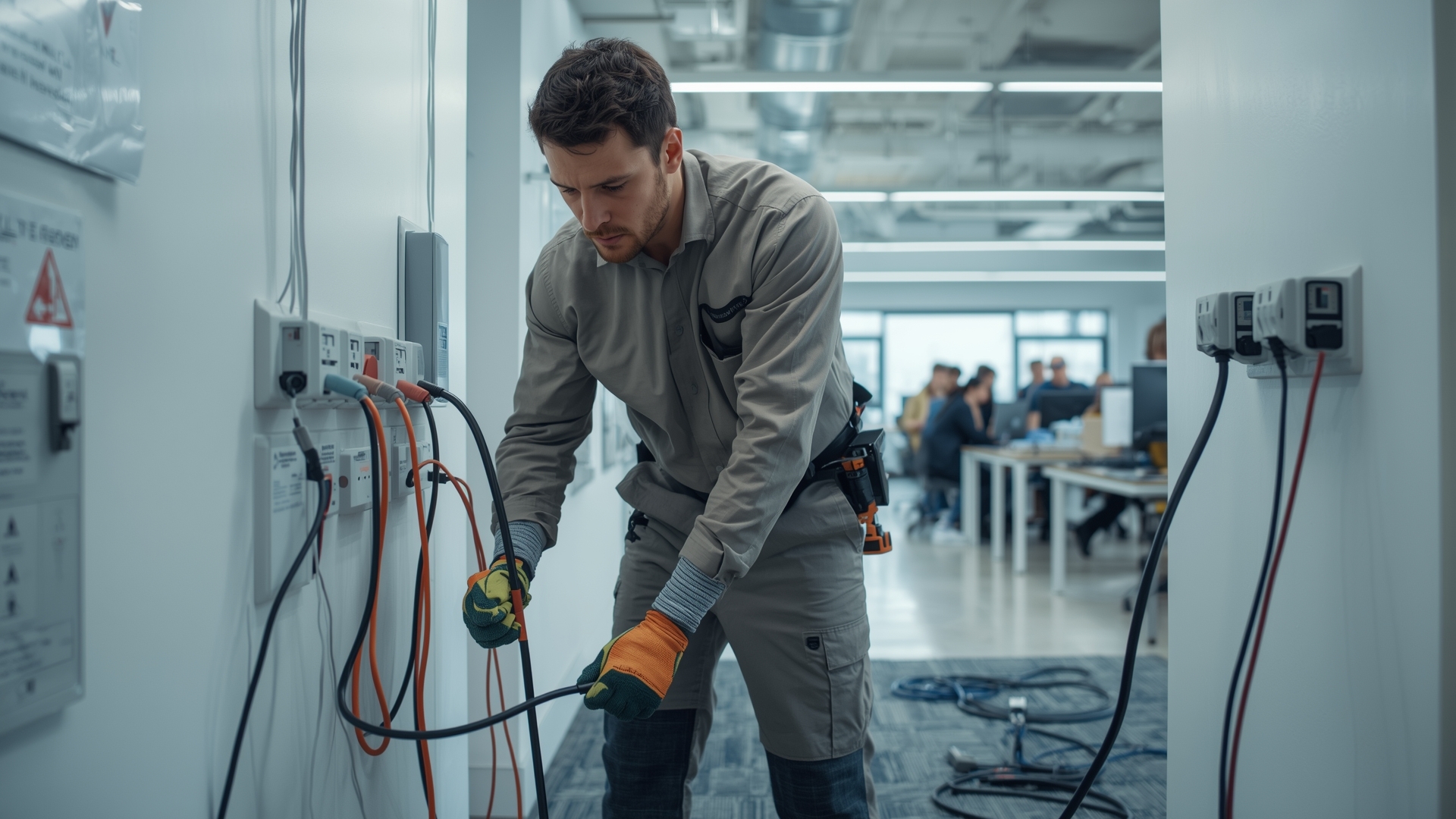
Extension cords are a convenient solution for powering multiple devices, but when used improperly, they can pose serious fire hazards. Understanding how to prevent fire damage from extension cords is essential for protecting your home or business. Overloaded circuits, damaged cords, and improper usage are just a few of the common causes of electrical fires. At COMMITTED TO QUALITY SERVICE, we prioritize your safety with fast, friendly, and professional service. Whether you’re dealing with fire damage or need expert advice on fire prevention, our team is here to help. Call us now at 855-933-7935 for immediate assistance. Our fire damage restoration services focus on quick mitigation and recovery to minimize loss and restore your property efficiently. Stay informed and take proactive steps to prevent extension cord fires before they start.
Choose the Right Extension Cord for the Job
When it comes to preventing fire damage caused by extension cords, selecting the right type of cord for the specific task is critical. Many household and workplace fires result from the misuse or overloading of extension cords, often due to using the wrong kind of cord for the job. According to the U.S. Consumer Product Safety Commission (CPSC), extension cords are responsible for approximately 3,300 home fires annually, resulting in about 50 deaths and 270 injuries. These alarming statistics highlight the importance of understanding how to choose the appropriate extension cord to ensure safety and reduce fire risks.
One of the first considerations when selecting an extension cord is the power requirement of the device or appliance you intend to use. Extension cords come with different amperage ratings, and using a cord with a lower rating than required can cause overheating and potentially ignite a fire. Always check the wattage of the appliance and ensure the cord can handle the load. For example, a space heater or power tool will require a heavy-duty cord, while a lamp or phone charger can typically use a light-duty cord.
Another crucial factor is the length of the extension cord. Longer cords have more electrical resistance, which can lead to voltage drops and overheating if not properly rated. It’s best to use the shortest cord possible for the task. Additionally, cords used outdoors must be rated for outdoor use, as they are designed to withstand moisture, temperature changes, and UV exposure. Look for cords labeled “W” for outdoor use.
The cord’s wire gauge is also essential. The lower the gauge number, the thicker the wire and the more current it can safely carry. For instance, a 12-gauge cord can handle more power than a 16-gauge cord. Choosing the correct gauge ensures that the cord won’t overheat under load. Here’s a quick reference guide:
- 16-gauge: Suitable for light-duty use (lamps, clocks, small fans)
- 14-gauge: Medium-duty (computers, TVs, small appliances)
- 12-gauge: Heavy-duty (power tools, space heaters, large appliances)
It’s also important to inspect the cord for safety certifications. Look for labels from Underwriters Laboratories (UL) or Intertek (ETL), which indicate the cord has been tested for safety standards. Avoid using cords that are frayed, cracked, or have exposed wires, as these are significant fire hazards.
“Using the wrong extension cord is like using the wrong tool for a job — it not only makes the task harder but can also be dangerous,” says the National Fire Protection Association (NFPA).
Avoid daisy-chaining multiple extension cords together, as this can lead to overheating and increase the risk of fire. Instead, use a single cord that meets the length and power requirements. Additionally, never run extension cords under rugs, carpets, or furniture, as this can trap heat and cause the cord to deteriorate faster.
For those managing multiple devices or appliances, consider using a power strip with built-in surge protection and circuit breakers. These features can help prevent overloads and reduce the risk of electrical fires. However, even power strips must be used correctly and should not be overloaded.
If you’re unsure about the right extension cord for your needs, consult a licensed electrician or refer to manufacturer guidelines. For more tips on fire safety and damage prevention, visit our blog or explore our comprehensive services.
In the unfortunate event of fire damage, knowing how to respond quickly and effectively is crucial. Our team at Projekt Restoration specializes in fire damage restoration and can help you recover safely and efficiently. We also provide resources to help you understand the risks and take preventive measures.
For further reading on electrical safety and extension cord usage, the Electrical Safety Foundation International (ESFI) offers detailed guidelines at https://www.esfi.org. Taking the time to choose the right extension cord not only protects your property but also ensures the safety of everyone in your home or workplace.
Inspect Cords Regularly for Wear and Tear
One of the most effective ways to prevent fire damage caused by extension cords is to routinely examine them for signs of wear and tear. Over time, even the highest-quality cords can degrade due to regular use, environmental exposure, or improper storage. Frayed wires, cracked insulation, exposed conductors, and bent or damaged prongs are all red flags that indicate a cord may no longer be safe to use. These issues can lead to short circuits, overheating, or even electrical fires if not addressed promptly. It is essential to inspect cords before each use, especially if they have been stored for a long period or used in high-traffic areas where they may have been stepped on or pinched. Pay close attention to the areas near the plug and socket ends, as these are the most common points of failure. If any damage is found, the cord should be replaced immediately rather than attempting a DIY repair, which can often make the situation more dangerous.
In addition to visual inspections, feel the cord for any soft spots or areas that seem unusually warm during use, as these can also indicate internal damage. Avoid running cords under rugs or furniture, as this can cause them to overheat and wear out faster. Keeping cords untangled and properly coiled when not in use can also extend their lifespan and reduce the risk of damage. For households or businesses that rely heavily on extension cords, it may be beneficial to schedule regular safety checks as part of a broader fire prevention strategy. This is especially important in environments where cords are used outdoors or in industrial settings, where exposure to moisture, heat, or chemicals can accelerate deterioration. For more information on how to protect your property from fire hazards, visit our fire damage page.
Understanding the importance of cord maintenance is just one aspect of a comprehensive approach to fire safety. At Projekt Restoration, we emphasize proactive measures to safeguard your home or business from potential hazards. Our team is dedicated to educating property owners on best practices and providing professional support when needed. Whether you are dealing with the aftermath of a fire or looking to implement preventative strategies, our wide range of services is designed to meet your specific needs. We also encourage you to explore our blog for more expert tips and insights on maintaining a safe and resilient property.
Avoid Overloading the Extension Cord
One of the most common causes of electrical fires in homes and businesses is the overloading of extension cords. While these cords offer a convenient way to power multiple devices, they are not designed to handle the electrical load of high-wattage appliances or too many devices at once. Overloading an extension cord can cause it to overheat, melt its insulation, and potentially ignite nearby flammable materials. To prevent fire damage, it is essential to understand the limitations of your extension cords and use them responsibly.
Each extension cord has a specific amperage rating, which indicates the maximum amount of electrical current it can safely carry. Before plugging in multiple devices, check the total wattage and ensure it does not exceed the cord’s capacity. For example, plugging in a space heater, microwave, or refrigerator into the same extension cord can quickly surpass its limit, increasing the risk of overheating. Always read the manufacturer’s instructions and labels to determine the appropriate usage.
Another important consideration is the type of extension cord being used. Light-duty cords are suitable for small electronics like lamps or phone chargers, while heavy-duty cords are designed for power tools and larger appliances. Using the wrong type of cord for a high-power device can lead to overheating and fire hazards. Additionally, avoid daisy-chaining multiple extension cords together, as this practice can reduce the overall efficiency and increase the risk of electrical failure.
Proper placement of extension cords also plays a vital role in fire prevention. Avoid running cords under rugs, carpets, or furniture, as this can trap heat and prevent proper ventilation. Heat buildup in these conditions can lead to the deterioration of the cord’s insulation and eventually cause a fire. Instead, place cords in open areas where air can circulate freely and where they are not subject to physical damage from foot traffic or furniture.
It is also crucial to inspect your extension cords regularly for signs of wear and tear. Frayed wires, cracked insulation, or exposed conductors are all indicators that a cord should be replaced immediately. Using damaged cords significantly increases the risk of electrical fires. Investing in high-quality, certified extension cords with built-in safety features like surge protection and circuit breakers can provide an added layer of protection.
In commercial settings or during home renovations, it is advisable to consult a licensed electrician to assess your power needs and recommend safe solutions. If you find yourself frequently relying on extension cords, it may be a sign that your home or office lacks sufficient electrical outlets. In such cases, upgrading your electrical system can be a safer and more permanent solution.
Understanding the risks associated with extension cords and taking proactive steps to use them safely is essential for protecting your property and loved ones from fire damage. At Projekt Restoration, we emphasize the importance of fire prevention and offer a range of services to help you maintain a safe environment. Whether you need assistance after a fire or want to learn more about how to safeguard your home, our team is here to help.
For more information about our company and our commitment to safety and restoration, visit our about page. Taking the time to educate yourself on proper extension cord usage and implementing these safety measures can go a long way in preventing devastating fire incidents. Always prioritize safety and never underestimate the potential hazards of misusing electrical equipment.
Keep Extension Cords Away from Heat and Water
One of the most important safety measures to prevent fire damage from extension cords is to ensure they are kept away from sources of heat and water. Extension cords are not designed to withstand high temperatures or moisture exposure, both of which can significantly increase the risk of electrical fires. When placed near heaters, stoves, or other heat-generating appliances, the insulation around the cord can degrade over time, exposing the wires and creating a potential fire hazard. Similarly, using extension cords in damp or wet environments, such as bathrooms, kitchens, or outdoor areas without proper weatherproofing, can lead to short circuits, electric shocks, or even fires. It is crucial to understand that water and electricity are a dangerous combination, and even a small amount of moisture can compromise the integrity of an extension cord.
To reduce these risks, always inspect the area where you plan to use an extension cord. Make sure it is dry and free from any heat sources. If you must use an extension cord outdoors or in a potentially wet area, opt for cords specifically rated for outdoor or wet conditions. These cords are designed with additional insulation and protective features to withstand environmental stress. Additionally, avoid running extension cords under rugs or carpets, as this can trap heat and prevent proper ventilation, further increasing the risk of overheating. Over time, trapped heat can cause the cord to melt or ignite, especially if it is overloaded or damaged.
Proper storage of extension cords also plays a vital role in fire prevention. After use, unplug the cord and store it in a cool, dry place away from direct sunlight or heat sources. Coiling the cord loosely and avoiding sharp bends can help maintain its integrity and extend its lifespan. Regularly inspect cords for signs of wear, such as fraying, cracking, or exposed wires, and replace any damaged cords immediately. Never attempt to repair a damaged extension cord with tape or makeshift solutions, as this can lead to further hazards.
In homes or businesses where extension cords are used frequently, it may be worth considering a more permanent solution, such as installing additional outlets or using surge protectors with built-in safety features. This not only reduces reliance on extension cords but also enhances overall electrical safety. For more information on how to protect your property from fire hazards, visit our fire damage page, where we provide expert guidance and restoration services.
Understanding the risks associated with improper use of extension cords is essential for maintaining a safe environment. Whether you are a homeowner or a business owner, taking proactive steps to keep cords away from heat and water can significantly reduce the likelihood of fire incidents. If you have questions about fire safety or need professional assistance, our team is here to help. Learn more about our comprehensive services and how we can support your safety and restoration needs.
Use Extension Cords Only as a Temporary Solution
Extension cords are a convenient solution for powering devices when outlets are not within reach, but they should never be considered a permanent fix. Using extension cords as a long-term power source significantly increases the risk of electrical fires. These cords are not designed to handle continuous, heavy loads and can overheat when used improperly or for extended periods. Over time, the insulation around the wires can degrade, especially if the cord is placed under rugs, furniture, or in high-traffic areas where it may be pinched or damaged. This wear and tear can expose the wires, leading to short circuits or sparks that may ignite nearby flammable materials.
To prevent fire damage, it is crucial to understand that extension cords are meant for temporary use only. If you find yourself relying on them regularly, it may be time to consider installing additional outlets or upgrading your electrical system. Hiring a licensed electrician to assess your home’s wiring can help ensure that your electrical infrastructure meets your current power needs safely. This proactive approach not only reduces the risk of fire but also enhances the overall safety and functionality of your living space.
Another important factor to consider is the type of extension cord being used. Always choose cords that are rated for the specific devices you intend to power. For example, high-wattage appliances like space heaters or microwaves require heavy-duty cords with a higher amp rating. Using a lightweight cord for such appliances can cause overheating and potentially start a fire. Additionally, avoid daisy-chaining multiple extension cords together, as this can lead to excessive resistance and heat buildup.
Proper storage and handling of extension cords also play a vital role in fire prevention. When not in use, cords should be coiled loosely and stored in a dry, cool place. Avoid wrapping them tightly or hanging them on nails, which can damage the insulation. Regularly inspect cords for signs of wear, such as fraying, cracking, or exposed wires. If any damage is found, the cord should be discarded immediately and replaced with a new one.
In commercial or high-use environments, the risks associated with improper extension cord use are even greater. Businesses should implement strict safety protocols and provide training to employees on the correct use of electrical equipment. For those managing properties or facilities, it may be beneficial to consult with a professional restoration company to assess potential fire hazards and develop a comprehensive safety plan. You can learn more about such services by visiting our services page.
In the unfortunate event that fire damage does occur due to extension cord misuse, immediate action is essential to minimize further loss and begin the recovery process. Professional fire damage restoration experts can help restore your property to its original condition, addressing not only visible damage but also hidden issues such as smoke odor and structural compromise. For more information on how we handle fire-related incidents, visit our fire damage page.
Ultimately, the key to preventing fire damage from extension cords lies in understanding their limitations and using them responsibly. By treating extension cords as a short-term solution and investing in permanent electrical upgrades when necessary, you can significantly reduce the risk of fire and protect your home or business from devastating damage.
Store Extension Cords Properly When Not in Use
When extension cords are not in use, storing them properly is a crucial step in preventing potential fire hazards. Many people overlook this simple yet essential practice, which can significantly reduce the risk of electrical fires. Extension cords that are left tangled, coiled tightly, or placed in high-traffic areas can suffer from wear and tear, leading to exposed wires or damaged insulation. These issues can cause short circuits or overheating when the cords are used again, especially if they are plugged into high-wattage appliances. To avoid such dangers, always unplug extension cords after use and inspect them for any signs of damage before storing them.
Choose a cool, dry place for storage, away from direct sunlight, moisture, or heat sources. Excessive heat or humidity can degrade the cord’s insulation over time, increasing the risk of fire. Avoid wrapping cords too tightly, as this can strain the internal wires and lead to breakage. Instead, loosely coil the cord and secure it with a Velcro strap or twist tie. Hanging cords on hooks or storing them in designated containers can also help maintain their condition and prevent tangling. Keeping cords off the floor and away from sharp objects or heavy items will further protect them from accidental damage.
It is also important to keep extension cords out of reach of children and pets. Chewing or playing with cords can lead to serious injuries and increase the likelihood of electrical fires. If you use extension cords frequently, consider labeling them for specific uses and storing them in a clearly organized system. This not only improves safety but also makes it easier to locate the right cord when needed, reducing the temptation to use a damaged or inappropriate one.
Proper storage is just one part of a comprehensive fire prevention strategy. Regularly checking your cords and replacing any that show signs of wear is equally important. If you are unsure about the safety of your electrical setup, consider consulting a professional. At Projekt Restoration, we offer a range of services designed to help homeowners maintain a safe living environment. Whether you are dealing with the aftermath of a fire or looking to prevent one, our team is here to assist.
In addition to fire prevention, proper cord storage can also help you avoid other household hazards. For example, cords left on the floor can become tripping hazards, especially in busy areas of the home. By storing them properly, you not only reduce the risk of fire but also create a safer and more organized living space. If you want to learn more about our commitment to safety and quality, visit our our mission page to understand how we prioritize your well-being in every project we undertake.
Taking the time to store extension cords correctly may seem like a small task, but it plays a significant role in preventing fire damage and maintaining a safe home environment. By following these simple guidelines, you can extend the life of your cords, reduce the risk of electrical fires, and ensure your home remains a secure place for you and your family.
Install Smoke Detectors and Fire Extinguishers Nearby
To effectively reduce the risk of fire damage caused by extension cords, it is essential to have proper safety measures in place, including the installation of smoke detectors and fire extinguishers in strategic locations. Extension cords, while convenient, can become serious fire hazards if overloaded, frayed, or used improperly. In the event of an electrical malfunction or overheating, early detection and immediate response can make a significant difference in minimizing property damage and ensuring the safety of occupants. Smoke detectors serve as the first line of defense by providing early warnings of smoke or fire, allowing residents or employees to take swift action before the situation escalates. It is advisable to install smoke detectors in every room where extension cords are in use, especially in high-risk areas such as kitchens, garages, and home offices. Regular testing and maintenance of these devices are crucial to ensure they function correctly when needed most.
Equally important is the presence of fire extinguishers within easy reach of areas where extension cords are frequently used. A small electrical fire can quickly spread if not addressed immediately, but having a fire extinguisher nearby allows for prompt intervention. It is recommended to use a Class C fire extinguisher, which is specifically designed to handle electrical fires. Homeowners and business owners should also educate themselves and others on how to properly use a fire extinguisher, following the PASS technique: Pull the pin, Aim at the base of the fire, Squeeze the handle, and Sweep side to side. This knowledge can be life-saving in an emergency situation.
In addition to installing safety equipment, it is beneficial to conduct regular inspections of extension cords and surrounding areas. Look for signs of wear, exposed wires, or heat damage, and replace any cords that appear compromised. Avoid running cords under carpets or rugs, as this can trap heat and increase the risk of fire. Instead, use cord covers or cable organizers to keep cords secure and visible. For more comprehensive safety strategies and professional support, consider exploring the range of services offered by restoration experts who specialize in fire prevention and damage recovery.
Moreover, integrating fire safety measures into your overall home or business maintenance plan can provide long-term protection. This includes understanding the layout of your electrical system, avoiding daisy-chaining multiple extension cords, and using surge protectors when necessary. If a fire does occur, having reliable smoke detectors and fire extinguishers can significantly reduce the extent of the damage and improve recovery outcomes. For those interested in learning more about fire safety and prevention, visiting the blog section of a trusted restoration company can provide valuable insights and tips.
Ultimately, preventing fire damage from extension cords requires a proactive approach that combines proper usage, regular maintenance, and the installation of essential safety devices. By taking these steps, you can create a safer environment for your family, employees, and property. Whether you are a homeowner or a business operator, investing in fire safety tools and knowledge is a critical component of responsible property management.
In conclusion, preventing fire damage from extension cords comes down to awareness, proper usage, and regular maintenance. By choosing the right cord for the job, avoiding overloading, inspecting cords for damage, and using them only as temporary solutions, you can significantly reduce the risk of fire in your home or workplace. Always follow manufacturer guidelines and never ignore warning signs like overheating or frayed wires. With these simple precautions, you can ensure that your extension cords remain a safe and reliable tool rather than a potential hazard. Stay informed, stay safe, and protect your property from preventable fire risks.