When it comes to maintaining a safe and efficient work environment, fire safety should be a top priority—especially for commercial cleaning crews. These professionals often work in environments where flammable materials, electrical equipment, and cleaning chemicals are present, increasing the risk of fire hazards. Implementing proper fire safety tips for commercial cleaning crews not only protects lives but also helps safeguard valuable property and equipment. At COMMITTED TO QUALITY SERVICE, we understand the importance of safety in every aspect of our work. That’s why we offer fast, friendly, and professional service, including expert fire damage restoration. Our team is trained to respond quickly and effectively to fire emergencies, ensuring the affected area is mitigated and restored with precision. Whether you’re dealing with water damage or fire damage, our specialized equipment and experienced technicians are here to help. Call us now at 855-933-7935 to learn more about how we can support your safety and restoration needs.
Understanding Fire Hazards in Commercial Spaces
Commercial spaces, such as offices, retail stores, warehouses, and industrial facilities, are often bustling with activity and filled with various materials and equipment that can pose significant fire hazards. For commercial cleaning crews, understanding these hazards is essential not only for maintaining cleanliness but also for ensuring the safety of the premises and its occupants. Fire risks in commercial environments can stem from multiple sources, including electrical systems, flammable materials, and improper waste disposal. Recognizing and mitigating these risks is a critical component of a comprehensive fire safety strategy.
One of the most common fire hazards in commercial buildings is faulty or overloaded electrical systems. Cleaning crews often use high-powered equipment that draws significant electricity. If outlets are overloaded or cords are frayed, the risk of electrical fires increases. According to the National Fire Protection Association (NFPA), electrical distribution and lighting equipment were involved in approximately 9 percent of all commercial property fires between 2014 and 2018. This highlights the importance of regular inspections and proper use of electrical outlets and equipment.
Another major concern is the presence of flammable cleaning chemicals. Many commercial cleaning products contain volatile organic compounds (VOCs) that can ignite under certain conditions. These chemicals should be stored in well-ventilated areas away from heat sources and open flames. Cleaning crews must be trained to read and understand Safety Data Sheets (SDS) for each product they use, ensuring they are aware of the proper handling and storage procedures.
Improper waste disposal is also a significant fire risk. Accumulated paper, cardboard, and other combustible materials can easily catch fire if exposed to a spark or heat source. Cleaning crews should ensure that trash is removed regularly and that recycling and waste bins are not placed near electrical equipment or heat-producing appliances.
In addition to these common hazards, commercial spaces may have unique risks depending on their function. For example:
- Restaurants and food service areas often have grease buildup in kitchen hoods and ducts, which can ignite if not cleaned regularly.
- Manufacturing facilities may use machinery that generates heat or sparks, increasing the risk of fire if flammable materials are nearby.
- Offices with extensive computer equipment and wiring can be vulnerable to electrical fires if not properly maintained.
“Fire safety is not just about extinguishing flames—it’s about preventing them in the first place through awareness and proactive measures.”
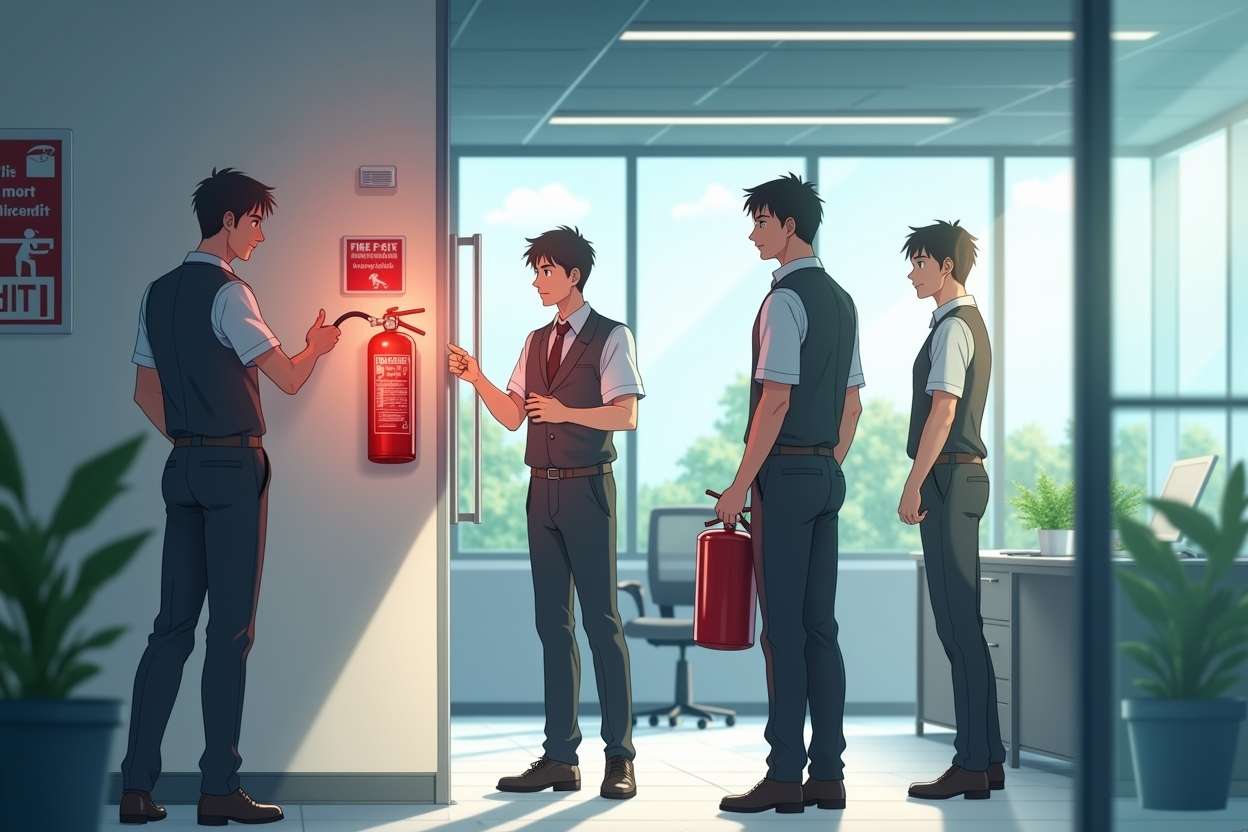
To effectively manage fire risks, commercial cleaning crews should be integrated into the broader fire safety plan of the facility. This includes participating in fire drills, knowing the location of fire extinguishers and alarms, and understanding evacuation procedures. Regular training sessions can help reinforce these practices and ensure that all team members are prepared to respond appropriately in an emergency.
It is also beneficial for cleaning companies to collaborate with property managers and fire safety professionals to conduct periodic risk assessments. These assessments can identify potential hazards and recommend corrective actions before a fire incident occurs. For example, ensuring that fire exits are not blocked by cleaning equipment or supplies is a simple yet crucial step in maintaining a safe environment.
For more information on how to maintain a safe and clean commercial space, visit our services page or learn about our commitment to safety and excellence on our our mission page.
Additionally, the U.S. Fire Administration provides valuable resources and statistics on commercial fire safety, which can be accessed at https://www.usfa.fema.gov. Staying informed and vigilant is key to preventing fire-related incidents in commercial settings.
In conclusion, understanding fire hazards in commercial spaces is a vital responsibility for cleaning crews. By recognizing potential risks, following proper safety protocols, and staying informed through training and collaboration, cleaning professionals can play a crucial role in protecting lives and property. Fire safety is a shared responsibility, and with the right knowledge and practices, it is possible to create a safer working environment for everyone.
Proper Storage and Handling of Cleaning Chemicals
When it comes to fire safety in commercial cleaning operations, the proper storage and handling of cleaning chemicals is a critical component that should never be overlooked. Many cleaning agents contain flammable or reactive ingredients that can pose serious fire hazards if not managed correctly. Commercial cleaning crews must be trained to recognize these risks and follow best practices to ensure a safe working environment for themselves and others in the facility.
First and foremost, all cleaning chemicals should be stored in their original containers with labels intact. These labels provide essential information about the chemical’s properties, including flammability, reactivity, and proper usage instructions. Removing or altering labels can lead to misuse and increase the risk of fire or chemical reactions. Additionally, cleaning products should be stored in a well-ventilated, cool, and dry area away from direct sunlight and sources of heat or ignition. This helps prevent the buildup of fumes and reduces the chance of spontaneous combustion.
It is also important to segregate incompatible chemicals. For example, storing bleach near ammonia-based products can result in the release of toxic gases if they accidentally mix. Commercial cleaning crews should be familiar with the Material Safety Data Sheets (MSDS) or Safety Data Sheets (SDS) for each product they use. These documents provide detailed information on chemical compatibility, storage requirements, and emergency procedures in case of a spill or fire. Regular training sessions and safety drills can help reinforce this knowledge and prepare teams to respond effectively in an emergency.
Proper handling techniques are equally vital. When transferring chemicals from one container to another, always use appropriate tools and wear personal protective equipment such as gloves and goggles. Spills should be cleaned up immediately using the correct absorbent materials, and the area should be ventilated to disperse any lingering fumes. Never mix chemicals unless explicitly instructed to do so by the manufacturer, as this can lead to dangerous reactions that may result in fire or toxic exposure.
In addition to individual practices, commercial cleaning companies should implement organizational policies that support fire safety. This includes maintaining an up-to-date inventory of all cleaning chemicals, conducting regular inspections of storage areas, and ensuring that fire extinguishers and other emergency equipment are readily accessible and in good working condition. Fire safety signage should be clearly posted, and all employees should be familiar with evacuation routes and emergency contact procedures.
For businesses seeking professional cleaning services that prioritize safety, it is essential to choose a company with a strong commitment to best practices. At Projekt Restoration, we emphasize safety and compliance in every aspect of our work. Learn more about our approach by visiting our about page or explore the range of services we offer to support clean and safe commercial environments.
Ultimately, the safe storage and handling of cleaning chemicals is a shared responsibility that requires vigilance, training, and adherence to established protocols. By fostering a culture of safety and ensuring that all team members are equipped with the knowledge and tools they need, commercial cleaning crews can significantly reduce the risk of fire incidents and contribute to a safer workplace for everyone involved.
Importance of Electrical Safety During Cleaning
When it comes to fire safety for commercial cleaning crews, understanding and practicing electrical safety is absolutely essential. Commercial buildings often contain a complex network of electrical systems, including high-voltage equipment, exposed wiring, and various appliances that can pose serious hazards if not handled correctly during cleaning operations. One of the most common causes of workplace fires is electrical malfunction, which can easily be triggered by improper cleaning techniques or the use of unsuitable cleaning tools near electrical components. For instance, using water-based cleaning solutions around live electrical outlets or equipment can lead to short circuits, sparks, or even full-blown electrical fires. Therefore, it is crucial for cleaning crews to be trained in identifying electrical risks and following strict safety protocols to mitigate these dangers.
Before beginning any cleaning task, it is important to inspect the area for exposed wires, damaged outlets, or malfunctioning equipment. If any electrical issues are identified, they should be reported immediately and addressed by a qualified electrician before cleaning continues. Crews should also be aware of the location of circuit breakers and emergency shut-off switches, which can be vital in the event of an electrical emergency. Additionally, using equipment with grounded plugs and ensuring that extension cords are in good condition can significantly reduce the risk of electrical fires. Avoid overloading outlets and never run cords under carpets or through doorways where they can become damaged or create tripping hazards.
Another key aspect of electrical safety during cleaning is understanding the proper use of cleaning tools and products. For example, vacuum cleaners, floor polishers, and other powered equipment should be regularly maintained and inspected for frayed cords or faulty switches. Cleaning agents should be stored and used according to manufacturer guidelines, especially when working near electrical panels or outlets. It is also advisable to use non-conductive tools and wear rubber-soled shoes to provide an extra layer of protection against electrical shock.
Training and awareness are fundamental to maintaining a safe working environment. Commercial cleaning companies should provide comprehensive training programs that include electrical safety as a core component. This training should cover how to recognize electrical hazards, respond to emergencies, and use equipment safely. Regular safety drills and updates can help reinforce these practices and ensure that all team members are prepared to act quickly and effectively in case of an incident.
Incorporating electrical safety into a broader fire prevention strategy not only protects cleaning crews but also safeguards the property and its occupants. A single electrical fire can cause extensive damage, disrupt business operations, and result in costly repairs. By prioritizing safety and adhering to best practices, cleaning crews can play a vital role in preventing such disasters. For more information about our commitment to safety and the services we offer, visit our about page or explore our full range of services.
Ultimately, electrical safety during cleaning is not just a precaution—it is a responsibility. Every member of a commercial cleaning crew must be vigilant, informed, and proactive in identifying and mitigating electrical hazards. By doing so, they contribute to a safer, more secure environment for everyone who uses the facility.
Safe Use of Cleaning Equipment and Tools
When it comes to fire safety in commercial cleaning, proper use and maintenance of cleaning equipment and tools play a critical role in preventing potential hazards. Commercial cleaning crews often work in environments filled with flammable materials, electrical systems, and sensitive machinery, making it essential to handle all tools with care and awareness. One of the first steps in ensuring safety is to regularly inspect all cleaning equipment for signs of wear, damage, or malfunction. Frayed cords, leaking containers, or faulty switches can pose serious fire risks if not addressed promptly. Equipment should be serviced according to manufacturer guidelines, and any damaged tools should be removed from service immediately until repaired or replaced.
Electrical cleaning tools, such as vacuum cleaners, floor polishers, and carpet extractors, require special attention. These tools should always be plugged into grounded outlets and never used near water unless specifically designed for wet environments. Extension cords should be avoided whenever possible, as they can overheat and become a fire hazard, especially when used with high-powered equipment. If extension cords are necessary, they must be heavy-duty and rated for commercial use. Crews should also be trained to unplug equipment when not in use and to store cords properly to prevent damage.
Chemical cleaning agents are another area of concern. Many commercial cleaning products are flammable or reactive when mixed with other substances. It is crucial to read and follow all safety instructions on product labels. Chemicals should be stored in their original containers and kept in a well-ventilated, designated storage area away from heat sources and direct sunlight. Mixing chemicals without proper knowledge can lead to dangerous reactions, including fires or toxic fumes. Cleaning crews should be trained in the proper handling and disposal of these substances to minimize risk.
In addition to equipment and chemicals, the environment in which cleaning takes place must be considered. For example, cleaning near electrical panels, heating units, or machinery that generates heat requires extra caution. Crews should be aware of their surroundings and avoid placing flammable materials near ignition sources. It is also important to ensure that fire extinguishers are accessible and that all team members know how to use them in case of emergency.
Routine training and safety drills can significantly enhance fire safety awareness among commercial cleaning crews. Employers should provide regular instruction on the safe use of tools and equipment, including updates on new technologies or procedures. This training should also cover emergency response protocols, such as evacuation routes and communication plans. For more information on how we prioritize safety and quality in our work, visit our about page.
Proper documentation and adherence to safety protocols are also essential. Keeping records of equipment maintenance, chemical inventories, and safety training sessions helps ensure compliance with industry regulations and promotes a culture of accountability. These practices not only reduce the risk of fire but also contribute to a more efficient and professional cleaning operation.
At Projekt Restoration, we understand the importance of fire safety in every aspect of our services. Whether addressing routine cleaning or specialized restoration tasks, our team is trained to handle equipment and materials with the utmost care. Learn more about the range of solutions we offer by exploring our services page.
By emphasizing the safe use of cleaning equipment and tools, commercial cleaning crews can significantly reduce the risk of fire and ensure a safer environment for both workers and clients. Through proper training, regular maintenance, and adherence to safety guidelines, fire hazards can be effectively managed, allowing cleaning professionals to perform their duties with confidence and care.
Emergency Preparedness and Evacuation Procedures
In any commercial setting, especially during cleaning operations, being prepared for emergencies such as fires is essential for ensuring the safety of all personnel. Commercial cleaning crews often work during off-hours or in less supervised environments, making it even more critical to have a well-defined emergency preparedness and evacuation plan in place. These plans should be tailored to the specific layout and function of the building, and all cleaning staff must be thoroughly trained on the procedures. This includes knowing the location of all fire exits, alarms, and extinguishers, as well as understanding the quickest and safest evacuation routes. Regular fire drills should be conducted to reinforce these procedures and ensure that every team member can respond quickly and calmly in the event of a fire.
Communication plays a vital role in emergency preparedness. Cleaning crews should have access to reliable communication tools, such as two-way radios or mobile phones, to report hazards or call for help if needed. It is also important to designate a team leader or supervisor who is responsible for coordinating the evacuation and ensuring that all personnel are accounted for. This individual should be familiar with the building’s fire safety systems and be capable of guiding others to safety. Additionally, cleaning crews should be trained to recognize early signs of fire hazards, such as unusual odors, smoke, or malfunctioning electrical equipment, and report them immediately to the appropriate authorities or building management.
Another key aspect of emergency preparedness is understanding how to use fire safety equipment. Commercial cleaning crews should receive hands-on training in the proper use of fire extinguishers and be familiar with the different types of extinguishers and the specific fires they are designed to combat. For example, electrical fires require a different approach than grease or chemical fires. Knowing how to respond appropriately can prevent a small incident from escalating into a major disaster. It is also essential to ensure that all fire safety equipment is regularly inspected and maintained, and that cleaning staff know where this equipment is located throughout the facility.
In addition to fire-specific procedures, cleaning crews should be aware of other potential emergencies that may arise during their shifts, such as water damage or mold outbreaks, which can also pose serious health and safety risks. Being informed about these issues and how to respond can help mitigate damage and protect both workers and property. For more information on related services and how to handle such situations, you can explore our services page or visit our detailed section on mold remediation.
Finally, it is crucial to keep emergency contact information readily accessible and ensure that all cleaning staff know how to reach local fire departments, emergency medical services, and building management. Posting this information in common areas and including it in employee handbooks or training materials can make a significant difference during a crisis. By fostering a culture of safety and preparedness, commercial cleaning crews can contribute to a safer work environment and respond effectively in the event of a fire or other emergency.
Training Staff on Fire Safety Protocols
Proper education and preparedness are essential when it comes to ensuring fire safety for commercial cleaning crews. These teams often work in environments filled with potential fire hazards, such as flammable cleaning agents, electrical equipment, and confined spaces. Therefore, training staff on fire safety protocols is not just a regulatory requirement but a critical step in protecting lives and property. A well-trained cleaning crew can identify risks early, respond effectively during emergencies, and contribute to a safer workplace overall.
The first step in fire safety training is ensuring that every team member understands the basic principles of fire prevention. This includes recognizing common fire hazards in commercial settings, such as overloaded electrical outlets, improperly stored chemicals, and blocked fire exits. Cleaning staff should be taught how to handle and store flammable materials safely, as well as how to use equipment like vacuums and floor polishers without creating additional risks. Regular safety briefings and refresher courses can help reinforce these practices and keep safety top of mind.
Equally important is training staff on how to respond in the event of a fire. This includes understanding the location and proper use of fire extinguishers, fire alarms, and emergency exits. Cleaning crews should be familiar with the building’s evacuation plan and know their specific roles during an emergency. Conducting regular fire drills can help ensure that everyone reacts quickly and calmly under pressure. In addition, staff should be trained to recognize the signs of fire damage and report any concerns immediately, which can help prevent small issues from escalating into major incidents.
Another key component of fire safety training is communication. Cleaning crews often work during off-hours when fewer people are present, making it essential that they know how to contact emergency services and building management quickly. Providing staff with emergency contact lists and ensuring they have access to communication devices can make a significant difference in response times during a crisis. Encouraging a culture of open communication also allows team members to report unsafe conditions or suggest improvements to existing safety protocols.
Fire safety training should also be tailored to the specific needs of each commercial facility. For example, cleaning crews working in healthcare settings may face different risks than those in office buildings or industrial sites. Customized training programs that address the unique challenges of each environment can lead to more effective prevention and response strategies. Partnering with fire safety professionals or restoration experts can provide valuable insights and resources for developing these tailored programs.
Incorporating fire safety into the overall training and onboarding process for new employees is another best practice. New hires should receive comprehensive instruction on fire prevention, emergency procedures, and the use of safety equipment before they begin working independently. Ongoing education, such as workshops and online courses, can help keep all staff members up to date with the latest safety standards and technologies.
For commercial cleaning companies looking to enhance their fire safety protocols, working with experienced restoration professionals can be highly beneficial. Experts in fire damage restoration can offer guidance on risk assessment, emergency planning, and post-incident recovery. These professionals can also help identify hidden hazards that may not be immediately obvious to cleaning staff. To learn more about the services available, visit the services page for detailed information.
Ultimately, investing in fire safety training for commercial cleaning crews is an investment in the safety and resilience of the entire facility. Well-prepared staff are more confident, capable, and proactive in preventing and responding to fire-related incidents. By fostering a culture of safety and continuous learning, commercial cleaning companies can not only protect their employees but also provide greater peace of mind to their clients. For more information about our commitment to safety and excellence, explore our about page.
Regular Fire Safety Inspections and Maintenance
To ensure optimal fire safety in commercial environments, it is essential for cleaning crews to prioritize routine inspections and maintenance of fire prevention systems. These proactive measures not only help in identifying potential hazards but also ensure that all fire safety equipment remains in proper working condition. Commercial properties often contain a variety of combustible materials, electrical systems, and machinery that can pose significant fire risks if not properly maintained. Regular inspections allow cleaning crews to detect issues such as blocked fire exits, malfunctioning fire extinguishers, or outdated sprinkler systems before they become serious threats.
One of the key responsibilities of a commercial cleaning crew is to remain vigilant about the condition of fire safety equipment. This includes checking smoke detectors, fire alarms, and emergency lighting systems to confirm they are functioning correctly. Fire extinguishers should be inspected for expiration dates, pressure levels, and accessibility. Cleaning crews should also ensure that fire exits and escape routes are free from obstructions at all times. These tasks may seem minor, but they play a critical role in maintaining a safe environment for both employees and visitors.
In addition to equipment checks, cleaning crews should be trained to recognize signs of potential fire hazards during their routine duties. For example, the accumulation of dust and debris near electrical outlets or machinery can increase the risk of fire. Similarly, improperly stored cleaning chemicals can become highly flammable under certain conditions. By incorporating fire safety awareness into their daily routines, cleaning crews can help prevent accidents before they occur.
Another important aspect of fire safety maintenance is the proper handling and storage of flammable materials. Commercial cleaning often involves the use of chemical agents that can ignite if exposed to heat or open flames. These substances should be stored in designated areas with appropriate ventilation and away from any ignition sources. Labels should be clearly visible, and safety data sheets should be accessible to all staff members. Regular training sessions can help reinforce these practices and ensure that all team members are aware of the risks and safety protocols.
It is also beneficial for cleaning crews to collaborate with building management and fire safety professionals to schedule periodic fire drills and system evaluations. These exercises help ensure that everyone knows how to respond in the event of a fire and that all safety systems are functioning as intended. Fire safety professionals can also provide valuable insights into the latest regulations and best practices, helping cleaning crews stay compliant with local codes and standards.
For businesses seeking comprehensive support in maintaining a safe and clean environment, professional restoration services can be a valuable resource. Companies like Projekt Restoration offer a range of services that include fire damage restoration, mold remediation, and water damage repair. Their expertise can help identify hidden risks and provide solutions that go beyond routine cleaning. To learn more about their background and commitment to safety, visit their about page.
Ultimately, consistent fire safety inspections and maintenance are vital components of any commercial cleaning strategy. By integrating these practices into their daily operations, cleaning crews not only protect the physical structure of the building but also contribute to the overall safety and well-being of its occupants. A proactive approach to fire safety ensures that potential hazards are addressed promptly, reducing the likelihood of costly damage and ensuring compliance with safety regulations.
In conclusion, fire safety is a critical responsibility for commercial cleaning crews that should never be overlooked. By understanding potential fire hazards, using cleaning chemicals properly, maintaining equipment, and following established safety protocols, cleaning teams can significantly reduce the risk of fire in the workplace. Regular training, clear communication, and a proactive approach to safety not only protect property but also ensure the well-being of everyone on site. Prioritizing fire safety is not just good practice—it’s an essential part of a professional and responsible cleaning operation.