
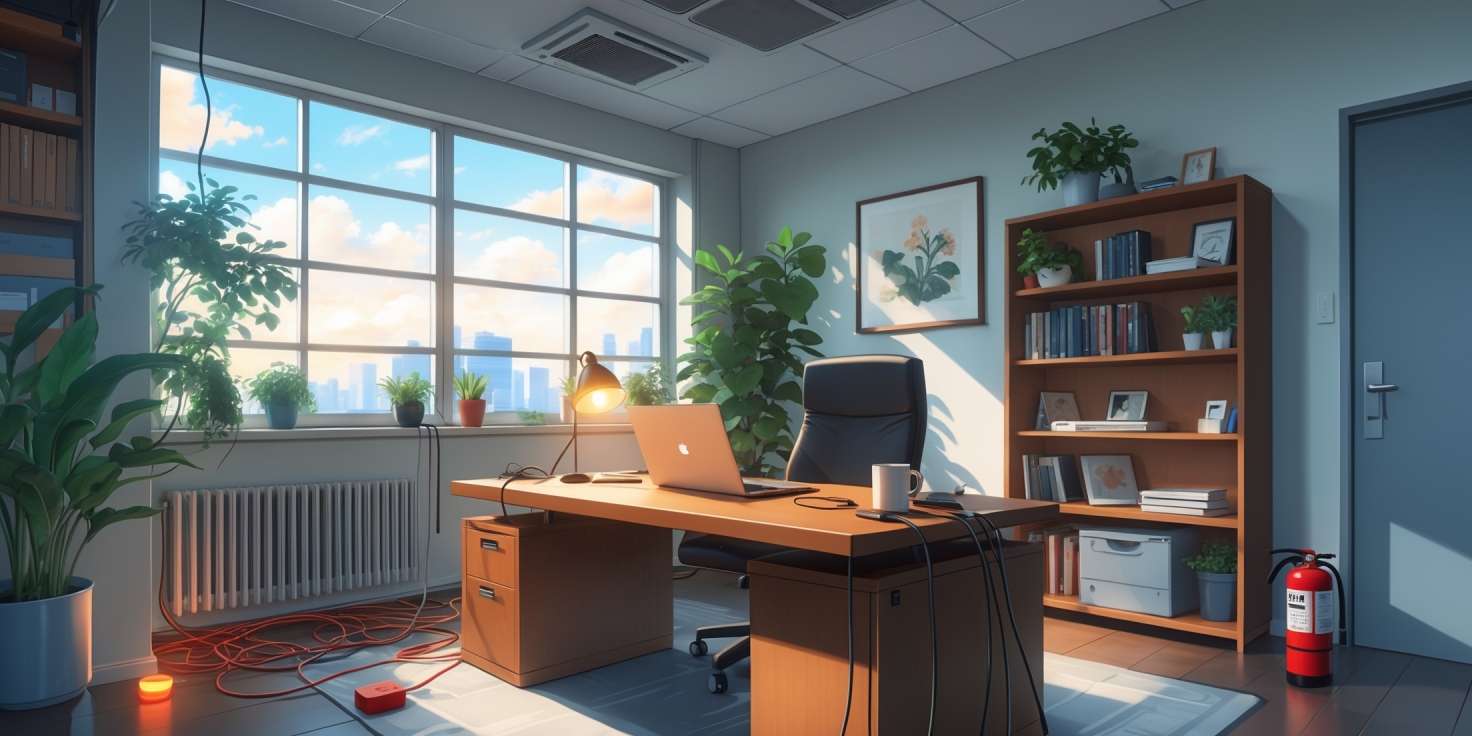
Working from home has become the new norm for many, but with this shift comes new responsibilities—especially when it comes to safety. One often overlooked concern is the risk of fire damage in home office spaces. From overloaded power strips to faulty electronics, the potential for fire hazards is real and can lead to devastating consequences if not addressed promptly. Understanding fire damage risks in home office environments is essential for protecting your property, your work, and your peace of mind.
At COMMITTED TO QUALITY SERVICE, we specialize in fast, friendly, and professional fire damage restoration. Our expert team is equipped to quickly mitigate affected areas and help you recover as efficiently as possible. Whether it’s smoke damage, structural issues, or lingering odors, we’re here to restore your home office to its original condition. Don’t wait until it’s too late—call us now at 855-933-7935 to learn how we can help safeguard your space. Stay informed, stay safe, and trust the professionals when it comes to fire damage prevention and restoration.
Common Causes of Fire in Home Office Setups
Home office spaces have become increasingly common, but with this convenience comes a heightened risk of fire hazards. Understanding the common causes of fire in home office setups is essential for preventing costly damage and ensuring safety. According to the National Fire Protection Association (NFPA), electrical failures or malfunctions are among the leading causes of home fires, especially in areas with high usage of electronic devices.
“Home electrical fires account for an estimated 51,000 fires each year, nearly 500 deaths, and more than 1,400 injuries,” — NFPA.
Several factors contribute to fire risks in home offices:
- Overloaded Power Strips and Extension Cords: Plugging multiple devices into a single outlet can lead to overheating and sparks.
- Improper Use of Space Heaters: Placing heaters too close to flammable materials like paper or curtains is a common mistake.
- Faulty or Outdated Wiring: Older homes may have wiring that cannot handle modern electrical loads, increasing fire risk.
- Unattended Electronics: Leaving devices like laptops or printers running unattended can cause overheating.
- Poor Cable Management: Tangled or pinched cords can wear down insulation and expose wires.
To reduce these risks, regular inspections and safe usage practices are crucial. For more information on how to protect your home office, visit our fire damage page or explore our full range of services.
Additionally, understanding how to detect early signs of damage can be vital. Learn more by reading our guide on how to identify hidden water damage early.
For further reading, check out the NFPA’s official site: https://www.nfpa.org/News-and-Research/Data-research-and-tools/Electrical/Electrical.
Electrical Hazards from Overloaded Power Strips
One of the most common yet overlooked fire hazards in home office spaces is the overuse of power strips. As remote work becomes more prevalent, many individuals rely on multiple electronic devices such as computers, printers, monitors, and chargers—all plugged into a single power source. Overloading power strips can lead to overheating, short circuits, and ultimately, electrical fires. These fires often start silently and spread quickly, causing extensive damage before being detected.
To reduce the risk, it’s essential to understand the electrical capacity of your power strips and avoid plugging in high-wattage devices like space heaters or coffee makers. Investing in surge protectors with built-in circuit breakers can also help prevent dangerous overloads. Regularly inspecting cords for fraying or damage and ensuring that outlets are not warm to the touch are simple but effective safety measures.
If your home office has already suffered from fire-related issues, professional restoration services can help mitigate the damage and restore your space. Learn more about our comprehensive services designed to handle fire damage and other emergencies. For more insights on protecting your home and workspace, visit our informative blog. Taking proactive steps today can prevent costly and dangerous consequences tomorrow.
The Role of Heating Devices in Fire Incidents
Heating devices, while essential for maintaining comfort in home office spaces, can pose significant fire hazards if not used properly. Space heaters, electric blankets, and portable radiators are common sources of heat that, when placed too close to flammable materials like curtains, paper, or furniture, can easily ignite a fire. Overloaded electrical outlets and faulty wiring further increase the risk, especially in older homes or makeshift office setups. It’s crucial to follow manufacturer guidelines, avoid using extension cords with high-wattage devices, and ensure regular maintenance of heating equipment.
Many fire incidents in home offices occur due to negligence or lack of awareness about the safe use of heating appliances. Ensuring that devices are turned off when not in use and keeping them away from combustible materials can significantly reduce the risk. Additionally, installing smoke detectors and having a fire extinguisher nearby are proactive safety measures.
Understanding the potential dangers associated with heating devices is vital for protecting your home and work environment. For more insights on how to safeguard your space, visit our blog or explore our comprehensive services designed to help you recover from fire-related incidents. Prevention and preparedness are key to minimizing fire damage risks in your home office.
Importance of Proper Cable Management
Proper cable management plays a crucial role in minimizing fire damage risks in home office spaces. With the increasing reliance on electronic devices, tangled or overloaded cables can become serious fire hazards. Poorly organized wires not only create tripping dangers but also increase the chances of short circuits, overheating, and electrical sparks, which can ignite nearby flammable materials. Ensuring that cables are neatly arranged, secured, and not overburdened helps maintain a safer working environment.
Using surge protectors, avoiding daisy-chaining power strips, and regularly inspecting cords for wear and tear are essential practices. Additionally, keeping cables away from heat sources and ensuring proper ventilation around electronic equipment can significantly reduce the risk of fire. Investing in cable organizers and labeling systems can also streamline maintenance and troubleshooting, further enhancing safety.
Homeowners should be proactive in identifying potential hazards and taking preventive measures. For more insights into maintaining a safe home office, visit our blog for expert tips and updates. If you’re concerned about existing risks or need professional assistance, explore our comprehensive services designed to protect your property. Prioritizing proper cable management is a simple yet effective step toward preventing devastating fire damage and ensuring peace of mind in your home workspace.
Fire Safety Tips for Remote Workers
Working from home offers flexibility, but it also brings new responsibilities—especially when it comes to fire safety. Home office spaces often include multiple electronic devices, extension cords, and paper clutter, all of which can increase the risk of fire if not properly managed. To protect your workspace and your home, it’s essential to follow practical fire prevention strategies.
Start by ensuring that all electrical equipment is in good condition. Avoid overloading power strips and unplug devices when not in use. Keep flammable materials like paper, curtains, and upholstery away from heat sources such as space heaters or desk lamps. Regularly inspect smoke detectors and replace batteries at least once a year to ensure they function properly in case of an emergency.
It’s also wise to have a fire extinguisher nearby and to familiarize yourself with how to use it. Creating a clear evacuation plan and sharing it with household members can make a significant difference during an emergency. For more insights on protecting your home environment, visit our blog or explore our comprehensive services.
By taking these precautions, remote workers can significantly reduce the risk of fire damage in their home offices and ensure a safer, more secure working environment.
Choosing Fire-Resistant Materials for Office Furniture
When setting up a home office, safety should be just as important as comfort and productivity. One of the most overlooked aspects is the selection of fire-resistant materials for office furniture. Choosing the right materials can significantly reduce the risk of fire damage and enhance overall safety in your workspace. Materials such as metal, treated wood, and fire-retardant fabrics are excellent options for desks, chairs, and storage units. These materials are designed to resist ignition and slow the spread of flames, giving you more time to react in case of an emergency.
Incorporating fire-resistant furniture not only protects your valuable equipment and documents but also contributes to a safer home environment. It’s also wise to pair these materials with other fire safety measures, such as smoke detectors and fire extinguishers. For more insights into fire prevention and damage control, visit our blog where we share expert tips and advice.
Understanding the importance of fire safety in your home office can make a significant difference in preventing costly damage. If you’re unsure where to start, our professional team is here to help. Learn more about our comprehensive services designed to protect your home and office spaces. Prioritizing fire-resistant materials is a smart and proactive step toward a safer, more secure work environment.
Creating an Emergency Evacuation Plan for Your Home Office
Preparing for a fire emergency in your home office is essential to protect both your safety and your property. An effective evacuation plan ensures that you and your household can respond quickly and calmly in the event of a fire. Start by identifying all possible exit routes, including doors and windows, and ensure they are easily accessible and not blocked by furniture or equipment. Install smoke detectors in and around your home office, and test them regularly to ensure they are functioning properly.
Create a clear, written evacuation plan that includes a designated meeting point outside your home. Practice fire drills with your family or housemates at least twice a year to reinforce the plan. Keep important documents, such as insurance papers and identification, in a fireproof safe or a secure digital format. It’s also wise to have a fire extinguisher nearby and know how to use it.
Incorporating fire safety into your home office setup not only minimizes risk but also supports a proactive approach to disaster preparedness. For more information on protecting your property, explore our services or learn about our commitment to safety and restoration on our mission page. Taking these steps today can make all the difference in an emergency, helping you stay safe and recover faster from potential fire damage.
In conclusion, as remote work becomes increasingly common, it’s essential not to overlook the fire damage risks that can arise in home office spaces. From overloaded power strips to improperly maintained electronics, small oversights can lead to significant hazards. By taking proactive steps—such as organizing cables, using surge protectors, avoiding overloading circuits, and ensuring smoke detectors are functional—you can create a safer and more secure work environment. Prioritizing fire safety not only protects your property but also ensures your peace of mind while working from home. Stay informed, stay prepared, and keep your home office safe.