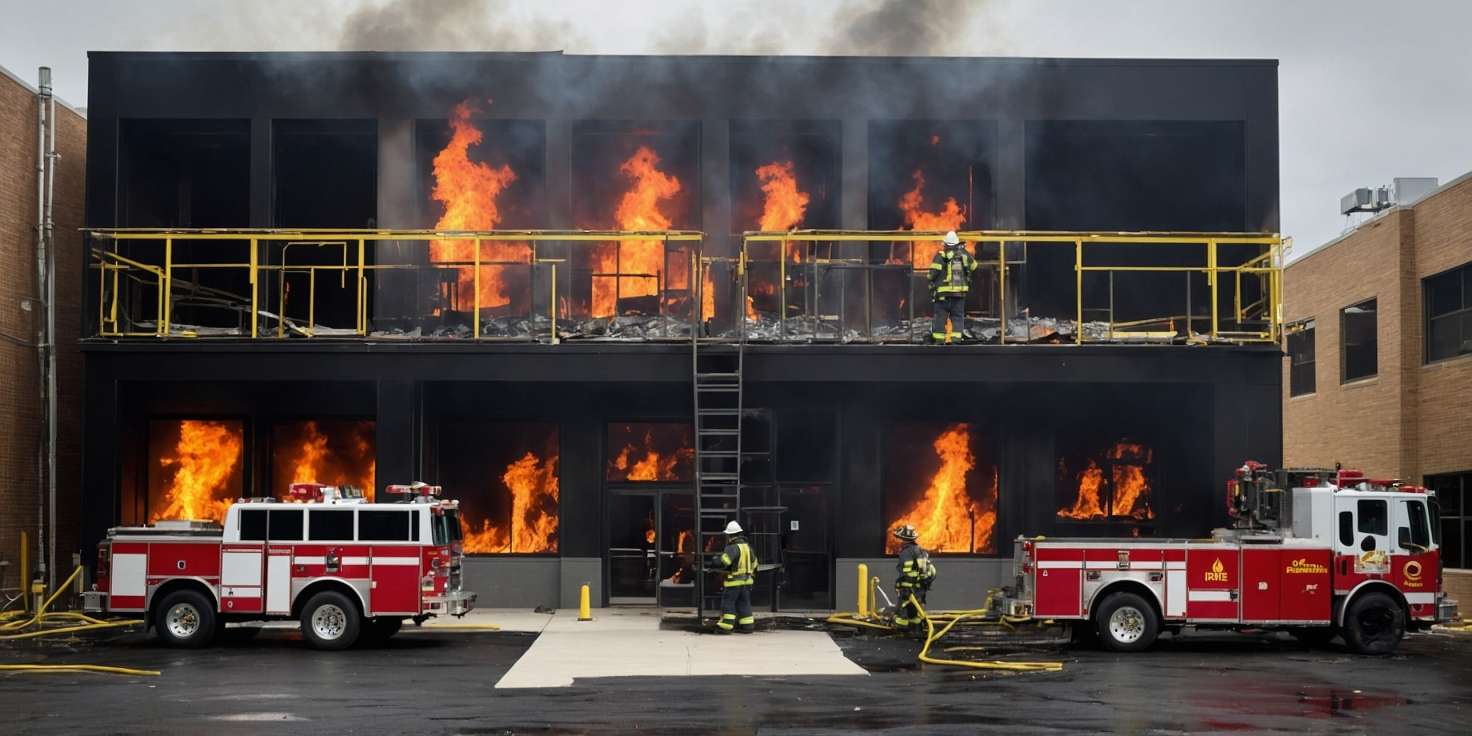
Fire Damage Risks in Multi-Story Commercial Buildings are more serious than many realize. What would happen if a fire broke out on the 10th floor of your office building—would your team know what to do? At Projekt Property Restoration, we’ve seen firsthand how quickly fire can spread and how devastating the aftermath can be. Our mission is to help business owners and property managers prepare, respond, and recover with speed and confidence.
Fire in multi-story buildings poses unique challenges—vertical spread, delayed evacuation, and complex suppression systems. According to the NFPA, high-rise fires cause over $50 million in property damage annually. In this article, we’ll explore the top fire risks in commercial high-rises, how to mitigate them, and what steps to take if disaster strikes.
But fire safety isn’t just about alarms and sprinklers. Experts like Dr. James Milke, Chair of Fire Protection Engineering at the University of Maryland, stress the importance of proactive planning and regular inspections. So, let’s dive into the critical fire risks lurking in multi-story commercial buildings—and how you can stay one step ahead.
Understanding Fire Damage in Multi-Story Commercial Buildings
Fire damage in multi-story commercial buildings involves structural destruction, smoke contamination, and system failures caused by uncontrolled flames. These buildings face heightened risks due to complex layouts, shared utilities, and vertical fire spread. Stairwells, elevator shafts, and ventilation systems often accelerate fire movement between floors.
Unlike single-story structures, high-rises require longer evacuation times and pose greater challenges for emergency responders. Fire suppression systems may fail to reach upper levels effectively, increasing the potential for widespread damage. Additionally, older buildings may lack modern fire-resistant materials or updated safety codes.
According to the National Fire Protection Association, high-rise office buildings experience over 3,000 fire incidents annually in the U.S. One notable case is the 2017 Marco Polo condominium fire in Honolulu, which caused $100 million in damages and claimed four lives. These events highlight the urgent need for proactive fire prevention and response strategies.
To learn more about our expert restoration solutions, visit our services page. For insights into our company values and commitment, explore our mission.
Common Causes of Fire in Multi-Story Commercial Buildings
Electrical malfunctions remain a leading cause of fires in multi-story commercial buildings. Overloaded circuits, outdated wiring, and faulty equipment often spark dangerous blazes. HVAC systems also pose significant risks when poorly maintained. Dust buildup, mechanical failure, or overheating components can ignite fires that spread rapidly through ventilation shafts.
In buildings with commercial kitchens, grease fires are a constant threat. Without proper cleaning and ventilation, these fires can escalate quickly. Human error, such as unattended appliances or careless smoking, further increases the danger. Even a small mistake can lead to devastating consequences.
Building usage plays a major role in fire risk. Office spaces typically face electrical hazards, while retail stores may deal with overloaded lighting and display systems. Mixed-use buildings combine these threats, making fire prevention more complex.
A 2021 fire in a Los Angeles mixed-use tower started from a neglected HVAC unit. It caused millions in damage and displaced dozens. Another incident in a San Francisco office building began with a short circuit in a copier, highlighting the need for regular inspections.
To learn more about our fire prevention strategies, visit our services page or explore our blog for expert tips.
Structural and Design Factors That Influence Fire Risk
The choice of construction materials significantly affects how fire behaves in a building. Lightweight steel and wood can accelerate fire spread, while concrete and fire-resistant materials slow it down. Vertical construction, such as stairwells and elevator shafts, often acts as a chimney, drawing flames upward quickly. Poorly planned layouts with open floor designs allow fire to move freely between areas.
Fire-rated walls, floors, and doors are essential in limiting fire expansion. These barriers resist heat and flames for a set period, giving occupants more time to evacuate. They also help protect critical infrastructure and reduce overall damage.
Compartmentalization plays a vital role in fire safety. Dividing a building into fire zones helps isolate incidents and prevents them from spreading across multiple floors. This strategy is especially important in high-occupancy commercial spaces.
Proper design and materials can mean the difference between containment and catastrophe. For more insights into fire prevention strategies, visit our services page. You can also explore our blog for expert tips and updates.
Fire Detection and Suppression Systems
Modern commercial buildings rely on advanced systems to detect and suppress fires quickly. Smoke detectors and heat sensors are the first line of defense. These devices trigger alarms the moment they sense danger, allowing for rapid evacuation. Sprinkler systems activate automatically, releasing water to contain or extinguish flames. In sensitive areas, gas suppression systems use clean agents to avoid water damage. Fire extinguishers provide manual control and are essential for small, localized incidents.
Routine maintenance ensures these systems function when needed most. Dust, corrosion, or faulty wiring can cause critical failures. Regular inspections help identify and fix issues before they escalate. Building managers must schedule professional checks at least twice a year. Compliance with fire safety codes is not optional—it’s a legal and moral responsibility.
Neglecting these systems can lead to devastating losses. For more on our fire safety solutions, visit our services page. You can also explore our fire damage restoration expertise. Investing in reliable detection and suppression systems is not just smart—it’s essential for protecting lives and property.
Human Factors and Fire Safety Protocols
Careless actions and oversight often spark devastating fires in commercial buildings. Smoking in restricted areas, overloaded circuits, and unattended equipment are common triggers. Even a momentary lapse in judgment can escalate into a full-blown emergency. That’s why consistent fire safety training is essential for all occupants.
Regular fire drills reinforce evacuation routes and reduce panic during real incidents. Clear, accessible evacuation plans must be visible throughout the building. Staff should know their roles and responsibilities during emergencies. Without preparation, confusion can cost lives.
Tenant and employee education is equally vital. Hosting quarterly safety workshops keeps fire protocols fresh in everyone’s mind. Encourage open communication about hazards and near-misses. This proactive approach fosters a culture of safety and accountability.
Best practices include installing visible signage, maintaining clear exits, and conducting routine inspections. Partnering with professionals for fire risk assessments ensures compliance and readiness. For more on our safety-focused approach, visit our about page or explore our comprehensive services.
Ultimately, human behavior can either prevent or provoke disaster. Empowering people with knowledge and preparation makes all the difference.
Legal and Regulatory Requirements
Compliance with fire safety regulations is mandatory in multi-story commercial buildings. The National Fire Protection Association (NFPA) sets widely recognized standards, including NFPA 101 and NFPA 1. Local building codes often adopt or expand on these guidelines. Building owners must ensure that all fire prevention systems meet these standards. Property managers are responsible for regular inspections, maintenance, and staff training. Tenants must follow safety protocols and report hazards immediately.
Failure to comply can lead to severe consequences. Legal actions, fines, and even business shutdowns are common outcomes. Insurance claims may also be denied if negligence is proven. Beyond financial loss, non-compliance puts lives at risk. Regular audits and professional assessments help avoid these issues.
For expert support, explore our services tailored to fire safety and restoration. Learn more about our commitment to safety on our mission page. Staying informed and proactive is the best defense against fire-related liabilities.
Emergency Response and Evacuation Challenges
Evacuating multi-story commercial buildings during a fire presents serious logistical hurdles. Stairwells often become congested, slowing down escape efforts. Elevators are typically disabled, leaving those with mobility issues at greater risk. Panic can spread quickly, making orderly evacuation difficult.
Reliable emergency lighting and clear signage are essential. They guide occupants through smoke-filled corridors and unfamiliar layouts. Communication systems must deliver real-time updates to prevent confusion and direct people to safety. Without these tools, delays can become deadly.
Supporting individuals with disabilities requires pre-planned strategies. Assigning evacuation assistants and installing evacuation chairs can save lives. Staff should receive regular training to handle such situations efficiently.
Fire drills tailored to each floor’s layout improve readiness. They also help identify weak points in the evacuation plan. Building managers must ensure all systems are tested and maintained regularly.
For more on how we support safe evacuations, visit our services page. Learn about our commitment to safety on our mission page. Every second counts during a fire—preparation makes the difference.
Fire Risk Assessment and Prevention Strategies
Start by identifying potential ignition sources, combustible materials, and vulnerable areas within the building. Evaluate fire detection systems, emergency exits, and suppression equipment. Interview staff to understand daily operations and any overlooked hazards. Document findings and prioritize risks based on severity and likelihood.
Schedule routine inspections to ensure all fire safety systems function properly. Upgrade outdated alarms, sprinklers, and extinguishers. Train employees on evacuation procedures and proper equipment use. Keep hallways and exits clear at all times. Install smoke detectors in high-risk zones and test them monthly.
Tailor your prevention plan to the building’s layout and occupancy type. For example, a restaurant requires different protocols than an office. Include floor-specific evacuation routes and assign fire wardens. Review and update the plan annually or after any structural changes.
Partner with professionals for expert guidance. Explore our services to enhance your building’s safety. Learn more about our mission to protect properties on our our mission page. A proactive approach today can prevent a devastating loss tomorrow.
Post-Fire Recovery and Damage Mitigation
After a fire, act fast. First, contact emergency services and ensure everyone is safe. Once cleared, secure the property to prevent further damage or theft. Board up broken windows and restrict access to unsafe areas.
Next, initiate a thorough damage assessment. Document everything with photos and detailed notes. This step is crucial for filing accurate insurance claims. Contact your insurance provider immediately and begin the claims process without delay.
Engage a professional restoration team to evaluate structural integrity and begin cleanup. Choose a company experienced in fire damage recovery to ensure proper handling of hazardous materials and soot removal.
To reduce downtime, implement a business continuity plan. Relocate operations temporarily if needed and communicate updates to clients and staff. Quick action helps maintain trust and minimizes financial loss.
For expert help, explore our full range of services tailored to commercial recovery. Planning ahead and acting swiftly can make all the difference in restoring operations efficiently.
Future Trends in Fire Safety for Commercial High-Rises
Advanced fire safety in commercial high-rises is evolving rapidly. Smart sensors now detect smoke and heat with greater accuracy and speed. These systems instantly alert emergency services, reducing response time significantly. Automated suppression systems, including water mist and clean agent technologies, are replacing traditional sprinklers. They minimize property damage while maximizing fire control.
Innovative building materials are also reshaping fire resilience. Fire-resistant glass, insulated panels, and non-combustible composites are becoming standard in modern construction. These materials not only slow fire spread but also enhance structural integrity during emergencies.
Smart building systems integrate fire safety with real-time monitoring. They use AI to predict risks and optimize evacuation routes. This proactive approach ensures safer outcomes during critical moments.
Sustainability is no longer separate from fire safety. Green buildings now incorporate eco-friendly materials that meet strict fire codes. Solar panels, green roofs, and energy-efficient systems are designed with fire resistance in mind.
To see how these innovations align with restoration efforts, explore our services and learn more about our mission. The future of fire safety is smarter, stronger, and more sustainable than ever.
Frequently Asked Questions (FAQs)
Fires in commercial buildings often start from faulty wiring, overloaded circuits, or neglected heating systems. Regular inspections are crucial—experts recommend checking fire safety systems at least twice a year. Property owners must comply with local fire codes and ensure all systems are up to date. Tenants also play a role by reporting hazards and following safety protocols. A proper evacuation plan should include exit routes, assembly points, and emergency contacts.
Older buildings face higher risks due to outdated materials and infrastructure. Fire codes vary by location, so staying informed about local regulations is essential. Fire marshals inspect properties, enforce codes, and educate occupants on fire prevention. While high-rise fire damage can be restored, the process is complex and time-consuming. Insurance typically covers structural damage, contents, and sometimes business interruption, depending on the policy.
For more details on our restoration process, visit our how-it-works page. You can also explore our full range of services to better understand how we protect commercial properties.