COMMITTED TO QUALITY SERVICE
Call Us Now! 855-933-7935
Fast, Friendly and Professional Service.
Our Services:
- Water Damage – Water Damage Restoration requires special equipment designed specifically for drying structures that have suffered severe water damage.
- Fire Damage – The most crucial step in the fire restoration process is to quickly mitigate the affected area and recover as much as possible.
Detached structures—like garages, sheds, workshops, and guesthouses—are often overlooked when it comes to fire safety. But these buildings are just as vulnerable to fire hazards as your main home, if not more. In this comprehensive guide, we’ll walk you through everything you need to know about Fire Safety for Detached Structures, from prevention to emergency response and restoration.
1. What Is Fire Safety for Detached Structures?
Fire safety for detached structures refers to the practices, tools, and systems used to prevent, detect, and respond to fires in buildings that are separate from the main residence. These include garages, barns, sheds, and other outbuildings. Because these structures often house flammable materials or are used less frequently, they can become fire hazards if not properly maintained.
2. Why Detached Structures Are at Higher Risk
Detached structures often lack the same level of fire protection as the main home. They may not have smoke detectors, fire extinguishers, or even proper wiring. Plus, they’re frequently used to store gasoline, paint, or other flammable materials. This combination makes them ticking time bombs if not properly managed.
3. Common Fire Hazards in Detached Buildings
Let’s break down the usual suspects:
- Improper electrical wiring
- Stored flammable liquids
- Unattended heating equipment
- Combustible clutter
Each of these can turn a minor spark into a full-blown blaze. Regular inspections and maintenance are key to minimizing these risks.
4. Installing Smoke Detectors in Detached Structures
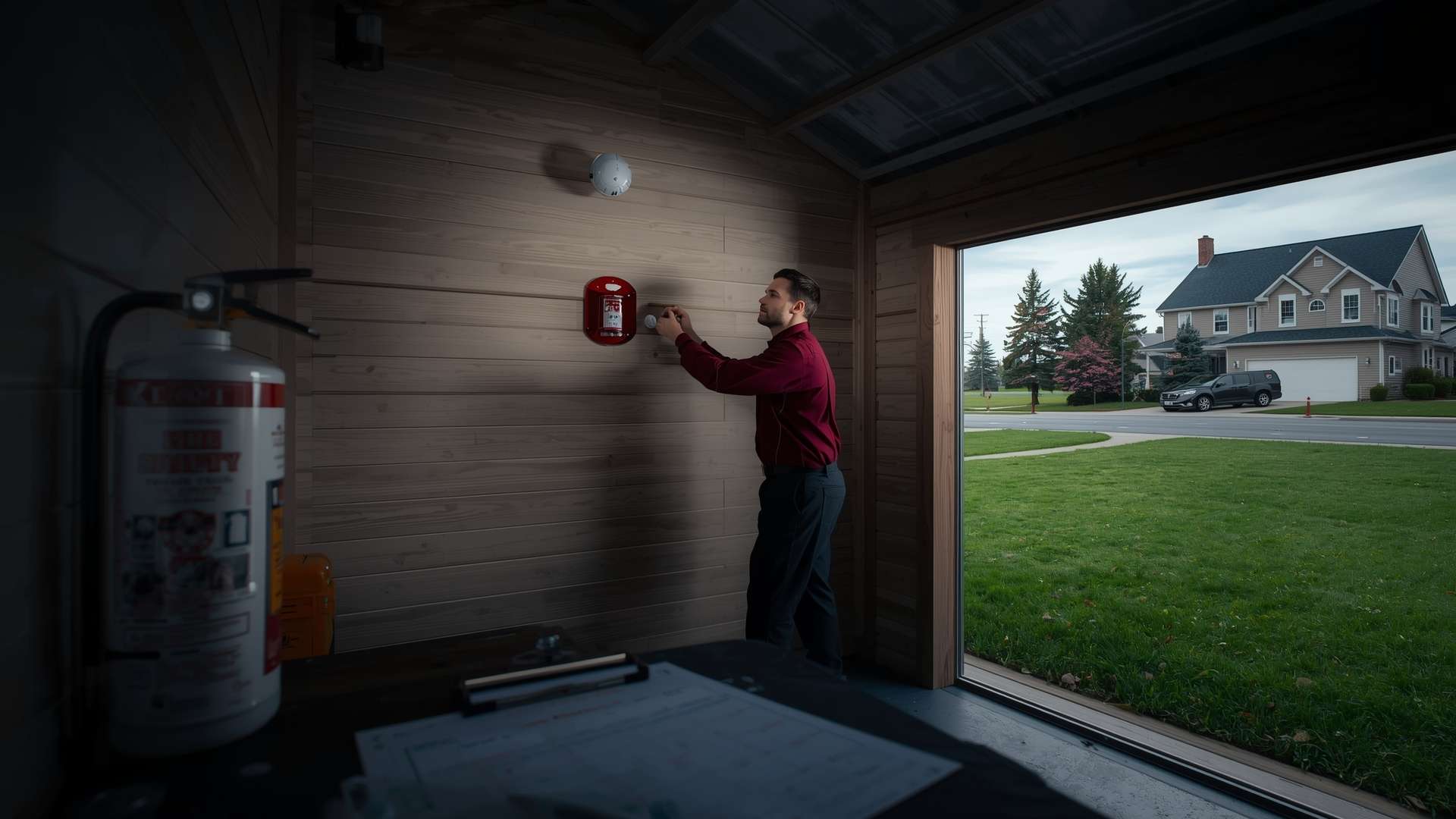
Smoke detectors are your first line of defense. Install battery-operated or hardwired smoke alarms in every detached structure. Test them monthly and replace batteries at least once a year. For added safety, consider interconnected alarms that alert you in the main house if smoke is detected in the outbuilding.
5. Fire Extinguishers: Your First Responder
Every detached structure should have at least one fire extinguisher. Choose a multi-purpose (ABC) extinguisher and mount it in an easily accessible location. Make sure everyone in your household knows how to use it—remember the PASS method: Pull, Aim, Squeeze, Sweep.
6. Safe Storage of Flammable Materials
Gasoline, propane, paint thinner—these are common in sheds and garages but extremely dangerous if not stored correctly. Use approved containers and keep them away from heat sources. Better yet, store them in a dedicated flammable storage cabinet.
7. Electrical Safety in Detached Buildings
Faulty wiring is a leading cause of fires in detached structures. Hire a licensed electrician to inspect and upgrade old wiring. Avoid overloading circuits and unplug tools when not in use. If you’re using extension cords as permanent wiring, it’s time for an upgrade.
8. Heating Equipment Precautions
Space heaters and wood stoves are common in workshops and garages. Keep them at least three feet away from anything flammable. Install carbon monoxide detectors and never leave heaters unattended.
9. Fire-Resistant Building Materials
When building or renovating detached structures, opt for fire-resistant materials like metal roofing, fiber-cement siding, and tempered glass. These materials can slow the spread of fire and give firefighters more time to respond.
10. Landscaping for Fire Prevention
Keep a defensible space around your detached structures. Trim trees, remove dead vegetation, and keep grass short. Avoid storing firewood or other combustibles against the building.
11. Creating a Fire Safety Plan
Every household should have a fire safety plan that includes detached structures. Identify escape routes, designate a meeting spot, and practice fire drills regularly. Make sure everyone knows how to call 911 and what to do in case of a fire.
12. Emergency Service Access
Ensure that emergency responders can easily access your detached structures. Keep driveways clear, install visible address markers, and consider adding a Knox Box for key access.
13. Fire Safety for Detached Garages
Garages often house vehicles, tools, and flammable liquids. Install proper ventilation, avoid clutter, and never run engines indoors. Consider installing a sprinkler system for added protection.
14. Fire Safety for Workshops and Studios
Workshops are high-risk due to power tools, sawdust, and chemicals. Keep the area clean, store chemicals properly, and install a fire-rated door between the workshop and any adjoining structure.
15. Fire Safety for Guesthouses and Tiny Homes
These structures often have electrical and plumbing systems. Treat them like a regular home—install smoke and CO detectors, use safe heating methods, and ensure proper egress windows.
16. Restoration Services After a Fire
After a fire, time is of the essence. Fire damage restoration involves removing soot, smoke, and structural damage. Restoration services like those offered by Projekt Restoration include water damage restoration, mold remediation, and reconstruction services to bring your property back to life.
17. Water Damage Restoration After Firefighting
Firefighting efforts often leave behind significant water damage. Water damage restoration is crucial to prevent mold and structural issues. Specialized drying equipment is used to restore the integrity of your detached structure.
18. Mold Remediation in Fire-Damaged Structures
Where there’s water, there’s mold. After a fire, moisture can seep into walls and floors. Mold remediation ensures that your building is safe, healthy, and mold-free.
19. Emergency Service Response Time Matters
Quick response can mean the difference between minor damage and total loss. That’s why emergency service providers like Projekt Restoration are available 24/7. Call 855-933-7935 for fast, friendly, and professional help.
20. Property Restoration: Rebuilding After the Fire
Property restoration includes everything from debris removal to full-scale reconstruction. It’s not just about fixing what’s broken—it’s about restoring your peace of mind.
21. Biohazard Clean Up in Fire-Damaged Areas
Fires can expose hazardous materials like asbestos, lead, or biological waste. Biohazard clean up ensures that your detached structure is safe for re-entry and use.
22. Reconstruction Services: Building Back Better
After the cleanup, it’s time to rebuild. Reconstruction services include framing, drywall, roofing, and finishing. Choose fire-resistant materials and improved layouts to prevent future incidents.
23. Customer Satisfaction in Fire Restoration
At Projekt Restoration, customer satisfaction is our top priority. From the first call to the final walkthrough, we ensure transparency, quality, and compassion every step of the way.
24. Professional Restoration: Why It Matters
DIY might save a buck, but professional restoration ensures safety, compliance, and long-term durability. Trust experts who are trained, certified, and experienced in handling fire-damaged detached structures.
25. Long-Term Fire Safety Maintenance
Fire safety isn’t a one-and-done deal. Schedule annual inspections, update your fire safety plan, and stay informed. Subscribe to our blog for ongoing tips and updates.
FAQs
1. What’s the best fire extinguisher for a detached garage?
Use a multi-purpose (ABC) extinguisher that can handle wood, electrical, and flammable liquid fires. Mount it near the entrance for quick access.
2. How often should I inspect my detached structure for fire hazards?
Conduct a thorough inspection at least twice a year. Look for frayed wires, flammable clutter, and malfunctioning smoke detectors.
3. Can I install a sprinkler system in a shed?
Yes, especially if the shed is used frequently or stores valuable items. Consult a fire safety professional for installation options.
4. What should I do immediately after a fire in my detached structure?
Call emergency services, then contact Projekt Restoration at 855-933-7935 for emergency mitigation and restoration services.
5. Is mold a concern after a fire?
Absolutely. Water used to extinguish the fire can lead to mold growth. Schedule a mold remediation inspection within 48 hours.
6. How do I know if my detached structure is safe to enter after a fire?
Wait for clearance from fire officials or a professional restoration team. Structural damage and toxic fumes can pose serious risks.
Final Thoughts
Fire safety for detached structures is not just about prevention—it’s about preparation, response, and recovery. Whether it’s a backyard shed or a guesthouse, every building on your property deserves the same level of care and protection. Don’t wait for disaster to strike. Take action today to safeguard your property and your peace of mind.
Need help? Contact Projekt Restoration for expert restoration services, including fire damage restoration, water damage restoration, mold remediation, and more. We’re COMMITTED TO QUALITY SERVICE—call us now at 855-933-7935.
Explore more helpful resources:
Stay safe, stay prepared, and remember—when disaster strikes, Projekt Restoration is just a call away.