
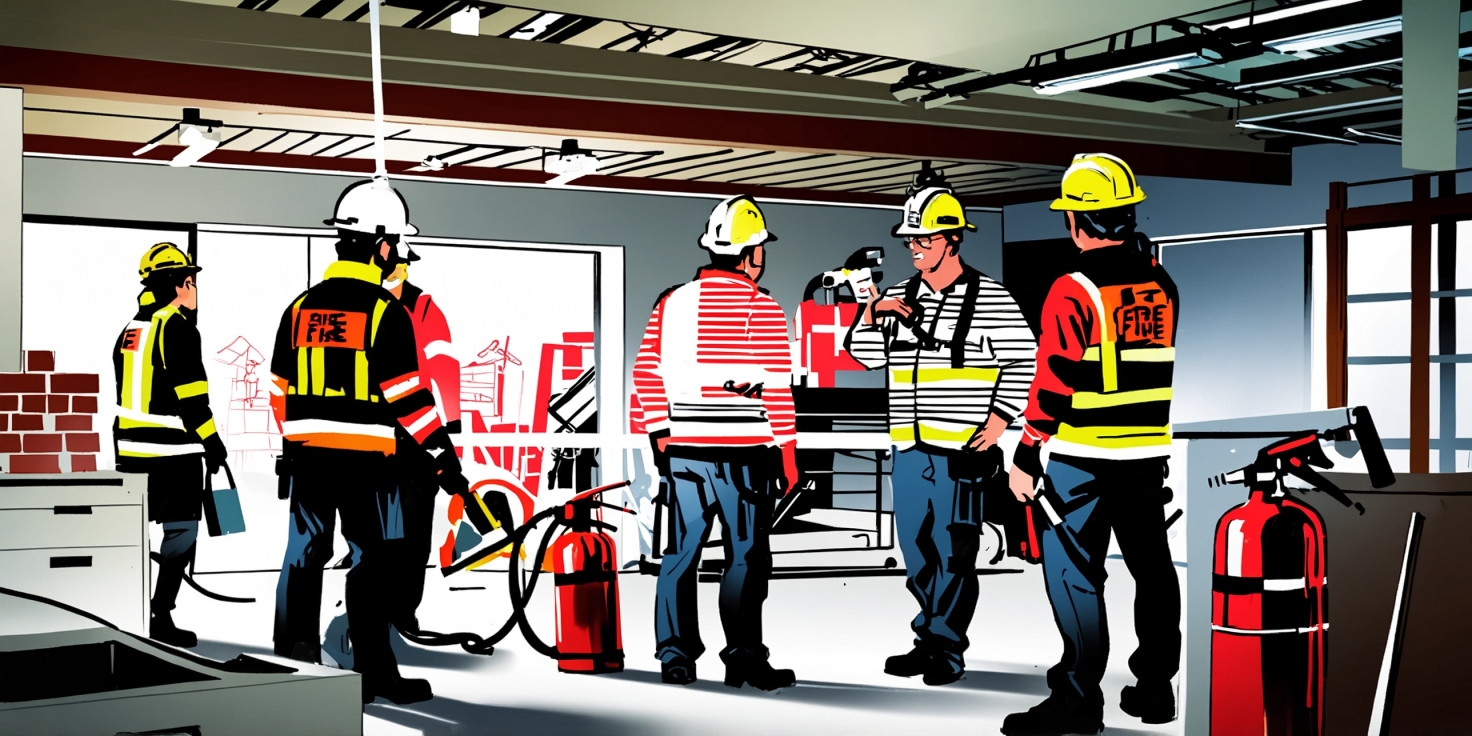
Renovating a property can be an exciting yet challenging task, especially when it comes to maintaining safety on the job site. One of the most critical aspects that renovation crews must prioritize is fire safety. Whether you’re working on a residential remodel or a commercial upgrade, understanding and implementing effective fire safety tips for property renovation crews can prevent costly damage and protect lives. At COMMITTED TO QUALITY SERVICE, we emphasize the importance of proactive fire damage prevention and restoration. Our team offers fast, friendly, and professional service, specializing in both water damage and fire damage restoration. With the right fire safety measures in place—such as proper handling of flammable materials, regular equipment checks, and clear evacuation plans—your renovation project can proceed smoothly and safely. For expert assistance in fire damage mitigation, call us now at 855-933-7935. Let us help you safeguard your property and crew with our trusted restoration services.
Understanding Fire Hazards During Renovation
Renovating a property is an exciting yet complex process that involves multiple trades, tools, and materials. However, amidst the hustle of construction and upgrades, fire hazards often go unnoticed until it’s too late. Understanding the potential fire risks during renovation is crucial for ensuring the safety of both the crew and the property. Renovation activities frequently introduce new ignition sources, disrupt existing fire protection systems, and accumulate flammable materials, all of which significantly increase the risk of fire.
One of the most common causes of fire during renovation is the use of heat-producing tools such as soldering irons, welding equipment, and heat guns. These tools can easily ignite nearby combustible materials like insulation, wood, or dust. According to the National Fire Protection Association (NFPA), “hot work” is responsible for an estimated 4,580 structure fires annually, resulting in $484 million in direct property damage. This highlights the importance of implementing strict safety protocols when using such equipment.
Another major hazard is the temporary disabling of fire protection systems. During renovations, fire alarms and sprinkler systems are often turned off to prevent false alarms or to accommodate structural changes. Unfortunately, this leaves the property vulnerable in the event of an actual fire. It is essential to coordinate with fire safety professionals to ensure that alternative fire watch measures are in place when these systems are offline.
Renovation sites also tend to accumulate large amounts of combustible debris, including sawdust, paint, solvents, and packaging materials. These items can easily catch fire if not properly stored or disposed of. Proper housekeeping and waste management are critical to minimizing this risk. Additionally, electrical hazards are prevalent during renovations. Exposed wiring, overloaded circuits, and temporary power setups can all lead to electrical fires if not handled correctly.
To better understand the types of fire hazards that can arise during renovation, consider the following examples:
- A contractor using a blowtorch to remove old paint accidentally ignites dry wood framing behind a wall.
- Renovation work disables the building’s sprinkler system, and a small electrical fire goes undetected until it causes significant damage.
- Improper storage of flammable chemicals in a poorly ventilated area leads to a fire sparked by a nearby power tool.
“Fire safety during renovation is not just about compliance; it’s about protecting lives and investments,” says the NFPA.
To mitigate these risks, renovation crews should conduct a thorough fire risk assessment before beginning any work. This includes identifying potential ignition sources, evaluating the condition of existing fire protection systems, and ensuring that all workers are trained in fire safety protocols. It’s also advisable to have fire extinguishers readily available and to establish clear evacuation routes.
For more detailed guidance on fire safety practices during renovation, the Occupational Safety and Health Administration (OSHA) provides comprehensive resources at https://www.osha.gov/fire-safety. Additionally, the NFPA offers a variety of tools and checklists tailored to construction and renovation environments at https://www.nfpa.org.
At Projekt Restoration, we prioritize safety in every aspect of our work. Whether you’re dealing with fire damage or planning a major renovation, our team is equipped to help you navigate the complexities of fire prevention. Learn more about our comprehensive services and how we integrate safety into every project.
Understanding fire hazards during renovation is not just a regulatory requirement—it’s a critical component of responsible project management. By recognizing the risks and implementing proactive measures, renovation crews can ensure a safer work environment and protect the long-term value of the property.
Proper Storage and Handling of Flammable Materials
During property renovation projects, the presence of flammable materials such as paints, solvents, adhesives, and fuel-based tools is common. These substances pose a significant fire risk if not stored and handled properly. Ensuring the safe management of these materials is essential to protect both workers and the property itself. One of the first steps in minimizing fire hazards is to store flammable items in clearly labeled, approved containers that are specifically designed to prevent leaks and reduce vapor emissions. These containers should be kept in well-ventilated areas away from direct sunlight, heat sources, and ignition points. It is also crucial to maintain a clean and organized storage space, free from clutter and combustible debris, to prevent accidental ignition.
Renovation crews should be trained to recognize the risks associated with flammable materials and follow established safety protocols. This includes reading and understanding the safety data sheets (SDS) for each product, which provide detailed information on proper handling, storage, and emergency procedures. Workers should wear appropriate personal protective equipment (PPE) such as gloves, goggles, and flame-resistant clothing when dealing with hazardous substances. Additionally, it is important to avoid smoking or using open flames near storage areas, and to ensure that fire extinguishers are readily accessible and regularly maintained.
Proper ventilation is another key factor in reducing the risk of fire. When using flammable liquids indoors, ensure that the space is adequately ventilated to disperse potentially explosive vapors. Mechanical ventilation systems or exhaust fans can be used to maintain airflow and prevent the buildup of fumes. In cases where ventilation is limited, consider using less volatile alternatives or scheduling work during times when the area can be safely ventilated.
Segregating incompatible materials is also essential. For example, oxidizers should not be stored near flammable liquids, as their interaction can lead to dangerous chemical reactions. Use designated storage cabinets or rooms that comply with local fire codes and regulations. These storage units should be equipped with spill containment features and be located away from high-traffic areas to minimize the risk of accidental damage.
Regular inspections and maintenance of storage areas are vital to ensure ongoing safety. Check for signs of leaks, corrosion, or damage to containers, and replace any compromised items immediately. Keep an up-to-date inventory of all flammable materials on-site and ensure that all containers are clearly labeled with their contents and hazard warnings. This not only helps in maintaining safety but also assists emergency responders in case of an incident.
Incorporating fire safety into your renovation planning can significantly reduce the risk of accidents. Consider consulting with fire safety professionals or reviewing resources available on our services page to better understand how to integrate safety measures into your workflow. Additionally, our blog offers valuable insights and updates on best practices for handling hazardous materials during property restoration projects.
By prioritizing the safe storage and handling of flammable materials, renovation crews can create a safer work environment, protect property investments, and ensure compliance with safety regulations. Taking these precautions not only helps prevent fires but also demonstrates a commitment to professional standards and responsible renovation practices.
Safe Use of Electrical Tools and Equipment
When working on property renovations, the use of electrical tools and equipment is often unavoidable. However, improper handling or faulty equipment can pose serious fire hazards. To ensure fire safety during renovation projects, it is essential for crews to follow best practices when using electrical tools. Start by inspecting all tools and cords before use. Look for frayed wires, exposed conductors, or damaged plugs, and immediately remove any compromised equipment from service. Using damaged tools can lead to short circuits or sparks that may ignite nearby flammable materials such as insulation, wood, or paint fumes.
Always use tools that are rated for the specific job and environment. For example, if working in damp or wet areas, ensure the tools are designed for such conditions to prevent electrical shock or fire. Ground Fault Circuit Interrupters (GFCIs) should be used with all power tools, especially in areas where moisture is present. These devices can detect imbalances in electrical current and shut off power before a fire or injury occurs. Additionally, avoid overloading circuits by plugging too many tools into a single outlet or extension cord. Overloaded circuits can overheat and become a significant fire risk.
Proper storage and maintenance of electrical tools are equally important. After use, tools should be unplugged and stored in a dry, secure location. Cords should be coiled neatly without sharp bends or pressure points that could damage the insulation. Regular maintenance, such as cleaning vents and checking for wear, helps extend the life of the equipment and ensures safe operation. It is also advisable to follow the manufacturer’s instructions for each tool, including recommended usage and maintenance schedules.
Training is a critical component of fire safety when using electrical tools. All renovation crew members should be trained in the correct operation of each tool they are expected to use. They should also be familiar with the location and proper use of fire extinguishers and know how to respond in case of an electrical fire. Unlike other types of fires, electrical fires should never be extinguished with water, as this can cause electrocution. Instead, a Class C fire extinguisher should be used, which is specifically designed for electrical fires.
Worksite organization also plays a role in minimizing fire risks. Keep the workspace clean and free of clutter, especially around electrical outlets and power strips. Avoid running cords through doorways or under carpets, as this can cause wear and increase the risk of sparks. If extension cords are necessary, use heavy-duty cords that are rated for the power load and length required. Never daisy-chain multiple extension cords together, as this can lead to overheating.
In addition to these precautions, it’s important to have a clear emergency plan in place. This includes knowing how to shut off power quickly in the event of an emergency and having a designated evacuation route. Regular safety drills can help ensure that all team members are prepared to act swiftly and safely if a fire does occur.
For renovation crews looking to enhance their fire safety protocols, partnering with experienced professionals can make a significant difference. At Projekt Restoration, we offer a range of services designed to support safe and efficient property restoration. Our team is committed to educating clients and contractors alike on best practices for fire prevention and response. You can learn more about our mission and values by visiting our Our Mission page.
By taking these steps, renovation crews can significantly reduce the risk of fire caused by electrical tools and equipment. Prioritizing safety not only protects the property being renovated but also ensures the well-being of every team member on site.
Implementing a Fire Watch During High-Risk Activities
During property renovations, certain tasks such as welding, cutting, grinding, or using open flames significantly increase the risk of fire. These high-risk activities demand vigilant oversight to prevent accidents and ensure the safety of both workers and the property. One of the most effective strategies to mitigate these risks is the implementation of a fire watch. A fire watch involves assigning trained personnel to monitor the area during and after high-risk operations to detect and respond to any signs of fire immediately. This proactive approach is essential in environments where flammable materials, dust, or debris are present, and where fire suppression systems may be temporarily disabled due to ongoing work.
The primary role of a fire watch is to maintain constant surveillance over the work area, especially when hot work is being performed. This includes checking for smoldering materials, sparks, or any unusual heat sources that could ignite a fire. Fire watch personnel should be equipped with fire extinguishers and communication tools, and they must be trained to respond swiftly in the event of an emergency. Their presence is not just a precaution but a critical component of a comprehensive fire safety plan during renovation projects.
Fire watches should begin before the high-risk activity starts and continue for a designated period after the work is completed. This post-activity monitoring is crucial, as fires can sometimes ignite from lingering heat or unnoticed embers. The duration of the fire watch should be determined based on the nature of the work, the materials involved, and the specific risks identified during a pre-job hazard assessment.
In addition to having a fire watch in place, renovation crews should ensure that all workers are aware of fire safety protocols and evacuation procedures. Regular safety briefings and drills can reinforce the importance of vigilance and preparedness. It is also advisable to maintain clear access to fire exits and ensure that fire extinguishers are readily available and in working condition.
For property owners and managers, partnering with a professional restoration and safety service can provide peace of mind. Companies like Projekt Restoration offer comprehensive services that include fire damage prevention and emergency response planning. These experts can help assess the specific fire risks associated with your renovation project and recommend tailored solutions to enhance safety.
Moreover, understanding the broader scope of fire safety during renovations can be beneficial. For example, reviewing the company’s about page can give insight into their experience and commitment to safety, while exploring their blog may provide additional tips and case studies on managing fire risks in various renovation scenarios.
Implementing a fire watch is not just about compliance with safety regulations; it is about protecting lives, property, and investments. Fires during renovations can lead to devastating losses, costly delays, and potential legal liabilities. By taking proactive measures such as assigning a dedicated fire watch, renovation crews can significantly reduce the likelihood of fire incidents and ensure a safer working environment for everyone involved.
Ensuring Access to Fire Extinguishers and Emergency Exits
During any property renovation project, maintaining clear and immediate access to fire extinguishers and emergency exits is a critical component of fire safety. Renovation sites often involve the use of flammable materials, electrical tools, and temporary wiring, all of which increase the risk of fire hazards. Ensuring that fire extinguishers are strategically placed and easily accessible can make a significant difference in preventing small fires from escalating into major disasters. It is essential for renovation crews to be trained in the proper use of fire extinguishers and to understand the different types available, such as those designed for electrical fires or flammable liquids. This knowledge empowers workers to act quickly and effectively in the event of an emergency.
Equally important is the unobstructed access to emergency exits. During renovations, it is common for pathways to become blocked by construction materials, tools, or debris. However, these obstructions can delay evacuation and increase the risk of injury or fatalities during a fire. Renovation crews must regularly inspect and maintain clear exit routes, ensuring that all workers are aware of their locations and that signage is visible and illuminated. Emergency lighting should also be tested periodically to ensure it functions correctly in low-visibility conditions.
In addition to physical access, communication plays a vital role in fire safety. All crew members should be briefed on the location of fire extinguishers and emergency exits during the initial safety orientation. Regular safety drills can reinforce this knowledge and help workers respond calmly and efficiently under pressure. It is also advisable to assign specific team members the responsibility of checking that fire safety equipment is in place and operational at the start and end of each workday.
Fire safety planning should be integrated into the broader renovation strategy. This includes coordinating with property owners and local fire departments to ensure compliance with safety codes and regulations. For example, if a renovation involves changes to the building layout, it may be necessary to update the fire escape plan and install additional extinguishers or signage. These proactive measures not only protect the renovation crew but also safeguard the property and its future occupants.
Furthermore, renovation teams should be aware of the potential for hidden fire hazards, such as faulty wiring or compromised insulation, which can be uncovered during demolition or structural work. Identifying and addressing these risks early can prevent future incidents. For more insights into identifying hidden dangers during renovation, you can explore our guide on how to identify hidden water damage early, which also highlights the importance of thorough inspections.
At Projekt Restoration, we emphasize a comprehensive approach to safety across all our services, including fire damage restoration and prevention. Our team is committed to helping property owners and renovation crews implement effective fire safety protocols that align with industry standards. We believe that safety should never be compromised, especially in environments where the risk of fire is elevated due to ongoing construction activities.
In conclusion, ensuring access to fire extinguishers and emergency exits is not just a regulatory requirement but a fundamental aspect of protecting lives and property during renovation projects. By maintaining clear pathways, properly placing fire extinguishers, conducting regular safety training, and integrating fire safety into the overall renovation plan, crews can significantly reduce the risk of fire-related incidents. For more information about our commitment to safety and excellence, visit our about page to learn more about our team and values.
Training Crew Members on Fire Safety Protocols
Ensuring that every crew member is thoroughly trained in fire safety protocols is a critical component of maintaining a secure work environment during property renovation projects. Renovation sites often involve high-risk activities such as welding, electrical work, and the use of flammable materials, all of which can significantly increase the likelihood of a fire. Therefore, it is essential that all team members understand not only how to prevent fires but also how to respond effectively in the event of an emergency. Comprehensive fire safety training should begin with identifying potential fire hazards specific to the renovation site. This includes recognizing overloaded circuits, improper storage of combustible materials, and the use of heat-producing tools. Crew members should be educated on the importance of maintaining a clean and organized workspace, as clutter can obstruct evacuation routes and fuel a fire if one starts.
In addition to hazard identification, training should cover the proper use of fire extinguishers, including the different types and their appropriate applications. For example, electrical fires require a different extinguisher than those caused by flammable liquids. Crew members must also be familiar with the location of fire extinguishers, alarms, and emergency exits. Regular fire drills should be conducted to ensure that everyone knows the evacuation plan and can execute it quickly and calmly. These drills help reinforce the importance of staying alert and prepared at all times. It is also beneficial to assign specific roles during emergencies, such as a fire warden responsible for checking that all personnel have evacuated safely.
Another key aspect of fire safety training is communication. Workers should be encouraged to report any unsafe conditions immediately and to speak up if they notice a colleague engaging in risky behavior. Establishing a culture of safety and accountability can significantly reduce the chances of a fire-related incident. Supervisors and project managers should lead by example, consistently following safety protocols and reinforcing their importance during daily briefings or toolbox talks. Incorporating fire safety into the overall safety training program ensures that it remains a priority throughout the duration of the renovation project.
Moreover, it is important to stay updated with local fire codes and regulations, as compliance is not only a legal requirement but also a practical measure to protect lives and property. Partnering with a professional restoration company that prioritizes safety can also be advantageous. At Projekt Restoration, we emphasize the importance of safety training and provide resources to help renovation crews stay informed and prepared. Our team understands the complexities of working in environments where fire hazards are present and offers guidance to ensure best practices are followed.
For those looking to enhance their knowledge further, our blog offers valuable insights into fire prevention strategies and other safety-related topics. By investing in proper training and fostering a proactive safety culture, renovation crews can significantly reduce the risk of fire incidents, ensuring a safer and more efficient worksite for everyone involved.
Coordinating with Local Fire Authorities and Inspectors
When undertaking property renovation projects, one of the most critical yet often overlooked aspects is maintaining open communication and collaboration with local fire authorities and inspectors. These professionals play a vital role in ensuring that all renovation activities comply with fire safety regulations and building codes. Early and consistent coordination with them not only helps prevent costly delays but also significantly reduces the risk of fire hazards during and after the renovation process.
Before beginning any renovation work, it is essential for crews to familiarize themselves with the specific fire safety codes and requirements applicable in their jurisdiction. Fire codes can vary widely depending on the location, type of property, and scope of the renovation. By consulting with local fire departments and inspectors early in the planning phase, renovation teams can gain valuable insights into necessary fire prevention measures, such as the installation of fire-resistant materials, proper placement of fire extinguishers, and the maintenance of clear egress routes.
Fire inspectors are also instrumental in identifying potential fire hazards that may not be immediately obvious to renovation crews. These can include outdated wiring, blocked fire exits, or the improper storage of flammable materials. By working closely with inspectors, crews can proactively address these issues before they escalate into serious safety concerns. This collaboration ensures that the renovation project not only meets legal standards but also upholds the highest level of safety for workers and future occupants.
Moreover, local fire authorities can provide guidance on emergency preparedness during renovation. This includes developing evacuation plans, conducting fire drills, and ensuring that all workers are trained in basic fire response procedures. Such preparedness is especially important in active construction zones where the risk of fire can be heightened due to the use of power tools, temporary heating sources, and combustible building materials.
In addition to safety, maintaining a strong relationship with fire inspectors can streamline the inspection and approval process. When inspectors are involved from the beginning, they are more likely to be familiar with the project’s scope and progress, making final inspections more efficient and less likely to result in unexpected compliance issues. This proactive approach can save both time and money, helping renovation crews stay on schedule and within budget.
For property owners and renovation professionals seeking comprehensive support, working with experienced restoration companies can be highly beneficial. These companies often have established relationships with local fire authorities and understand the nuances of fire safety compliance. At Projekt Restoration, our team is well-versed in coordinating with inspectors and ensuring that all renovation work aligns with fire safety standards. Our commitment to safety and quality is reflected in every project we undertake.
Additionally, understanding the broader context of fire safety in property renovation can be enhanced by exploring resources and case studies. Our blog offers valuable insights into best practices, common challenges, and expert tips for maintaining fire safety throughout the renovation process. Whether you are a contractor, property manager, or homeowner, staying informed and engaged with local fire authorities is a crucial step toward a successful and safe renovation.
In conclusion, coordinating with local fire authorities and inspectors is not just a regulatory requirement but a strategic advantage for property renovation crews. It fosters a culture of safety, ensures compliance with fire codes, and enhances the overall quality and durability of the renovation work. By prioritizing this collaboration, renovation teams can confidently move forward, knowing they are protecting both their investment and the lives of those who will occupy the space.
In conclusion, fire safety should be a top priority for any property renovation crew. By staying vigilant, following proper safety protocols, and ensuring all team members are trained and equipped to handle potential fire hazards, crews can significantly reduce the risk of fire-related incidents on the job site. From proper storage of flammable materials to maintaining clear evacuation routes and using fire-resistant equipment, every precaution counts. Remember, a safe work environment not only protects lives and property but also ensures the successful and timely completion of renovation projects. Stay informed, stay prepared, and make fire safety an integral part of your renovation process.