
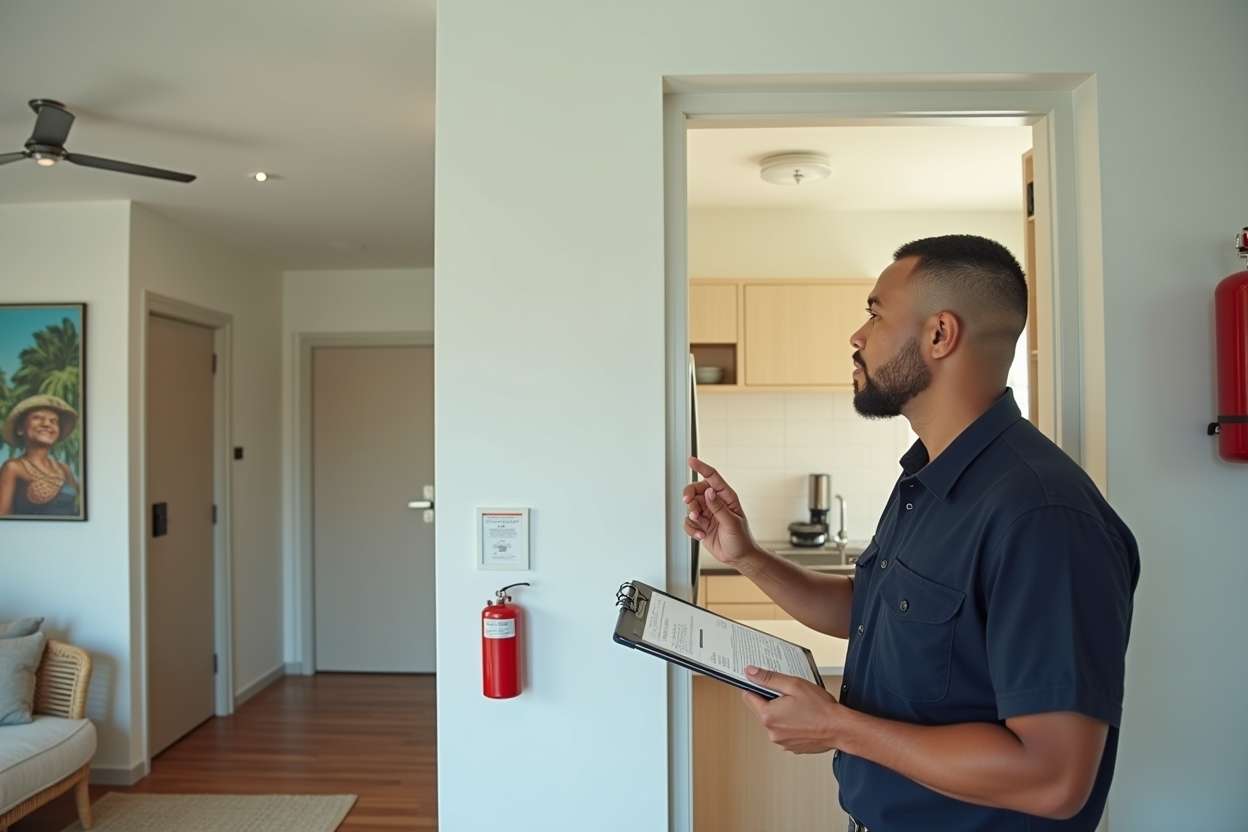
When it comes to enjoying your time away, peace of mind is just as important as relaxation—especially when it involves your vacation property. Ensuring fire safety in vacation homes is essential to protect your investment and the well-being of your guests. Whether your property is nestled in the mountains, near the beach, or in a quiet suburban neighborhood, taking proactive steps to prevent fire hazards can make all the difference. From installing smoke detectors to maintaining electrical systems, these fire safety tips for vacation homes are designed to help you minimize risks and respond quickly in case of an emergency.
At COMMITTED TO QUALITY SERVICE, we understand how devastating fire damage can be. That’s why our team offers fast, friendly, and professional fire damage restoration services to help you recover quickly. Our experts are available at 855-933-7935 to assist with everything from fire mitigation to complete restoration. In addition to fire damage, we also specialize in water damage restoration, using advanced equipment to dry and restore affected structures efficiently. Protect your vacation home with these essential fire prevention strategies and know that help is just a call away.
Install Smoke Alarms in Key Areas
One of the most critical steps in ensuring fire safety in your vacation home is the proper installation of smoke alarms in strategic locations. These devices serve as the first line of defense against fire-related incidents, offering early warnings that can save lives and minimize property damage. According to the National Fire Protection Association (NFPA), three out of five home fire deaths occur in properties without working smoke alarms or with none installed at all. This alarming statistic underscores the importance of not only having smoke alarms but also placing them in the right areas.
To maximize the effectiveness of smoke alarms, it is essential to understand where they should be installed. The NFPA recommends placing smoke alarms inside every bedroom, outside each sleeping area, and on every level of the home, including the basement. For vacation homes, which may be unoccupied for extended periods, this becomes even more crucial. Fires can start from electrical faults, unattended appliances, or even lightning strikes, and without someone present to respond immediately, early detection through smoke alarms becomes vital.
When installing smoke alarms, consider the layout and unique features of your vacation property. For example, if your home has a fireplace, wood stove, or other heat-producing appliances, ensure that alarms are installed nearby but not so close that false alarms become a frequent issue. Similarly, kitchens should have alarms installed at a safe distance to avoid nuisance triggers from cooking smoke. Hallways, stairwells, and utility rooms are also key areas that should not be overlooked.
“Working smoke alarms cut the risk of dying in a home fire in half.” – National Fire Protection Association
In addition to placement, the type of smoke alarm matters. There are two main types: ionization and photoelectric. Ionization alarms are quicker at detecting flaming fires, while photoelectric alarms are more responsive to smoldering fires. For comprehensive protection, it is advisable to use a combination of both or opt for dual-sensor alarms that incorporate both technologies.
Another critical aspect is the power source. Battery-operated alarms are easy to install and ideal for remote vacation homes without consistent electrical service. However, hardwired alarms with battery backup offer more reliability, especially in homes with stable power supply. Regardless of the type, it is essential to test smoke alarms monthly and replace batteries at least once a year. Additionally, the entire unit should be replaced every 10 years, as sensors degrade over time.
For vacation homes that are rented out or shared among family members, it is important to educate all occupants on the location and function of smoke alarms. Clear instructions should be provided, and regular checks should be part of the property maintenance routine. If your vacation home is part of a rental platform like Airbnb or Vrbo, having a well-maintained fire safety system, including smoke alarms, can also enhance your property’s credibility and attract more guests.
Here are some key areas where smoke alarms should be installed:
- Inside each bedroom or sleeping area
- Outside each sleeping area, such as in hallways
- On every level of the home, including basements and attics
- Near stairways and exits
- In living rooms or dens, especially if they contain fireplaces
- In utility rooms or near major appliances
It is also advisable to interconnect smoke alarms so that when one sounds, they all do. This feature is especially beneficial in larger vacation homes where a fire in one part of the house may not be immediately noticed in another. Interconnected alarms can be hardwired or wireless, depending on the structure and age of the property.
For those looking to enhance their fire safety measures further, consider integrating your smoke alarm system with a smart home setup. Many modern alarms can send alerts to your smartphone, allowing you to monitor your property remotely. This is particularly useful for vacation homes that are not occupied year-round. Smart alarms can also be connected to other safety systems, such as carbon monoxide detectors and security cameras, for a more comprehensive safety network.
Maintenance is another crucial factor. Dust, insects, and humidity can affect the performance of smoke alarms. Regular cleaning and inspection should be part of your home maintenance checklist. If you are unsure about the condition of your alarms or need help with installation, consider hiring a professional. At Projekt Restoration, we offer a range of services that include fire damage prevention and safety consultations to help you safeguard your vacation property.
In the unfortunate event of a fire, having a reliable smoke alarm system can significantly reduce the extent of damage. Early detection allows for quicker response times, whether by occupants or emergency services. If your property has suffered from fire damage, our expert team is equipped to handle complete fire damage restoration, ensuring your home is safe and habitable once again.
For more information on how to protect your vacation home from fire hazards, visit our blog or check out our FAQ section. You can also explore our gallery to see examples of our restoration work and learn more about our commitment to safety and quality.
In conclusion, installing smoke alarms in key areas of your vacation home is not just a recommendation—it is a necessity. These devices provide essential early warnings that can save lives and protect property. By understanding where to place them, choosing the right types, and maintaining them properly, you can ensure that your vacation home remains a safe and enjoyable retreat for years to come.
For additional guidance on fire safety and property protection, consider reviewing resources from the NFPA at https://www.nfpa.org and the U.S. Fire Administration at https://www.usfa.fema.gov. These organizations offer valuable insights and up-to-date recommendations to help homeowners stay informed and prepared.
Test and Maintain Fire Detection Devices Regularly
Ensuring the safety of your vacation home involves more than just locking the doors and turning off the lights before you leave. One of the most critical yet often overlooked aspects of fire safety is the regular testing and maintenance of fire detection devices. Smoke detectors and fire alarms serve as the first line of defense in alerting occupants to potential fire hazards, giving them the precious time needed to evacuate or take action. In a vacation home, where you may not be present year-round, the importance of these devices functioning properly becomes even more significant. A malfunctioning smoke detector can mean the difference between a minor incident and a devastating loss.
To begin with, it is essential to install high-quality smoke detectors and fire alarms in all key areas of your vacation home. This includes bedrooms, hallways, kitchens, and any other rooms where fires are likely to start. Once installed, these devices should be tested at least once a month. Testing is a simple process that usually involves pressing a button on the unit to ensure the alarm sounds. If the alarm does not go off, it may indicate a dead battery or a faulty device, both of which require immediate attention. For battery-operated detectors, replacing the batteries twice a year is a good rule of thumb. Many homeowners find it convenient to do this when adjusting clocks for daylight saving time.
In addition to monthly testing, a more thorough inspection should be conducted at least once a year. This includes checking for dust or debris that may have accumulated on the sensors, which can impair their ability to detect smoke. Use a vacuum cleaner or a soft brush to gently clean the units. Also, verify that the devices are securely mounted and have not been tampered with or damaged. If your vacation home is located in a humid or coastal area, corrosion can be an issue, so be sure to inspect the battery terminals and other metal components for signs of rust or wear.
Another important aspect of maintaining fire detection systems is staying updated with the latest technology. Modern smoke detectors come with features such as carbon monoxide detection, voice alerts, and even smart home integration. These advanced models can send alerts to your smartphone, allowing you to monitor your vacation home remotely. This is particularly useful if your property is unoccupied for extended periods. If your current devices are more than ten years old, consider upgrading to newer models to ensure optimal performance and safety.
It is also advisable to keep a maintenance log for your fire detection devices. This log should include the dates of battery replacements, testing, and any repairs or replacements made. Having a documented history not only helps you stay on top of maintenance but can also be useful for insurance purposes or when renting out the property. If you are unsure about how to properly test or maintain your devices, consider hiring a professional service. Many companies offer comprehensive fire safety inspections as part of their services, ensuring that all safety equipment is in working order.
Moreover, integrating your fire detection maintenance with other home safety checks can streamline the process. For instance, when inspecting for potential water damage or mold issues, take the opportunity to test your smoke detectors as well. This holistic approach not only saves time but also ensures that your vacation home remains a safe and healthy environment for you and your guests.
Communication is another key element, especially if you rent out your vacation home. Make sure that guests are aware of the location of all fire detection devices and understand how to use them. Include this information in your welcome packet or post it clearly in the home. Encourage guests to notify you immediately if they notice any issues with the alarms. This proactive approach can help you address problems before they escalate.
In some cases, local regulations may require specific types of fire detection systems or periodic inspections. Be sure to familiarize yourself with the fire safety codes applicable to your vacation home’s location. Compliance not only ensures safety but can also protect you from legal liabilities. If you are unsure about the requirements, consult with local fire authorities or a professional restoration company that understands regional safety standards. You can learn more about such services and compliance by visiting the about page of a trusted provider.
Finally, remember that fire safety is an ongoing responsibility. Regularly testing and maintaining your fire detection devices is not a one-time task but a continuous commitment to protecting your property and the lives of those who use it. By incorporating these practices into your routine, you can enjoy peace of mind knowing that your vacation home is well-prepared to handle potential fire emergencies. Whether you are staying there yourself or hosting guests, a well-maintained fire detection system is a crucial component of a comprehensive fire safety strategy.
Keep Fire Extinguishers Accessible and Up to Date
One of the most crucial aspects of fire safety in vacation homes is ensuring that fire extinguishers are both easily accessible and properly maintained. A fire extinguisher can be the first line of defense in preventing a small fire from turning into a devastating blaze. For vacation properties, which may be unoccupied for extended periods, the importance of having a working fire extinguisher in key areas cannot be overstated. It is essential to place extinguishers in high-risk zones such as the kitchen, near fireplaces, and in garages or utility rooms. These are areas where fires are most likely to start, and having an extinguisher within reach can make a significant difference in emergency response time. Additionally, it is important to ensure that all guests and property managers know the locations of these extinguishers and understand how to use them correctly. Regular checks should be performed to confirm that the extinguishers are fully charged, not expired, and free from any damage or corrosion. This includes checking the pressure gauge, ensuring the safety pin is intact, and verifying that the instructions are legible. Fire extinguishers typically have a lifespan of 5 to 15 years, depending on the type and manufacturer, so keeping track of their expiration dates is vital. Property owners should also consider scheduling annual inspections by certified professionals to maintain compliance with local fire safety regulations. In addition to physical maintenance, it is wise to include fire extinguisher usage instructions in the welcome packet or house manual provided to guests. This proactive approach not only enhances safety but also demonstrates a commitment to responsible property management. For those who manage multiple vacation homes or are unsure about fire safety protocols, consulting with a professional restoration and safety service can be invaluable. Companies like Projekt Restoration offer a range of services that include fire damage prevention and recovery, ensuring your property is well-protected. You can also learn more about their mission and dedication to safety by visiting their our mission page. By taking these steps, vacation homeowners can significantly reduce the risk of fire-related incidents and provide a safer environment for all occupants.
Create a Fire Escape Plan for Guests
When managing a vacation rental property, ensuring the safety of your guests should be a top priority, especially when it comes to fire emergencies. One of the most critical components of fire safety is having a clear and well-communicated fire escape plan. Many guests are unfamiliar with the layout of the property, which can lead to confusion and panic in the event of a fire. To mitigate this risk, property owners should develop a comprehensive fire escape strategy tailored to their specific vacation home and make it easily accessible to all guests.
Start by evaluating the layout of your vacation home. Identify all possible exits, including doors and windows, and ensure they are easily operable and not obstructed. Each sleeping area should have at least two ways to escape in case one route is blocked by fire or smoke. Once you have identified the escape routes, create a detailed floor plan that clearly marks all exits, fire extinguishers, smoke detectors, and the location of the main electrical panel. This plan should be displayed prominently in common areas such as the kitchen, living room, and near each bedroom.
In addition to visual aids, provide written instructions that outline the steps guests should take during a fire emergency. These instructions should include how to safely exit the building, where to find fire safety equipment, and the designated meeting point outside the home. Make sure to include emergency contact numbers, including local fire departments and your own contact information, so guests can quickly reach out for help if needed.
To further enhance safety, consider conducting a walkthrough of the escape plan with guests upon their arrival. While this may not always be feasible, especially for self-check-in properties, you can offer a digital version of the fire escape plan via email or through a welcome packet. This ensures that guests have access to the information even if they do not see the physical copy in the home.
Regular maintenance and inspection of fire safety equipment are also essential. Test smoke alarms and carbon monoxide detectors before each guest’s arrival to ensure they are functioning properly. Fire extinguishers should be fully charged and placed in easily accessible locations, such as the kitchen and near exits. If your vacation home has multiple floors, consider installing escape ladders in upper-level bedrooms and provide clear instructions on how to use them.
Educating guests on fire prevention is another proactive step. Include a section in your welcome guide that outlines basic fire safety tips, such as not leaving cooking unattended, properly extinguishing candles, and avoiding the use of space heaters near flammable materials. Encourage guests to report any safety concerns immediately so they can be addressed without delay.
For vacation homes located in areas prone to wildfires, it is especially important to include evacuation procedures specific to those scenarios. Provide information on local emergency alert systems, evacuation routes, and the location of nearby shelters. Keeping guests informed about the risks and how to respond appropriately can make a significant difference in their safety and peace of mind.
Incorporating fire safety into your vacation rental management not only protects your guests but also helps preserve your property and reputation. A well-prepared fire escape plan demonstrates your commitment to guest safety and can set your rental apart from others. It also aligns with best practices recommended by fire safety professionals and local regulations.
If you are unsure about how to create an effective fire escape plan, consider consulting with fire safety experts or property management professionals. They can provide valuable insights and help you implement the necessary measures to ensure your vacation home is as safe as possible. Additionally, you can explore resources and services offered by restoration and safety companies. For example, you can learn more about fire safety and property protection by visiting the services page or reading informative articles on the blog section of our website.
Ultimately, taking the time to develop and communicate a thorough fire escape plan is a crucial step in creating a safe and enjoyable environment for your guests. It not only prepares them for emergencies but also reinforces your role as a responsible and attentive host. By prioritizing fire safety, you contribute to a positive guest experience and help ensure that your vacation home remains a secure and welcoming destination for all.
Use Fire-Resistant Materials in Furnishings and Decor
When it comes to ensuring fire safety in vacation homes, one of the most effective yet often overlooked strategies is the use of fire-resistant materials in furnishings and decor. Vacation properties, especially those located in remote or wooded areas, are particularly vulnerable to fire hazards. Whether the risk stems from wildfires, electrical faults, or unattended cooking, the materials used in your home’s interior can significantly influence how quickly a fire spreads and how much damage it causes. Opting for fire-resistant furnishings not only enhances the safety of the property but also provides peace of mind to homeowners and guests alike.
Fire-resistant materials are specifically designed to withstand high temperatures and slow the spread of flames. These materials are treated with chemicals or manufactured using fire-retardant fibers that resist ignition and reduce the rate at which fire spreads. Common examples include wool, leather, and certain synthetic fibers like modacrylic and aramid. When selecting furniture such as sofas, chairs, mattresses, and curtains, it is wise to choose items labeled as fire-retardant or compliant with fire safety standards. These items are often tested under rigorous conditions to ensure they meet safety regulations, making them a reliable choice for vacation homes.
In addition to upholstered furniture, consider the fire resistance of other decorative elements such as rugs, wall hangings, and window treatments. Curtains and drapes, in particular, can act as a conduit for fire if made from flammable materials. Fire-resistant window coverings can help contain a fire to a single room, giving occupants more time to evacuate and emergency responders more time to arrive. Similarly, area rugs made from wool or treated synthetic fibers can help prevent flames from spreading across floors, especially in open-concept living spaces.
Another important aspect is the use of fire-resistant paint and wall coverings. These products are designed to provide an extra layer of protection by slowing down the combustion process. Fire-retardant paints are especially useful in wooden vacation homes, where untreated wood can act as a significant fire accelerant. Applying these coatings to walls, ceilings, and even furniture can make a substantial difference in the event of a fire. Additionally, decorative wall panels made from non-combustible materials such as metal, glass, or treated gypsum can enhance both the aesthetic and safety profile of your vacation home.
When outfitting your vacation property, it is also essential to consider the fire resistance of outdoor furnishings. Decks, patios, and outdoor kitchens are common features in vacation homes and can be vulnerable to fire, especially in dry climates. Opt for outdoor furniture made from metal, treated wood, or fire-resistant synthetic materials. Avoid using highly flammable items like plastic chairs or untreated wooden tables, which can ignite quickly and contribute to the spread of fire. Fire-resistant cushions and covers are also available and can be a valuable addition to your outdoor setup.
Incorporating fire-resistant materials into your vacation home does not mean sacrificing style or comfort. Many modern fire-retardant products are designed with aesthetics in mind, offering a wide range of colors, textures, and styles to suit any interior design preference. Whether you prefer a rustic cabin feel or a sleek, contemporary look, there are fire-resistant options available that align with your vision while enhancing safety.
Beyond furnishings and decor, it is crucial to maintain a comprehensive fire safety plan. This includes installing smoke detectors, keeping fire extinguishers accessible, and ensuring that all guests are aware of emergency exits and procedures. Regular maintenance and inspections can also help identify potential fire hazards before they become serious threats. For more information on how to protect your property, visit our services page, where you can explore a range of solutions tailored to vacation home safety.
If your vacation home has previously experienced fire damage or you are concerned about potential risks, professional assessment and restoration services can provide valuable insights. Our team specializes in identifying vulnerabilities and implementing effective safety measures. Learn more about our approach and commitment to safety by visiting our our mission page.
Ultimately, investing in fire-resistant materials for your vacation home is a proactive step toward safeguarding your property and the people who enjoy it. It not only minimizes the risk of extensive damage but also contributes to a safer, more resilient living environment. By making informed choices in furnishings and decor, you can enjoy your vacation home with greater confidence and security.
Inspect Electrical Systems and Appliances
One of the most critical aspects of fire safety in vacation homes is ensuring that all electrical systems and appliances are in proper working condition. Faulty wiring, outdated electrical panels, and malfunctioning appliances are among the leading causes of residential fires. Vacation homes, especially those that are not occupied year-round, are particularly vulnerable to electrical issues due to prolonged periods of inactivity, exposure to varying weather conditions, and lack of regular maintenance. Before renting out or staying in a vacation property, it is essential to conduct a thorough inspection of the entire electrical infrastructure.
Start by checking the main electrical panel for any signs of wear, corrosion, or outdated components. If the panel is older or shows signs of damage, it may not be equipped to handle modern electrical loads safely. In such cases, it is advisable to consult a licensed electrician to assess whether an upgrade is necessary. Additionally, inspect all visible wiring throughout the home. Look for frayed wires, exposed conductors, or any signs of overheating, such as discoloration or a burning smell. These are clear indicators of potential fire hazards that should be addressed immediately.
Appliances, both large and small, should also be evaluated for safety. Ensure that kitchen appliances like ovens, microwaves, and toasters are clean, functioning properly, and plugged into grounded outlets. Avoid using extension cords as permanent solutions, especially for high-wattage devices. Instead, ensure that each appliance has a dedicated outlet that meets its power requirements. Portable heaters, air conditioners, and other seasonal appliances should be tested before use and stored properly when not in operation. If any appliance sparks, emits a burning odor, or operates inconsistently, it should be repaired or replaced without delay.
Another important step is to verify that all outlets and switches are in good condition. Loose or warm outlets can be a sign of internal damage or overloading. Ground Fault Circuit Interrupters (GFCIs) should be installed in areas prone to moisture, such as bathrooms, kitchens, and outdoor spaces. These devices are designed to shut off power if an electrical fault is detected, significantly reducing the risk of electrical fires and shocks. Test GFCIs regularly to ensure they are functioning correctly.
Lighting fixtures also deserve attention. Replace any burnt-out bulbs with the correct wattage and ensure that fixtures are securely mounted. Avoid using bulbs that exceed the recommended wattage for a fixture, as this can lead to overheating. If the vacation home includes outdoor lighting, inspect the fixtures for weather damage and ensure that all wiring is rated for exterior use.
For those managing multiple vacation properties or frequently renting out their homes, it may be beneficial to schedule regular professional inspections. Licensed electricians can identify hidden issues that may not be visible during a casual inspection. They can also ensure that the property complies with local electrical codes and safety standards, which is especially important for short-term rental compliance.
Incorporating smart home technology can also enhance electrical safety. Devices such as smart plugs, surge protectors, and circuit monitors can help detect unusual power usage patterns and alert homeowners to potential problems. These tools are particularly useful for vacation homes that are not always occupied, as they provide real-time monitoring and remote control capabilities.
In addition to electrical inspections, it is wise to consider the overall condition of the home. Issues like water damage can compromise electrical systems and increase the risk of fire. Moisture can corrode wiring and create short circuits, especially in basements, attics, and crawl spaces. Regular maintenance and prompt repairs are essential to prevent such hazards. For more information on how to maintain a safe and functional vacation property, visit our services page.
Ultimately, taking the time to inspect and maintain electrical systems and appliances is a crucial step in ensuring fire safety in vacation homes. By addressing potential hazards proactively, homeowners can protect their property, guests, and peace of mind.
Practice Safe Cooking Habits in the Kitchen
Cooking is one of the most common activities in any home, including vacation properties, but it also poses a significant fire risk if not handled with care. When staying in a vacation home, especially one that may be unfamiliar or equipped with different appliances, it is crucial to adopt safe cooking habits to prevent accidental fires. One of the first steps is to never leave cooking food unattended. Whether using a stove, oven, or even a grill, always stay in the kitchen while food is being prepared. Unattended cooking is a leading cause of kitchen fires, and a few moments of distraction can lead to dangerous consequences. Make sure to keep flammable items such as paper towels, dishcloths, and wooden utensils away from heat sources. These items can easily catch fire if placed too close to burners or open flames.
Before starting to cook, take a moment to familiarize yourself with the kitchen layout and the location of fire safety equipment such as fire extinguishers and smoke detectors. Ensure that smoke alarms are functional and not disabled. If the vacation home does not have a fire extinguisher, consider purchasing a small one for your stay or requesting one from the property owner. It is also wise to keep a lid nearby when cooking with oil or grease. In the event of a grease fire, never use water to extinguish it. Instead, cover the pan with a lid to smother the flames and turn off the heat source immediately.
Proper maintenance and cleanliness of cooking appliances are also essential. Grease buildup in ovens, stovetops, and range hoods can ignite and cause a fire. Always clean up spills and food debris promptly and ensure that appliances are in good working condition. If you notice any unusual smells, sparks, or malfunctioning equipment, stop using it immediately and report it to the property manager. Additionally, avoid wearing loose clothing or dangling sleeves while cooking, as these can easily catch fire when exposed to open flames or hot surfaces.
For those using outdoor grills, make sure they are placed at a safe distance from the house, deck railings, and overhanging branches. Never use a grill indoors or in enclosed spaces such as garages or covered patios, as this can lead to both fire hazards and carbon monoxide poisoning. Always follow the manufacturer’s instructions for lighting and operating the grill, and keep a spray bottle of water or a fire extinguisher nearby in case of flare-ups.
Children and pets should be kept at least three feet away from cooking areas to prevent accidental burns or tipping of hot pots and pans. Establishing a kid-free zone around the stove and other cooking appliances can significantly reduce the risk of accidents. It is also important to use the correct cookware for the type of stove in the vacation home. For example, induction cooktops require specific types of pots and pans, and using the wrong ones can lead to overheating or malfunction.
When using electrical appliances such as toasters, coffee makers, or microwaves, ensure that cords are not frayed and that outlets are not overloaded. Unplug appliances when not in use to prevent electrical fires. If the vacation home has older wiring or outlets, be extra cautious and avoid using multiple high-wattage appliances simultaneously.
In case of a fire emergency, having a clear evacuation plan is essential. Know the exits and ensure that all guests are aware of the plan. Practicing a quick evacuation drill can be especially helpful for families with children or elderly members. Keep emergency contact numbers readily available and know the address of the vacation home in case you need to call for help.
Vacation homes located in remote or wooded areas may face additional fire risks, especially during dry seasons. Be mindful of local fire regulations and advisories, and avoid outdoor cooking or campfires during high-risk periods. Always fully extinguish any flames before leaving the area or going to bed.
For more information on how to protect your vacation home from fire hazards and other potential risks, visit our services page. You can also learn more about our commitment to safety and restoration by exploring our our mission section. Practicing safe cooking habits not only ensures a pleasant and worry-free vacation but also helps preserve the property and the well-being of everyone staying there.
Avoid Overloading Power Outlets and Extension Cords
One of the most common yet often overlooked fire hazards in vacation homes is the overloading of power outlets and extension cords. While it may seem convenient to plug multiple devices into a single outlet, especially in older properties with limited electrical infrastructure, doing so can significantly increase the risk of electrical fires. Vacation homes are frequently equipped with various electronic devices such as space heaters, portable air conditioners, kitchen appliances, and entertainment systems. When too many of these high-wattage devices are connected to a single outlet or extension cord, it can cause the circuit to overheat, potentially leading to sparks, short circuits, or even full-blown fires.
To maintain a safe environment in your vacation home, it is crucial to understand the capacity of your electrical system and use it responsibly. Avoid daisy-chaining multiple extension cords or power strips together, as this practice can easily exceed the safe load limit. Instead, use surge protectors with built-in circuit breakers and ensure that all cords and outlets are in good condition, free from fraying or visible damage. If you notice flickering lights, buzzing sounds, or warm outlets, these are warning signs that your electrical system may be under stress and needs immediate attention.
It is also wise to have a licensed electrician inspect the electrical system of your vacation property, especially if it is an older home or has undergone recent renovations. An inspection can identify outdated wiring, insufficient circuit breakers, or other potential hazards that could compromise fire safety. Additionally, consider upgrading your electrical panel to accommodate modern energy demands, particularly if you plan to rent out the property or host large groups.
For those managing vacation homes remotely, smart plugs and energy monitoring devices can offer real-time insights into electricity usage and alert you to potential issues before they escalate. These tools can help you maintain control over your property’s electrical safety, even when you are not physically present.
Proper storage and use of extension cords are equally important. Never run cords under rugs, carpets, or furniture, as this can trap heat and lead to overheating. Always use cords that are rated for the specific devices you are powering and ensure they are certified by recognized safety organizations. When not in use, unplug extension cords to reduce the risk of accidental fires.
Fire safety in vacation homes is not just about preventing flames but also about creating a secure and worry-free environment for you and your guests. Taking proactive steps to manage your electrical load can significantly reduce the risk of fire and protect your investment. For more information on maintaining a safe property, visit our about page to learn about our team’s commitment to safety and excellence. You can also explore our wide range of services designed to help homeowners safeguard their properties against fire, water, and mold damage.
Store Flammable Items Safely
Proper storage of flammable items is a critical aspect of maintaining fire safety in vacation homes. Whether your property is occupied year-round or only during certain seasons, ensuring that combustible materials are stored correctly can significantly reduce the risk of accidental fires. Many vacation homes are stocked with items like cleaning supplies, lighter fluids, paints, and even outdoor grilling equipment, all of which can pose serious fire hazards if not handled with care. These materials should always be stored in cool, dry, and well-ventilated areas, away from direct sunlight and heat sources. Avoid placing them near appliances such as water heaters, stoves, or electrical panels, as these can ignite vapors or cause spontaneous combustion under the right conditions.
It is also essential to use proper containers for storing flammable liquids. Original containers are usually designed to safely contain volatile substances, but if you must transfer them, use approved safety cans that are clearly labeled. Never use glass jars or unmarked bottles, as these can break easily and create confusion about the contents. Keeping these items in a locked cabinet or a dedicated storage shed that is separate from the main living area adds an extra layer of protection, especially if children or guests unfamiliar with the property are present.
In addition to physical storage, it is wise to educate all occupants about the dangers of flammable materials. Clear labeling and easy-to-understand instructions can go a long way in preventing misuse. If your vacation home is rented out to guests, consider including a safety manual that outlines where hazardous items are stored and how to handle them responsibly. This proactive approach not only enhances safety but also demonstrates your commitment to responsible property management.
Regular inspections are another key component of safe storage practices. Periodically check for leaks, corrosion, or expired products, and dispose of any questionable items according to local hazardous waste guidelines. This is especially important in vacation homes that may sit unoccupied for extended periods, as unnoticed deterioration can lead to dangerous situations. If you are unsure about how to properly dispose of certain chemicals or materials, consult your local fire department or environmental agency for guidance.
Fire safety also involves understanding how flammable items interact with other elements in the home. For instance, combining certain cleaning agents can produce toxic fumes or even cause explosions. Always read labels and avoid mixing products unless the manufacturer explicitly states it is safe to do so. Additionally, keep flammable items away from moisture-prone areas, as water can sometimes react with chemicals and create hazardous conditions. For more information on how water can impact your property, visit our page on water damage.
If your vacation home has a garage or workshop, these areas often become catch-alls for various flammable substances. Implementing a clear organizational system can help you keep track of what is stored and where. Use shelving units that are made of non-combustible materials and avoid stacking items in a way that could lead to spills or falls. Installing a smoke detector and a fire extinguisher in these areas can provide an added layer of security. Make sure that extinguishers are rated for chemical fires and that everyone knows how to use them.
For homeowners who are unsure about the best practices for storing flammable items, professional consultation can be invaluable. Fire safety experts can assess your property and recommend tailored solutions to minimize risk. At Projekt Restoration, we offer a range of services designed to help you maintain a safe and secure environment in your vacation home. From fire damage restoration to preventative assessments, our team is equipped to support your safety goals.
Moreover, understanding the broader implications of fire safety can help you make more informed decisions. For example, a fire that starts due to improper storage can quickly escalate and cause extensive damage, not just to your property but also to neighboring homes. This is particularly concerning in vacation communities where homes are often built close together. Taking the time to store flammable items correctly is a small investment that can yield significant benefits in terms of safety and peace of mind.
In conclusion, the safe storage of flammable items is a fundamental component of fire safety in vacation homes. By using appropriate containers, maintaining clear labeling, conducting regular inspections, and educating all occupants, you can significantly reduce the risk of fire-related incidents. For additional resources and expert advice, feel free to explore our about page to learn more about our commitment to safety and excellence in property restoration.
Maintain Outdoor Fire Pits and Grills Properly
Outdoor fire pits and grills are popular features in many vacation homes, offering a cozy ambiance and a great way to enjoy meals with family and friends. However, without proper maintenance and usage, they can pose serious fire hazards. To ensure safety, always place fire pits and grills on non-flammable surfaces such as concrete or gravel, and keep them at least ten feet away from any structures, trees, or flammable materials. Regularly inspect these appliances for signs of wear, rust, or damage, and clean them thoroughly to prevent grease buildup, which can easily ignite. Use only approved fuels like dry wood or charcoal, and never use gasoline or other accelerants to start a fire. When using a gas grill, check the gas lines and connections for leaks before each use. It is also essential to have a fire extinguisher or a bucket of sand or water nearby in case of emergencies. After use, ensure the fire is completely extinguished and the grill is turned off and cooled down before covering or storing it. Educating guests on proper fire pit and grill usage is also a proactive step in preventing accidents. For vacation homeowners, it is wise to include clear safety instructions and signage near these areas. Additionally, consider scheduling regular inspections and maintenance, especially if the property is rented out frequently. For more comprehensive safety solutions and property care, explore our range of services designed to protect your investment. If you are curious about our commitment to safety and excellence, learn more on our our mission page. Taking these precautions not only enhances the enjoyment of your outdoor spaces but also ensures the safety of everyone who visits your vacation home.
Clear Brush and Debris from Around the Property
One of the most effective ways to reduce the risk of fire around your vacation home is by maintaining a defensible space through the removal of brush, dry vegetation, and debris. Overgrown grass, fallen leaves, dead branches, and other flammable materials can act as fuel for wildfires, especially during the dry season. These materials can easily ignite from a stray ember or spark, rapidly spreading flames toward your property. Creating a buffer zone by clearing at least 30 feet around your home helps to slow or stop the spread of fire, giving firefighters a better chance to defend your property and increasing the safety of anyone staying there.
Start by regularly mowing the lawn and trimming tree branches that hang close to the house or touch other trees. Remove any dead plants, dry leaves, and pine needles from your yard, roof, and gutters. These areas are often overlooked but can be highly flammable. If your vacation home is located in a wooded or rural area, consider removing or thinning out dense shrubs and underbrush that can serve as fire ladders, allowing flames to climb from the ground to tree canopies. It is also wise to stack firewood and store propane tanks at least 30 feet away from any structures, ideally in a cleared area.
In addition to vegetation management, be mindful of man-made debris such as old furniture, construction materials, or unused equipment that may be stored around the property. These items can also catch fire and contribute to the spread of flames. Keeping the area clean and organized not only enhances fire safety but also improves the overall appearance and usability of your vacation home.
For homeowners who may not visit their vacation property frequently, hiring a local maintenance service to perform seasonal cleanups can be a practical solution. These professionals can ensure that the property remains in compliance with local fire safety regulations and is prepared for wildfire season. You can also consult with fire safety experts to assess your property and recommend specific actions tailored to your location and landscape.
Understanding the importance of proactive property maintenance is essential for long-term fire prevention. If you are unsure where to begin, consider exploring our services page to learn more about how we can assist with fire damage prevention and recovery. Additionally, our about section provides insight into our mission and commitment to helping homeowners protect their investments.
By taking the time to clear brush and debris from around your vacation home, you are not only reducing fire hazards but also creating a safer and more enjoyable environment for your family and guests. Regular upkeep and awareness are key components of a comprehensive fire safety strategy, ensuring that your property remains secure throughout the year.
Provide Fire Safety Instructions for Renters
When renting out a vacation home, it is crucial to ensure that guests are well-informed about fire safety procedures. Clear and concise fire safety instructions can significantly reduce the risk of accidents and help renters respond effectively in case of an emergency. Begin by placing visible fire safety signage throughout the property, especially near exits, kitchens, and sleeping areas. These signs should include evacuation routes, emergency contact numbers, and the location of fire extinguishers and smoke detectors. Providing a printed fire safety guide in a welcome packet or guest manual is also highly recommended. This guide should outline the steps to take in the event of a fire, such as staying low to avoid smoke inhalation, using the nearest exit, and calling emergency services immediately. Renters should also be informed about the importance of not using elevators during a fire and the need to gather at a designated safe meeting point outside the property.
Educating renters on how to use fire safety equipment is another essential step. Include instructions on how to operate fire extinguishers, and ensure that extinguishers are placed in accessible and visible locations, particularly in the kitchen and near any fireplaces or heating equipment. Smoke detectors and carbon monoxide alarms should be tested regularly and renters should be made aware of their locations and what to do if they hear an alarm. If your vacation home includes amenities like a grill, fireplace, or fire pit, provide specific safety guidelines for their use. For example, renters should never leave a fire unattended, always keep flammable materials away, and fully extinguish flames before leaving the area.
In addition to physical safety measures, communication plays a key role in fire prevention. Encourage renters to report any fire hazards they notice, such as faulty wiring, blocked exits, or malfunctioning smoke detectors. Providing a direct line of communication, such as a property manager’s phone number or a 24-hour emergency contact, ensures that issues can be addressed promptly. It is also beneficial to include a section in the rental agreement that outlines the fire safety rules and expectations for guests. This not only reinforces the importance of fire safety but also holds renters accountable for following the guidelines.
Digital resources can further enhance renter awareness. Consider sending a pre-arrival email that includes a digital copy of the fire safety guide, along with a short video demonstrating how to use fire extinguishers and locate emergency exits. This proactive approach helps guests familiarize themselves with safety procedures before they even step foot on the property. Additionally, you can include links to helpful resources on your website, such as your blog or FAQ page, where renters can learn more about fire safety and emergency preparedness.
Vacation homes located in areas prone to wildfires require extra precautions. Renters should be informed about local fire danger levels and evacuation protocols. Provide a list of emergency supplies, such as flashlights, batteries, bottled water, and a first-aid kit, and ensure these items are easily accessible. If your property is in a wildfire-prone region, include information on how to monitor local news and weather alerts, and advise guests to keep their phones charged and ready to receive emergency notifications.
Finally, maintaining a fire-safe environment is a shared responsibility between property owners and renters. Regular maintenance checks, such as inspecting electrical systems, cleaning dryer vents, and trimming vegetation around the home, contribute to overall safety. By taking the time to educate renters and provide them with the tools they need to respond to emergencies, you create a safer and more enjoyable experience for everyone. For more information on how to protect your vacation home from fire and other hazards, visit our services page or learn more about our commitment to safety and restoration.
Install Carbon Monoxide Detectors
One of the most critical yet often overlooked aspects of fire safety in vacation homes is the installation of carbon monoxide detectors. Carbon monoxide is a colorless, odorless gas that can be deadly if inhaled in large quantities. It is commonly produced by fuel-burning appliances such as gas stoves, fireplaces, furnaces, and water heaters. In vacation homes, especially those that may not be used year-round, the risk of carbon monoxide buildup can be higher due to infrequent maintenance or unnoticed malfunctions in these appliances. Installing carbon monoxide detectors is a simple yet highly effective way to protect your property and the lives of your guests or family members.
Carbon monoxide poisoning can occur without warning, making it essential to have detectors installed in key areas of the home. These include near sleeping areas, in the kitchen, and close to any fuel-burning appliances. For multi-level homes, it is recommended to have at least one detector on each floor. Modern carbon monoxide detectors are easy to install and often come with features such as digital displays, battery backup, and combination smoke and CO detection. These features ensure that the device remains functional even during power outages, which are not uncommon in remote vacation areas.
Regular maintenance of carbon monoxide detectors is just as important as the initial installation. Batteries should be checked and replaced at least twice a year, and the units themselves should be tested monthly to ensure they are working correctly. Most detectors have a lifespan of five to seven years, after which they should be replaced. Keeping a maintenance schedule can help ensure that your detectors are always in optimal condition, providing continuous protection.
In addition to installing detectors, it is crucial to educate all occupants of the vacation home about the dangers of carbon monoxide and what to do if an alarm sounds. Everyone should know how to recognize the symptoms of carbon monoxide poisoning, which include headaches, dizziness, nausea, and confusion. If the alarm goes off, the home should be evacuated immediately, and emergency services should be contacted. Having a clear emergency plan in place can make a significant difference in ensuring everyone’s safety.
Vacation homeowners should also consider having their fuel-burning appliances inspected annually by certified professionals. These inspections can identify potential issues such as blocked vents, cracked heat exchangers, or faulty pilot lights that could lead to carbon monoxide leaks. Preventative maintenance not only enhances safety but also extends the lifespan of your appliances, making it a worthwhile investment.
For those managing vacation rentals, installing carbon monoxide detectors is not just a safety measure but also a legal requirement in many regions. Compliance with local building codes and safety regulations can protect you from liability and enhance the reputation of your rental property. Guests are more likely to choose accommodations that prioritize their safety, and having visible safety features like carbon monoxide detectors can be a strong selling point.
Moreover, integrating carbon monoxide detectors into a broader home safety and monitoring system can provide added peace of mind. Many modern detectors can be connected to smart home systems, allowing remote monitoring and alerts. This is particularly useful for vacation homes that are not occupied year-round, as it enables homeowners to respond quickly to any issues even when they are not on-site.
At Projekt Restoration, we understand the importance of comprehensive safety measures for vacation homes. Our team offers a range of services designed to protect your property from various hazards, including fire and water damage. We also provide expert advice on maintaining a safe and secure environment for your guests. If you are unsure about the safety features in your vacation home, our professionals can conduct a thorough assessment and recommend the necessary upgrades.
In addition to fire safety, we also specialize in identifying and mitigating other risks that can compromise your property. For example, hidden water damage can lead to mold growth, which poses serious health risks. Learn more about how to detect these issues early by visiting our guide on how to identify hidden water damage early. By addressing all potential hazards, you can ensure that your vacation home remains a safe and enjoyable retreat for years to come.
Ultimately, the installation of carbon monoxide detectors is a small step that can have a profound impact on the safety of your vacation home. It is a proactive measure that demonstrates your commitment to the well-being of your guests and the integrity of your property. Whether you are a homeowner or a property manager, taking the time to install and maintain these devices is a crucial part of responsible homeownership.
Know Local Emergency Numbers and Procedures
When staying in a vacation home, especially in an unfamiliar area, being prepared for emergencies is crucial for ensuring your safety and that of your loved ones. One of the most important fire safety tips is to familiarize yourself with the local emergency numbers and procedures. Unlike your permanent residence, where emergency contacts and protocols are second nature, a vacation home requires a bit of extra preparation. Start by identifying the local emergency services number, which may differ from the standard 911 used in the United States. In some countries, different numbers are used for fire, police, and medical emergencies, so it is essential to know which number to call in case of a fire. Post these numbers in a visible location within the vacation home, such as on the refrigerator or near the main entrance, so everyone in your group can access them quickly if needed.
In addition to knowing the emergency contact numbers, take time to understand the local fire safety procedures. This includes identifying the nearest fire station, understanding the local fire department’s response time, and learning about any regional fire risks, such as wildfire-prone areas. If the vacation home is located in a region susceptible to wildfires, familiarize yourself with evacuation routes and community alert systems. Many local governments offer text or email alerts for emergency situations, and signing up for these notifications can provide real-time updates that are vital during a fire emergency.
It is also wise to speak with the property owner or rental agency about the fire safety features of the home. Ask whether the home is equipped with smoke detectors, fire extinguishers, and fire blankets, and ensure that these devices are in working order. Inquire about the layout of the home and the best escape routes in case of a fire. If the home has multiple floors, make sure everyone knows how to safely exit from each level. Practicing a quick fire drill upon arrival can help everyone become familiar with the escape plan and reduce panic in an actual emergency.
Another important aspect of fire safety in a vacation home is understanding how to communicate with local emergency responders. Language barriers can be a challenge in foreign countries, so consider learning a few key phrases in the local language or keeping a translation app handy. This can be especially helpful when providing your location or describing the nature of the emergency. Additionally, keep a written note of the vacation home’s address and any nearby landmarks to help emergency services locate you quickly.
Vacation homes often come with unique risks that differ from your primary residence. For instance, older properties may have outdated electrical systems or heating equipment that could pose a fire hazard. If you notice any potential safety concerns, such as exposed wiring or malfunctioning appliances, report them immediately to the property manager. For more information on how to handle such issues and protect your vacation home, visit our services page, where we offer comprehensive solutions for fire damage prevention and restoration.
Additionally, understanding the local building codes and fire regulations can provide insight into the safety standards of the property. Some regions may have stricter fire safety requirements than others, and being aware of these can help you assess the overall safety of your vacation rental. If you are unsure about the compliance of the property, consider reaching out to local authorities or consulting with professionals who specialize in fire safety. Our team at Projekt Restoration is dedicated to helping homeowners and renters stay safe, and you can learn more about our mission and values by visiting our our mission page.
Finally, always have a backup plan in case of an emergency. Keep a list of nearby hospitals, urgent care centers, and pharmacies, and know the fastest route to each. Make sure your mobile phone is fully charged and has access to local networks, and consider carrying a portable charger. If you are traveling with children or elderly family members, take extra precautions to ensure they understand what to do in case of a fire. By taking these proactive steps, you can enjoy your vacation with peace of mind, knowing that you are well-prepared to handle any fire-related emergency that may arise.
Sure! Here’s a suitable FAQ section for a blog post titled "Fire Safety Tips for Vacation Homes," incorporating key information and common concerns:
Frequently Asked Questions (FAQ) – Fire Safety Tips for Vacation Homes
-
Why is fire safety important in vacation homes?
Vacation homes are often unoccupied for extended periods, which can increase the risk of unnoticed fire hazards. Ensuring proper fire safety measures helps protect your property, belongings, and the safety of guests or renters. -
What are the most common fire hazards in vacation homes?
Common fire hazards include unattended cooking appliances, faulty electrical wiring, heating equipment, candles, and outdoor fire pits or grills. Seasonal decorations and overgrown vegetation can also pose fire risks. -
How can I prepare my vacation home for fire safety before leaving it unoccupied?
Before leaving your vacation home:- Unplug non-essential appliances.
- Ensure smoke and carbon monoxide detectors are working.
- Clean out dryer vents and chimneys.
- Store flammable materials safely.
- Trim vegetation around the home to create a defensible space.
-
What fire safety equipment should I have in my vacation home?
Every vacation home should be equipped with:- Working smoke and carbon monoxide detectors on every level.
- Fire extinguishers in the kitchen, garage, and near fireplaces.
- A fire blanket in the kitchen.
- Flashlights and emergency exit plans posted in visible areas.
-
How often should I test smoke detectors and fire extinguishers?
Test smoke and carbon monoxide detectors monthly and replace batteries at least once a year. Fire extinguishers should be inspected annually and replaced or recharged as needed. -
What should I tell guests or renters about fire safety?
Provide guests with:- A clear fire escape plan.
- Instructions on using fire extinguishers.
- Emergency contact numbers.
- Rules about using fireplaces, grills, or candles.
- A reminder to never leave cooking unattended.
-
Are there any outdoor fire safety tips I should follow?
Yes. Keep grills and fire pits at least 10 feet away from the home and flammable materials. Always extinguish fires completely before leaving them unattended. Follow local fire regulations, especially during dry seasons. -
What should I do if a fire breaks out while the home is occupied?
Ensure everyone evacuates immediately and call emergency services. Do not attempt to fight large fires yourself. Have a designated meeting point outside and never re-enter the home until it is declared safe. -
Can smart home technology help with fire safety?
Yes. Smart smoke detectors, remote monitoring systems, and smart plugs can alert you to potential fire hazards even when you’re away. These tools can enhance safety and provide peace of mind. -
Where can I find more resources on fire safety?
Check with your local fire department, the National Fire Protection Association (NFPA), or the U.S. Fire Administration for up-to-date fire safety guidelines and resources.
By following these tips and staying informed, you can help ensure your vacation home remains safe and secure year-round.