Introduction: Why Mold in Air Vents Is a Hidden Threat
Let’s face it—mold is sneaky. It doesn’t knock before it enters your home, and it certainly doesn’t announce itself when it starts growing in your air vents. But here’s the kicker: mold in your HVAC system can quietly wreak havoc on your health, your home, and your peace of mind. If you’ve ever walked into a room and caught a musty whiff or noticed your allergies flaring up for no apparent reason, your air vents might be the culprit.
In this guide, we’re diving deep into how to detect mold in air vents before it becomes a full-blown problem. Whether you’re a homeowner, renter, or property manager, knowing what to look for and how to act can save you thousands in water damage restoration and fire damage restoration costs. Plus, it’s a crucial step in maintaining a healthy indoor environment.
At Projekt Restoration, we’re COMMITTED TO QUALITY SERVICE. Call Us Now! 855-933-7935 for Fast, Friendly and Professional Service. We offer a full suite of restoration services including mold remediation, biohazard clean up, and reconstruction services to restore your property to its best condition.
What Causes Mold to Grow in Air Vents?
Mold doesn’t just appear out of thin air—it needs the right conditions to thrive. And unfortunately, your HVAC system can provide the perfect storm. Think about it: air vents are dark, often damp, and filled with dust and organic particles. That’s basically a five-star resort for mold spores.
Here are the main culprits:
- Humidity: High indoor humidity levels (above 60%) can create condensation inside your ducts.
- Water Leaks: Leaky roofs, pipes, or even a poorly maintained AC unit can introduce moisture into your ventilation system.
- Poor Ventilation: Without proper airflow, moisture lingers longer, giving mold more time to grow.
- Dust and Debris: Mold feeds on organic matter, and dust is full of it. Combine that with moisture, and you’ve got a problem.
Understanding these causes is the first step in prevention. If your home has recently undergone water damage, it’s especially important to inspect your HVAC system. Mold can start growing within 24-48 hours of moisture exposure. That’s why emergency service is crucial when dealing with leaks or flooding.
Want to learn more about how water damage can lead to hidden mold? Check out our guide on how to identify hidden water damage early.
Common Signs of Mold in Air Vents
So how do you know if mold is lurking in your air vents? It’s not like it waves a flag or sends you a text. But there are telltale signs that can clue you in:
- Musty Odor: That damp, earthy smell? Classic mold. If it intensifies when the AC or heater kicks on, that’s a red flag.
- Visible Mold: Sometimes you can actually see it—black, green, or white spots around the vent covers or inside the ducts.
- Allergy Symptoms: Sneezing, coughing, itchy eyes, or respiratory issues that worsen indoors could be mold-related.
- Discoloration: Stains or dark patches around vents may indicate mold or moisture buildup.
These signs shouldn’t be ignored. Mold in your HVAC system can circulate spores throughout your entire home, affecting every room and everyone in it. If you suspect mold, it’s time to call in the pros for mold remediation and property restoration.
At Projekt Restoration, we prioritize customer satisfaction and use advanced tools to detect and eliminate mold from even the most hidden corners of your HVAC system. Visit our gallery to see our work in action.
How to Inspect Your Air Vents for Mold
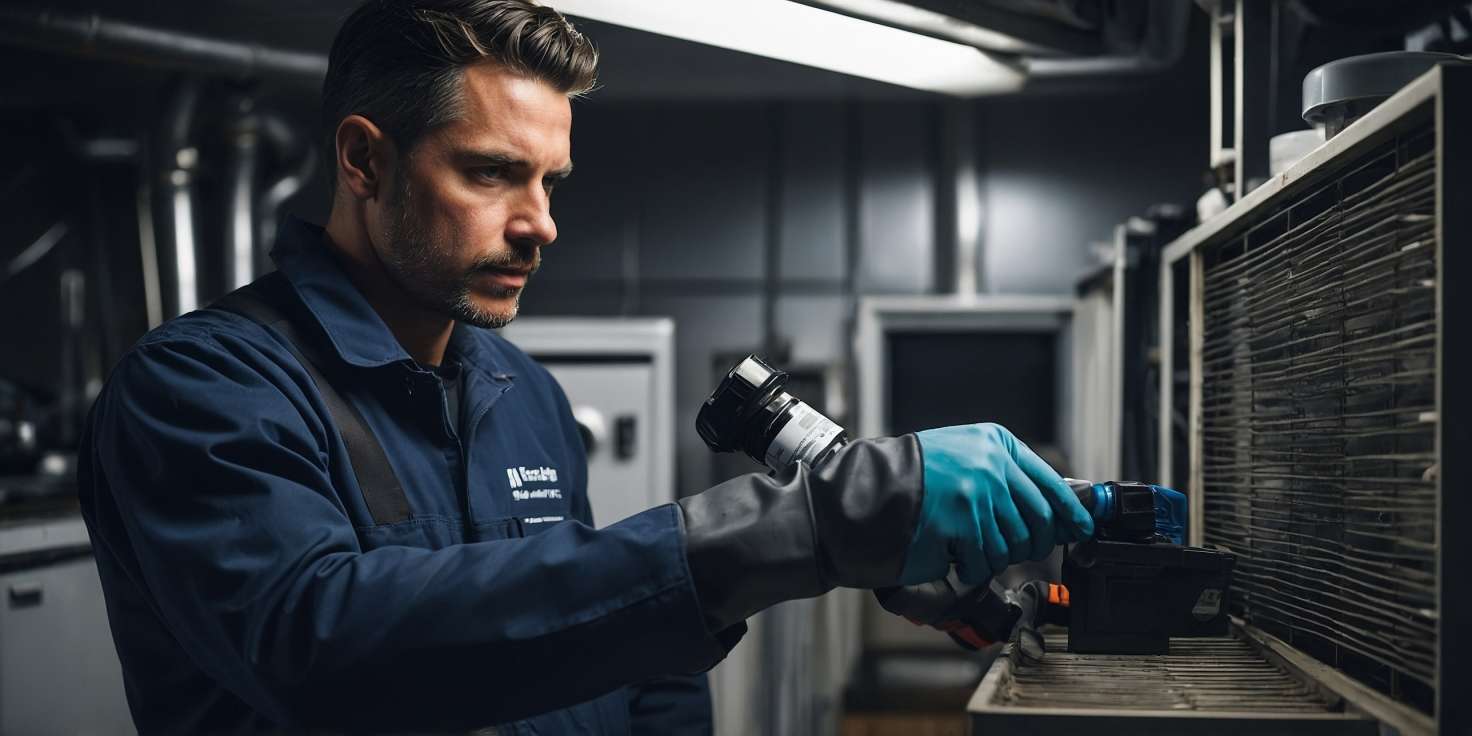
Ready to play detective? Inspecting your air vents for mold isn’t rocket science, but it does require a bit of care and attention. Here’s a step-by-step guide to help you do it safely and effectively:
- Turn Off the HVAC System: Safety first. Always shut off your system before inspecting or cleaning any part of it.
- Remove Vent Covers: Use a screwdriver to take off the covers. Place them on a towel or newspaper to avoid spreading debris.
- Use a Flashlight: Shine a light into the duct. Look for discoloration, fuzzy growth, or black spots.
- Smell Test: Give it a sniff. A musty odor is a strong indicator of mold.
- Check the Filter: A dirty or moldy filter can spread spores throughout your home. Replace it if needed.
If you find anything suspicious, don’t panic—but don’t ignore it either. Mold can spread quickly, and DIY solutions often only scratch the surface. That’s where professional restoration comes in. Our team at Projekt Restoration offers comprehensive mold remediation and reconstruction services to ensure your home is safe and mold-free.
DIY Mold Testing: Is It Worth It?
Let’s be real—DIY mold testing kits are tempting. They’re cheap, easy to use, and available at most hardware stores. But are they really effective? The short answer: not always.
Here’s why:
- Limited Accuracy: Most kits only tell you that mold is present—not what type or how dangerous it is.
- No Source Identification: They don’t help you locate the source of the mold, which is crucial for effective removal.
- False Positives/Negatives: Environmental factors can skew results, leading to unnecessary panic or false reassurance.
If you’re serious about protecting your home and health, professional testing is the way to go. At Projekt Restoration, we use industry-grade equipment to detect mold accurately and safely. Our process ensures that every nook and cranny is inspected, and we provide a detailed action plan for remediation.
Still curious about mold testing? Visit our FAQ page for more insights.
When to Call a Professional Restoration Company
Sometimes, the best tool in your toolbox is your phone. If you’ve spotted visible mold, experienced persistent health issues, or recently dealt with water damage, it’s time to call in the experts.
Here’s when to make the call:
- Widespread Mold: If mold is present in multiple vents or rooms, DIY just won’t cut it.
- Recurring Issues: If mold keeps coming back, there’s likely an underlying issue that needs professional attention.
- Health Concerns: If anyone in your household is experiencing respiratory problems, don’t wait.
Projekt Restoration offers 24/7 emergency service for mold, water, and fire damage restoration. Our certified technicians are trained in advanced mold remediation techniques and use specialized equipment to ensure complete removal and prevention.
We’re not just about fixing problems—we’re about restoring peace of mind. Learn more about our mission on our Our Mission page.
Preventing Mold in Your HVAC System
Prevention is always better than cure, especially when it comes to mold. Here are some practical tips to keep your air vents mold-free:
- Use a Dehumidifier: Keep indoor humidity between 30-50%.
- Change Filters Regularly: A clean filter keeps dust and spores at bay.
- Schedule Regular Maintenance: Have your HVAC system inspected and cleaned at least once a year.
- Seal Leaks Promptly: Fix any water leaks immediately to prevent moisture buildup.
Need help with maintenance or repairs? Our restoration services cover everything from water damage restoration to reconstruction services. We’re here to help you protect your home and your health.
Conclusion
Mold in air vents is more than just an inconvenience—it’s a health hazard and a threat to your home’s integrity. But with the right knowledge and a proactive approach, you can detect and address mold before it spirals out of control. Whether you’re inspecting your vents, testing for mold, or calling in the pros, every step you take brings you closer to a safer, healthier home.
At Projekt Restoration, we’re COMMITTED TO QUALITY SERVICE. Call Us Now! 855-933-7935 for Fast, Friendly and Professional Service. Explore our full range of professional restoration solutions and let us help you breathe easier—literally.
What are the health risks of mold in air vents?
Mold spores can trigger allergies, asthma, and respiratory infections. Prolonged exposure may lead to chronic health issues, especially for those with weakened immune systems.
Can I clean mold from air vents myself?
While you can clean visible mold with household cleaners, it’s often just the tip of the iceberg. Professional mold remediation ensures complete removal and prevents recurrence.
How often should I inspect my air vents for mold?
It’s a good idea to inspect your air vents every 3-6 months, especially if you live in a humid climate or have recently experienced water damage.
Does insurance cover mold remediation?
It depends on your policy. Some insurance plans cover mold caused by sudden water damage, but not from long-term neglect. Always check with your provider.
How long does professional mold remediation take?
It varies based on the extent of the mold. Small jobs may take a day, while larger infestations could take several days. A professional assessment will provide a more accurate timeline.