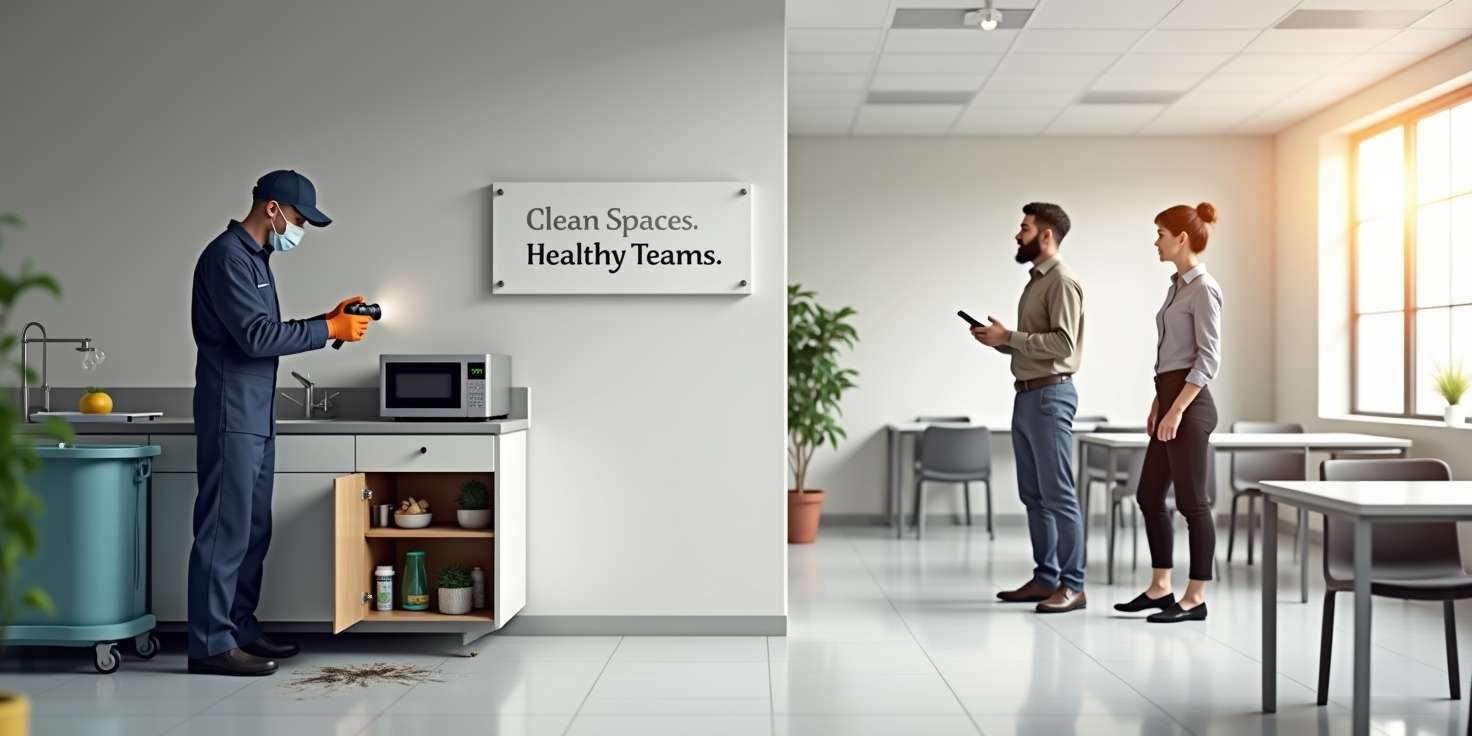
Mold in office break rooms is more than just an unsightly nuisance—it can pose serious health risks and impact employee productivity. If you’re wondering how to handle mold in office break rooms effectively, you’re not alone. Many businesses face this issue, especially in areas prone to moisture and poor ventilation. Mold thrives in damp environments, making break rooms—often equipped with sinks, refrigerators, and microwaves—a common hotspot. Addressing mold growth promptly is essential to maintaining a healthy workplace and preventing costly damage. At COMMITTED TO QUALITY SERVICE, we specialize in fast, friendly, and professional mold remediation services. Whether it’s water damage restoration or fire damage recovery, our expert team is equipped with advanced tools to restore your space safely and efficiently. Don’t let mold compromise your office environment—call us now at 855-933-7935 for reliable service you can trust.
Identifying Common Signs of Mold in Break Rooms
Mold growth in office break rooms is a common yet often overlooked issue that can lead to serious health concerns and structural damage if not addressed promptly. Recognizing the early signs of mold is crucial for maintaining a safe and healthy workplace environment. Mold thrives in damp, poorly ventilated areas, making break rooms—where spills, leaks, and humidity are common—ideal breeding grounds. Understanding how to spot mold early can help prevent costly remediation and protect employee well-being.
One of the most noticeable signs of mold is a persistent musty odor. This smell is often the first indicator of hidden mold, especially in areas behind appliances or inside cabinets. Even if no visible mold is present, a strong, earthy scent should prompt further investigation. According to the Environmental Protection Agency (EPA), mold can begin growing within 24 to 48 hours in moist conditions, making timely detection essential.
Visible mold growth is another clear sign. Mold can appear in various colors, including black, green, white, or gray, and may look fuzzy or slimy depending on the type. It often develops on walls, ceilings, under sinks, or around windows where condensation accumulates. Stains or discoloration on walls and ceilings may also indicate mold, even if the mold itself is not yet visible.
Water damage is a major contributor to mold growth. Signs of past or ongoing water damage—such as peeling paint, warped surfaces, or water stains—should be taken seriously. These issues often point to leaks or high humidity levels that can foster mold. For more information on how water damage contributes to mold, visit our detailed guide on how to identify hidden water damage early.
Employee health complaints can also be a red flag. Mold exposure can cause a range of symptoms, including coughing, sneezing, eye irritation, and skin rashes. In more severe cases, it can trigger asthma attacks or allergic reactions. If multiple employees report similar symptoms that improve when they are away from the office, mold could be the culprit.
“The World Health Organization reports that up to 50 percent of indoor environments in North America are affected by dampness, which significantly increases the risk of mold growth.”
In addition to these signs, here are some common areas in break rooms where mold is likely to develop:
- Underneath sinks and around plumbing fixtures
- Behind refrigerators and vending machines
- Inside cabinets and storage areas with poor ventilation
- On ceiling tiles near HVAC vents or water-damaged areas
- Along window sills and frames where condensation collects
Regular inspections and maintenance can help identify these issues before they escalate. If you suspect mold in your office break room, it’s important to act quickly. Professional mold inspection and remediation services can accurately assess the situation and implement effective solutions. Learn more about our comprehensive mold remediation services to ensure your workplace remains safe and compliant.
For businesses seeking to prevent mold recurrence, it’s also essential to address the root causes, such as leaks or poor ventilation. Installing dehumidifiers, improving airflow, and promptly cleaning up spills can significantly reduce the risk of mold. Our team at Projekt Restoration offers a range of services designed to help you maintain a healthy office environment.
If you’re unsure whether your break room is at risk, consider scheduling a consultation with our experts. Visit our contact page to get started or explore our FAQ section for more information on mold-related concerns.
For further reading on mold detection and prevention, the Centers for Disease Control and Prevention (CDC) offers a comprehensive resource at https://www.cdc.gov/mold/faqs.htm. Staying informed and proactive is the best defense against mold in your office break room.
Understanding the Health Risks of Mold Exposure
Mold exposure in office break rooms can pose serious health risks to employees, especially when left unaddressed for extended periods. Mold thrives in damp, humid environments, making break rooms—where spills, leaks, and poor ventilation are common—ideal breeding grounds. When mold spores become airborne, they can be inhaled by individuals, leading to a range of health issues. For some, exposure may result in mild symptoms such as nasal congestion, coughing, throat irritation, or skin rashes. However, for others—particularly those with asthma, allergies, or compromised immune systems—the effects can be far more severe, including chronic respiratory problems, sinus infections, and even long-term lung damage.
One of the most concerning aspects of mold exposure is its ability to go unnoticed until symptoms become persistent or the infestation becomes visible. This is especially problematic in shared spaces like office break rooms, where multiple individuals may be affected simultaneously. Mold can grow behind walls, under sinks, or inside appliances, making it difficult to detect without professional assessment. Employees may begin to experience unexplained fatigue, headaches, or difficulty concentrating, which can significantly impact productivity and overall workplace morale.
The type of mold present also plays a critical role in determining the severity of health risks. Black mold, or Stachybotrys chartarum, is particularly dangerous due to the mycotoxins it produces. These toxins can cause more serious health complications, including neurological symptoms and immune suppression. While not all molds are toxic, any mold growth in a communal space like a break room should be treated with caution and addressed promptly to prevent escalation.
In addition to physical health concerns, mold exposure can also affect mental well-being. Prolonged exposure to mold has been linked to mood swings, anxiety, and depression. This is especially concerning in a professional environment where mental clarity and emotional stability are essential for effective collaboration and performance. Employers have a responsibility to ensure a safe and healthy work environment, and this includes taking proactive steps to identify and eliminate mold hazards.
Preventing mold-related health issues begins with awareness and early detection. Regular inspections and maintenance of plumbing systems, ventilation, and appliances can help reduce the risk of mold growth. If water damage or leaks are discovered, they should be addressed immediately to prevent moisture buildup. For more information on how to recognize early signs of water damage, visit our guide on how to identify hidden water damage early. Understanding these warning signs can empower office managers and employees to take swift action before mold becomes a serious health threat.
When mold is suspected or confirmed, it is crucial to seek professional help. Attempting to clean mold without proper equipment and expertise can actually worsen the problem by dispersing spores into the air. Professional mold remediation services are designed to safely and effectively remove mold while preventing future growth. Learn more about our comprehensive services to understand how we can help maintain a healthy office environment.
Ultimately, addressing mold in office break rooms is not just about cleanliness—it is a matter of employee health and safety. By recognizing the symptoms of mold exposure and taking proactive measures to prevent and remediate mold growth, employers can create a safer, more productive workplace. If you have concerns about mold in your office or want to learn more about our approach, visit our about page to discover our commitment to quality and health-focused solutions.
Common Causes of Mold Growth in Office Kitchens
Mold growth in office kitchens is a common yet often overlooked issue that can lead to serious health concerns and structural damage if not addressed promptly. Several factors contribute to the development of mold in these shared spaces, many of which stem from everyday habits and environmental conditions. One of the primary causes is moisture accumulation. Office kitchens typically include sinks, dishwashers, coffee machines, and refrigerators, all of which can leak or create condensation. When moisture is not properly dried or ventilated, it creates the perfect breeding ground for mold spores to thrive. Even small spills or drips that go unnoticed under appliances or in corners can lead to significant mold problems over time.
Another major contributor is poor ventilation. Many office break rooms are located in interior spaces without windows or adequate airflow. Without proper ventilation, humidity levels can rise quickly, especially when multiple employees are using the kitchen throughout the day. Cooking, boiling water, or even running a dishwasher can release steam into the air, increasing moisture levels and encouraging mold growth on walls, ceilings, and cabinetry. Installing exhaust fans or ensuring that HVAC systems are functioning properly can help mitigate this issue, but these solutions are often neglected in busy office environments.
Neglected cleaning routines also play a significant role in mold development. Office kitchens are shared by many people, and without a clear cleaning schedule, food particles, spills, and dirty dishes can accumulate. Leftover food in the refrigerator, crumbs in cabinets, and damp sponges or dishcloths can all harbor mold spores. Over time, these spores can spread to other surfaces, especially if the area is not cleaned regularly with mold-inhibiting products. Encouraging employees to clean up after themselves and assigning regular deep-cleaning duties can help reduce the risk of mold.
Leaky plumbing is another frequent issue in office kitchens. Pipes under the sink or behind appliances can develop slow leaks that go unnoticed for weeks or even months. These hidden leaks create damp environments that are ideal for mold growth. Regular inspections and maintenance of plumbing fixtures are essential to catch and repair leaks early. For more information on identifying hidden water issues, you can refer to our guide on how to identify hidden water damage early.
In addition to these common causes, structural issues such as poor insulation or damaged roofing can also lead to water intrusion, further exacerbating mold problems. Water from outside sources can seep into walls and ceilings, especially during heavy rain or snowmelt, creating hidden pockets of moisture. These areas are often difficult to detect without professional help and can lead to extensive mold infestations if left untreated. If your office has experienced any form of water damage, it is crucial to consult with experts who specialize in mold remediation to assess and address the problem effectively.
Understanding these common causes is the first step in preventing mold growth in office kitchens. By maintaining a clean and dry environment, ensuring proper ventilation, and addressing plumbing or structural issues promptly, businesses can protect the health of their employees and the integrity of their property. For more insights into our approach and the services we offer, visit our services page or learn more about our team and mission. Taking proactive steps today can save your office from costly repairs and health hazards in the future.
Steps to Take When You Discover Mold
When mold is discovered in an office break room, it is essential to act quickly and methodically to prevent further contamination and ensure the health and safety of employees. The first step is to confirm the presence of mold. This can often be done visually, as mold typically appears as black, green, or white patches on walls, ceilings, or around sinks and appliances. A musty odor is also a common indicator. If the mold is not visible but suspected, professional inspection may be necessary to identify hidden growth. Once mold is confirmed, it is crucial to isolate the affected area to prevent spores from spreading. This may involve closing off the break room and turning off HVAC systems that could circulate mold spores throughout the office.
Next, notify the appropriate personnel, such as the office manager or building maintenance team. They should be responsible for coordinating the next steps, which include contacting a professional mold remediation service. Attempting to clean mold without proper training and equipment can worsen the problem and pose health risks. Professional remediation teams are trained to safely remove mold and treat the area to prevent recurrence. For more information on what professional services entail, you can visit our services page.
While waiting for professionals to arrive, avoid disturbing the mold. Do not attempt to scrub or spray it with household cleaners, as this can release spores into the air. Ensure that employees are informed about the situation and advised to avoid the break room until it has been properly cleaned and cleared. If mold is found near water sources such as sinks or refrigerators, it may be a sign of a leak or ongoing moisture problem. In such cases, it is important to identify and fix the source of moisture to prevent mold from returning. You can learn more about related issues by exploring our guide on how to identify hidden water damage early.
Documentation is another important step. Take clear photos of the mold and note the date and location of discovery. This documentation can be useful for insurance claims, maintenance records, and ensuring accountability in the remediation process. It also helps professionals assess the extent of the problem before beginning their work.
After the mold has been professionally removed, the break room should be thoroughly cleaned and ventilated. Any porous materials such as ceiling tiles, drywall, or carpeting that were contaminated may need to be replaced. It is also a good idea to conduct air quality testing to ensure that the environment is safe for employees to return. Preventative measures should be implemented to avoid future mold growth. These include regular inspections, maintaining low indoor humidity levels, and promptly addressing any signs of water damage or leaks.
Employee education is another key component of mold prevention. Staff should be encouraged to report any signs of mold or moisture issues immediately. Providing training or informational materials can help employees understand the importance of mold prevention and how to recognize early warning signs.
In summary, discovering mold in an office break room requires a prompt and organized response. From identifying the mold and notifying the right personnel to hiring professionals and implementing preventative strategies, each step plays a vital role in maintaining a healthy work environment. For more details on how we handle mold issues and support businesses through the remediation process, visit our mold remediation page. Taking these steps not only protects the health of employees but also preserves the integrity of the workplace.
Cleaning and Removing Mold Safely
When it comes to addressing mold in office break rooms, safety and thoroughness are key. Mold can pose serious health risks, especially in shared spaces where employees spend time eating and relaxing. The first step in cleaning and removing mold safely is identifying the affected areas. Mold often grows in damp, dark places such as under sinks, behind refrigerators, or near water dispensers. Once identified, it’s crucial to assess the extent of the infestation. Small patches of surface mold can sometimes be handled in-house with proper precautions, but larger or hidden infestations typically require professional intervention.
Before beginning any cleaning process, ensure that the area is well-ventilated. Open windows and doors to allow fresh air to circulate and reduce the concentration of airborne mold spores. Personal protective equipment is essential. Anyone involved in the cleaning process should wear gloves, goggles, and an N95 respirator mask to avoid inhaling spores or coming into direct contact with mold. Never attempt to clean mold with bare hands or without respiratory protection, as this can lead to allergic reactions or respiratory issues.
Use appropriate cleaning solutions to remove mold effectively. A mixture of detergent and water can be used for non-porous surfaces, while commercial mold cleaners are better suited for more stubborn growth. Avoid using bleach on porous materials like drywall or ceiling tiles, as it may not fully eliminate the mold and can even worsen the problem by adding moisture. After scrubbing the affected area, dry it thoroughly to prevent mold from returning. Dehumidifiers or fans can help speed up the drying process.
Proper disposal of contaminated materials is another critical step. Items like ceiling tiles, insulation, or carpeting that have been heavily infested should be removed and discarded in sealed plastic bags. This prevents the spread of spores to other parts of the office. Additionally, any cleaning tools or cloths used should be disinfected or disposed of after use.
For more extensive mold issues, it’s advisable to consult professionals who specialize in mold remediation. These experts have the training and equipment to handle mold safely and effectively, ensuring that the problem is fully resolved. They can also identify the root cause of the mold, such as hidden leaks or poor ventilation, and recommend long-term solutions to prevent recurrence.
Preventative maintenance plays a significant role in keeping office break rooms mold-free. Regular inspections of plumbing fixtures, appliances, and ventilation systems can help detect moisture problems early. Installing exhaust fans or improving air circulation can also reduce humidity levels, making the environment less hospitable to mold. If you’re unsure about the best practices for mold prevention or need guidance on maintaining a healthy workspace, consider exploring our services for professional support.
Educating employees about mold awareness is another proactive step. Encourage staff to report any signs of water damage or musty odors immediately. Quick action can prevent minor issues from escalating into major health hazards. For more insights into early detection, our guide on how to identify hidden water damage early offers valuable tips.
In summary, cleaning and removing mold in office break rooms requires a careful, methodical approach. From using the right protective gear and cleaning agents to knowing when to call in professionals, every step is vital to ensure a safe and healthy environment for employees. By staying vigilant and proactive, businesses can effectively manage mold risks and maintain a clean, welcoming break room for everyone.
Preventative Measures to Keep Mold Away
Preventing mold growth in office break rooms is essential for maintaining a healthy and productive work environment. Mold thrives in moist, warm, and poorly ventilated areas, making break rooms a common hotspot due to frequent water usage, food storage, and limited airflow. To effectively keep mold at bay, it’s crucial to implement a combination of proactive cleaning habits, regular maintenance, and employee awareness.
Start by ensuring proper ventilation in the break room. Mold spores flourish in stagnant air, so keeping windows open when possible or using exhaust fans can significantly reduce humidity levels. If natural ventilation is limited, consider installing a dehumidifier to maintain indoor humidity below 60 percent. Regularly inspecting and maintaining HVAC systems also helps circulate fresh air and prevent moisture buildup.
Cleaning routines play a vital role in mold prevention. Break rooms should be cleaned daily, with special attention given to areas around sinks, coffee machines, microwaves, and refrigerators. Spills should be wiped up immediately, and surfaces should be disinfected regularly to eliminate mold spores before they can multiply. Encourage employees to clean up after themselves and to report any signs of leaks or water damage promptly.
Appliances and plumbing fixtures should be checked frequently for leaks or condensation. Even a small drip under a sink or behind a refrigerator can create the perfect environment for mold growth if left unaddressed. Schedule routine inspections of plumbing and appliances to catch issues early. If any water damage is detected, it’s important to act quickly. For more information on identifying early signs of water damage, visit our guide on how to identify hidden water damage early.
Proper food storage is another key factor. Mold can grow on expired or improperly stored food, so encourage employees to label and date their items and to discard anything that’s past its prime. Refrigerators should be cleaned out weekly, and any spills inside should be cleaned immediately. Additionally, trash bins should be emptied daily and kept clean to prevent mold from forming on food waste.
Using mold-resistant materials in the break room can also help. Consider installing mold-resistant drywall, paint, and flooring, especially in areas prone to moisture. These materials are designed to inhibit mold growth and are a smart investment for long-term prevention.
Employee education is equally important. Provide training or informational materials that help staff recognize the signs of mold and understand the importance of reporting leaks or unusual odors. A well-informed team can act as the first line of defense against mold issues.
If mold has been a recurring problem or if you suspect hidden mold, it may be time to consult professionals. At Projekt Restoration, we offer comprehensive services including mold inspections and remediation. Our team is trained to detect and eliminate mold at its source, ensuring your office remains safe and compliant with health standards.
For those interested in learning more about our company and what drives our commitment to quality, visit our our mission page. We believe in proactive solutions and are dedicated to helping businesses maintain clean, healthy environments.
By taking these preventative steps, office managers can significantly reduce the risk of mold in break rooms. Consistent maintenance, employee cooperation, and professional support when needed are the keys to keeping mold away and ensuring a safe, pleasant space for everyone.
When to Call a Professional Mold Remediation Service
If you discover mold in your office break room, it’s essential to assess the severity of the issue before deciding whether to handle it yourself or call in professionals. While small patches of surface mold on non-porous materials can sometimes be cleaned with commercial products and proper safety gear, there are specific situations where professional mold remediation is not just recommended but necessary. One of the most critical indicators is the size of the affected area. According to the Environmental Protection Agency (EPA), if the moldy area is larger than 10 square feet, it’s best to seek professional help. Mold growth of this magnitude often indicates a deeper issue, such as hidden moisture or structural damage, which requires specialized equipment and expertise to address effectively.
Another key reason to contact a professional mold remediation service is if the mold keeps returning after repeated cleaning. Recurring mold is often a sign of unresolved moisture problems, such as leaks behind walls or under flooring, which can go unnoticed without professional inspection tools. In office break rooms, where plumbing and appliances like refrigerators and coffee machines are common, these hidden issues can be particularly prevalent. Professionals use advanced moisture detection equipment to locate and eliminate the source of the problem, ensuring a long-term solution rather than a temporary fix.
Health concerns are also a major factor in deciding when to call in experts. Mold exposure can lead to a range of health issues, especially for individuals with allergies, asthma, or compromised immune systems. If employees begin reporting symptoms such as coughing, sneezing, headaches, or skin irritation that seem to improve when they are away from the office, mold could be the culprit. In such cases, it’s crucial to act quickly to protect the well-being of your staff and maintain a safe working environment. A certified mold remediation team can conduct air quality testing and implement containment procedures to prevent the spread of spores during cleanup.
Additionally, if the mold is located in hard-to-reach areas such as HVAC systems, behind walls, or under flooring, professional intervention is necessary. Attempting to remove mold from these areas without proper training and equipment can lead to cross-contamination, spreading spores to other parts of the building. Professionals follow strict protocols and use specialized tools to safely remove mold and restore affected areas. For more information on how professionals handle these situations, you can visit our detailed services page.
It’s also wise to consult a professional if you’re unsure about the type of mold present. Some molds, like black mold (Stachybotrys chartarum), are more hazardous than others and require specific handling procedures. A professional mold remediation service can identify the mold type and determine the appropriate course of action. They can also help document the damage for insurance purposes, which is especially useful for business owners managing commercial properties.
Finally, if your office has recently experienced water damage from leaks, flooding, or high humidity, it’s a good idea to schedule a mold inspection even if no visible mold is present. Mold can begin growing within 24 to 48 hours of moisture exposure, often in hidden areas. Learn more about the connection between moisture and mold by visiting our page on how to identify hidden water damage early.
In summary, while minor mold issues can sometimes be managed in-house, larger infestations, recurring problems, health concerns, and hidden mold all warrant the expertise of a professional mold remediation service. Taking swift and informed action not only protects your employees but also preserves the integrity of your office space. If you suspect a serious mold issue in your break room, don’t hesitate to reach out to a trusted remediation expert to ensure the problem is resolved safely and thoroughly.
In conclusion, addressing mold in office break rooms is essential for maintaining a healthy and productive work environment. By staying vigilant for signs of mold, promoting cleanliness, ensuring proper ventilation, and responding promptly to any issues, you can prevent mold from becoming a serious problem. Encouraging employees to report concerns and working closely with building maintenance or professional remediation services will help keep your break room safe and welcoming for everyone. A proactive approach not only protects the health of your team but also reflects a commitment to workplace well-being and hygiene.