Understanding the Unique Risks of Water Damage in Art Galleries
Art galleries are more than just spaces with pretty paintings and sculptures—they’re sanctuaries for culture, history, and creativity. But when water damage strikes, it’s not just about soggy carpets or peeling paint. It’s about the potential loss of irreplaceable works of art. Whether you’re a gallery owner, curator, or even a passionate art lover, understanding the unique risks water poses to art collections is the first step in protecting them.
Water damage in art galleries can come from a variety of sources—leaky roofs, burst pipes, faulty HVAC systems, or even natural disasters like floods. Unlike typical property damage, the stakes are much higher here. A single drop of water can warp a canvas, cause mold to grow on a sculpture, or completely destroy paper-based artwork. And let’s not forget the long-term effects—humidity can silently wreak havoc over time.
That’s why professional restoration is not just a luxury—it’s a necessity. Companies like Projekt Restoration offer specialized water damage restoration services tailored to the delicate nature of art and gallery environments. Their team is COMMITTED TO QUALITY SERVICE—Call Us Now! 855-933-7935—providing fast, friendly, and professional service when you need it most.
So, what makes water damage in galleries so tricky? Well, it’s not just about drying out the space. It’s about preserving the integrity of each piece, preventing mold growth, and ensuring the environment is safe for both the artwork and the visitors. That’s where mold remediation and reconstruction services come into play.
In the following sections, we’ll walk you through everything you need to know—from identifying the damage to working with restoration experts. Let’s dive in (pun intended) and make sure your gallery is ready to weather any storm.
Step 1: Immediate Actions to Take After Discovering Water Damage
Time is of the essence when it comes to water damage. The faster you act, the better your chances of saving your artwork and minimizing long-term damage. So, what should you do the moment you discover water in your gallery?
First, ensure safety. Water and electricity don’t mix, so turn off the power if it’s safe to do so. Next, identify the source of the water. Is it a burst pipe? A leaking roof? Or maybe a flood from a nearby storm? Knowing the source helps you determine the best course of action and communicate effectively with restoration professionals.
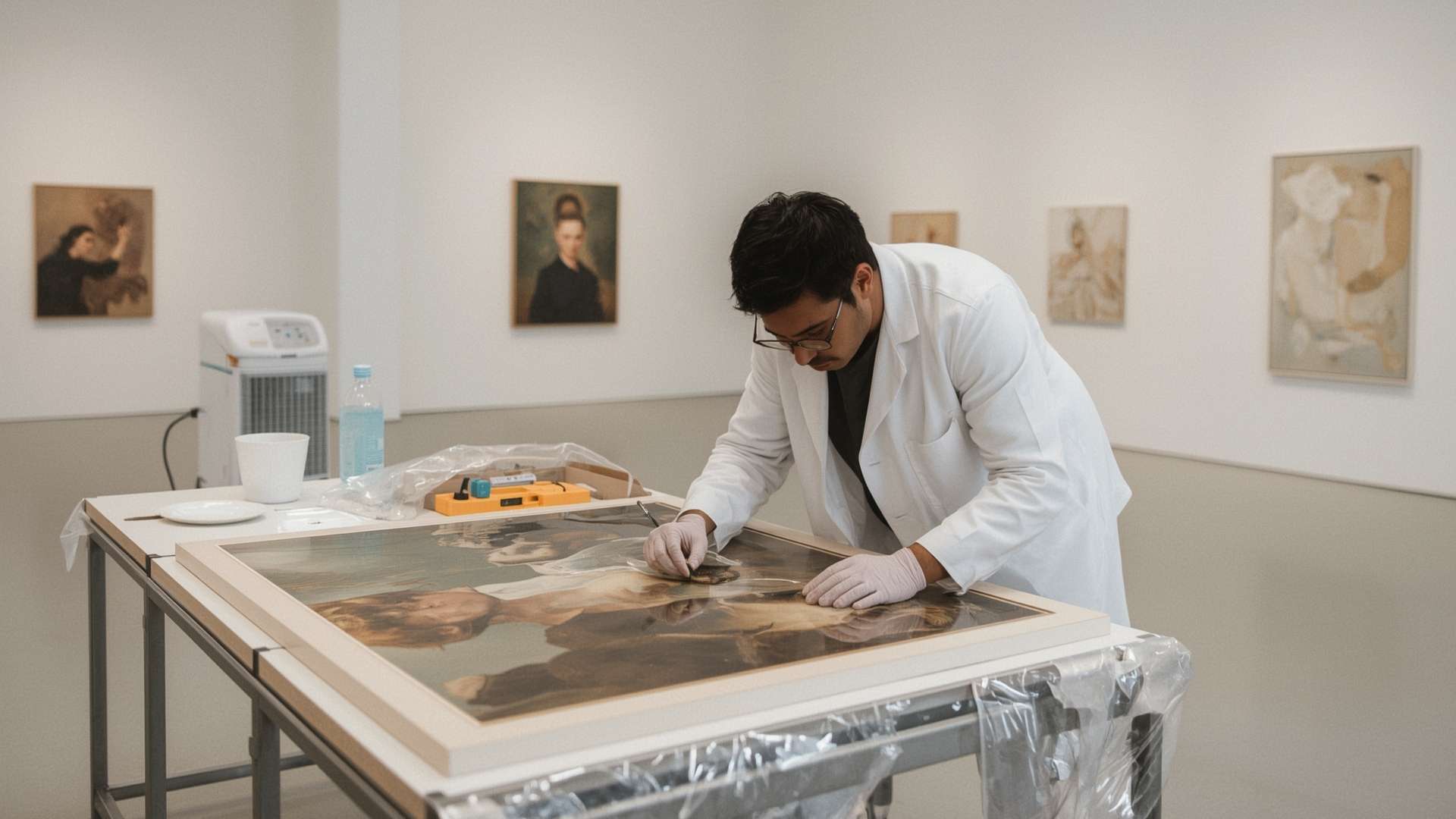
Next, remove the artwork from the affected area—but only if it’s safe. Use gloves and handle each piece with extreme care. Place them in a dry, climate-controlled space. Avoid stacking or leaning pieces against each other, as this can cause further damage.
Now, it’s time to call in the pros. Reach out to a company that offers emergency service and specializes in water damage restoration. Projekt Restoration is a trusted name in the industry, offering 24/7 emergency response to help you get things under control quickly. Their team uses specialized equipment designed specifically for drying structures that have suffered severe water damage.
While waiting for help to arrive, document everything. Take photos and videos of the damage, both to the property and the artwork. This will be crucial for insurance claims and for the restoration team to assess the extent of the damage.
Lastly, notify your insurance provider. The sooner you start the claims process, the better. Provide them with all the documentation you’ve gathered and keep a record of all communications.
Remember, the goal here is to stabilize the situation. You’re not trying to fix everything yourself—you’re buying time and minimizing damage until the professionals arrive.
Step 2: Partnering with Professional Restoration Services
Once the immediate crisis is under control, it’s time to bring in the cavalry. And by cavalry, we mean professional restoration services. These experts are trained to handle the complexities of water damage in sensitive environments like art galleries.
Projekt Restoration, for example, doesn’t just dry out your space—they assess the full scope of the damage, including structural issues, mold risks, and the condition of your HVAC system. Their team is trained in fire damage restoration, biohazard clean up, and even reconstruction services, making them a one-stop shop for all your restoration needs.
One of the biggest advantages of working with professionals is their access to specialized equipment. We’re talking about industrial-grade dehumidifiers, air movers, and moisture meters that can detect hidden pockets of water behind walls or under floors. This is crucial in a gallery setting where even a small amount of residual moisture can lead to mold growth or long-term structural damage.
But it’s not just about the tools—it’s about the expertise. Restoration professionals understand how to handle delicate materials like canvas, wood, and paper. They know how to stabilize artwork, prevent further deterioration, and even work with conservators to restore damaged pieces.
And let’s not forget about customer satisfaction. A good restoration company doesn’t just fix the problem—they guide you through the entire process, keeping you informed and involved every step of the way. Projekt Restoration prides itself on fast, friendly, and professional service, ensuring that your gallery is back to its former glory as quickly and safely as possible.
So, when disaster strikes, don’t go it alone. Partner with a team that understands the unique needs of art galleries and is committed to delivering top-notch results.
Step 3: Preventing Mold and Secondary Damage
Once the water is gone and the immediate damage is under control, you might think the worst is over. But hold on—there’s a sneaky little villain that loves to show up after water damage: mold. And in an art gallery, mold isn’t just a nuisance—it’s a full-blown threat to your collection.
Mold thrives in moist, dark environments, and it doesn’t take long to grow—just 24 to 48 hours after water exposure. That’s why mold remediation is a critical part of the restoration process. Projekt Restoration uses advanced techniques to detect and eliminate mold, ensuring your gallery remains a safe and healthy space for both art and people.
But mold isn’t the only concern. Water can weaken structural elements, damage electrical systems, and even compromise your HVAC system. That’s why a thorough inspection is essential. Restoration professionals will assess every nook and cranny to ensure there’s no hidden damage lurking beneath the surface.
Humidity control is another key factor. Even after the water is gone, high humidity levels can continue to damage artwork. Installing dehumidifiers and monitoring humidity levels can help maintain a stable environment. Some galleries even invest in climate control systems to keep conditions optimal year-round.
And don’t forget about your artwork. Pieces that were exposed to moisture should be evaluated by a conservator. They can assess the damage and recommend the best course of action—whether that’s cleaning, drying, or full restoration.
Preventing secondary damage is all about being proactive. With the right tools, expertise, and attention to detail, you can protect your gallery from long-term issues and ensure your collection remains safe and sound.
Step 4: Long-Term Strategies for Water Damage Prevention
Now that you’ve survived the storm, it’s time to think about the future. Because let’s face it—water damage can happen again. But with the right strategies in place, you can significantly reduce your risk and keep your gallery safe.
Start with regular maintenance. Inspect your roof, plumbing, and HVAC systems at least twice a year. Look for signs of wear and tear, and address any issues immediately. Don’t wait for a leak to become a flood.
Next, invest in a water detection system. These handy devices can alert you to leaks before they become major problems. Place them near vulnerable areas like bathrooms, kitchens, and HVAC units.
Climate control is another must-have. Maintaining stable temperature and humidity levels not only protects your artwork but also prevents mold growth and structural damage. Consider installing a system that allows you to monitor and adjust conditions remotely.
And don’t forget about your emergency plan. Every gallery should have a detailed response plan that includes evacuation procedures, emergency contacts, and a list of high-priority items to save. Train your staff so everyone knows what to do in case of an emergency.
Finally, build a relationship with a trusted property restoration company like Projekt Restoration. Having a go-to team means you’ll be ready to act fast when disaster strikes. Their how-it-works process is transparent and efficient, ensuring you get the help you need without the guesswork.
By taking these steps, you’re not just protecting your gallery—you’re preserving the legacy of the art within it. And that’s a mission worth investing in.
Conclusion
Water damage in art galleries is a serious issue, but it doesn’t have to be a catastrophe. With quick action, professional help, and a solid prevention plan, you can protect your space and the priceless works it holds. Remember, it’s not just about drying out a room—it’s about preserving history, culture, and creativity for generations to come.
Projekt Restoration is here to help every step of the way. From water damage restoration to fire damage restoration, biohazard clean up, and reconstruction services, they’ve got you covered. COMMITTED TO QUALITY SERVICE—Call Us Now! 855-933-7935 for fast, friendly, and professional service.
What should I do first when I notice water damage in my gallery?
First, ensure safety by turning off electricity if needed. Then, identify the water source and remove artwork from the affected area. Call a professional restoration service like Projekt Restoration immediately and document the damage for insurance purposes.
How quickly should I act after discovering water damage?
Immediately. Mold can begin to grow within 24-48 hours, and the longer water sits, the more damage it causes. Quick action minimizes loss and speeds up the restoration process.
Can all types of artwork be restored after water damage?
Not always, but many can be salvaged with the help of professional conservators and restoration experts. The extent of restoration depends on the material, exposure time, and severity of the damage.
How can I prevent future water damage in my gallery?
Regular maintenance, installing water detection systems, climate control, and having an emergency response plan are key. Partnering with a trusted restoration company also ensures you’re prepared for any future incidents.
Why should I choose Projekt Restoration for gallery water damage?
Projekt Restoration offers specialized services tailored to sensitive environments like art galleries. They provide 24/7 emergency service, use advanced equipment, and are committed to customer satisfaction and quality service.