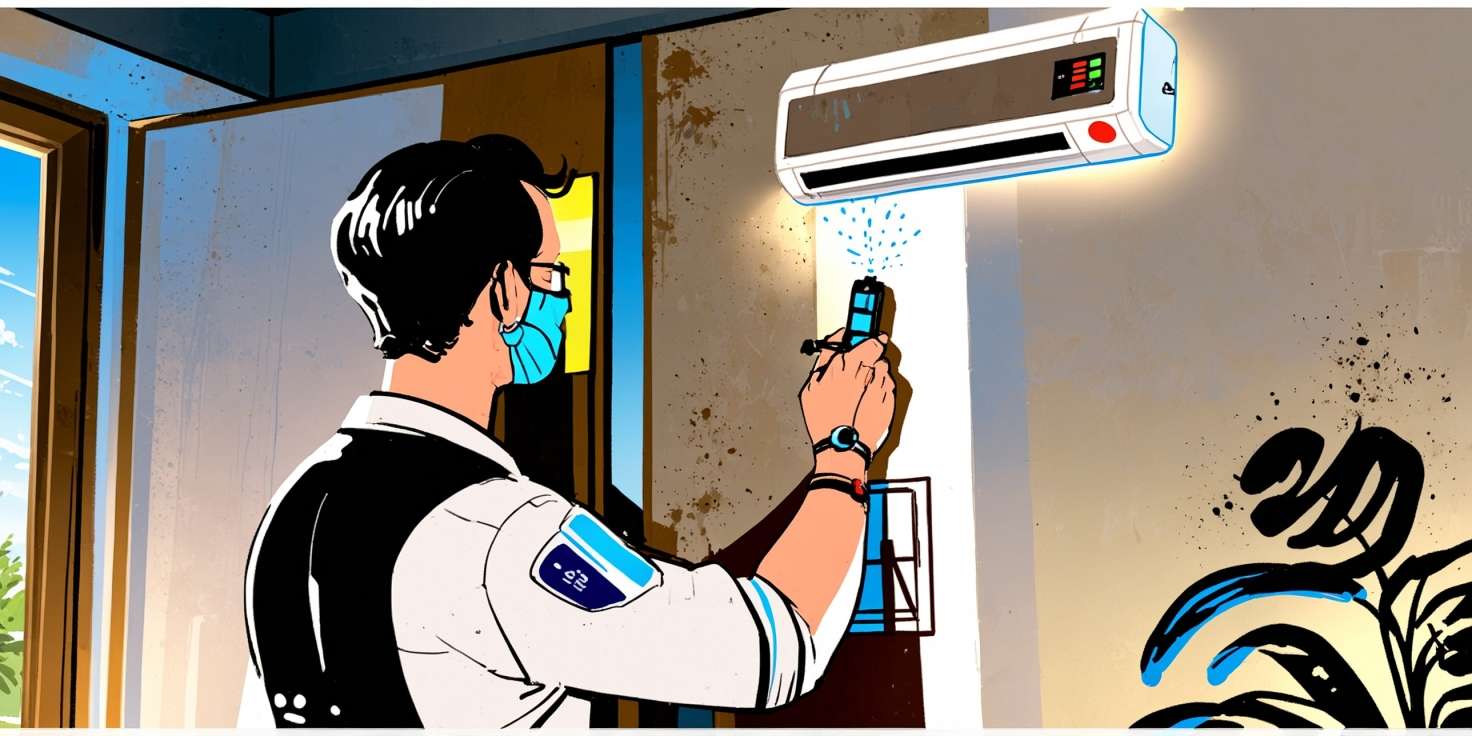
Poor ventilation in homes and commercial properties can lead to a host of serious issues, with mold growth being one of the most concerning. Mold thrives in damp, stagnant environments, making poorly ventilated spaces the perfect breeding ground. Not only can mold damage the structural integrity of your property, but it can also pose significant health risks to occupants, including respiratory problems and allergic reactions. At COMMITTED TO QUALITY SERVICE, we understand the importance of maintaining a safe and healthy indoor environment. Our expert team offers fast, friendly, and professional mold remediation services, along with specialized water damage restoration and fire damage recovery. With advanced equipment and years of experience, we help property owners tackle mold risks caused by poor ventilation before they escalate. Don’t wait until the problem worsens—call us now at 855-933-7935 for a comprehensive inspection and reliable service you can trust.
Understanding the Link Between Ventilation and Mold Growth
Poor ventilation is one of the most significant contributors to mold growth in residential and commercial properties. When indoor air circulation is limited, moisture accumulates in the air and on surfaces, creating the perfect environment for mold spores to thrive. Mold requires three basic elements to grow: moisture, a food source such as wood or drywall, and the right temperature. Inadequate ventilation directly impacts the moisture levels inside a property, making it a critical factor in mold prevention and control.
When air is not properly exchanged between the indoors and outdoors, humidity levels can rise quickly, especially in areas like bathrooms, kitchens, basements, and attics. Everyday activities such as cooking, showering, and even breathing release moisture into the air. Without proper ventilation systems in place, this moisture becomes trapped, increasing the risk of condensation on walls, ceilings, and windows. Over time, these damp surfaces become breeding grounds for mold colonies.
“According to the Environmental Protection Agency (EPA), indoor relative humidity should be kept below 60 percent — ideally between 30 and 50 percent — to prevent mold growth.”
In properties with poor airflow, mold can develop in hidden areas such as behind walls, under flooring, and inside HVAC systems. These hidden infestations often go unnoticed until they cause significant damage or health issues. Mold exposure can lead to respiratory problems, allergic reactions, and other health complications, particularly for individuals with asthma or weakened immune systems.
Proper ventilation helps regulate indoor humidity and reduces the likelihood of mold formation. Mechanical ventilation systems, such as exhaust fans and HVAC units with dehumidifiers, play a crucial role in maintaining healthy air quality. Natural ventilation, like opening windows and using vents, also supports moisture control, especially in older buildings that may lack modern systems.
Here are some common scenarios where poor ventilation leads to mold issues:
- Bathrooms without exhaust fans often experience mold on ceilings and tile grout due to steam buildup from showers.
- Basements with limited airflow are prone to dampness and mold on walls and stored items.
- Attics without proper ventilation can trap heat and moisture, leading to mold on insulation and wooden structures.
“The Centers for Disease Control and Prevention (CDC) reports that mold can begin to grow within 24 to 48 hours in moist conditions.”
To mitigate mold risks, property owners should prioritize improving ventilation systems and conducting regular inspections. Installing exhaust fans in high-moisture areas, using dehumidifiers, and ensuring that HVAC systems are functioning efficiently can significantly reduce the chances of mold development. Additionally, sealing leaks and addressing water damage promptly are essential steps in mold prevention.
For those dealing with existing mold problems, professional remediation is often necessary. At Projekt Restoration, our team specializes in identifying and eliminating mold at its source. Learn more about our comprehensive mold remediation services designed to restore your property to a safe and healthy condition.
If you suspect hidden moisture issues, our guide on how to identify hidden water damage early can help you take proactive steps before mold becomes a serious problem. Understanding the connection between ventilation and mold is key to maintaining a healthy indoor environment.
For more information on our approach and values, visit our mission page or explore our full range of services to see how we can help protect your property from mold and other environmental hazards.
External Resources:
- EPA: Mold Course – Chapter 2: Why and Where Mold Grows
- CDC: Mold FAQs
By understanding the vital role ventilation plays in mold prevention, property owners can take informed steps to protect their homes and health. Regular maintenance, proper airflow, and timely intervention are key to keeping mold at bay.
Common Signs of Mold in Poorly Ventilated Spaces
Mold growth is a common issue in properties with poor ventilation, and recognizing the early signs is crucial for preventing extensive damage and potential health risks. One of the most noticeable indicators of mold in such environments is a persistent musty odor. This smell often lingers in areas like basements, bathrooms, or closets where airflow is limited. Even if mold is not immediately visible, this distinct scent can signal its presence behind walls, under flooring, or within HVAC systems. Another telltale sign is the appearance of visible mold patches. These can vary in color, including black, green, white, or even orange, and often appear on walls, ceilings, or around windows where moisture tends to accumulate. In poorly ventilated spaces, condensation builds up, creating the perfect breeding ground for mold spores to thrive.
Discoloration or staining on walls and ceilings is another common symptom of mold infestation. These stains may look like water damage at first but can darken over time, indicating mold growth beneath the surface. Peeling or bubbling paint and wallpaper are also red flags, as they suggest moisture is trapped behind the surface, fostering mold development. In some cases, you may notice warped or buckling walls and floors, which can be a result of prolonged exposure to moisture and mold. These structural changes not only compromise the integrity of the building but also make remediation more complex and costly.
Health symptoms among occupants can also point to mold problems in poorly ventilated areas. Individuals may experience persistent coughing, sneezing, nasal congestion, or skin irritation. Those with asthma or allergies might notice their symptoms worsening indoors, particularly in rooms with limited airflow. In more severe cases, prolonged exposure to mold can lead to respiratory infections or chronic sinus issues. If multiple people in a household or workplace begin experiencing similar symptoms, it may be time to investigate the property for hidden mold.
Condensation on windows and other surfaces is another warning sign. When warm, moist air cannot escape due to poor ventilation, it condenses on cooler surfaces, creating damp conditions ideal for mold growth. This is especially common in bathrooms, kitchens, and laundry rooms where humidity levels are naturally higher. Mold may also develop around vents, ducts, and air conditioning units if these systems are not properly maintained or if airflow is restricted.
If you suspect mold in your property, it is essential to act quickly. Ignoring the signs can lead to more extensive damage and higher remediation costs. Professional inspection and testing can help confirm the presence of mold and determine the extent of the problem. At Projekt Restoration, we offer comprehensive services to identify and address mold issues effectively. Our team is trained to detect mold even in hidden areas and provide tailored solutions to restore your property safely.
Understanding the root cause of mold is equally important. Poor ventilation often goes hand in hand with other issues like water leaks or high humidity. Learning how to identify hidden water damage early can help prevent mold from taking hold in the first place. Regular maintenance, proper ventilation, and moisture control are key strategies in keeping your property mold-free.
For more information about our approach and commitment to quality, visit our about page. Whether you are dealing with visible mold or suspect hidden growth, addressing the issue promptly can protect your health and preserve the value of your property. Mold in poorly ventilated spaces is not just an aesthetic concern but a serious health and structural risk that requires immediate attention.
Health Hazards Associated with Mold Exposure
Mold exposure in properties with poor ventilation can lead to a wide range of health issues, affecting both the respiratory system and overall well-being. When indoor air circulation is inadequate, moisture tends to accumulate, creating the perfect environment for mold growth. As mold spores become airborne, they can be easily inhaled, triggering various health problems, especially in individuals with pre-existing conditions, allergies, or weakened immune systems. One of the most common health effects of mold exposure is respiratory irritation. People may experience symptoms such as coughing, sneezing, nasal congestion, and throat irritation. In more severe cases, prolonged exposure can lead to chronic respiratory conditions like asthma or bronchitis. Individuals with asthma may notice an increase in the frequency and severity of their attacks when exposed to mold-infested environments.
Beyond respiratory issues, mold can also cause skin irritation and allergic reactions. Symptoms such as rashes, itching, and watery eyes are not uncommon, particularly in sensitive individuals. For those with mold allergies, even minimal exposure can result in significant discomfort. Moreover, certain types of mold, such as black mold (Stachybotrys chartarum), produce mycotoxins that can have more serious health implications. These toxins can affect the central nervous system, leading to headaches, fatigue, dizziness, and even memory loss in extreme cases. Children, the elderly, and individuals with compromised immune systems are particularly vulnerable to these effects.
In properties with poor ventilation, mold often grows unnoticed behind walls, under flooring, or in ceilings, making it difficult to detect until health symptoms become apparent. This hidden mold can continuously release spores into the air, contributing to a decline in indoor air quality. Over time, this can lead to what is commonly referred to as Sick Building Syndrome, where occupants experience persistent health issues without an obvious cause. Addressing the root of the problem—poor ventilation and moisture control—is essential to prevent these health risks.
To mitigate the dangers of mold exposure, it is crucial to ensure proper ventilation throughout the property and to address any sources of moisture promptly. Regular inspections and maintenance can help identify potential problem areas before mold has a chance to develop. If mold is already present, professional remediation is often necessary to safely and effectively remove it. At Projekt Restoration, we offer comprehensive mold remediation services designed to restore a healthy indoor environment. Our team uses advanced techniques and equipment to detect and eliminate mold, even in hard-to-reach areas.
Understanding the health hazards associated with mold is the first step toward protecting yourself and your loved ones. Whether you are dealing with visible mold or suspect hidden growth due to persistent health symptoms, seeking expert guidance is essential. Learn more about our full range of services and how we can help you maintain a safe and healthy living space. For more information about our approach and commitment to quality, visit our about page. Taking proactive steps today can prevent long-term health consequences and ensure your property remains a safe haven for everyone who enters.
Areas Most Vulnerable to Mold in Low-Airflow Homes
In homes with poor ventilation, certain areas are more susceptible to mold growth due to the accumulation of moisture and lack of air circulation. Understanding where mold is most likely to thrive can help homeowners take proactive steps to prevent its spread. One of the most common areas vulnerable to mold in low-airflow environments is the bathroom. Bathrooms naturally generate high humidity from showers and baths, and without proper ventilation such as exhaust fans or open windows, moisture lingers on surfaces like walls, ceilings, and grout lines. This damp environment creates an ideal breeding ground for mold spores to settle and multiply.
Another high-risk area is the kitchen. Cooking, boiling water, and washing dishes all contribute to increased humidity levels. In homes with inadequate ventilation, steam and moisture can accumulate on cabinets, behind appliances, and under sinks, especially if there are any unnoticed leaks. These hidden damp spots are often overlooked during routine cleaning, allowing mold to grow undisturbed. Similarly, laundry rooms are also prone to mold issues. The combination of heat and moisture from washing machines and dryers, particularly in enclosed spaces without proper airflow, can lead to condensation on walls and floors, fostering mold development.
Basements are notorious for being damp and poorly ventilated, making them one of the most mold-prone areas in any home. Ground moisture, leaky foundations, and limited sunlight contribute to a cool, moist environment that supports mold growth. Items stored in basements, such as cardboard boxes, fabrics, and furniture, can absorb moisture and become mold-infested over time. Attics, though often overlooked, are another vulnerable area. Poor insulation, roof leaks, and blocked vents can trap moisture in the attic, especially during colder months when warm air from the home rises and condenses on cooler surfaces.
Closets and storage areas, particularly those located on exterior walls or in corners of the home, are also at risk. These spaces often have limited airflow and can trap humidity, especially if they are packed tightly with clothes or other items. Mold can grow on fabrics, leather, and paper products, causing damage and unpleasant odors. Even living rooms and bedrooms are not immune to mold if they have poor ventilation. Condensation on windows, especially in winter, can drip onto sills and walls, creating damp patches that encourage mold growth. Furniture placed against exterior walls can also trap moisture and restrict airflow, leading to hidden mold problems.
To effectively address mold-prone areas in low-airflow homes, it is essential to understand the root causes and take preventive measures. Regular inspections, especially in hidden or less-frequented areas, can help identify early signs of mold. Installing or upgrading ventilation systems, using dehumidifiers, and ensuring that exhaust fans are functioning properly can significantly reduce moisture levels. For homeowners dealing with persistent mold issues, professional help may be necessary. At Projekt Restoration, we offer comprehensive mold remediation services to safely and effectively eliminate mold from your property.
In addition to mold remediation, our team provides a wide range of services designed to restore and protect your home from further damage. Whether you are dealing with the aftermath of water intrusion or simply want to improve your indoor air quality, our experts are here to help. By identifying and addressing the areas most vulnerable to mold, homeowners can maintain a healthier living environment and prevent costly repairs in the future. Taking action now can save time, money, and stress down the line, ensuring your home remains safe and comfortable for years to come.
Preventative Measures to Reduce Mold Risk
Reducing the risk of mold in properties with poor ventilation begins with proactive and consistent preventative measures. Mold thrives in damp, stagnant environments, making poorly ventilated spaces especially vulnerable. One of the most effective ways to combat mold growth is by improving airflow throughout the property. This can be achieved by using exhaust fans in high-moisture areas like bathrooms, kitchens, and laundry rooms. Additionally, opening windows regularly, even for short periods, allows fresh air to circulate and helps reduce humidity levels. For properties where natural ventilation is limited, installing mechanical ventilation systems such as air exchangers or dehumidifiers can significantly lower the risk of mold development.
Another critical step in mold prevention is controlling indoor humidity. Mold typically begins to grow when humidity levels exceed 60 percent. Using a hygrometer to monitor indoor humidity can help homeowners and property managers maintain optimal levels. If high humidity is detected, dehumidifiers should be used to bring it down to a safer range, ideally between 30 and 50 percent. Regular maintenance of HVAC systems is also essential, as clogged filters and dirty ducts can contribute to poor air circulation and increased moisture levels. Ensuring that these systems are clean and functioning properly will not only improve air quality but also reduce the likelihood of mold spores settling and spreading.
Water leaks are another major contributor to mold problems in poorly ventilated properties. Even minor leaks from pipes, roofs, or windows can create the perfect breeding ground for mold if left unaddressed. Conducting routine inspections of plumbing systems, roofing, and window seals can help identify and fix leaks before they escalate. In cases where water damage has already occurred, immediate action is crucial. Professional water damage restoration services can effectively dry and sanitize affected areas, preventing mold from taking hold. It is also advisable to inspect basements and crawl spaces regularly, as these areas are particularly susceptible to moisture accumulation and often lack sufficient ventilation.
Proper insulation plays a vital role in mold prevention as well. Insulating walls, ceilings, and floors helps regulate indoor temperatures and prevents condensation, which can lead to mold growth. Vapor barriers can also be installed in areas prone to dampness, such as basements and attics, to further reduce moisture infiltration. Additionally, using mold-resistant building materials, such as mold-inhibiting drywall and paints, can provide an extra layer of protection, especially in areas with a history of moisture issues.
Regular cleaning and maintenance are also key components of a mold prevention strategy. Dust and organic debris can serve as food sources for mold, so keeping surfaces clean and dry is essential. Pay special attention to areas that are often overlooked, such as behind appliances, under sinks, and inside closets. Using mold-killing cleaning products in these areas can help eliminate spores before they have a chance to grow. For property owners who suspect mold may already be present, scheduling a professional inspection and mold remediation service is a wise decision. Experts can assess the extent of the problem and implement effective solutions to ensure the property remains safe and mold-free.
Educating tenants or residents about mold prevention is another important step, especially in multi-unit buildings. Providing guidelines on proper ventilation practices, reporting leaks promptly, and maintaining cleanliness can foster a collective effort in keeping the property mold-free. Property managers can also benefit from reviewing resources such as the blog section of our website, which offers valuable tips and insights on maintaining healthy indoor environments.
In summary, preventing mold in properties with poor ventilation requires a combination of improved airflow, humidity control, leak management, proper insulation, and regular maintenance. By taking these proactive steps, property owners can protect their investments and ensure a healthier living environment for all occupants. For more information on how we can help safeguard your property, visit our services page to explore our comprehensive solutions.
The Role of HVAC Systems in Mold Prevention
Heating, Ventilation, and Air Conditioning (HVAC) systems play a crucial role in maintaining indoor air quality and preventing mold growth, especially in properties with poor ventilation. Mold thrives in environments with high humidity and stagnant air, conditions that are often found in buildings lacking proper airflow. An efficiently functioning HVAC system helps regulate temperature and humidity levels, creating an environment that is less conducive to mold development. By circulating air throughout the property, HVAC systems reduce moisture buildup in areas prone to dampness, such as basements, bathrooms, and kitchens. This consistent airflow not only helps in drying out wet surfaces but also prevents condensation, a common trigger for mold spores to grow and spread.
In properties where ventilation is inadequate, the risk of mold infestation increases significantly. HVAC systems equipped with dehumidifiers and high-efficiency particulate air (HEPA) filters can capture mold spores and other airborne contaminants, improving overall indoor air quality. Regular maintenance of HVAC components, such as cleaning ducts and replacing filters, is essential to ensure they function effectively in mold prevention. Neglecting these tasks can lead to the accumulation of dust and moisture within the system itself, potentially turning it into a breeding ground for mold. Therefore, property owners should prioritize routine inspections and servicing of their HVAC systems to safeguard against hidden mold threats.
Moreover, modern HVAC systems can be integrated with smart technology to monitor humidity levels in real-time. These systems can alert homeowners when humidity exceeds safe thresholds, allowing for timely intervention before mold has a chance to develop. In regions with high humidity or frequent rainfall, such proactive measures are especially important. For those dealing with the aftermath of water-related incidents, such as leaks or flooding, a properly functioning HVAC system can expedite the drying process and minimize the risk of mold taking hold. If you suspect water damage in your property, it is advisable to consult professionals who specialize in water damage restoration to assess and mitigate potential mold risks.
In addition to controlling humidity and improving air circulation, HVAC systems contribute to the overall health and comfort of a living space. Mold exposure can lead to a variety of health issues, including respiratory problems, allergic reactions, and skin irritation. By preventing mold growth, HVAC systems help protect the well-being of occupants, particularly those with asthma or weakened immune systems. For property owners seeking comprehensive solutions, exploring specialized services in mold prevention and remediation can offer peace of mind and long-term protection.
Understanding the role of HVAC systems in mold prevention is essential for maintaining a safe and healthy indoor environment. Whether you are managing a residential property or a commercial space, investing in a high-quality HVAC system and ensuring its regular upkeep can significantly reduce the risk of mold-related issues. For more information on how to protect your property from mold and other environmental hazards, visit our about page to learn more about our expertise and commitment to indoor air quality.
When to Seek Professional Mold Remediation
In properties with poor ventilation, mold growth can escalate quickly from a minor issue to a serious health and structural concern. While some small mold problems can be handled with basic cleaning methods, there are specific situations where seeking professional mold remediation becomes essential. One of the most critical indicators is the size of the affected area. According to industry guidelines, if mold covers more than 10 square feet, it is no longer considered a DIY job. Large infestations often indicate underlying moisture problems that require expert assessment and treatment. Additionally, if mold keeps returning after repeated cleaning, it suggests that the root cause—often hidden water damage or persistent humidity—is not being addressed. In such cases, professionals can conduct a thorough inspection to identify and eliminate the source of moisture, ensuring long-term results.
Another clear sign that professional help is needed is when mold is found in HVAC systems or behind walls and ceilings. These hidden areas are difficult to access and clean properly without specialized equipment and training. Mold in ventilation systems can spread spores throughout the property, worsening indoor air quality and increasing health risks. If you notice a musty odor that persists despite cleaning or see signs of mold in multiple rooms, it is time to consult experts who can perform a comprehensive evaluation. For more information on how professionals handle such cases, visit our detailed mold remediation page.
Health symptoms among occupants are another red flag. Mold exposure can lead to respiratory issues, allergic reactions, skin irritation, and even more severe health problems, especially for individuals with asthma, allergies, or weakened immune systems. If you or your family members experience unexplained health symptoms that improve when away from the property, mold could be the culprit. In these situations, professional remediation is not just about property preservation but also about protecting your health. Experts use containment procedures, HEPA filtration, and safe removal techniques to minimize exposure and prevent cross-contamination.
Water damage is a common precursor to mold growth, particularly in poorly ventilated spaces. If your property has recently experienced flooding, leaks, or high humidity, it is wise to have a professional inspection even if mold is not yet visible. Mold can begin to grow within 24 to 48 hours of moisture exposure, often in hidden areas. Learn more about early detection by visiting our guide on how to identify hidden water damage early. Addressing water damage promptly can prevent mold from becoming a larger, more costly issue.
Additionally, if you are preparing to sell or rent a property, professional mold remediation ensures compliance with health and safety standards, boosting property value and buyer confidence. Mold problems discovered during inspections can delay transactions or reduce offers. Hiring certified professionals provides documentation of proper remediation, which can be a valuable asset during real estate negotiations.
Choosing the right remediation team is crucial. Look for licensed and insured professionals with experience in handling mold in poorly ventilated environments. At Projekt Restoration CA, we offer a full range of services designed to restore your property safely and effectively. Our team uses advanced technology and proven methods to detect, contain, and eliminate mold at its source. Whether you are dealing with a current infestation or want to prevent future issues, professional intervention is often the most reliable and efficient solution.
In summary, while minor mold issues may be manageable on your own, extensive growth, recurring problems, hidden infestations, health symptoms, and recent water damage are all strong indicators that it is time to call in the experts. Professional mold remediation not only ensures thorough removal but also addresses the underlying causes, safeguarding both your property and your well-being.
In conclusion, mold growth is a serious concern in properties with poor ventilation, posing significant health risks and potentially costly structural damage. Ensuring proper airflow throughout your home or building is one of the most effective ways to prevent mold from taking hold. Regular maintenance, the use of dehumidifiers, and timely repairs to leaks or water damage can go a long way in maintaining a healthy indoor environment. By addressing ventilation issues early, property owners can safeguard both their investment and the well-being of those who live or work within the space. Don’t wait for mold to become a visible problem—take proactive steps today to ensure a cleaner, safer, and healthier indoor environment.