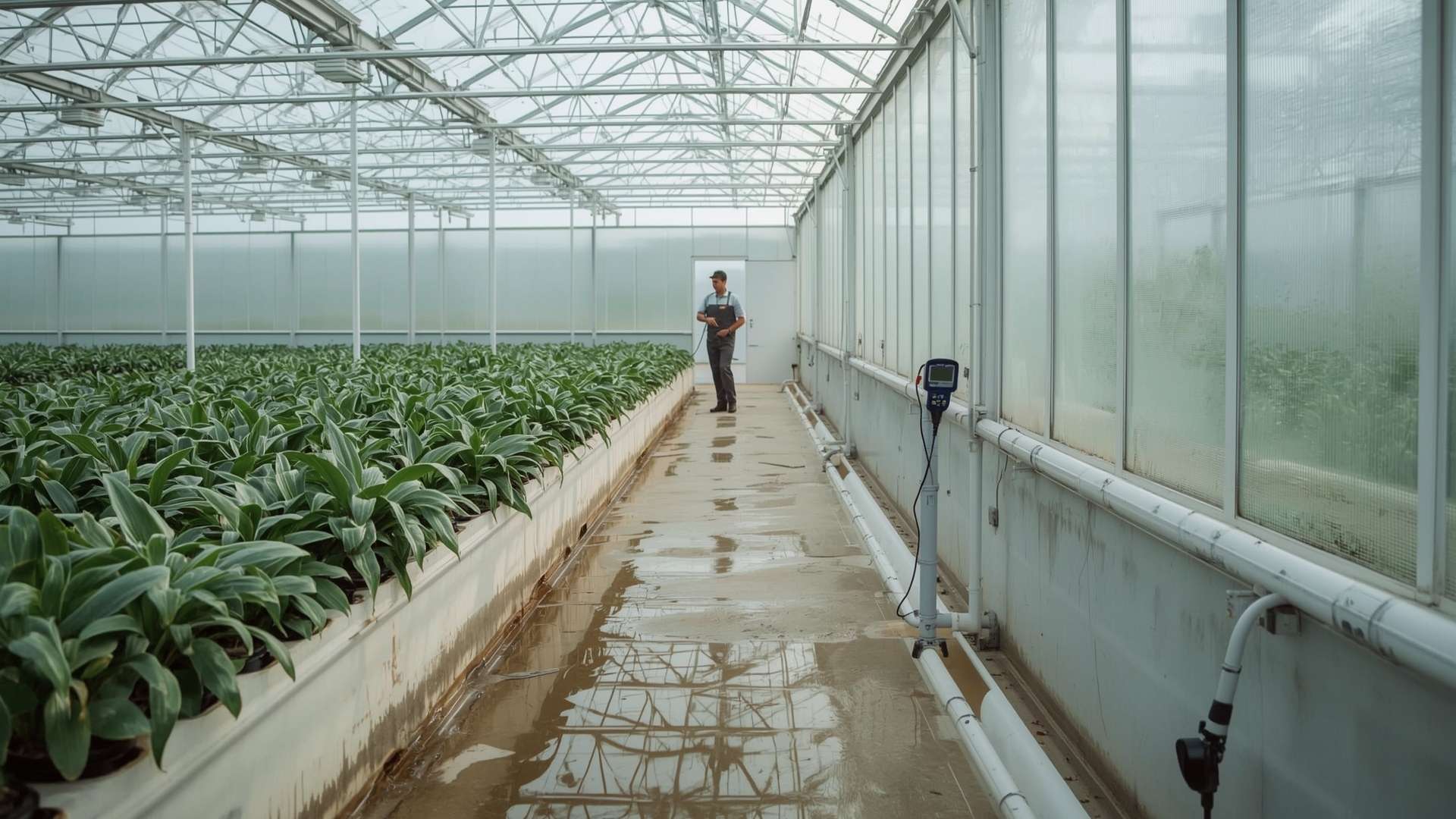
Water damage risks in commercial greenhouses can pose serious threats to both crop health and structural integrity. Whether caused by heavy rainfall, irrigation system failures, or plumbing leaks, excess moisture can lead to mold growth, root rot, and costly repairs. At COMMITTED TO QUALITY SERVICE, we understand the urgency of addressing water damage quickly and effectively. Our team offers fast, friendly, and professional water damage restoration services using specialized equipment designed to dry and restore affected greenhouse structures. Protect your investment and ensure optimal growing conditions by recognizing the early signs of water damage and acting promptly. Call us now at 855-933-7935 to learn more about how we can help safeguard your commercial greenhouse from water-related issues.
Understanding the Causes of Water Damage in Greenhouses
Water damage in commercial greenhouses can be a silent but devastating issue, leading to significant financial losses, compromised plant health, and structural deterioration. Understanding the root causes of water damage is essential for greenhouse operators, facility managers, and agricultural professionals who aim to maintain optimal growing conditions and protect their investments. Greenhouses, by design, are environments where water is extensively used for irrigation, humidity control, and temperature regulation. However, when water is not properly managed, it can become a source of serious damage. Identifying the underlying causes of water damage is the first step toward implementing effective prevention and mitigation strategies.
One of the primary causes of water damage in greenhouses is poor drainage. Greenhouses often rely on intricate irrigation systems to maintain consistent moisture levels, but if the water is not adequately drained, it can accumulate on the floor or around the foundation. This standing water can seep into the structure, leading to rot, mold growth, and even foundation weakening. According to the University of Massachusetts Amherst’s Center for Agriculture, Food, and the Environment, improper drainage is a leading contributor to structural damage in greenhouse facilities.
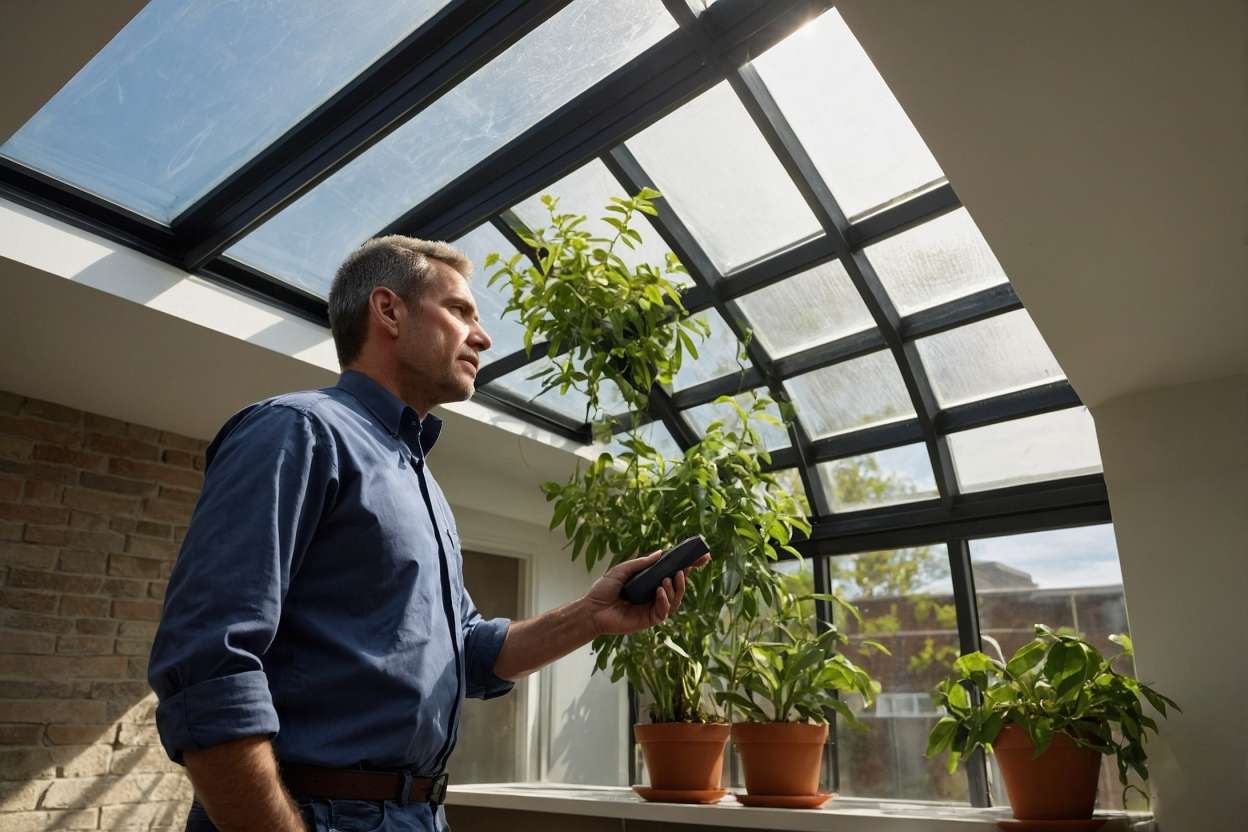
Another significant factor is roof leaks. Greenhouse roofs are typically made of glass, polycarbonate, or plastic films, which can degrade over time due to UV exposure, weather conditions, or physical damage. Even small cracks or gaps can allow rainwater to infiltrate the interior. This not only affects the structural integrity but also creates a moist environment conducive to mold and mildew. Regular inspection and maintenance of the roofing materials are crucial to prevent such issues.
Condensation is also a common and often overlooked cause of water damage. In greenhouses, the temperature difference between the interior and exterior can lead to condensation forming on surfaces such as walls, ceilings, and even plants. Over time, this moisture can drip onto the floor or into structural components, causing hidden water damage. As noted by the National Greenhouse Manufacturers Association, managing humidity levels and ensuring proper ventilation are key to reducing condensation-related problems.
Irrigation system malfunctions can further exacerbate water damage risks. Automated systems, while efficient, can malfunction due to clogged nozzles, broken pipes, or faulty timers. These issues can result in overwatering or leaks that go unnoticed until significant damage has occurred. Routine checks and maintenance of irrigation systems are essential to ensure they operate correctly and do not contribute to water accumulation.
In addition to mechanical failures, human error can also play a role. Overwatering by staff, improper use of hoses, or neglecting to shut off irrigation systems can all lead to excess water in the greenhouse environment. Training staff on proper watering techniques and establishing clear protocols can help mitigate these risks.
Environmental factors such as heavy rainfall, flooding, or snowmelt can also introduce water into greenhouses, especially if the facility is located in a low-lying area or lacks adequate weatherproofing. According to the U.S. Environmental Protection Agency (EPA), climate change is increasing the frequency and intensity of extreme weather events, making it more important than ever for greenhouse operators to prepare for such occurrences.
Structural issues, such as cracks in the foundation or walls, can allow water to enter the greenhouse from the outside. These vulnerabilities often go unnoticed until water damage becomes visible. Conducting regular inspections and sealing any gaps or cracks can help prevent water intrusion.
Here are some common examples and references that illustrate the causes of water damage in greenhouses:
- A commercial greenhouse in California experienced severe water damage due to a malfunctioning irrigation system that went undetected over a weekend, resulting in over $50,000 in crop losses.
- A study by the University of Florida found that greenhouses with inadequate roof maintenance were 40 percent more likely to suffer from water-related structural damage.
- In a case reported by Greenhouse Grower magazine, condensation buildup led to mold growth on seedlings, causing a 30 percent reduction in yield for a Midwest greenhouse operation.
"Water damage in greenhouses is often a result of multiple small issues that accumulate over time. Regular maintenance and early detection are key to preventing costly repairs and crop loss." — National Greenhouse Manufacturers Association
To further understand how to detect early signs of water damage, greenhouse operators can refer to this helpful guide: How to Identify Hidden Water Damage Early. This resource provides insights into spotting subtle indicators before they escalate into major problems.
Additionally, mold growth is a common consequence of water damage in greenhouses. Mold not only affects plant health but also poses risks to workers. For more information on addressing this issue, visit our mold remediation page.
Understanding the causes of water damage is not just about identifying what can go wrong; it’s also about taking proactive steps to prevent these issues. This includes investing in high-quality construction materials, implementing regular maintenance schedules, and training staff to recognize early warning signs. For a comprehensive overview of our approach to preventing and managing water damage, explore our services page.
For those interested in learning more about our mission and commitment to protecting commercial greenhouse operations, please visit our our mission page.
In conclusion, water damage in commercial greenhouses is a multifaceted issue that stems from a combination of environmental, structural, mechanical, and human factors. By understanding these causes, greenhouse operators can implement targeted strategies to mitigate risks and ensure the longevity and productivity of their facilities. Regular inspections, proper maintenance, and staff training are essential components of a successful water damage prevention plan. With the right knowledge and resources, it is possible to protect greenhouses from the costly and disruptive effects of water damage.
The Impact of Poor Drainage Systems
Poor drainage systems in commercial greenhouses can lead to a cascade of problems that significantly compromise the structural integrity of the facility, the health of the plants, and the overall productivity of the operation. When water is not effectively channeled away from the greenhouse, it tends to accumulate in unwanted areas, creating a breeding ground for mold, mildew, and other harmful microorganisms. This excess moisture not only deteriorates the building materials over time but also creates an unhealthy environment for plant growth. Root rot, fungal infections, and nutrient leaching are common consequences of waterlogged soil, all of which can severely impact crop yield and quality.
One of the most immediate and visible effects of poor drainage is the pooling of water on greenhouse floors. This standing water can seep into foundational materials, weakening the structure and leading to costly repairs. Over time, the persistent presence of moisture can also corrode metal components, damage insulation, and warp wooden frames. These structural issues not only pose safety risks but also reduce the energy efficiency of the greenhouse, leading to higher operational costs. In colder climates, water accumulation can freeze, causing cracks in concrete and other hard surfaces, further exacerbating the damage.
In addition to structural concerns, poor drainage significantly increases the risk of waterborne diseases. Pathogens thrive in moist environments, and when water is not properly drained, it can serve as a conduit for the spread of bacteria and fungi throughout the greenhouse. This can lead to widespread plant disease outbreaks, which are difficult and expensive to control. Moreover, the presence of excessive moisture can attract pests such as fungus gnats and mosquitoes, which not only harm plants but also create an unpleasant working environment for staff.
Another critical issue is the impact on air quality. High humidity levels resulting from inadequate drainage can lead to condensation on greenhouse surfaces, including walls, ceilings, and plant leaves. This condensation can drip onto plants, promoting leaf diseases and reducing photosynthesis efficiency. Over time, the persistent dampness can also contribute to the growth of mold and mildew on non-plant surfaces, which can be hazardous to both plants and human health. For greenhouse workers, prolonged exposure to mold spores can lead to respiratory issues and allergic reactions, making it essential to maintain a dry and well-ventilated environment.
From a financial perspective, the consequences of poor drainage can be devastating. Crop losses due to disease, structural repairs, increased energy costs, and pest control measures can quickly add up, significantly affecting the profitability of the greenhouse operation. In severe cases, the damage may be so extensive that it necessitates temporary closure, leading to further revenue loss. Preventative measures, such as installing proper drainage systems and regularly maintaining them, are far more cost-effective than dealing with the aftermath of water damage.
Moreover, poor drainage can hinder compliance with agricultural and environmental regulations. Standing water and runoff can carry fertilizers, pesticides, and other chemicals into nearby ecosystems, causing pollution and potentially resulting in fines or sanctions. Ensuring that water is properly managed within the greenhouse not only protects the facility and its crops but also demonstrates a commitment to sustainable and responsible farming practices. This can enhance the reputation of the business and build trust with consumers and regulatory bodies alike.
To mitigate these risks, it is crucial to implement a comprehensive water management strategy that includes proper grading, the use of permeable flooring materials, and the installation of effective drainage systems such as French drains or sump pumps. Regular inspections and maintenance are also essential to ensure that these systems function correctly and are not obstructed by debris or plant matter. Additionally, integrating moisture sensors and automated irrigation systems can help monitor and control water levels, ensuring that plants receive the right amount of water without oversaturating the soil.
For greenhouse operators seeking professional assistance, it is advisable to consult with experts who specialize in water damage prevention and remediation. Companies like Projekt Restoration offer a range of services designed to address and prevent water-related issues in commercial settings. Their team can assess the current drainage setup, identify potential vulnerabilities, and recommend tailored solutions to enhance the facility’s resilience against water damage.
Understanding the broader implications of water damage is also essential. Resources such as the blog section on Projekt Restoration’s website provide valuable insights into the causes, effects, and prevention strategies for water damage in various environments, including greenhouses. Staying informed and proactive can make a significant difference in maintaining a healthy and productive growing environment.
In conclusion, poor drainage systems pose a serious threat to commercial greenhouses, affecting everything from plant health and structural integrity to operational costs and regulatory compliance. By recognizing the signs of inadequate drainage and taking prompt action, greenhouse operators can protect their investments and ensure the long-term success of their agricultural endeavors. Investing in proper drainage infrastructure and ongoing maintenance is not just a preventative measure—it is a critical component of sustainable greenhouse management.
How Leaky Irrigation Lines Contribute to Structural Issues
Leaky irrigation lines in commercial greenhouses may seem like a minor inconvenience at first glance, but over time, they can lead to significant structural issues that compromise the integrity of the entire facility. These leaks often go unnoticed because they are slow and persistent, gradually saturating the soil and underlying foundation. When water continuously seeps into the ground, it can erode the base materials supporting the greenhouse structure, weakening the foundation and causing uneven settling. This uneven settling can result in cracks in the floors and walls, misaligned doors and windows, and even structural shifts that threaten the safety of the building. Additionally, the constant presence of moisture creates an ideal environment for mold growth, which not only damages building materials but also poses health risks to workers and plants. Over time, the accumulation of moisture can corrode metal components, rot wooden supports, and degrade insulation materials, all of which are critical to maintaining a stable and efficient greenhouse environment. If not addressed promptly, these issues can escalate into costly repairs and operational downtime. Regular inspection and maintenance of irrigation systems are essential to prevent such damage. For greenhouse operators seeking professional assistance, understanding the importance of early detection and intervention is key. Resources like the how-to-identify-hidden-water-damage-early guide can be invaluable in spotting the signs before they become severe. Moreover, partnering with experienced restoration professionals who offer comprehensive services ensures that any existing damage is addressed efficiently and future risks are minimized. By taking proactive measures, commercial greenhouse owners can protect their investments and maintain a safe, productive growing environment.
The Role of Roof Integrity in Preventing Water Intrusion
In commercial greenhouses, maintaining roof integrity is one of the most critical factors in preventing water intrusion and the subsequent risks of water damage. The roof serves as the first line of defense against environmental elements such as rain, snow, and humidity. When the roofing system is compromised—whether due to aging materials, poor installation, or physical damage—it can lead to leaks that allow water to seep into the structure. This intrusion not only threatens the structural stability of the greenhouse but also creates an environment conducive to mold growth, plant disease, and equipment deterioration. Over time, even minor leaks can escalate into significant problems, affecting crop yield and increasing operational costs. Regular inspections and timely maintenance of the roof are essential to detect early signs of wear and tear, such as cracked panels, loose fittings, or blocked drainage systems. Greenhouse operators should prioritize the use of durable, weather-resistant materials and ensure proper sealing around vents, skylights, and joints to minimize vulnerabilities. Additionally, implementing a proactive maintenance plan can help identify potential issues before they become costly repairs. For those seeking professional assistance, understanding the full range of services available for water damage prevention and restoration is crucial. A well-maintained roof not only protects the physical structure but also preserves the internal climate necessary for optimal plant growth. Investing in roof integrity is, therefore, not just a matter of building maintenance but a strategic decision that impacts the overall productivity and sustainability of the greenhouse. For more insights into how to safeguard your greenhouse from hidden threats, visit our detailed guide on how to identify hidden water damage early.
Effects of Excess Humidity on Greenhouse Infrastructure
Excess humidity within commercial greenhouses can lead to a cascade of structural and operational issues that compromise both the integrity of the facility and the health of the plants it houses. While greenhouses are designed to maintain optimal growing conditions, an imbalance in humidity levels—particularly when they remain consistently high—can result in significant water damage risks. Over time, this moisture can infiltrate building materials, corrode metal components, and degrade insulation, leading to costly repairs and potential operational downtime. One of the most immediate effects of excessive humidity is condensation, which forms on interior surfaces such as walls, ceilings, and glazing. This persistent moisture can seep into wooden frames, causing them to warp, rot, or develop mold. Metal structures are not immune either; they may rust or weaken, especially in joints or fasteners where water can accumulate unnoticed. These structural vulnerabilities not only threaten the longevity of the greenhouse but also pose safety hazards for workers and equipment.
Furthermore, the presence of excess humidity creates an ideal environment for mold and mildew growth, which can spread rapidly across surfaces and into hidden areas. Mold not only damages the physical infrastructure but also poses serious health risks to workers, potentially leading to respiratory issues and allergic reactions. The presence of mold can also affect the quality of the crops, making them unsuitable for sale or consumption. For greenhouse operators, this means not only the cost of remediation but also the potential loss of revenue due to compromised produce. To mitigate these risks, it is essential to implement effective ventilation and dehumidification systems that regulate moisture levels and prevent condensation buildup. Regular maintenance checks and prompt attention to any signs of water intrusion are also critical in preserving the structural integrity of the greenhouse.
In addition to mold, excess humidity can lead to the proliferation of pests and pathogens that thrive in moist environments. These biological threats can damage crops and further strain the greenhouse’s infrastructure by necessitating increased use of chemical treatments or pest control measures. Over time, the cumulative impact of these issues can degrade the overall efficiency and productivity of the greenhouse operation. Insulation materials, often used to maintain temperature control, can become saturated with moisture, reducing their effectiveness and increasing energy costs. Electrical systems are also at risk, as moisture can corrode wiring and components, leading to potential fire hazards or system failures. These problems underscore the importance of early detection and proactive management of humidity levels within the greenhouse environment.
To address these challenges effectively, greenhouse operators should consider partnering with professionals who specialize in water damage prevention and restoration. Services such as those offered by Projekt Restoration provide comprehensive solutions tailored to the unique needs of commercial greenhouse facilities. From moisture assessments to structural repairs and mold remediation, these experts can help safeguard your investment and ensure a safe, productive growing environment. Understanding the root causes of excess humidity—such as poor ventilation, overwatering, or inadequate drainage—is the first step in developing a long-term strategy for moisture control. Implementing smart technologies, such as humidity sensors and automated climate control systems, can also play a pivotal role in maintaining optimal conditions and preventing damage before it occurs.
Moreover, educating staff on the signs of water damage and the importance of humidity control can foster a proactive culture of maintenance and care. Training programs and regular inspections can help identify early warning signs, such as discoloration, musty odors, or unusual condensation patterns. For more insights on how to detect potential issues early, you can refer to resources like how to identify hidden water damage early. By staying vigilant and informed, greenhouse operators can minimize the risks associated with excess humidity and maintain a resilient infrastructure capable of supporting long-term agricultural success.
In conclusion, while humidity is a necessary component of greenhouse operations, its excess can be detrimental to both infrastructure and crop health. The key to mitigating water damage risks lies in maintaining a balanced environment through proper design, regular maintenance, and professional support. Investing in preventive measures and staying informed about the latest best practices can help ensure that your commercial greenhouse remains a thriving, efficient, and safe space for plant cultivation. For more information about how professional restoration services can support your greenhouse operations, visit the about page of Projekt Restoration.
Mold and Mildew Growth from Persistent Moisture
In commercial greenhouses, the presence of persistent moisture creates an ideal environment for the growth of mold and mildew, which can pose serious risks to both plant health and structural integrity. These fungi thrive in damp, humid conditions, often developing in areas where water accumulates due to leaks, poor drainage, or inadequate ventilation. Once mold and mildew take hold, they can spread rapidly, affecting not only the plants but also the greenhouse infrastructure, including wooden frames, insulation, and even metal components. The spores released by mold can contaminate the air, leading to respiratory issues for workers and potentially affecting the quality of produce. Moreover, mold growth on plants can result in reduced yields, compromised aesthetics, and even total crop loss, especially in sensitive or high-value crops like herbs, flowers, and leafy greens.
Persistent moisture often goes unnoticed in commercial greenhouses due to the constant need for irrigation and the naturally humid environment. However, when water is not properly managed, it can seep into hidden corners, under benches, or behind walls, creating pockets of dampness that are difficult to detect. Over time, these areas become breeding grounds for mold and mildew. This not only affects the immediate area but can also lead to widespread contamination if not addressed promptly. The presence of mold can also be a sign of deeper water damage issues, which may require professional assessment and remediation. For greenhouse operators, understanding the signs of mold and mildew—such as musty odors, discoloration on surfaces, or visible fungal growth—is crucial for early intervention.
The economic impact of mold and mildew in commercial greenhouses can be significant. In addition to the cost of lost crops, growers may face expenses related to cleaning, repairs, and even temporary shutdowns. Mold remediation in a greenhouse setting often requires specialized knowledge and equipment to ensure that the problem is thoroughly addressed without harming the plants or disrupting operations. This is why many commercial greenhouse owners turn to professional services for help. Companies that specialize in mold remediation can assess the extent of the damage, identify the source of moisture, and implement effective solutions to prevent future outbreaks. These services are essential for maintaining a healthy growing environment and protecting the long-term viability of the greenhouse.
Preventing mold and mildew growth begins with proper moisture management. This includes regular inspections of irrigation systems, ensuring adequate drainage, and maintaining proper ventilation throughout the greenhouse. Dehumidifiers and fans can help control humidity levels, while routine maintenance can prevent leaks and water accumulation. It is also important to train staff to recognize early signs of mold and to respond quickly when issues arise. Implementing a proactive maintenance plan can significantly reduce the risk of mold-related problems and help preserve the integrity of the greenhouse structure.
In addition to physical damage and crop loss, mold and mildew can also affect the reputation of a commercial greenhouse. Customers and clients expect high standards of cleanliness and quality, and the presence of mold can raise concerns about safety and hygiene. This is particularly important for greenhouses that supply produce to grocery stores, restaurants, or direct-to-consumer markets. Ensuring a mold-free environment not only protects the health of plants and workers but also supports the business’s credibility and customer trust.
For greenhouse operators seeking guidance on how to manage moisture and prevent mold growth, there are numerous resources available. Consulting with experts in water damage and mold prevention can provide valuable insights into best practices and innovative solutions. Companies like Projekt Restoration offer a range of services designed to address the unique challenges of commercial greenhouse environments. From initial assessments to comprehensive remediation plans, these professionals can help greenhouse owners maintain optimal conditions for plant growth while minimizing the risk of mold and mildew.
Understanding the connection between persistent moisture and mold growth is essential for anyone involved in greenhouse operations. By taking a proactive approach to moisture control, investing in regular maintenance, and seeking professional assistance when needed, commercial greenhouse owners can protect their investments and ensure a healthy, productive growing environment. For more information about how to identify and address water-related issues in greenhouses, visit the about page to learn more about the expertise and services available to support your facility.
Electrical Hazards Associated with Water Damage
In commercial greenhouses, water damage poses a significant threat not only to plant health and structural integrity but also to electrical systems. When water infiltrates areas containing electrical wiring, outlets, or control panels, it creates a hazardous environment that can lead to short circuits, equipment failure, and even fires. Greenhouses often rely heavily on automated systems for lighting, irrigation, temperature control, and ventilation, all of which are powered by electricity. If these systems are compromised due to water exposure, the risk of operational downtime increases, potentially resulting in the loss of valuable crops and revenue. Moisture can corrode electrical components over time, weakening insulation and increasing the likelihood of arcing or sparking. This is particularly dangerous in humid greenhouse environments where condensation can accumulate unnoticed. Additionally, standing water on floors or near electrical panels can pose a direct electrocution risk to workers, especially if safety protocols are not strictly followed. Regular inspections and maintenance of electrical systems are essential to prevent such hazards. It is also crucial to install waterproof enclosures and elevate electrical components above potential flood levels. In the event of water damage, immediate professional assessment is necessary to ensure all electrical systems are safe before resuming operations. For more information on how to protect your greenhouse from such risks, explore our services or learn more about our approach on the how it works page. Taking proactive steps can help mitigate the dangers of electrical hazards and ensure the long-term safety and productivity of your commercial greenhouse.
Crop Losses Due to Overwatering and Flooding
In commercial greenhouses, maintaining optimal water levels is crucial for healthy plant growth and maximizing crop yields. However, overwatering and flooding can lead to significant crop losses, posing a serious threat to both productivity and profitability. When plants receive more water than they can absorb or when drainage systems fail, the excess moisture can suffocate roots, disrupt nutrient uptake, and create an environment conducive to disease. Root rot, fungal infections, and bacterial growth are common consequences of prolonged exposure to waterlogged conditions. These issues not only damage the current crop but can also contaminate the growing medium, making it unsuitable for future planting cycles. In addition, overwatering can leach essential nutrients from the soil, leading to deficiencies that weaken plant health and reduce resistance to pests and diseases. Flooding, whether caused by natural disasters or irrigation system malfunctions, can be even more destructive, often resulting in total crop failure and long-term damage to greenhouse infrastructure. The financial implications of such losses are substantial, especially for commercial growers who rely on consistent output to meet market demands. Preventative measures, such as installing proper drainage systems, using moisture sensors, and implementing smart irrigation technologies, are essential to mitigate these risks. Regular maintenance and monitoring of water systems can help identify potential issues before they escalate. For greenhouse operators seeking professional support in managing water-related challenges, exploring specialized services can provide tailored solutions to protect crops and infrastructure. Additionally, understanding the broader impact of water damage and how to address it effectively is crucial. Resources like the blog offer valuable insights into best practices and innovative strategies for water management in commercial growing environments. By taking proactive steps and staying informed, greenhouse owners can significantly reduce the risk of crop losses due to overwatering and flooding, ensuring a more resilient and productive operation.
Identifying Early Signs of Water Damage
Detecting the early signs of water damage in commercial greenhouses is essential for preventing costly repairs and maintaining optimal growing conditions. Water damage can compromise the structural integrity of the greenhouse, disrupt plant health, and lead to mold growth, all of which can significantly impact productivity and profitability. One of the first indicators of water damage is discoloration on surfaces such as walls, ceilings, or floors. These stains often appear yellowish-brown and may grow over time if the source of moisture is not addressed. In greenhouses, this can be particularly problematic as the high humidity levels can mask the presence of excess moisture until visible damage becomes apparent.
Another early warning sign is the presence of musty or earthy odors. These smells often indicate mold or mildew growth, which thrives in damp environments. Even if mold is not immediately visible, a persistent odor should prompt a thorough inspection of hidden areas such as behind insulation, under flooring, or within wall cavities. Warped or buckling materials, such as wooden frames or panels, are also common indicators of prolonged exposure to moisture. In a commercial greenhouse, where wood and other organic materials are frequently used, this can lead to structural weaknesses and potential safety hazards.
Condensation on windows and other glass surfaces is another sign that moisture levels may be too high. While some condensation is normal due to temperature differences, excessive or persistent condensation can signal poor ventilation or hidden leaks. Over time, this can lead to mold growth and deterioration of materials. Additionally, peeling paint or wallpaper, especially near the base of walls or around windows, can suggest that water is seeping into the structure. In greenhouses, where environmental control is critical, such damage can also affect the performance of climate control systems.
Unexplained increases in water bills may also point to hidden leaks within the irrigation system or plumbing infrastructure. Regular monitoring of water usage and conducting routine inspections can help identify these issues before they escalate. In some cases, the presence of pests such as termites or carpenter ants can also indicate water damage, as these insects are attracted to moist wood. Their appearance should prompt an immediate investigation into potential water intrusion points.
To effectively manage these risks, greenhouse operators should implement a proactive maintenance schedule that includes regular inspections of roofing, gutters, and drainage systems. Ensuring that water is directed away from the structure and that all seals and joints are intact can prevent moisture from entering the building. Utilizing moisture meters and thermal imaging cameras can also help detect hidden water damage that may not be visible to the naked eye. For more detailed guidance on identifying hidden water damage, visit our page on how to identify hidden water damage early.
Training staff to recognize the early signs of water damage is equally important. Employees who work in the greenhouse daily are often the first to notice subtle changes in the environment. Providing them with the knowledge to report potential issues can lead to quicker response times and reduced damage. Additionally, partnering with a professional restoration service can ensure that any water damage is addressed promptly and thoroughly. At Projekt Restoration, we offer a range of services tailored to the unique needs of commercial greenhouse facilities.
Understanding and identifying the early signs of water damage is a critical component of risk management in commercial greenhouses. By staying vigilant and taking immediate action when warning signs appear, greenhouse operators can protect their investments, maintain healthy plant environments, and ensure the long-term success of their operations. For more information about our company and our commitment to quality restoration, visit our about page.
Seasonal Weather Patterns and Their Influence on Water Risks
Commercial greenhouses are highly sensitive to seasonal weather patterns, which can significantly influence the risk and extent of water damage. Each season brings its own set of challenges that greenhouse operators must anticipate and manage to maintain optimal growing conditions and protect infrastructure. During the spring, increased rainfall and melting snow can lead to excessive moisture accumulation around the greenhouse foundation. If drainage systems are not properly maintained or designed to handle the influx, water can seep into the structure, damaging equipment, plant beds, and even the structural integrity of the building. Summer, on the other hand, often brings intense storms and heavy downpours that can overwhelm gutters and downspouts, leading to roof leaks and interior flooding. High humidity levels during this season can also promote condensation on interior surfaces, which, if not properly ventilated, may result in mold growth and deterioration of building materials.
Autumn introduces its own set of complications, particularly with falling leaves that can clog drainage systems and gutters. Blocked water pathways can cause pooling on roofs or around the base of the greenhouse, increasing the risk of leaks and foundational water intrusion. Additionally, fluctuating temperatures during this season can cause condensation to form on both the inside and outside of the greenhouse, further exacerbating moisture issues. Winter poses perhaps the most severe threat, especially in regions prone to snow and ice. Accumulated snow on the roof adds significant weight and, when it begins to melt, can lead to water infiltration if the roofing materials are compromised. Ice dams can form along the edges of roofs, preventing proper drainage and forcing water back under the roofing materials. Frozen pipes are another common winter hazard, potentially leading to burst pipes and extensive interior flooding if not adequately insulated.
Understanding these seasonal dynamics is crucial for greenhouse operators aiming to mitigate water damage risks. Proactive maintenance, such as regular inspection of roofing, gutters, and drainage systems, is essential throughout the year. Installing weather-resistant materials and ensuring proper insulation can also help reduce vulnerabilities. Moreover, implementing advanced monitoring systems to detect moisture levels and leaks early can prevent minor issues from escalating into major damage. For those seeking professional assistance, exploring the range of services offered by restoration experts can provide tailored solutions to safeguard commercial greenhouses against seasonal water threats. Additionally, learning more about the company’s background and commitment to quality through their about page can help greenhouse owners make informed decisions when choosing a reliable partner for water damage prevention and restoration. By aligning greenhouse management practices with seasonal weather patterns, operators can significantly reduce the risk of water-related disruptions and ensure the longevity and productivity of their facilities.
Importance of Regular Maintenance and Inspections
Regular maintenance and inspections are essential components in preventing water damage in commercial greenhouses. These facilities are complex environments where irrigation systems, humidity levels, and structural integrity must be carefully managed to ensure optimal plant growth and operational efficiency. Without consistent upkeep, even minor issues can escalate into significant water-related problems that compromise the health of crops, damage infrastructure, and lead to costly repairs. Routine inspections help identify vulnerabilities such as leaks, condensation buildup, clogged drainage systems, and deteriorating materials before they become major concerns. For instance, unchecked leaks in irrigation lines or roofing can lead to persistent moisture accumulation, which not only damages the structure but also creates ideal conditions for mold growth and pest infestations.
Moreover, regular maintenance ensures that all systems within the greenhouse, including HVAC, plumbing, and irrigation, function efficiently. These systems are interdependent, and a failure in one can trigger a cascade of issues that contribute to water damage. For example, a malfunctioning HVAC system may not effectively control humidity levels, leading to condensation on surfaces and potential water damage to both plants and structural components. By conducting scheduled inspections, greenhouse operators can detect such issues early and take corrective action, thereby extending the lifespan of equipment and reducing the likelihood of emergency repairs.
In addition to preventing physical damage, regular inspections also support compliance with industry standards and local regulations. Many jurisdictions require commercial agricultural operations to adhere to specific guidelines regarding water usage, waste management, and environmental impact. Failing to maintain systems properly can result in violations, fines, or even forced shutdowns. Proactive maintenance not only helps avoid these legal complications but also demonstrates a commitment to sustainable and responsible agricultural practices.
Another critical aspect of maintenance is the monitoring of drainage systems. Greenhouses often rely on complex drainage networks to manage excess water from irrigation and rainfall. If these systems become blocked or damaged, water can accumulate on the floor or around the foundation, leading to structural weakening and potential flooding. Regular checks ensure that drains are clear, pumps are operational, and runoff is effectively managed. This is particularly important in regions prone to heavy rainfall or where greenhouses are located on uneven terrain.
Furthermore, consistent inspections can help identify signs of hidden water damage that may not be immediately visible. Issues such as mold growth behind walls, water stains on ceilings, or warped flooring can indicate underlying problems that require immediate attention. Early detection of these signs is crucial in preventing long-term damage and maintaining a safe environment for both plants and workers. For more information on identifying these issues, you can refer to our guide on how to identify hidden water damage early.
Regular maintenance also plays a vital role in preserving the value of the greenhouse property. Water damage can significantly reduce the resale value of a commercial facility and deter potential buyers or investors. By keeping the property in excellent condition through routine inspections and timely repairs, owners can protect their investment and ensure long-term profitability. Additionally, a well-maintained greenhouse reflects positively on the business, enhancing its reputation and credibility within the agricultural community.
It is also worth noting that maintenance routines should be tailored to the specific needs of each greenhouse. Factors such as the type of crops grown, the local climate, and the age of the facility all influence the frequency and scope of inspections required. Customized maintenance plans allow for more effective monitoring and ensure that all critical areas are addressed. Working with experienced professionals who understand the unique challenges of greenhouse operations can further enhance the effectiveness of these efforts. To learn more about the services we offer to support greenhouse maintenance, visit our services page.
Incorporating technology into maintenance practices can also improve efficiency and accuracy. Tools such as moisture sensors, thermal imaging cameras, and automated monitoring systems can provide real-time data on environmental conditions and system performance. This information enables greenhouse managers to make informed decisions and respond quickly to potential issues. For example, moisture sensors can alert staff to leaks or overwatering, allowing for immediate intervention before damage occurs.
Training staff to recognize early signs of water damage and understand the importance of maintenance is equally important. Employees who are well-informed and vigilant can serve as the first line of defense against water-related issues. Regular training sessions and clear protocols for reporting and addressing problems can foster a culture of accountability and proactive care within the organization.
In conclusion, regular maintenance and inspections are not just routine tasks but essential strategies for safeguarding commercial greenhouses against water damage. They help detect and resolve issues early, ensure compliance with regulations, protect valuable assets, and support sustainable agricultural practices. By investing in consistent upkeep and leveraging both professional expertise and modern technology, greenhouse operators can create a resilient and efficient environment that promotes healthy plant growth and long-term success. For more insights into our approach and commitment to quality, please visit our our mission page.
Upgrading Infrastructure to Mitigate Water Damage
To effectively reduce the risks of water damage in commercial greenhouses, upgrading infrastructure is a critical step that ensures long-term resilience and operational efficiency. Greenhouses are highly sensitive environments where even minor water intrusions can lead to significant crop loss, structural deterioration, and increased maintenance costs. Investing in modern infrastructure solutions not only safeguards the physical structure but also protects the delicate ecosystem within. One of the most effective strategies is the installation of advanced drainage systems. These systems are designed to redirect excess water away from the greenhouse foundation, preventing pooling and soil saturation that can compromise both plant health and structural integrity. Additionally, implementing high-quality guttering and downspout systems ensures that rainwater is efficiently channeled away from the building, reducing the risk of leaks and water infiltration.
Another essential upgrade involves the use of waterproof and water-resistant materials in construction and renovation projects. For instance, using corrosion-resistant metal frames, sealed concrete flooring, and moisture-barrier wall coatings can significantly reduce the likelihood of water damage. These materials are particularly beneficial in high-humidity environments where condensation is a constant concern. Moreover, incorporating automated climate control systems can help regulate humidity levels, further minimizing the risk of mold growth and water-related deterioration. These systems can be programmed to adjust ventilation, heating, and cooling based on real-time environmental data, ensuring optimal conditions for plant growth while also protecting infrastructure.
Regular maintenance and timely repairs are also vital components of a robust infrastructure strategy. Routine inspections of roofing, plumbing, and irrigation systems can identify vulnerabilities before they escalate into major issues. For example, a small leak in the irrigation system can lead to extensive water damage if left unaddressed. By scheduling periodic assessments and employing professional services, greenhouse operators can maintain the integrity of their facilities. For those seeking expert assistance, exploring the range of services offered by restoration professionals can provide valuable support in both preventive maintenance and emergency response.
Incorporating smart technology into greenhouse infrastructure is another forward-thinking approach. Sensors that detect moisture levels, temperature fluctuations, and structural movement can provide early warnings of potential water damage. These systems can be integrated with mobile apps or centralized control panels, allowing for real-time monitoring and immediate action when anomalies are detected. This proactive approach not only minimizes damage but also reduces downtime and operational disruptions. Additionally, having a well-documented emergency response plan, including contact information for local restoration experts, ensures that any incidents are managed swiftly and effectively.
Beyond the physical upgrades, it’s also important to educate staff and stakeholders about the importance of water damage prevention. Training programs can cover topics such as identifying early signs of water intrusion, proper maintenance procedures, and emergency protocols. This knowledge empowers employees to take immediate action when issues arise, reducing the likelihood of extensive damage. For more insights into early detection, consider reviewing resources like how to identify hidden water damage early, which offers practical tips for spotting problems before they become costly repairs.
Finally, collaborating with experienced restoration professionals can provide a comprehensive approach to infrastructure upgrades. These experts can assess current vulnerabilities, recommend targeted improvements, and implement solutions that align with the specific needs of a commercial greenhouse. Whether it’s reinforcing structural elements, upgrading drainage systems, or installing advanced monitoring technology, a tailored strategy ensures maximum protection against water damage. To learn more about the mission and values behind expert restoration services, visit the our mission page for a deeper understanding of their commitment to quality and reliability.
By prioritizing infrastructure upgrades, commercial greenhouse operators can create a more resilient environment that supports healthy plant growth, reduces maintenance costs, and minimizes the risks associated with water damage. This proactive investment not only protects valuable assets but also ensures the long-term sustainability and success of greenhouse operations.
Emergency Response Plans for Water-Related Incidents
In commercial greenhouses, where optimal environmental conditions are critical for plant health and productivity, water-related incidents can have devastating consequences. From burst pipes and irrigation system failures to flooding caused by extreme weather, these emergencies can lead to significant crop loss, structural damage, and operational downtime. Therefore, having a comprehensive emergency response plan tailored specifically for water-related incidents is essential for greenhouse operators. Such a plan not only minimizes immediate damage but also ensures a swift recovery process, safeguarding both the physical infrastructure and the long-term viability of the business.
An effective emergency response plan begins with a thorough risk assessment. Greenhouse managers must identify all potential sources of water damage, including plumbing systems, roof integrity, drainage efficiency, and nearby water bodies that could overflow. This assessment should be regularly updated to reflect changes in infrastructure or climate patterns. Once risks are identified, the next step is to develop clear protocols for each type of incident. For example, in the event of a pipe burst, the plan should outline steps for shutting off the water supply, notifying maintenance teams, and initiating immediate water extraction to prevent further damage.
Communication is a cornerstone of any emergency response strategy. All staff members should be trained on the emergency procedures, including how to report incidents, whom to contact, and what actions to take in the first critical minutes. Emergency contact lists should be easily accessible and include local emergency services, utility companies, and professional restoration services. Regular drills and training sessions help reinforce these procedures, ensuring that employees can act quickly and effectively under pressure.
Another vital component of the emergency response plan is the availability of essential equipment and resources. Greenhouses should be equipped with water pumps, wet vacuums, dehumidifiers, and protective gear to handle minor incidents internally. For more severe cases, having a pre-established relationship with a reliable restoration company can significantly speed up the recovery process. Companies like Projekt Restoration offer specialized services tailored to water damage scenarios, providing expert assessment, water extraction, structural drying, and mold prevention.
Documentation and record-keeping also play a critical role in managing water-related emergencies. Detailed logs of the incident, including photographs, time-stamped notes, and repair actions taken, are invaluable for insurance claims and future risk mitigation. These records help greenhouse operators understand the root causes of incidents and refine their emergency plans accordingly. Additionally, maintaining an up-to-date inventory of plants, equipment, and supplies can streamline the recovery process and reduce financial losses.
Post-incident evaluation is another essential step in the emergency response cycle. After addressing the immediate threat, greenhouse managers should conduct a thorough review of the incident to identify what worked well and where improvements are needed. This evaluation should involve all relevant stakeholders and result in actionable updates to the emergency response plan. Continuous improvement ensures that the greenhouse becomes more resilient to future water-related threats.
Incorporating technology into emergency response planning can further enhance preparedness. Sensors that detect moisture levels, temperature fluctuations, and water flow anomalies can provide early warnings of potential issues. These systems can be integrated with automated alerts to notify staff of irregularities before they escalate into full-blown emergencies. Investing in such technology not only protects crops and infrastructure but also reduces the long-term costs associated with water damage.
Insurance coverage is another critical consideration. Greenhouse operators should review their policies to ensure they include comprehensive protection against various forms of water damage. Understanding the terms, coverage limits, and claim procedures can make a significant difference in the speed and success of post-incident recovery. Working with insurance providers to align coverage with the specific risks faced by commercial greenhouses is a proactive step in financial risk management.
Collaboration with local authorities and industry experts can also strengthen emergency preparedness. Engaging with agricultural extension services, environmental agencies, and professional restoration firms can provide valuable insights and resources. For instance, exploring the about section of a trusted restoration company can offer information on their expertise and response capabilities, helping greenhouse operators make informed decisions when selecting a partner for emergency situations.
Finally, public relations and customer communication should not be overlooked in the aftermath of a water-related incident. Transparent communication with clients, suppliers, and stakeholders about the nature of the incident, the steps being taken to resolve it, and the expected timeline for recovery can help maintain trust and business continuity. Utilizing digital platforms, such as social media and company websites, ensures that accurate information is disseminated quickly and efficiently.
In conclusion, emergency response planning for water-related incidents in commercial greenhouses is a multifaceted process that requires foresight, coordination, and ongoing commitment. By conducting thorough risk assessments, training staff, equipping facilities with necessary tools, and partnering with experienced restoration professionals, greenhouse operators can significantly reduce the impact of water damage. Proactive planning not only protects valuable crops and infrastructure but also ensures the long-term sustainability and success of greenhouse operations. For more insights into managing water damage and recovery strategies, visit the blog section of Projekt Restoration.
Long-Term Financial Impacts of Unaddressed Water Damage
When water damage in commercial greenhouses goes unaddressed, the long-term financial consequences can be severe and far-reaching. Initially, the damage may appear minor—perhaps a small leak in the irrigation system or condensation buildup on structural components—but over time, these seemingly insignificant issues can escalate into major financial burdens. One of the most immediate impacts is the deterioration of infrastructure. Wooden frames, insulation, and even metal components can weaken due to prolonged exposure to moisture, leading to costly repairs or complete replacements. This structural degradation not only compromises the safety of the greenhouse but also disrupts daily operations, potentially halting production and reducing revenue.
Another significant financial implication is the loss of crops. Water damage can create an environment conducive to mold growth, root rot, and other plant diseases. These conditions can spread rapidly in the controlled environment of a greenhouse, wiping out entire batches of produce. The financial loss from a single compromised harvest can be substantial, especially for businesses that rely on consistent crop cycles to meet market demands. Additionally, the presence of mold and mildew can contaminate the air and surfaces, requiring professional mold remediation services to restore a safe and functional growing environment.
Utility costs can also rise significantly due to unaddressed water damage. Moisture infiltration can affect the efficiency of heating and cooling systems, forcing them to work harder to maintain optimal growing conditions. This increased energy consumption translates directly into higher utility bills. Moreover, water damage can compromise insulation, leading to further energy inefficiencies and escalating operational costs. Over time, these added expenses can erode profit margins and strain the financial health of the business.
Insurance premiums may also be affected. If water damage is not promptly and properly addressed, insurance providers may view the greenhouse as a higher risk, leading to increased premiums or even denial of coverage. In some cases, claims related to long-term water damage may be rejected if the insurer determines that the damage resulted from negligence or lack of maintenance. This can leave greenhouse operators to shoulder the full cost of repairs and losses, further compounding the financial strain.
In addition to direct costs, there are also indirect financial impacts to consider. For instance, a greenhouse that suffers from recurring water damage may develop a reputation for poor quality or unreliable supply. This can damage relationships with buyers, distributors, and retailers, leading to lost contracts and reduced market share. Rebuilding trust and restoring a positive reputation can take time and additional investment in marketing and quality assurance.
Furthermore, regulatory compliance can become an issue. Many commercial greenhouses are subject to strict agricultural and environmental regulations. Persistent water damage can lead to violations, fines, or even temporary shutdowns if the facility is deemed unsafe or unsanitary. Addressing these issues retroactively is often more expensive and time-consuming than implementing preventive measures from the outset.
The cost of professional restoration services is another factor to consider. While hiring experts to address water damage may seem like an added expense, it is often more cost-effective in the long run. Professional services can identify hidden damage, prevent further deterioration, and ensure that repairs are done correctly the first time. For example, understanding how to identify hidden water damage early can help greenhouse operators take timely action, minimizing both damage and cost.
Labor costs can also rise due to water damage. Staff may need to spend additional time managing the consequences of moisture issues, such as cleaning, moving plants, or adjusting environmental controls. This diverts labor away from productive tasks and can lead to inefficiencies and increased payroll expenses. In severe cases, specialized labor may be required to handle restoration or remediation efforts, further increasing costs.
Moreover, the depreciation of property value is a long-term financial risk associated with unaddressed water damage. A greenhouse facility that shows signs of chronic moisture problems may be appraised at a lower value, making it more difficult to sell or refinance. Investors and potential buyers are likely to be wary of properties with a history of water damage, which can limit future financial opportunities for the business.
To mitigate these risks, it is essential for greenhouse operators to invest in regular maintenance and prompt response to any signs of water damage. Partnering with a reliable restoration company that offers comprehensive services can make a significant difference in managing and preventing long-term financial losses. By taking a proactive approach, businesses can protect their assets, maintain operational efficiency, and ensure long-term profitability.
In conclusion, the financial impact of unaddressed water damage in commercial greenhouses extends far beyond the initial repair costs. From structural degradation and crop loss to increased utility bills and insurance complications, the cumulative effect can be devastating. Indirect costs such as reputational damage, regulatory fines, and property devaluation further underscore the importance of timely intervention. By recognizing the signs early and seeking professional assistance, greenhouse operators can safeguard their investments and ensure the sustainability of their operations. For more information on how to protect your greenhouse from water damage, visit our about page to learn more about our expertise and commitment to quality restoration solutions.
Sure! Here’s a suitable FAQ section for a blog post titled "Water Damage Risks in Commercial Greenhouses," incorporating relevant information:
Frequently Asked Questions (FAQ)
-
What are the main causes of water damage in commercial greenhouses?
Water damage in commercial greenhouses can result from several sources, including poor drainage systems, irrigation system malfunctions, roof leaks, condensation buildup, and flooding from heavy rainfall or nearby water sources. Overwatering and improper water management practices can also contribute to long-term structural and plant health issues.
-
How does water damage affect greenhouse structures?
Excess moisture can weaken structural components such as wood, metal, and insulation materials. Over time, this can lead to rust, rot, mold growth, and even structural failure. Persistent water exposure may also damage electrical systems and climate control equipment, posing safety hazards and increasing repair costs.
-
Can water damage impact plant health in a greenhouse?
Yes, water damage can severely affect plant health. Overwatering or poor drainage can lead to root rot, fungal infections, and nutrient leaching. High humidity and standing water also create ideal conditions for pests and diseases, which can spread quickly in a controlled greenhouse environment.
-
What are some signs of water damage to look out for?
Common signs include water stains on walls or ceilings, mold or mildew growth, musty odors, pooling water on the floor, and corrosion on metal fixtures. In plants, symptoms may include yellowing leaves, wilting, and stunted growth.
-
How can greenhouse operators prevent water damage?
Preventative measures include installing proper drainage systems, regularly inspecting irrigation equipment, sealing roof leaks, using dehumidifiers or ventilation systems to control humidity, and conducting routine maintenance checks. It’s also important to train staff on proper watering techniques and monitor environmental conditions closely.
-
What should I do if I discover water damage in my greenhouse?
Act quickly to identify and stop the source of the water. Remove any standing water, dry affected areas, and assess the extent of the damage. Depending on the severity, you may need to consult a professional for repairs or mold remediation. Addressing the issue early can prevent further damage and reduce downtime.
-
Are there any long-term solutions to mitigate water damage risks?
Yes, investing in high-quality construction materials, automated irrigation systems with moisture sensors, and regular maintenance schedules can significantly reduce the risk of water damage. Additionally, designing your greenhouse with proper slope and drainage in mind can help manage water flow and prevent accumulation.
-
How often should I inspect my greenhouse for water damage?
It’s recommended to perform a thorough inspection at least once per season, and more frequently during periods of heavy rainfall or high humidity. Regular checks help catch small issues before they become major problems.
This FAQ section can be included at the end of your blog post to provide readers with quick, helpful answers to common concerns about water damage in commercial greenhouses.