24 / 7 / 365 Emergency Service

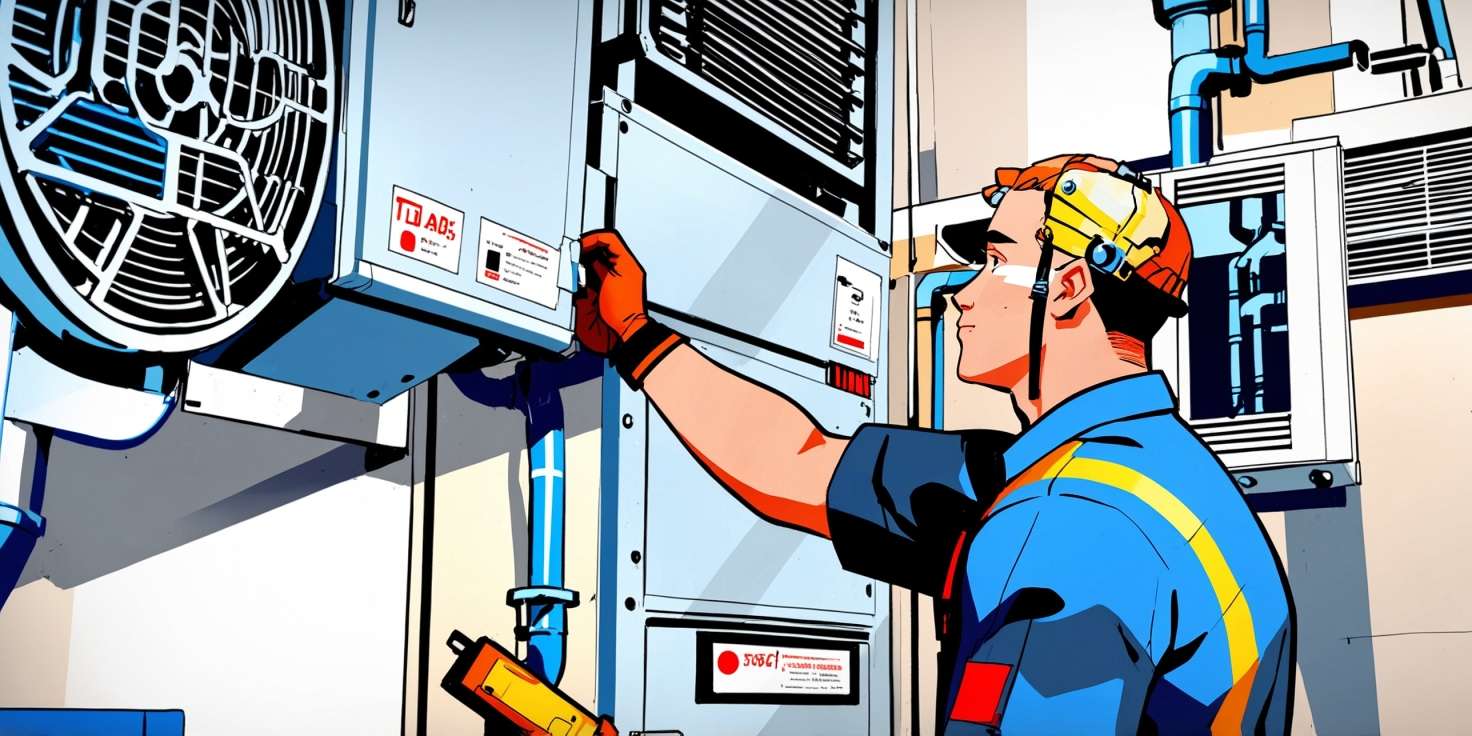
How to Detect Water Damage in HVAC Systems

Water damage in HVAC systems can lead to costly repairs, reduced efficiency, and even health hazards if not addressed promptly. Knowing how to detect water damage in HVAC systems is essential for homeowners and property managers alike. Common signs include unusual odors, water stains near vents, mold growth, and inconsistent airflow. Early detection not only helps prevent further damage but also ensures your heating and cooling systems operate efficiently year-round. At COMMITTED TO QUALITY SERVICE, we specialize in water damage restoration using advanced equipment designed specifically for drying structures affected by severe water damage. Our fast, friendly, and professional team is ready to help—call us now at 855-933-7935. Whether you’re dealing with water damage, fire damage, or need expert HVAC inspection, we’re here to restore your peace of mind.

Understanding the Causes of Water Damage in HVAC Systems

Water damage in HVAC systems can lead to costly repairs, reduced efficiency, and even health hazards if not addressed promptly. Understanding the root causes is essential for early detection and prevention. HVAC systems are complex, and several factors can contribute to water damage within them.

One of the most common causes is a clogged or disconnected condensate drain line. When the drain becomes blocked, water backs up and can overflow into surrounding areas. Another frequent issue is a damaged or rusted drain pan, which can leak water over time. Improper installation or lack of regular maintenance can also result in leaks and moisture buildup.

“According to the Environmental Protection Agency (EPA), indoor humidity levels above 60% can promote mold growth, often stemming from HVAC-related water issues.”

Other contributing factors include:

  1. Frozen evaporator coils that thaw and release excess water.
  2. Improperly sealed ductwork allowing condensation to form.
  3. Malfunctioning humidifiers attached to HVAC systems.

These issues not only damage the HVAC unit but can also lead to structural damage and mold growth. For example, unchecked water leaks can seep into walls and flooring, creating the perfect environment for mold spores to thrive. Learn more about the risks of mold remediation and how to prevent it.

To protect your home or business, it’s crucial to schedule regular inspections and maintenance. Visit our services page to explore how we can help you maintain a safe and efficient HVAC system. For more tips on early detection, check out our guide on how to identify hidden water damage early.

For additional information, the U.S. Department of Energy provides helpful insights on HVAC maintenance: https://www.energy.gov/energysaver/heating-cooling.

Common Signs of Water Damage to Look For

Recognizing the early signs of water damage in your HVAC system is crucial to preventing costly repairs and maintaining indoor air quality. One of the most common indicators is unusual moisture or pooling water around the HVAC unit. This could signal a clogged or leaking condensate drain line. Another red flag is a musty or moldy odor, which often points to hidden moisture buildup within the system or ductwork.

Discoloration or water stains on walls, ceilings, or floors near HVAC components can also suggest a leak. In some cases, you may notice peeling paint or warped materials, which are clear signs of prolonged exposure to moisture. If your HVAC system is suddenly less efficient or your energy bills spike without explanation, water damage could be affecting its performance.

Mold growth around vents or within the system is another serious concern, as it can spread quickly and pose health risks. If you suspect mold, it’s important to seek professional mold remediation services immediately.

For more information on how to protect your property, explore our full range of services designed to detect and address water damage early. Staying vigilant and addressing these signs promptly can help you avoid extensive damage and ensure your HVAC system operates efficiently year-round.

Inspecting HVAC Components for Moisture and Leaks

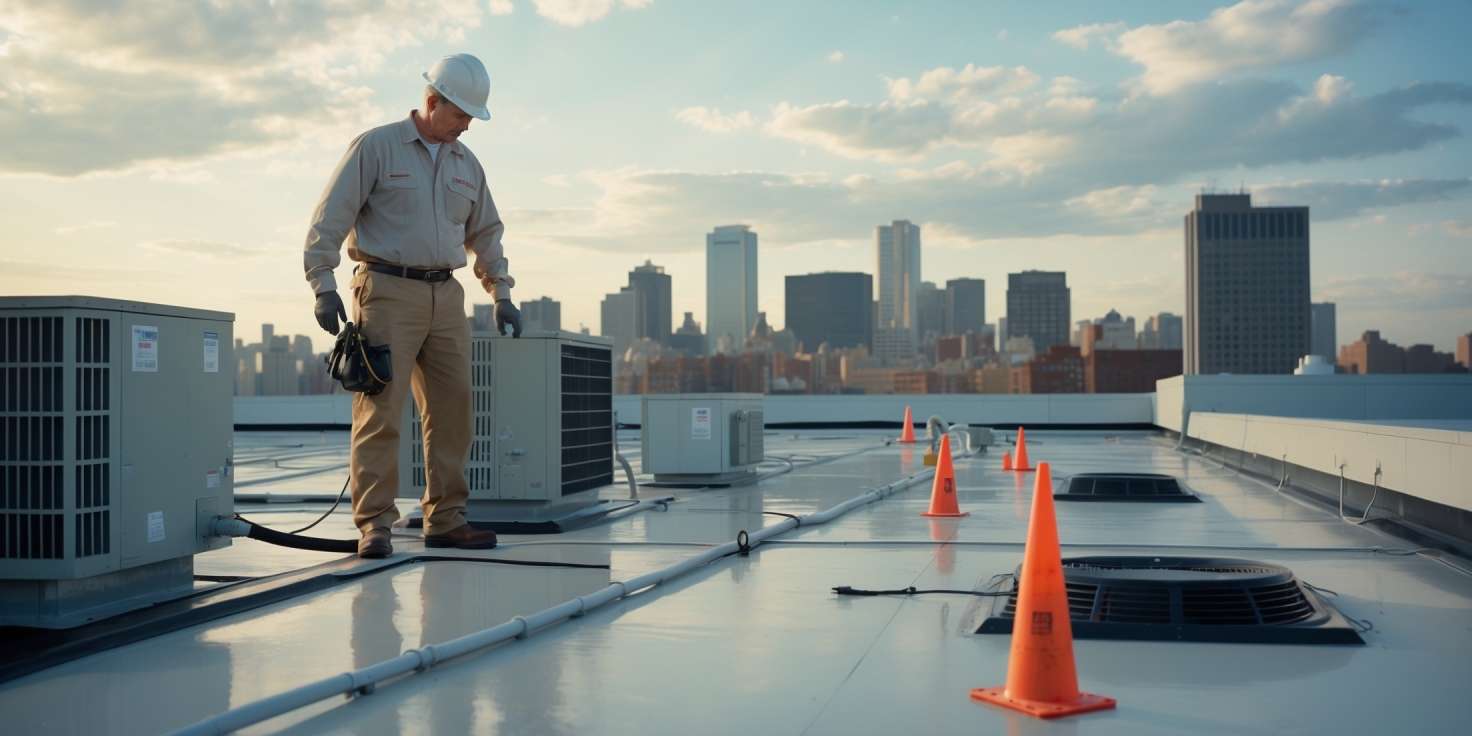
When checking for water damage in HVAC systems, a thorough inspection of all components is essential to identify moisture buildup and potential leaks. Start by examining the air handler, evaporator coils, and condensate drain lines, as these areas are most prone to water accumulation. Look for signs such as rust, corrosion, or water stains, which may indicate ongoing issues. A clogged or damaged condensate drain line can cause water to back up and leak into surrounding areas, leading to structural damage and mold growth.

Inspect ductwork for condensation or pooling water, especially in humid environments. Poor insulation or gaps in the ducts can allow moisture to enter, creating ideal conditions for mold. Additionally, check the drip pan under the evaporator coil; if it’s cracked or overflowing, it needs immediate attention.

Regular maintenance and early detection are key to preventing costly repairs. If you suspect hidden water damage, consider professional help to ensure a comprehensive evaluation. Learn more about our expert services designed to address HVAC-related water issues. You can also explore our detailed guide on how to identify hidden water damage early to stay proactive in protecting your property.

By routinely inspecting HVAC components for moisture and leaks, homeowners can safeguard their systems and maintain a healthy indoor environment.

Checking Drain Lines and Condensate Pans

One of the most common sources of water damage in HVAC systems is clogged or malfunctioning drain lines and condensate pans. These components are responsible for collecting and directing moisture away from the system. Over time, algae, mold, and debris can build up in the drain lines, causing blockages that lead to water overflow. Similarly, a cracked or rusted condensate pan can leak water into surrounding areas, potentially damaging ceilings, walls, and insulation.

To detect issues early, inspect the drain lines for any visible clogs or slow drainage. A musty odor or visible mold near the HVAC unit can also signal a problem. Regular maintenance, including flushing the drain lines and checking the pan for cracks or corrosion, can help prevent costly repairs. If you notice water pooling around your HVAC system, it’s crucial to act quickly to minimize damage.

Understanding the importance of these components is key to maintaining a healthy HVAC system. For more detailed guidance, explore our blog or learn about our comprehensive services designed to address water damage and system inefficiencies. Early detection and routine inspections can save homeowners from extensive repairs and ensure the longevity of their HVAC systems.

Monitoring Indoor Air Quality and Odors

One of the most telling signs of water damage in HVAC systems is a noticeable change in indoor air quality and the presence of unusual odors. When moisture accumulates within ducts or around HVAC components, it creates an ideal environment for mold and mildew growth. These contaminants can release musty or earthy smells that circulate throughout your home or business, signaling potential hidden water damage. Poor air quality may also lead to increased allergy symptoms, respiratory issues, or general discomfort among occupants.

Monitoring the air for persistent damp or moldy odors can help identify water-related issues early. If you detect such smells, it’s essential to inspect your HVAC system for leaks, clogged drain lines, or condensation buildup. Regular maintenance and professional inspections can prevent minor issues from escalating into costly repairs.

In addition to odors, visible signs like water stains near vents or excessive humidity indoors may indicate a problem. Addressing these concerns promptly can protect your property and health. For more information on identifying hidden moisture issues, visit our guide on how to identify hidden water damage early.

To learn more about our comprehensive restoration and inspection offerings, explore our services page. Our team is committed to helping you maintain a safe and healthy indoor environment.

Using Moisture Meters and Detection Tools

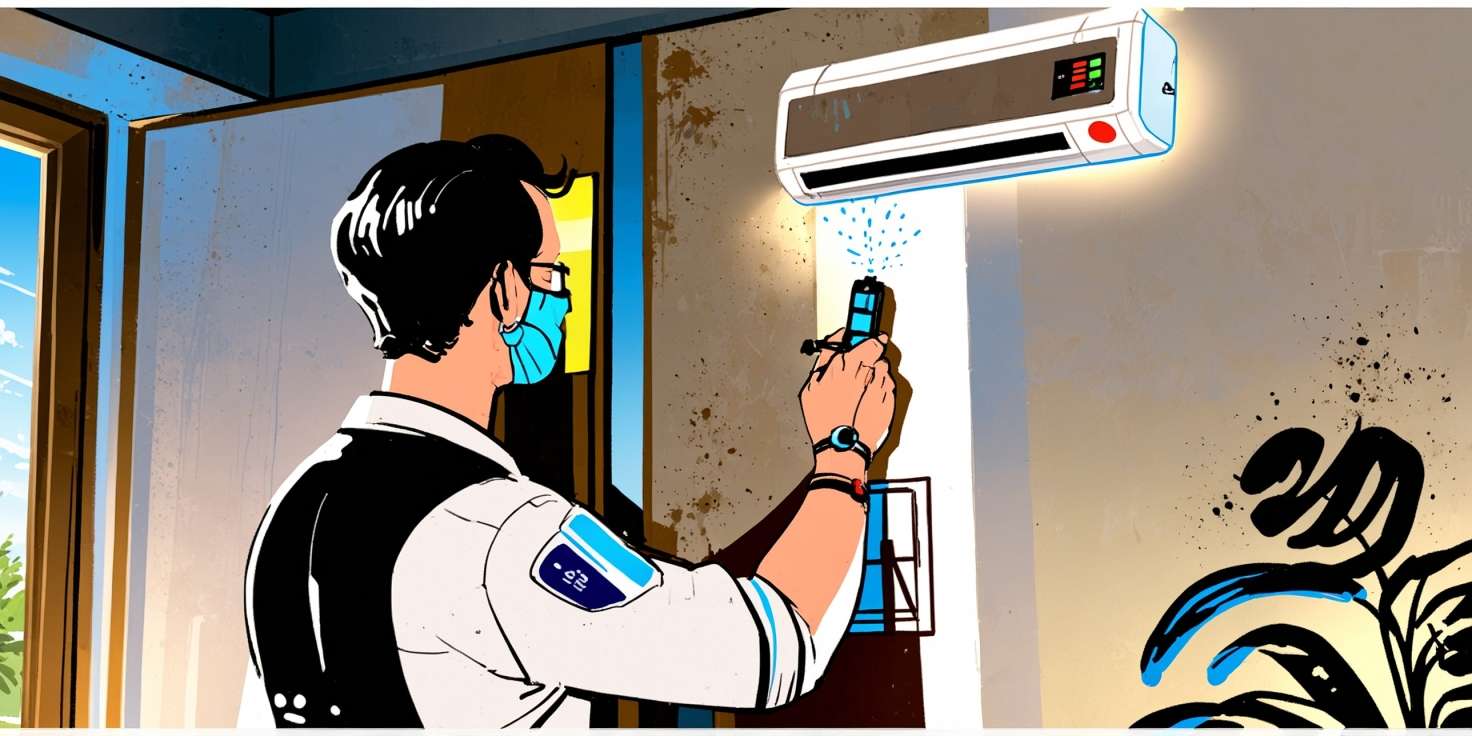
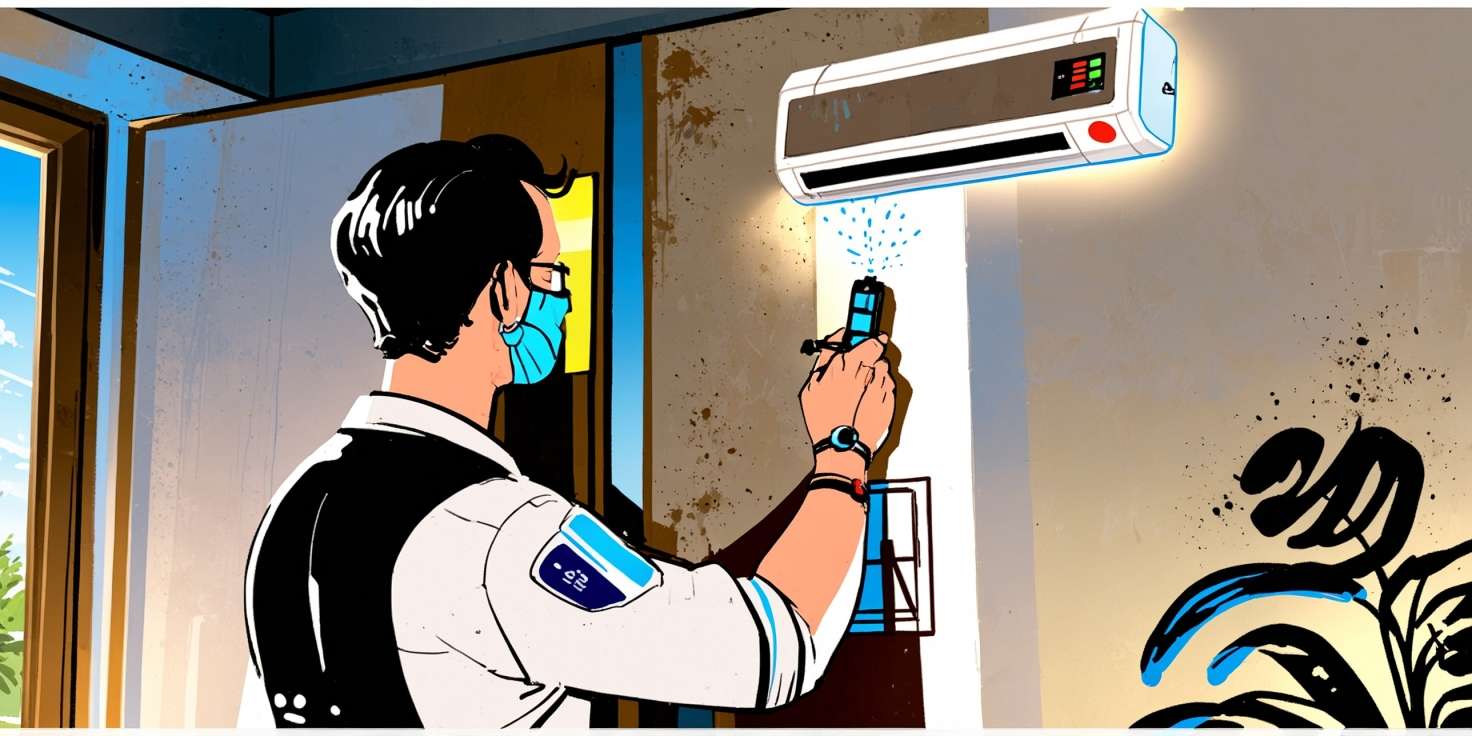
To accurately detect water damage in HVAC systems, utilizing advanced moisture meters and detection tools is essential. These devices help identify hidden moisture that may not be visible to the naked eye, allowing for early intervention before extensive damage occurs. Moisture meters measure the moisture content in materials such as insulation, ductwork, and surrounding structural components. Infrared cameras and thermal imaging tools can also reveal temperature variations that indicate the presence of water behind walls or within ceilings.

Using these tools ensures a thorough inspection of your HVAC system, helping to prevent mold growth, corrosion, and reduced efficiency. Professionals often rely on these technologies to assess the extent of water intrusion and determine the best course of action for remediation. For homeowners and property managers, understanding how these tools work can provide peace of mind and support proactive maintenance.

If you’re concerned about potential water damage in your HVAC system, it’s important to consult with experts who specialize in this area. Learn more about our comprehensive services designed to detect and address water-related issues. You can also explore our detailed guide on how to identify hidden water damage early for additional insights. Early detection not only protects your HVAC system but also preserves the overall health and safety of your indoor environment.

When to Call a Professional for HVAC Inspection

If you suspect water damage in your HVAC system, knowing when to call a professional can save you time, money, and prevent further complications. While minor condensation or a clogged drain line might be manageable with basic maintenance, more serious signs—like persistent leaks, mold growth, or unusual odors—require expert attention. Water damage can compromise your HVAC system’s efficiency and even pose health risks due to mold and mildew buildup.

A professional HVAC inspection is essential if you notice water pooling around the unit, inconsistent airflow, or increased humidity levels in your home. These symptoms may indicate hidden water damage that can worsen over time. Certified technicians have the tools and experience to detect underlying issues that may not be visible to the untrained eye.

Additionally, if your system has recently been exposed to flooding or fire, it’s crucial to schedule an inspection immediately. These events can cause internal damage that affects both performance and safety. For more information on how professionals handle such situations, visit our detailed services page.

Don’t wait until a small issue becomes a costly repair. Learn more about early detection by exploring our guide on how to identify hidden water damage early. Taking prompt action ensures your HVAC system remains efficient, safe, and long-lasting.

In conclusion, detecting water damage in HVAC systems early is crucial for maintaining indoor air quality, system efficiency, and avoiding costly repairs. By regularly inspecting components such as drip pans, condensate lines, ductwork, and insulation, homeowners and facility managers can identify warning signs like mold growth, musty odors, or water stains before they escalate. Incorporating routine maintenance and seeking professional assessments when necessary will ensure your HVAC system remains in optimal condition. Staying proactive not only extends the lifespan of your system but also safeguards the comfort and health of your indoor environment.

Mold Risks in Properties with Poor Ventilation

Poor ventilation in homes and commercial properties can lead to a host of serious issues, with mold growth being one of the most concerning. Mold thrives in damp, stagnant environments, making poorly ventilated spaces the perfect breeding ground. Not only can mold damage the structural integrity of your property, but it can also pose significant health risks to occupants, including respiratory problems and allergic reactions. At COMMITTED TO QUALITY SERVICE, we understand the importance of maintaining a safe and healthy indoor environment. Our expert team offers fast, friendly, and professional mold remediation services, along with specialized water damage restoration and fire damage recovery. With advanced equipment and years of experience, we help property owners tackle mold risks caused by poor ventilation before they escalate. Don’t wait until the problem worsens—call us now at 855-933-7935 for a comprehensive inspection and reliable service you can trust.

Understanding the Link Between Ventilation and Mold Growth

Poor ventilation is one of the most significant contributors to mold growth in residential and commercial properties. When indoor air circulation is limited, moisture accumulates in the air and on surfaces, creating the perfect environment for mold spores to thrive. Mold requires three basic elements to grow: moisture, a food source such as wood or drywall, and the right temperature. Inadequate ventilation directly impacts the moisture levels inside a property, making it a critical factor in mold prevention and control.

When air is not properly exchanged between the indoors and outdoors, humidity levels can rise quickly, especially in areas like bathrooms, kitchens, basements, and attics. Everyday activities such as cooking, showering, and even breathing release moisture into the air. Without proper ventilation systems in place, this moisture becomes trapped, increasing the risk of condensation on walls, ceilings, and windows. Over time, these damp surfaces become breeding grounds for mold colonies.

“According to the Environmental Protection Agency (EPA), indoor relative humidity should be kept below 60 percent — ideally between 30 and 50 percent — to prevent mold growth.”

In properties with poor airflow, mold can develop in hidden areas such as behind walls, under flooring, and inside HVAC systems. These hidden infestations often go unnoticed until they cause significant damage or health issues. Mold exposure can lead to respiratory problems, allergic reactions, and other health complications, particularly for individuals with asthma or weakened immune systems.

Proper ventilation helps regulate indoor humidity and reduces the likelihood of mold formation. Mechanical ventilation systems, such as exhaust fans and HVAC units with dehumidifiers, play a crucial role in maintaining healthy air quality. Natural ventilation, like opening windows and using vents, also supports moisture control, especially in older buildings that may lack modern systems.

Here are some common scenarios where poor ventilation leads to mold issues:

  1. Bathrooms without exhaust fans often experience mold on ceilings and tile grout due to steam buildup from showers.
  2. Basements with limited airflow are prone to dampness and mold on walls and stored items.
  3. Attics without proper ventilation can trap heat and moisture, leading to mold on insulation and wooden structures.

“The Centers for Disease Control and Prevention (CDC) reports that mold can begin to grow within 24 to 48 hours in moist conditions.”

To mitigate mold risks, property owners should prioritize improving ventilation systems and conducting regular inspections. Installing exhaust fans in high-moisture areas, using dehumidifiers, and ensuring that HVAC systems are functioning efficiently can significantly reduce the chances of mold development. Additionally, sealing leaks and addressing water damage promptly are essential steps in mold prevention.

For those dealing with existing mold problems, professional remediation is often necessary. At Projekt Restoration, our team specializes in identifying and eliminating mold at its source. Learn more about our comprehensive mold remediation services designed to restore your property to a safe and healthy condition.

If you suspect hidden moisture issues, our guide on how to identify hidden water damage early can help you take proactive steps before mold becomes a serious problem. Understanding the connection between ventilation and mold is key to maintaining a healthy indoor environment.

For more information on our approach and values, visit our mission page or explore our full range of services to see how we can help protect your property from mold and other environmental hazards.

External Resources:

  1. EPA: Mold Course – Chapter 2: Why and Where Mold Grows
  2. CDC: Mold FAQs

By understanding the vital role ventilation plays in mold prevention, property owners can take informed steps to protect their homes and health. Regular maintenance, proper airflow, and timely intervention are key to keeping mold at bay.

Common Signs of Mold in Poorly Ventilated Spaces

Mold growth is a common issue in properties with poor ventilation, and recognizing the early signs is crucial for preventing extensive damage and potential health risks. One of the most noticeable indicators of mold in such environments is a persistent musty odor. This smell often lingers in areas like basements, bathrooms, or closets where airflow is limited. Even if mold is not immediately visible, this distinct scent can signal its presence behind walls, under flooring, or within HVAC systems. Another telltale sign is the appearance of visible mold patches. These can vary in color, including black, green, white, or even orange, and often appear on walls, ceilings, or around windows where moisture tends to accumulate. In poorly ventilated spaces, condensation builds up, creating the perfect breeding ground for mold spores to thrive.

Discoloration or staining on walls and ceilings is another common symptom of mold infestation. These stains may look like water damage at first but can darken over time, indicating mold growth beneath the surface. Peeling or bubbling paint and wallpaper are also red flags, as they suggest moisture is trapped behind the surface, fostering mold development. In some cases, you may notice warped or buckling walls and floors, which can be a result of prolonged exposure to moisture and mold. These structural changes not only compromise the integrity of the building but also make remediation more complex and costly.

Health symptoms among occupants can also point to mold problems in poorly ventilated areas. Individuals may experience persistent coughing, sneezing, nasal congestion, or skin irritation. Those with asthma or allergies might notice their symptoms worsening indoors, particularly in rooms with limited airflow. In more severe cases, prolonged exposure to mold can lead to respiratory infections or chronic sinus issues. If multiple people in a household or workplace begin experiencing similar symptoms, it may be time to investigate the property for hidden mold.

Condensation on windows and other surfaces is another warning sign. When warm, moist air cannot escape due to poor ventilation, it condenses on cooler surfaces, creating damp conditions ideal for mold growth. This is especially common in bathrooms, kitchens, and laundry rooms where humidity levels are naturally higher. Mold may also develop around vents, ducts, and air conditioning units if these systems are not properly maintained or if airflow is restricted.

If you suspect mold in your property, it is essential to act quickly. Ignoring the signs can lead to more extensive damage and higher remediation costs. Professional inspection and testing can help confirm the presence of mold and determine the extent of the problem. At Projekt Restoration, we offer comprehensive services to identify and address mold issues effectively. Our team is trained to detect mold even in hidden areas and provide tailored solutions to restore your property safely.

Understanding the root cause of mold is equally important. Poor ventilation often goes hand in hand with other issues like water leaks or high humidity. Learning how to identify hidden water damage early can help prevent mold from taking hold in the first place. Regular maintenance, proper ventilation, and moisture control are key strategies in keeping your property mold-free.

For more information about our approach and commitment to quality, visit our about page. Whether you are dealing with visible mold or suspect hidden growth, addressing the issue promptly can protect your health and preserve the value of your property. Mold in poorly ventilated spaces is not just an aesthetic concern but a serious health and structural risk that requires immediate attention.

Health Hazards Associated with Mold Exposure

Mold exposure in properties with poor ventilation can lead to a wide range of health issues, affecting both the respiratory system and overall well-being. When indoor air circulation is inadequate, moisture tends to accumulate, creating the perfect environment for mold growth. As mold spores become airborne, they can be easily inhaled, triggering various health problems, especially in individuals with pre-existing conditions, allergies, or weakened immune systems. One of the most common health effects of mold exposure is respiratory irritation. People may experience symptoms such as coughing, sneezing, nasal congestion, and throat irritation. In more severe cases, prolonged exposure can lead to chronic respiratory conditions like asthma or bronchitis. Individuals with asthma may notice an increase in the frequency and severity of their attacks when exposed to mold-infested environments.

Beyond respiratory issues, mold can also cause skin irritation and allergic reactions. Symptoms such as rashes, itching, and watery eyes are not uncommon, particularly in sensitive individuals. For those with mold allergies, even minimal exposure can result in significant discomfort. Moreover, certain types of mold, such as black mold (Stachybotrys chartarum), produce mycotoxins that can have more serious health implications. These toxins can affect the central nervous system, leading to headaches, fatigue, dizziness, and even memory loss in extreme cases. Children, the elderly, and individuals with compromised immune systems are particularly vulnerable to these effects.

In properties with poor ventilation, mold often grows unnoticed behind walls, under flooring, or in ceilings, making it difficult to detect until health symptoms become apparent. This hidden mold can continuously release spores into the air, contributing to a decline in indoor air quality. Over time, this can lead to what is commonly referred to as Sick Building Syndrome, where occupants experience persistent health issues without an obvious cause. Addressing the root of the problem—poor ventilation and moisture control—is essential to prevent these health risks.

To mitigate the dangers of mold exposure, it is crucial to ensure proper ventilation throughout the property and to address any sources of moisture promptly. Regular inspections and maintenance can help identify potential problem areas before mold has a chance to develop. If mold is already present, professional remediation is often necessary to safely and effectively remove it. At Projekt Restoration, we offer comprehensive mold remediation services designed to restore a healthy indoor environment. Our team uses advanced techniques and equipment to detect and eliminate mold, even in hard-to-reach areas.

Understanding the health hazards associated with mold is the first step toward protecting yourself and your loved ones. Whether you are dealing with visible mold or suspect hidden growth due to persistent health symptoms, seeking expert guidance is essential. Learn more about our full range of services and how we can help you maintain a safe and healthy living space. For more information about our approach and commitment to quality, visit our about page. Taking proactive steps today can prevent long-term health consequences and ensure your property remains a safe haven for everyone who enters.

Areas Most Vulnerable to Mold in Low-Airflow Homes

In homes with poor ventilation, certain areas are more susceptible to mold growth due to the accumulation of moisture and lack of air circulation. Understanding where mold is most likely to thrive can help homeowners take proactive steps to prevent its spread. One of the most common areas vulnerable to mold in low-airflow environments is the bathroom. Bathrooms naturally generate high humidity from showers and baths, and without proper ventilation such as exhaust fans or open windows, moisture lingers on surfaces like walls, ceilings, and grout lines. This damp environment creates an ideal breeding ground for mold spores to settle and multiply.

Another high-risk area is the kitchen. Cooking, boiling water, and washing dishes all contribute to increased humidity levels. In homes with inadequate ventilation, steam and moisture can accumulate on cabinets, behind appliances, and under sinks, especially if there are any unnoticed leaks. These hidden damp spots are often overlooked during routine cleaning, allowing mold to grow undisturbed. Similarly, laundry rooms are also prone to mold issues. The combination of heat and moisture from washing machines and dryers, particularly in enclosed spaces without proper airflow, can lead to condensation on walls and floors, fostering mold development.

Basements are notorious for being damp and poorly ventilated, making them one of the most mold-prone areas in any home. Ground moisture, leaky foundations, and limited sunlight contribute to a cool, moist environment that supports mold growth. Items stored in basements, such as cardboard boxes, fabrics, and furniture, can absorb moisture and become mold-infested over time. Attics, though often overlooked, are another vulnerable area. Poor insulation, roof leaks, and blocked vents can trap moisture in the attic, especially during colder months when warm air from the home rises and condenses on cooler surfaces.

Closets and storage areas, particularly those located on exterior walls or in corners of the home, are also at risk. These spaces often have limited airflow and can trap humidity, especially if they are packed tightly with clothes or other items. Mold can grow on fabrics, leather, and paper products, causing damage and unpleasant odors. Even living rooms and bedrooms are not immune to mold if they have poor ventilation. Condensation on windows, especially in winter, can drip onto sills and walls, creating damp patches that encourage mold growth. Furniture placed against exterior walls can also trap moisture and restrict airflow, leading to hidden mold problems.

To effectively address mold-prone areas in low-airflow homes, it is essential to understand the root causes and take preventive measures. Regular inspections, especially in hidden or less-frequented areas, can help identify early signs of mold. Installing or upgrading ventilation systems, using dehumidifiers, and ensuring that exhaust fans are functioning properly can significantly reduce moisture levels. For homeowners dealing with persistent mold issues, professional help may be necessary. At Projekt Restoration, we offer comprehensive mold remediation services to safely and effectively eliminate mold from your property.

In addition to mold remediation, our team provides a wide range of services designed to restore and protect your home from further damage. Whether you are dealing with the aftermath of water intrusion or simply want to improve your indoor air quality, our experts are here to help. By identifying and addressing the areas most vulnerable to mold, homeowners can maintain a healthier living environment and prevent costly repairs in the future. Taking action now can save time, money, and stress down the line, ensuring your home remains safe and comfortable for years to come.

Preventative Measures to Reduce Mold Risk

Reducing the risk of mold in properties with poor ventilation begins with proactive and consistent preventative measures. Mold thrives in damp, stagnant environments, making poorly ventilated spaces especially vulnerable. One of the most effective ways to combat mold growth is by improving airflow throughout the property. This can be achieved by using exhaust fans in high-moisture areas like bathrooms, kitchens, and laundry rooms. Additionally, opening windows regularly, even for short periods, allows fresh air to circulate and helps reduce humidity levels. For properties where natural ventilation is limited, installing mechanical ventilation systems such as air exchangers or dehumidifiers can significantly lower the risk of mold development.

Another critical step in mold prevention is controlling indoor humidity. Mold typically begins to grow when humidity levels exceed 60 percent. Using a hygrometer to monitor indoor humidity can help homeowners and property managers maintain optimal levels. If high humidity is detected, dehumidifiers should be used to bring it down to a safer range, ideally between 30 and 50 percent. Regular maintenance of HVAC systems is also essential, as clogged filters and dirty ducts can contribute to poor air circulation and increased moisture levels. Ensuring that these systems are clean and functioning properly will not only improve air quality but also reduce the likelihood of mold spores settling and spreading.

Water leaks are another major contributor to mold problems in poorly ventilated properties. Even minor leaks from pipes, roofs, or windows can create the perfect breeding ground for mold if left unaddressed. Conducting routine inspections of plumbing systems, roofing, and window seals can help identify and fix leaks before they escalate. In cases where water damage has already occurred, immediate action is crucial. Professional water damage restoration services can effectively dry and sanitize affected areas, preventing mold from taking hold. It is also advisable to inspect basements and crawl spaces regularly, as these areas are particularly susceptible to moisture accumulation and often lack sufficient ventilation.

Proper insulation plays a vital role in mold prevention as well. Insulating walls, ceilings, and floors helps regulate indoor temperatures and prevents condensation, which can lead to mold growth. Vapor barriers can also be installed in areas prone to dampness, such as basements and attics, to further reduce moisture infiltration. Additionally, using mold-resistant building materials, such as mold-inhibiting drywall and paints, can provide an extra layer of protection, especially in areas with a history of moisture issues.

Regular cleaning and maintenance are also key components of a mold prevention strategy. Dust and organic debris can serve as food sources for mold, so keeping surfaces clean and dry is essential. Pay special attention to areas that are often overlooked, such as behind appliances, under sinks, and inside closets. Using mold-killing cleaning products in these areas can help eliminate spores before they have a chance to grow. For property owners who suspect mold may already be present, scheduling a professional inspection and mold remediation service is a wise decision. Experts can assess the extent of the problem and implement effective solutions to ensure the property remains safe and mold-free.

Educating tenants or residents about mold prevention is another important step, especially in multi-unit buildings. Providing guidelines on proper ventilation practices, reporting leaks promptly, and maintaining cleanliness can foster a collective effort in keeping the property mold-free. Property managers can also benefit from reviewing resources such as the blog section of our website, which offers valuable tips and insights on maintaining healthy indoor environments.

In summary, preventing mold in properties with poor ventilation requires a combination of improved airflow, humidity control, leak management, proper insulation, and regular maintenance. By taking these proactive steps, property owners can protect their investments and ensure a healthier living environment for all occupants. For more information on how we can help safeguard your property, visit our services page to explore our comprehensive solutions.

The Role of HVAC Systems in Mold Prevention

Heating, Ventilation, and Air Conditioning (HVAC) systems play a crucial role in maintaining indoor air quality and preventing mold growth, especially in properties with poor ventilation. Mold thrives in environments with high humidity and stagnant air, conditions that are often found in buildings lacking proper airflow. An efficiently functioning HVAC system helps regulate temperature and humidity levels, creating an environment that is less conducive to mold development. By circulating air throughout the property, HVAC systems reduce moisture buildup in areas prone to dampness, such as basements, bathrooms, and kitchens. This consistent airflow not only helps in drying out wet surfaces but also prevents condensation, a common trigger for mold spores to grow and spread.

In properties where ventilation is inadequate, the risk of mold infestation increases significantly. HVAC systems equipped with dehumidifiers and high-efficiency particulate air (HEPA) filters can capture mold spores and other airborne contaminants, improving overall indoor air quality. Regular maintenance of HVAC components, such as cleaning ducts and replacing filters, is essential to ensure they function effectively in mold prevention. Neglecting these tasks can lead to the accumulation of dust and moisture within the system itself, potentially turning it into a breeding ground for mold. Therefore, property owners should prioritize routine inspections and servicing of their HVAC systems to safeguard against hidden mold threats.

Moreover, modern HVAC systems can be integrated with smart technology to monitor humidity levels in real-time. These systems can alert homeowners when humidity exceeds safe thresholds, allowing for timely intervention before mold has a chance to develop. In regions with high humidity or frequent rainfall, such proactive measures are especially important. For those dealing with the aftermath of water-related incidents, such as leaks or flooding, a properly functioning HVAC system can expedite the drying process and minimize the risk of mold taking hold. If you suspect water damage in your property, it is advisable to consult professionals who specialize in water damage restoration to assess and mitigate potential mold risks.

In addition to controlling humidity and improving air circulation, HVAC systems contribute to the overall health and comfort of a living space. Mold exposure can lead to a variety of health issues, including respiratory problems, allergic reactions, and skin irritation. By preventing mold growth, HVAC systems help protect the well-being of occupants, particularly those with asthma or weakened immune systems. For property owners seeking comprehensive solutions, exploring specialized services in mold prevention and remediation can offer peace of mind and long-term protection.

Understanding the role of HVAC systems in mold prevention is essential for maintaining a safe and healthy indoor environment. Whether you are managing a residential property or a commercial space, investing in a high-quality HVAC system and ensuring its regular upkeep can significantly reduce the risk of mold-related issues. For more information on how to protect your property from mold and other environmental hazards, visit our about page to learn more about our expertise and commitment to indoor air quality.

When to Seek Professional Mold Remediation

In properties with poor ventilation, mold growth can escalate quickly from a minor issue to a serious health and structural concern. While some small mold problems can be handled with basic cleaning methods, there are specific situations where seeking professional mold remediation becomes essential. One of the most critical indicators is the size of the affected area. According to industry guidelines, if mold covers more than 10 square feet, it is no longer considered a DIY job. Large infestations often indicate underlying moisture problems that require expert assessment and treatment. Additionally, if mold keeps returning after repeated cleaning, it suggests that the root cause—often hidden water damage or persistent humidity—is not being addressed. In such cases, professionals can conduct a thorough inspection to identify and eliminate the source of moisture, ensuring long-term results.

Another clear sign that professional help is needed is when mold is found in HVAC systems or behind walls and ceilings. These hidden areas are difficult to access and clean properly without specialized equipment and training. Mold in ventilation systems can spread spores throughout the property, worsening indoor air quality and increasing health risks. If you notice a musty odor that persists despite cleaning or see signs of mold in multiple rooms, it is time to consult experts who can perform a comprehensive evaluation. For more information on how professionals handle such cases, visit our detailed mold remediation page.

Health symptoms among occupants are another red flag. Mold exposure can lead to respiratory issues, allergic reactions, skin irritation, and even more severe health problems, especially for individuals with asthma, allergies, or weakened immune systems. If you or your family members experience unexplained health symptoms that improve when away from the property, mold could be the culprit. In these situations, professional remediation is not just about property preservation but also about protecting your health. Experts use containment procedures, HEPA filtration, and safe removal techniques to minimize exposure and prevent cross-contamination.

Water damage is a common precursor to mold growth, particularly in poorly ventilated spaces. If your property has recently experienced flooding, leaks, or high humidity, it is wise to have a professional inspection even if mold is not yet visible. Mold can begin to grow within 24 to 48 hours of moisture exposure, often in hidden areas. Learn more about early detection by visiting our guide on how to identify hidden water damage early. Addressing water damage promptly can prevent mold from becoming a larger, more costly issue.

Additionally, if you are preparing to sell or rent a property, professional mold remediation ensures compliance with health and safety standards, boosting property value and buyer confidence. Mold problems discovered during inspections can delay transactions or reduce offers. Hiring certified professionals provides documentation of proper remediation, which can be a valuable asset during real estate negotiations.

Choosing the right remediation team is crucial. Look for licensed and insured professionals with experience in handling mold in poorly ventilated environments. At Projekt Restoration CA, we offer a full range of services designed to restore your property safely and effectively. Our team uses advanced technology and proven methods to detect, contain, and eliminate mold at its source. Whether you are dealing with a current infestation or want to prevent future issues, professional intervention is often the most reliable and efficient solution.

In summary, while minor mold issues may be manageable on your own, extensive growth, recurring problems, hidden infestations, health symptoms, and recent water damage are all strong indicators that it is time to call in the experts. Professional mold remediation not only ensures thorough removal but also addresses the underlying causes, safeguarding both your property and your well-being.

In conclusion, mold growth is a serious concern in properties with poor ventilation, posing significant health risks and potentially costly structural damage. Ensuring proper airflow throughout your home or building is one of the most effective ways to prevent mold from taking hold. Regular maintenance, the use of dehumidifiers, and timely repairs to leaks or water damage can go a long way in maintaining a healthy indoor environment. By addressing ventilation issues early, property owners can safeguard both their investment and the well-being of those who live or work within the space. Don’t wait for mold to become a visible problem—take proactive steps today to ensure a cleaner, safer, and healthier indoor environment.
Mold Risks in Properties with Poor Ventilation

Poor ventilation in homes and commercial properties can lead to a host of serious issues, with mold growth being one of the most concerning. Mold thrives in damp, stagnant environments, making poorly ventilated spaces the perfect breeding ground. Not only can mold damage the structural integrity of your property, but it can also pose significant health risks to occupants, including respiratory problems and allergic reactions. At COMMITTED TO QUALITY SERVICE, we understand the importance of maintaining a safe and healthy indoor environment. Our expert team offers fast, friendly, and professional mold remediation services, along with specialized water damage restoration and fire damage recovery. With advanced equipment and years of experience, we help property owners tackle mold risks caused by poor ventilation before they escalate. Don’t wait until the problem worsens—call us now at 855-933-7935 for a comprehensive inspection and reliable service you can trust.

Understanding the Link Between Ventilation and Mold Growth

Poor ventilation is one of the most significant contributors to mold growth in residential and commercial properties. When indoor air circulation is limited, moisture accumulates in the air and on surfaces, creating the perfect environment for mold spores to thrive. Mold requires three basic elements to grow: moisture, a food source such as wood or drywall, and the right temperature. Inadequate ventilation directly impacts the moisture levels inside a property, making it a critical factor in mold prevention and control.

When air is not properly exchanged between the indoors and outdoors, humidity levels can rise quickly, especially in areas like bathrooms, kitchens, basements, and attics. Everyday activities such as cooking, showering, and even breathing release moisture into the air. Without proper ventilation systems in place, this moisture becomes trapped, increasing the risk of condensation on walls, ceilings, and windows. Over time, these damp surfaces become breeding grounds for mold colonies.

“According to the Environmental Protection Agency (EPA), indoor relative humidity should be kept below 60 percent — ideally between 30 and 50 percent — to prevent mold growth.”

In properties with poor airflow, mold can develop in hidden areas such as behind walls, under flooring, and inside HVAC systems. These hidden infestations often go unnoticed until they cause significant damage or health issues. Mold exposure can lead to respiratory problems, allergic reactions, and other health complications, particularly for individuals with asthma or weakened immune systems.

Proper ventilation helps regulate indoor humidity and reduces the likelihood of mold formation. Mechanical ventilation systems, such as exhaust fans and HVAC units with dehumidifiers, play a crucial role in maintaining healthy air quality. Natural ventilation, like opening windows and using vents, also supports moisture control, especially in older buildings that may lack modern systems.

Here are some common scenarios where poor ventilation leads to mold issues:

  1. Bathrooms without exhaust fans often experience mold on ceilings and tile grout due to steam buildup from showers.
  2. Basements with limited airflow are prone to dampness and mold on walls and stored items.
  3. Attics without proper ventilation can trap heat and moisture, leading to mold on insulation and wooden structures.

“The Centers for Disease Control and Prevention (CDC) reports that mold can begin to grow within 24 to 48 hours in moist conditions.”

To mitigate mold risks, property owners should prioritize improving ventilation systems and conducting regular inspections. Installing exhaust fans in high-moisture areas, using dehumidifiers, and ensuring that HVAC systems are functioning efficiently can significantly reduce the chances of mold development. Additionally, sealing leaks and addressing water damage promptly are essential steps in mold prevention.

For those dealing with existing mold problems, professional remediation is often necessary. At Projekt Restoration, our team specializes in identifying and eliminating mold at its source. Learn more about our comprehensive mold remediation services designed to restore your property to a safe and healthy condition.

If you suspect hidden moisture issues, our guide on how to identify hidden water damage early can help you take proactive steps before mold becomes a serious problem. Understanding the connection between ventilation and mold is key to maintaining a healthy indoor environment.

For more information on our approach and values, visit our mission page or explore our full range of services to see how we can help protect your property from mold and other environmental hazards.

External Resources:

  1. EPA: Mold Course – Chapter 2: Why and Where Mold Grows
  2. CDC: Mold FAQs

By understanding the vital role ventilation plays in mold prevention, property owners can take informed steps to protect their homes and health. Regular maintenance, proper airflow, and timely intervention are key to keeping mold at bay.

Common Signs of Mold in Poorly Ventilated Spaces

Mold growth is a common issue in properties with poor ventilation, and recognizing the early signs is crucial for preventing extensive damage and potential health risks. One of the most noticeable indicators of mold in such environments is a persistent musty odor. This smell often lingers in areas like basements, bathrooms, or closets where airflow is limited. Even if mold is not immediately visible, this distinct scent can signal its presence behind walls, under flooring, or within HVAC systems. Another telltale sign is the appearance of visible mold patches. These can vary in color, including black, green, white, or even orange, and often appear on walls, ceilings, or around windows where moisture tends to accumulate. In poorly ventilated spaces, condensation builds up, creating the perfect breeding ground for mold spores to thrive.

Discoloration or staining on walls and ceilings is another common symptom of mold infestation. These stains may look like water damage at first but can darken over time, indicating mold growth beneath the surface. Peeling or bubbling paint and wallpaper are also red flags, as they suggest moisture is trapped behind the surface, fostering mold development. In some cases, you may notice warped or buckling walls and floors, which can be a result of prolonged exposure to moisture and mold. These structural changes not only compromise the integrity of the building but also make remediation more complex and costly.

Health symptoms among occupants can also point to mold problems in poorly ventilated areas. Individuals may experience persistent coughing, sneezing, nasal congestion, or skin irritation. Those with asthma or allergies might notice their symptoms worsening indoors, particularly in rooms with limited airflow. In more severe cases, prolonged exposure to mold can lead to respiratory infections or chronic sinus issues. If multiple people in a household or workplace begin experiencing similar symptoms, it may be time to investigate the property for hidden mold.

Condensation on windows and other surfaces is another warning sign. When warm, moist air cannot escape due to poor ventilation, it condenses on cooler surfaces, creating damp conditions ideal for mold growth. This is especially common in bathrooms, kitchens, and laundry rooms where humidity levels are naturally higher. Mold may also develop around vents, ducts, and air conditioning units if these systems are not properly maintained or if airflow is restricted.

If you suspect mold in your property, it is essential to act quickly. Ignoring the signs can lead to more extensive damage and higher remediation costs. Professional inspection and testing can help confirm the presence of mold and determine the extent of the problem. At Projekt Restoration, we offer comprehensive services to identify and address mold issues effectively. Our team is trained to detect mold even in hidden areas and provide tailored solutions to restore your property safely.

Understanding the root cause of mold is equally important. Poor ventilation often goes hand in hand with other issues like water leaks or high humidity. Learning how to identify hidden water damage early can help prevent mold from taking hold in the first place. Regular maintenance, proper ventilation, and moisture control are key strategies in keeping your property mold-free.

For more information about our approach and commitment to quality, visit our about page. Whether you are dealing with visible mold or suspect hidden growth, addressing the issue promptly can protect your health and preserve the value of your property. Mold in poorly ventilated spaces is not just an aesthetic concern but a serious health and structural risk that requires immediate attention.

Health Hazards Associated with Mold Exposure

Mold exposure in properties with poor ventilation can lead to a wide range of health issues, affecting both the respiratory system and overall well-being. When indoor air circulation is inadequate, moisture tends to accumulate, creating the perfect environment for mold growth. As mold spores become airborne, they can be easily inhaled, triggering various health problems, especially in individuals with pre-existing conditions, allergies, or weakened immune systems. One of the most common health effects of mold exposure is respiratory irritation. People may experience symptoms such as coughing, sneezing, nasal congestion, and throat irritation. In more severe cases, prolonged exposure can lead to chronic respiratory conditions like asthma or bronchitis. Individuals with asthma may notice an increase in the frequency and severity of their attacks when exposed to mold-infested environments.

Beyond respiratory issues, mold can also cause skin irritation and allergic reactions. Symptoms such as rashes, itching, and watery eyes are not uncommon, particularly in sensitive individuals. For those with mold allergies, even minimal exposure can result in significant discomfort. Moreover, certain types of mold, such as black mold (Stachybotrys chartarum), produce mycotoxins that can have more serious health implications. These toxins can affect the central nervous system, leading to headaches, fatigue, dizziness, and even memory loss in extreme cases. Children, the elderly, and individuals with compromised immune systems are particularly vulnerable to these effects.

In properties with poor ventilation, mold often grows unnoticed behind walls, under flooring, or in ceilings, making it difficult to detect until health symptoms become apparent. This hidden mold can continuously release spores into the air, contributing to a decline in indoor air quality. Over time, this can lead to what is commonly referred to as Sick Building Syndrome, where occupants experience persistent health issues without an obvious cause. Addressing the root of the problem—poor ventilation and moisture control—is essential to prevent these health risks.

To mitigate the dangers of mold exposure, it is crucial to ensure proper ventilation throughout the property and to address any sources of moisture promptly. Regular inspections and maintenance can help identify potential problem areas before mold has a chance to develop. If mold is already present, professional remediation is often necessary to safely and effectively remove it. At Projekt Restoration, we offer comprehensive mold remediation services designed to restore a healthy indoor environment. Our team uses advanced techniques and equipment to detect and eliminate mold, even in hard-to-reach areas.

Understanding the health hazards associated with mold is the first step toward protecting yourself and your loved ones. Whether you are dealing with visible mold or suspect hidden growth due to persistent health symptoms, seeking expert guidance is essential. Learn more about our full range of services and how we can help you maintain a safe and healthy living space. For more information about our approach and commitment to quality, visit our about page. Taking proactive steps today can prevent long-term health consequences and ensure your property remains a safe haven for everyone who enters.

Areas Most Vulnerable to Mold in Low-Airflow Homes

In homes with poor ventilation, certain areas are more susceptible to mold growth due to the accumulation of moisture and lack of air circulation. Understanding where mold is most likely to thrive can help homeowners take proactive steps to prevent its spread. One of the most common areas vulnerable to mold in low-airflow environments is the bathroom. Bathrooms naturally generate high humidity from showers and baths, and without proper ventilation such as exhaust fans or open windows, moisture lingers on surfaces like walls, ceilings, and grout lines. This damp environment creates an ideal breeding ground for mold spores to settle and multiply.

Another high-risk area is the kitchen. Cooking, boiling water, and washing dishes all contribute to increased humidity levels. In homes with inadequate ventilation, steam and moisture can accumulate on cabinets, behind appliances, and under sinks, especially if there are any unnoticed leaks. These hidden damp spots are often overlooked during routine cleaning, allowing mold to grow undisturbed. Similarly, laundry rooms are also prone to mold issues. The combination of heat and moisture from washing machines and dryers, particularly in enclosed spaces without proper airflow, can lead to condensation on walls and floors, fostering mold development.

Basements are notorious for being damp and poorly ventilated, making them one of the most mold-prone areas in any home. Ground moisture, leaky foundations, and limited sunlight contribute to a cool, moist environment that supports mold growth. Items stored in basements, such as cardboard boxes, fabrics, and furniture, can absorb moisture and become mold-infested over time. Attics, though often overlooked, are another vulnerable area. Poor insulation, roof leaks, and blocked vents can trap moisture in the attic, especially during colder months when warm air from the home rises and condenses on cooler surfaces.

Closets and storage areas, particularly those located on exterior walls or in corners of the home, are also at risk. These spaces often have limited airflow and can trap humidity, especially if they are packed tightly with clothes or other items. Mold can grow on fabrics, leather, and paper products, causing damage and unpleasant odors. Even living rooms and bedrooms are not immune to mold if they have poor ventilation. Condensation on windows, especially in winter, can drip onto sills and walls, creating damp patches that encourage mold growth. Furniture placed against exterior walls can also trap moisture and restrict airflow, leading to hidden mold problems.

To effectively address mold-prone areas in low-airflow homes, it is essential to understand the root causes and take preventive measures. Regular inspections, especially in hidden or less-frequented areas, can help identify early signs of mold. Installing or upgrading ventilation systems, using dehumidifiers, and ensuring that exhaust fans are functioning properly can significantly reduce moisture levels. For homeowners dealing with persistent mold issues, professional help may be necessary. At Projekt Restoration, we offer comprehensive mold remediation services to safely and effectively eliminate mold from your property.

In addition to mold remediation, our team provides a wide range of services designed to restore and protect your home from further damage. Whether you are dealing with the aftermath of water intrusion or simply want to improve your indoor air quality, our experts are here to help. By identifying and addressing the areas most vulnerable to mold, homeowners can maintain a healthier living environment and prevent costly repairs in the future. Taking action now can save time, money, and stress down the line, ensuring your home remains safe and comfortable for years to come.

Preventative Measures to Reduce Mold Risk

Reducing the risk of mold in properties with poor ventilation begins with proactive and consistent preventative measures. Mold thrives in damp, stagnant environments, making poorly ventilated spaces especially vulnerable. One of the most effective ways to combat mold growth is by improving airflow throughout the property. This can be achieved by using exhaust fans in high-moisture areas like bathrooms, kitchens, and laundry rooms. Additionally, opening windows regularly, even for short periods, allows fresh air to circulate and helps reduce humidity levels. For properties where natural ventilation is limited, installing mechanical ventilation systems such as air exchangers or dehumidifiers can significantly lower the risk of mold development.

Another critical step in mold prevention is controlling indoor humidity. Mold typically begins to grow when humidity levels exceed 60 percent. Using a hygrometer to monitor indoor humidity can help homeowners and property managers maintain optimal levels. If high humidity is detected, dehumidifiers should be used to bring it down to a safer range, ideally between 30 and 50 percent. Regular maintenance of HVAC systems is also essential, as clogged filters and dirty ducts can contribute to poor air circulation and increased moisture levels. Ensuring that these systems are clean and functioning properly will not only improve air quality but also reduce the likelihood of mold spores settling and spreading.

Water leaks are another major contributor to mold problems in poorly ventilated properties. Even minor leaks from pipes, roofs, or windows can create the perfect breeding ground for mold if left unaddressed. Conducting routine inspections of plumbing systems, roofing, and window seals can help identify and fix leaks before they escalate. In cases where water damage has already occurred, immediate action is crucial. Professional water damage restoration services can effectively dry and sanitize affected areas, preventing mold from taking hold. It is also advisable to inspect basements and crawl spaces regularly, as these areas are particularly susceptible to moisture accumulation and often lack sufficient ventilation.

Proper insulation plays a vital role in mold prevention as well. Insulating walls, ceilings, and floors helps regulate indoor temperatures and prevents condensation, which can lead to mold growth. Vapor barriers can also be installed in areas prone to dampness, such as basements and attics, to further reduce moisture infiltration. Additionally, using mold-resistant building materials, such as mold-inhibiting drywall and paints, can provide an extra layer of protection, especially in areas with a history of moisture issues.

Regular cleaning and maintenance are also key components of a mold prevention strategy. Dust and organic debris can serve as food sources for mold, so keeping surfaces clean and dry is essential. Pay special attention to areas that are often overlooked, such as behind appliances, under sinks, and inside closets. Using mold-killing cleaning products in these areas can help eliminate spores before they have a chance to grow. For property owners who suspect mold may already be present, scheduling a professional inspection and mold remediation service is a wise decision. Experts can assess the extent of the problem and implement effective solutions to ensure the property remains safe and mold-free.

Educating tenants or residents about mold prevention is another important step, especially in multi-unit buildings. Providing guidelines on proper ventilation practices, reporting leaks promptly, and maintaining cleanliness can foster a collective effort in keeping the property mold-free. Property managers can also benefit from reviewing resources such as the blog section of our website, which offers valuable tips and insights on maintaining healthy indoor environments.

In summary, preventing mold in properties with poor ventilation requires a combination of improved airflow, humidity control, leak management, proper insulation, and regular maintenance. By taking these proactive steps, property owners can protect their investments and ensure a healthier living environment for all occupants. For more information on how we can help safeguard your property, visit our services page to explore our comprehensive solutions.

The Role of HVAC Systems in Mold Prevention

Heating, Ventilation, and Air Conditioning (HVAC) systems play a crucial role in maintaining indoor air quality and preventing mold growth, especially in properties with poor ventilation. Mold thrives in environments with high humidity and stagnant air, conditions that are often found in buildings lacking proper airflow. An efficiently functioning HVAC system helps regulate temperature and humidity levels, creating an environment that is less conducive to mold development. By circulating air throughout the property, HVAC systems reduce moisture buildup in areas prone to dampness, such as basements, bathrooms, and kitchens. This consistent airflow not only helps in drying out wet surfaces but also prevents condensation, a common trigger for mold spores to grow and spread.

In properties where ventilation is inadequate, the risk of mold infestation increases significantly. HVAC systems equipped with dehumidifiers and high-efficiency particulate air (HEPA) filters can capture mold spores and other airborne contaminants, improving overall indoor air quality. Regular maintenance of HVAC components, such as cleaning ducts and replacing filters, is essential to ensure they function effectively in mold prevention. Neglecting these tasks can lead to the accumulation of dust and moisture within the system itself, potentially turning it into a breeding ground for mold. Therefore, property owners should prioritize routine inspections and servicing of their HVAC systems to safeguard against hidden mold threats.

Moreover, modern HVAC systems can be integrated with smart technology to monitor humidity levels in real-time. These systems can alert homeowners when humidity exceeds safe thresholds, allowing for timely intervention before mold has a chance to develop. In regions with high humidity or frequent rainfall, such proactive measures are especially important. For those dealing with the aftermath of water-related incidents, such as leaks or flooding, a properly functioning HVAC system can expedite the drying process and minimize the risk of mold taking hold. If you suspect water damage in your property, it is advisable to consult professionals who specialize in water damage restoration to assess and mitigate potential mold risks.

In addition to controlling humidity and improving air circulation, HVAC systems contribute to the overall health and comfort of a living space. Mold exposure can lead to a variety of health issues, including respiratory problems, allergic reactions, and skin irritation. By preventing mold growth, HVAC systems help protect the well-being of occupants, particularly those with asthma or weakened immune systems. For property owners seeking comprehensive solutions, exploring specialized services in mold prevention and remediation can offer peace of mind and long-term protection.

Understanding the role of HVAC systems in mold prevention is essential for maintaining a safe and healthy indoor environment. Whether you are managing a residential property or a commercial space, investing in a high-quality HVAC system and ensuring its regular upkeep can significantly reduce the risk of mold-related issues. For more information on how to protect your property from mold and other environmental hazards, visit our about page to learn more about our expertise and commitment to indoor air quality.

When to Seek Professional Mold Remediation

In properties with poor ventilation, mold growth can escalate quickly from a minor issue to a serious health and structural concern. While some small mold problems can be handled with basic cleaning methods, there are specific situations where seeking professional mold remediation becomes essential. One of the most critical indicators is the size of the affected area. According to industry guidelines, if mold covers more than 10 square feet, it is no longer considered a DIY job. Large infestations often indicate underlying moisture problems that require expert assessment and treatment. Additionally, if mold keeps returning after repeated cleaning, it suggests that the root cause—often hidden water damage or persistent humidity—is not being addressed. In such cases, professionals can conduct a thorough inspection to identify and eliminate the source of moisture, ensuring long-term results.

Another clear sign that professional help is needed is when mold is found in HVAC systems or behind walls and ceilings. These hidden areas are difficult to access and clean properly without specialized equipment and training. Mold in ventilation systems can spread spores throughout the property, worsening indoor air quality and increasing health risks. If you notice a musty odor that persists despite cleaning or see signs of mold in multiple rooms, it is time to consult experts who can perform a comprehensive evaluation. For more information on how professionals handle such cases, visit our detailed mold remediation page.

Health symptoms among occupants are another red flag. Mold exposure can lead to respiratory issues, allergic reactions, skin irritation, and even more severe health problems, especially for individuals with asthma, allergies, or weakened immune systems. If you or your family members experience unexplained health symptoms that improve when away from the property, mold could be the culprit. In these situations, professional remediation is not just about property preservation but also about protecting your health. Experts use containment procedures, HEPA filtration, and safe removal techniques to minimize exposure and prevent cross-contamination.

Water damage is a common precursor to mold growth, particularly in poorly ventilated spaces. If your property has recently experienced flooding, leaks, or high humidity, it is wise to have a professional inspection even if mold is not yet visible. Mold can begin to grow within 24 to 48 hours of moisture exposure, often in hidden areas. Learn more about early detection by visiting our guide on how to identify hidden water damage early. Addressing water damage promptly can prevent mold from becoming a larger, more costly issue.

Additionally, if you are preparing to sell or rent a property, professional mold remediation ensures compliance with health and safety standards, boosting property value and buyer confidence. Mold problems discovered during inspections can delay transactions or reduce offers. Hiring certified professionals provides documentation of proper remediation, which can be a valuable asset during real estate negotiations.

Choosing the right remediation team is crucial. Look for licensed and insured professionals with experience in handling mold in poorly ventilated environments. At Projekt Restoration CA, we offer a full range of services designed to restore your property safely and effectively. Our team uses advanced technology and proven methods to detect, contain, and eliminate mold at its source. Whether you are dealing with a current infestation or want to prevent future issues, professional intervention is often the most reliable and efficient solution.

In summary, while minor mold issues may be manageable on your own, extensive growth, recurring problems, hidden infestations, health symptoms, and recent water damage are all strong indicators that it is time to call in the experts. Professional mold remediation not only ensures thorough removal but also addresses the underlying causes, safeguarding both your property and your well-being.

In conclusion, mold growth is a serious concern in properties with poor ventilation, posing significant health risks and potentially costly structural damage. Ensuring proper airflow throughout your home or building is one of the most effective ways to prevent mold from taking hold. Regular maintenance, the use of dehumidifiers, and timely repairs to leaks or water damage can go a long way in maintaining a healthy indoor environment. By addressing ventilation issues early, property owners can safeguard both their investment and the well-being of those who live or work within the space. Don’t wait for mold to become a visible problem—take proactive steps today to ensure a cleaner, safer, and healthier indoor environment.
How to Prevent Fire Damage from Overloaded Circuits

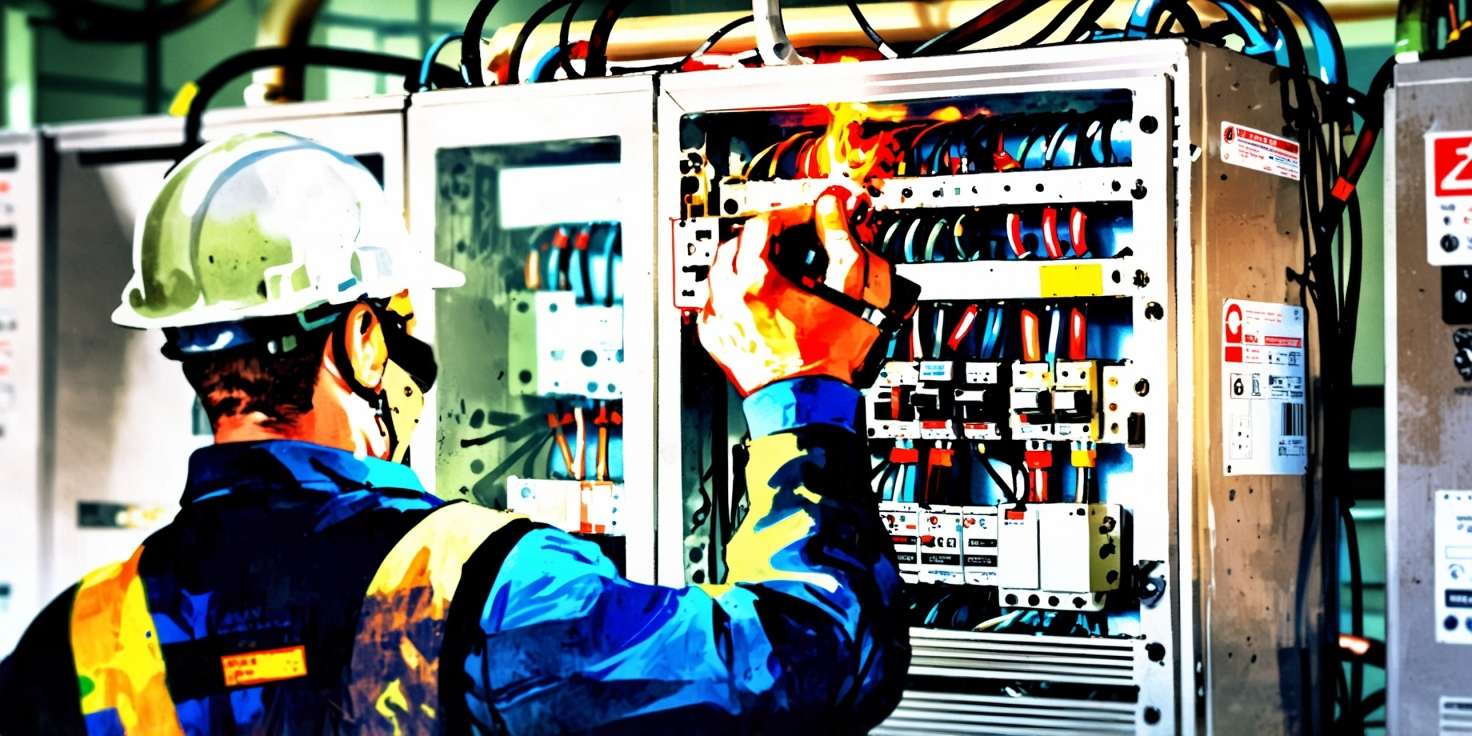
Electrical fires are one of the leading causes of property damage in homes and businesses, and overloaded circuits are often the hidden culprit. Knowing how to prevent fire damage from overloaded circuits is essential for maintaining a safe and secure environment. When too many appliances or devices draw power from a single circuit, it can overheat, spark, and ignite a fire—causing extensive damage and posing serious risks to your safety. At COMMITTED TO QUALITY SERVICE, we understand the importance of fire prevention and offer fast, friendly, and professional fire damage restoration services. Our team is equipped with the tools and expertise needed to quickly mitigate affected areas and help you recover as efficiently as possible. Whether you’re dealing with electrical hazards, smoke damage, or structural issues, our fire damage restoration solutions are designed to protect your property and give you peace of mind. Don’t wait until it’s too late—call us now at 855-933-7935 to learn how we can help safeguard your home or business from the dangers of overloaded circuits and fire damage.

Understanding the Dangers of Overloaded Circuits

Overloaded circuits are a leading cause of residential electrical fires, posing a serious threat to both property and personal safety. When too many electrical devices draw power from a single circuit, the wiring can overheat, potentially igniting surrounding materials. According to the National Fire Protection Association (NFPA), electrical failures or malfunctions were the second leading cause of U.S. home fires between 2015 and 2019, accounting for an estimated 46,700 fires annually.

Understanding how overloaded circuits occur is crucial in preventing fire damage. Common causes include plugging multiple high-wattage appliances into one outlet, using outdated wiring systems, or ignoring warning signs like flickering lights and frequently tripped breakers.

“An overloaded circuit is not just an inconvenience—it’s a fire hazard waiting to happen.” — U.S. Fire Administration

To identify and prevent circuit overloads, homeowners should:

  1. Limit the number of devices plugged into a single outlet.
  2. Use power strips with built-in circuit breakers.
  3. Schedule regular electrical inspections by licensed professionals.

For more tips on protecting your home, visit our blog or explore our comprehensive services.

If you suspect your home may be at risk, don’t wait. Learn more about how we help prevent and repair fire damage or check our FAQ for quick answers.

For further reading, the U.S. Fire Administration offers detailed guidance on electrical fire safety: https://www.usfa.fema.gov/prevention/outreach/electrical.html

Common Causes of Circuit Overloads in Homes

One of the most common reasons for residential fires is an overloaded electrical circuit. Understanding what causes these overloads is essential in preventing fire damage and ensuring the safety of your home. Circuit overloads typically occur when too many high-wattage appliances are plugged into a single outlet or circuit. This can include space heaters, microwaves, hairdryers, and other energy-intensive devices. When the electrical demand exceeds the circuit’s capacity, it can overheat and potentially ignite surrounding materials.

Another frequent cause is outdated or faulty wiring, especially in older homes that were not designed to handle modern electrical loads. If your lights flicker or breakers trip regularly, it may be a sign that your system is under strain. Extension cords and power strips, while convenient, can also contribute to overloads if misused.

To help protect your home, consider having a professional inspection of your electrical system. At Projekt Restoration, we offer a range of services designed to identify and mitigate fire risks. Our team is trained to spot potential hazards and recommend effective solutions.

For more information about our commitment to safety and excellence, visit our mission page. Taking proactive steps today can prevent costly and dangerous fire damage in the future.

Warning Signs Your Circuit May Be Overloaded

Recognizing the early warning signs of an overloaded circuit is essential in preventing potential fire hazards in your home or business. One of the most common indicators is frequent tripping of circuit breakers. If your breakers trip often, it’s a sign that your electrical system is drawing more current than it can safely handle. Another red flag is flickering or dimming lights, especially when using multiple appliances at once. This could indicate that your circuit is under stress and struggling to distribute power evenly.

Buzzing sounds from outlets or switches, warm or discolored wall plates, and a burning smell near electrical panels are also serious signs that should not be ignored. These symptoms suggest that the wiring may be overheating, which significantly increases the risk of an electrical fire. Additionally, if you rely heavily on extension cords or power strips, it may be time to upgrade your electrical system to meet your energy needs safely.

To ensure your property remains safe, consider scheduling a professional inspection. At Projekt Restoration, we offer a range of services designed to protect your home from fire and other types of damage. Learn more about our commitment to safety and excellence by visiting our mission page. Taking proactive steps today can help you avoid costly repairs and protect your loved ones from harm.

Tips for Distributing Electrical Loads Safely

To prevent fire damage caused by overloaded circuits, it’s essential to distribute electrical loads safely throughout your home or business. Start by identifying high-wattage appliances—such as space heaters, microwaves, and hair dryers—and ensure they are plugged into dedicated outlets. Avoid using extension cords or power strips for heavy-duty appliances, as these can easily overheat and lead to electrical fires.

Regularly inspect your electrical system for signs of wear, such as flickering lights, warm outlets, or frequently tripped breakers. These may indicate an overloaded circuit or faulty wiring. If you notice any of these warning signs, consult a licensed electrician to assess and upgrade your system as needed.

Consider spreading out your electrical usage by plugging devices into different circuits. Labeling your circuit breaker panel can help you understand which outlets are connected to which breakers, making it easier to manage load distribution. Additionally, installing surge protectors can help safeguard your electronics from power spikes.

For homeowners looking to enhance their property’s safety, understanding the risks of overloaded circuits is just as important as knowing how to respond to other hazards like water damage or mold growth. Proper load management not only protects your electrical system but also reduces the risk of costly fire damage. For more expert advice and professional support, explore our services or visit our about page to learn more about our commitment to safety and restoration.

Importance of Using the Right Circuit Breakers

Choosing the correct circuit breakers is essential in preventing fire damage caused by overloaded circuits. Circuit breakers are designed to interrupt the flow of electricity when a circuit becomes overloaded or short-circuited, thereby reducing the risk of overheating and potential fires. Using the wrong type or size of breaker can result in insufficient protection, allowing excess current to flow unchecked and increasing the likelihood of electrical fires.

Modern homes and businesses often have a wide range of electrical demands, from high-powered appliances to sensitive electronics. Ensuring that your electrical system is equipped with the appropriate breakers tailored to these needs is a critical step in maintaining safety. Regular inspections and upgrades by licensed professionals can help identify outdated or faulty breakers before they become a hazard.

Additionally, understanding the role of circuit breakers in your overall fire prevention strategy is just as important as addressing other risks like faulty wiring or poor maintenance. For more information on how to protect your property from fire hazards, visit our fire damage page. You can also explore our range of professional services to ensure your home or business is fully safeguarded.

Taking proactive steps today can prevent costly and dangerous consequences tomorrow. Don’t wait for a disaster—make sure your electrical system is up to code and properly protected.

When to Call a Licensed Electrician

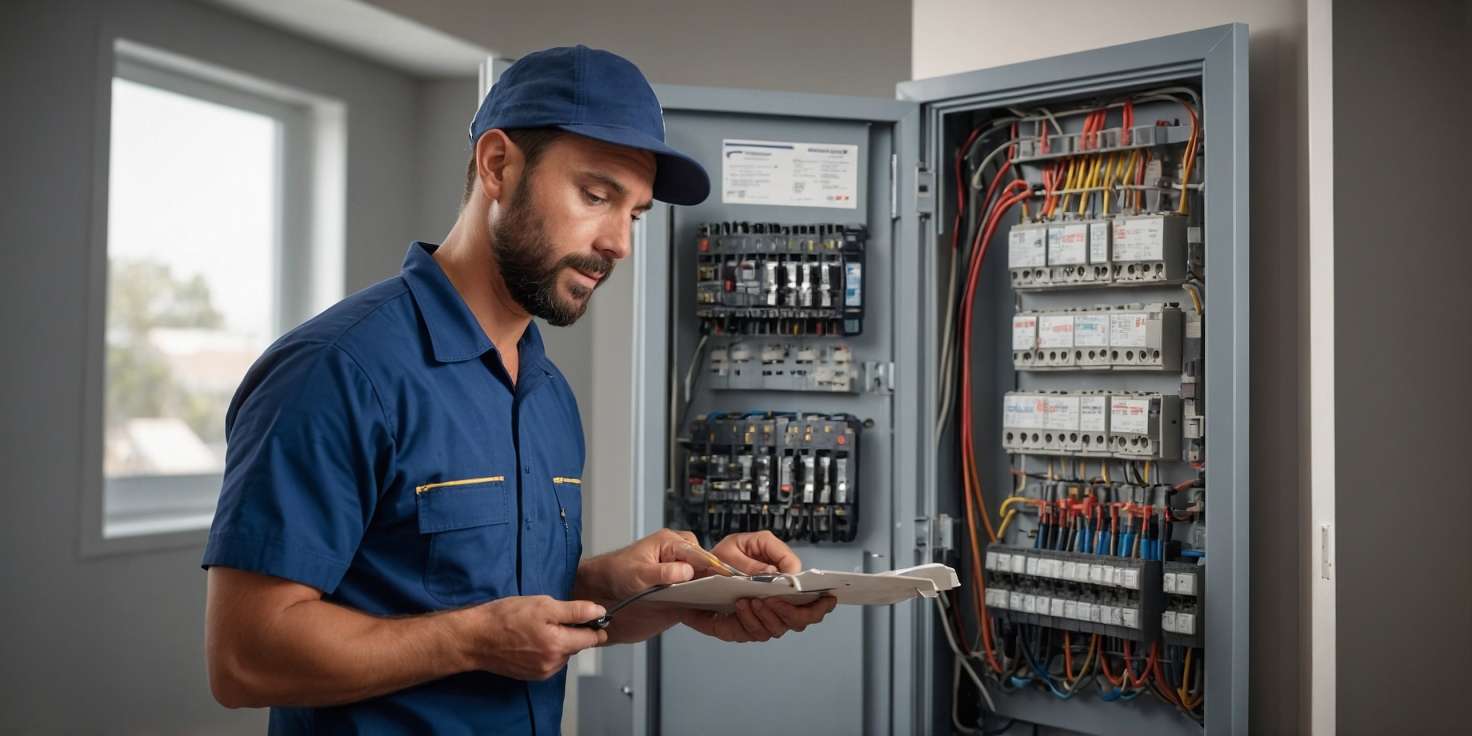
If you suspect your electrical system is under strain or notice signs of circuit overload, it’s crucial to contact a licensed electrician immediately. Warning signs such as frequent circuit breaker trips, flickering lights, burning smells near outlets, or warm wall plates should never be ignored. These issues can indicate serious electrical problems that may lead to fire hazards if left unaddressed.

A licensed electrician has the training and tools to assess your system safely and recommend upgrades or repairs. Whether you’re adding new appliances, renovating your home, or experiencing inconsistent power supply, professional evaluation ensures your circuits can handle the load. Attempting DIY fixes can be dangerous and may worsen the problem, increasing the risk of electrical fires.

Preventative maintenance is key to avoiding fire damage from overloaded circuits. Regular inspections by a certified electrician can identify potential risks before they become emergencies. If you’re unsure about your home’s electrical capacity or want to learn more about fire prevention, visit our blog for expert tips and advice.

For comprehensive support, explore our full range of services, including fire damage restoration and electrical safety assessments. Don’t wait for a small issue to become a major disaster—take proactive steps to protect your home and loved ones today.

Regular Maintenance to Prevent Electrical Fires

One of the most effective ways to prevent fire damage from overloaded circuits is through consistent and thorough electrical maintenance. Over time, wiring systems can deteriorate, connections may loosen, and circuit breakers can become less responsive. These issues, if left unchecked, significantly increase the risk of electrical fires. Regular inspections by a licensed electrician help identify potential hazards early, such as frayed wires, outdated panels, or circuits operating beyond their capacity.

Homeowners and business owners should schedule routine check-ups, especially in older buildings where electrical systems may not meet current safety standards. Maintenance should include testing outlets, inspecting breaker panels, and ensuring that all appliances are functioning within safe electrical loads. Additionally, installing surge protectors and arc-fault circuit interrupters (AFCIs) can provide an extra layer of protection.

At Projekt Restoration, we emphasize the importance of proactive care to avoid costly damage and ensure safety. Learn more about our comprehensive services designed to protect your property from fire hazards. If you’re unsure about the condition of your electrical system, our team is here to help. Visit our FAQ page for answers to common questions or reach out directly for a consultation. Taking these preventive steps today can save lives and property tomorrow.

In conclusion, preventing fire damage from overloaded circuits starts with awareness and proactive measures. By understanding your home’s electrical capacity, avoiding the overuse of extension cords and power strips, and regularly inspecting your wiring and outlets, you can significantly reduce the risk of electrical fires. Investing in professional electrical assessments and upgrading outdated systems further ensures your safety. Remember, a little prevention goes a long way—protect your home and loved ones by staying informed and taking action before problems arise.

Water Damage Prevention for Commercial Roofs

When it comes to maintaining a commercial property, few issues are as disruptive and costly as water damage. From structural deterioration to mold growth, the consequences of a leaking roof can escalate quickly. At Projekt Property Restoration, we understand the importance of proactive Commercial Roof Water Damage Prevention to safeguard your investment and ensure business continuity.

With decades of experience in restoration services, our team is committed to delivering fast, friendly, and professional solutions tailored to your property’s unique needs. Whether you’re managing an office complex, retail space, or industrial facility, preventing roof water damage is essential to avoid costly water damage restoration and maintain a safe environment for occupants.

Why Commercial Roof Water Damage Happens

Commercial roofs are particularly vulnerable to water damage due to their flat or low-slope design. Common causes include:

  • Poor Drainage: Clogged or poorly designed drainage systems can lead to standing water and eventual leaks.
  • Roof Membrane Deterioration: Over time, exposure to UV rays and weather conditions can weaken roofing materials.
  • Improper Installation: Faulty workmanship during installation can leave your roof prone to leaks.
  • Lack of Maintenance: Failing to schedule regular inspections can allow minor issues to become major problems.

Effective Strategies for Commercial Roof Water Damage Prevention

Preventing water damage starts with a proactive approach. Here are key strategies to protect your commercial roof:

  • Routine Inspections: Schedule bi-annual inspections to identify and address vulnerabilities early.
  • Gutter and Drain Maintenance: Keep drainage systems clear to prevent water buildup.
  • Sealant Application: Use high-quality sealants around vents, skylights, and HVAC units.
  • Roof Tarp Installation: In the event of damage, temporary tarps can prevent further water intrusion until permanent repairs are made.
  • Professional Restoration: Partner with a trusted provider like Projekt Property Restoration for comprehensive reconstruction services and emergency response.

The Role of Emergency Service and Restoration

Even with the best prevention measures, emergencies can happen. That’s why Projekt Property Restoration offers 24/7 emergency service to respond to water, fire, and mold damage. Our team is equipped with advanced tools and techniques for efficient water damage restoration, fire damage restoration, and mold remediation.

We also handle biohazard clean up and provide full-scale reconstruction services to restore your property to its original condition. Our commitment to customer satisfaction means we work directly with insurance companies, offer transparent pricing, and deliver results that exceed expectations.

Why Choose Projekt Property Restoration?

As a company committed to quality service, Projekt Property Restoration stands out for our:

  • Highly-trained professionals with years of industry experience
  • Same-day service and rapid response times
  • Free onsite estimates with no hidden fees
  • Flexible financing options to ease the burden of unexpected repairs

Our mission is simple: to get things back to normal with minimal disruption to your business operations. We take pride in our reputation for delivering professional restoration services that restore not just buildings, but peace of mind.

Conclusion

Commercial roof water damage can be a silent threat that leads to significant financial and operational setbacks. By investing in regular maintenance, timely inspections, and partnering with a trusted restoration expert, you can prevent damage before it starts. Projekt Property Restoration is here to help you protect your property with expert guidance and reliable service every step of the way.

Don’t wait for water damage to disrupt your business. Contact our team today to schedule a roof inspection or learn more about our full range of property restoration solutions. Let us help you stay ahead of the damage—because when it comes to your property, prevention is always the best protection.

How to Handle Mold in Office Break Rooms

Mold in office break rooms is more than just an unsightly nuisance—it can pose serious health risks and impact employee productivity. If you’re wondering how to handle mold in office break rooms effectively, you’re not alone. Many businesses face this issue, especially in areas prone to moisture and poor ventilation. Mold thrives in damp environments, making break rooms—often equipped with sinks, refrigerators, and microwaves—a common hotspot. Addressing mold growth promptly is essential to maintaining a healthy workplace and preventing costly damage. At COMMITTED TO QUALITY SERVICE, we specialize in fast, friendly, and professional mold remediation services. Whether it’s water damage restoration or fire damage recovery, our expert team is equipped with advanced tools to restore your space safely and efficiently. Don’t let mold compromise your office environment—call us now at 855-933-7935 for reliable service you can trust.

Identifying Common Signs of Mold in Break Rooms

Mold growth in office break rooms is a common yet often overlooked issue that can lead to serious health concerns and structural damage if not addressed promptly. Recognizing the early signs of mold is crucial for maintaining a safe and healthy workplace environment. Mold thrives in damp, poorly ventilated areas, making break rooms—where spills, leaks, and humidity are common—ideal breeding grounds. Understanding how to spot mold early can help prevent costly remediation and protect employee well-being.

One of the most noticeable signs of mold is a persistent musty odor. This smell is often the first indicator of hidden mold, especially in areas behind appliances or inside cabinets. Even if no visible mold is present, a strong, earthy scent should prompt further investigation. According to the Environmental Protection Agency (EPA), mold can begin growing within 24 to 48 hours in moist conditions, making timely detection essential.

Visible mold growth is another clear sign. Mold can appear in various colors, including black, green, white, or gray, and may look fuzzy or slimy depending on the type. It often develops on walls, ceilings, under sinks, or around windows where condensation accumulates. Stains or discoloration on walls and ceilings may also indicate mold, even if the mold itself is not yet visible.

Water damage is a major contributor to mold growth. Signs of past or ongoing water damage—such as peeling paint, warped surfaces, or water stains—should be taken seriously. These issues often point to leaks or high humidity levels that can foster mold. For more information on how water damage contributes to mold, visit our detailed guide on how to identify hidden water damage early.

Employee health complaints can also be a red flag. Mold exposure can cause a range of symptoms, including coughing, sneezing, eye irritation, and skin rashes. In more severe cases, it can trigger asthma attacks or allergic reactions. If multiple employees report similar symptoms that improve when they are away from the office, mold could be the culprit.

“The World Health Organization reports that up to 50 percent of indoor environments in North America are affected by dampness, which significantly increases the risk of mold growth.”

In addition to these signs, here are some common areas in break rooms where mold is likely to develop:

  1. Underneath sinks and around plumbing fixtures
  2. Behind refrigerators and vending machines
  3. Inside cabinets and storage areas with poor ventilation
  4. On ceiling tiles near HVAC vents or water-damaged areas
  5. Along window sills and frames where condensation collects

Regular inspections and maintenance can help identify these issues before they escalate. If you suspect mold in your office break room, it’s important to act quickly. Professional mold inspection and remediation services can accurately assess the situation and implement effective solutions. Learn more about our comprehensive mold remediation services to ensure your workplace remains safe and compliant.

For businesses seeking to prevent mold recurrence, it’s also essential to address the root causes, such as leaks or poor ventilation. Installing dehumidifiers, improving airflow, and promptly cleaning up spills can significantly reduce the risk of mold. Our team at Projekt Restoration offers a range of services designed to help you maintain a healthy office environment.

If you’re unsure whether your break room is at risk, consider scheduling a consultation with our experts. Visit our contact page to get started or explore our FAQ section for more information on mold-related concerns.

For further reading on mold detection and prevention, the Centers for Disease Control and Prevention (CDC) offers a comprehensive resource at https://www.cdc.gov/mold/faqs.htm. Staying informed and proactive is the best defense against mold in your office break room.

Understanding the Health Risks of Mold Exposure

Mold exposure in office break rooms can pose serious health risks to employees, especially when left unaddressed for extended periods. Mold thrives in damp, humid environments, making break rooms—where spills, leaks, and poor ventilation are common—ideal breeding grounds. When mold spores become airborne, they can be inhaled by individuals, leading to a range of health issues. For some, exposure may result in mild symptoms such as nasal congestion, coughing, throat irritation, or skin rashes. However, for others—particularly those with asthma, allergies, or compromised immune systems—the effects can be far more severe, including chronic respiratory problems, sinus infections, and even long-term lung damage.

One of the most concerning aspects of mold exposure is its ability to go unnoticed until symptoms become persistent or the infestation becomes visible. This is especially problematic in shared spaces like office break rooms, where multiple individuals may be affected simultaneously. Mold can grow behind walls, under sinks, or inside appliances, making it difficult to detect without professional assessment. Employees may begin to experience unexplained fatigue, headaches, or difficulty concentrating, which can significantly impact productivity and overall workplace morale.

The type of mold present also plays a critical role in determining the severity of health risks. Black mold, or Stachybotrys chartarum, is particularly dangerous due to the mycotoxins it produces. These toxins can cause more serious health complications, including neurological symptoms and immune suppression. While not all molds are toxic, any mold growth in a communal space like a break room should be treated with caution and addressed promptly to prevent escalation.

In addition to physical health concerns, mold exposure can also affect mental well-being. Prolonged exposure to mold has been linked to mood swings, anxiety, and depression. This is especially concerning in a professional environment where mental clarity and emotional stability are essential for effective collaboration and performance. Employers have a responsibility to ensure a safe and healthy work environment, and this includes taking proactive steps to identify and eliminate mold hazards.

Preventing mold-related health issues begins with awareness and early detection. Regular inspections and maintenance of plumbing systems, ventilation, and appliances can help reduce the risk of mold growth. If water damage or leaks are discovered, they should be addressed immediately to prevent moisture buildup. For more information on how to recognize early signs of water damage, visit our guide on how to identify hidden water damage early. Understanding these warning signs can empower office managers and employees to take swift action before mold becomes a serious health threat.

When mold is suspected or confirmed, it is crucial to seek professional help. Attempting to clean mold without proper equipment and expertise can actually worsen the problem by dispersing spores into the air. Professional mold remediation services are designed to safely and effectively remove mold while preventing future growth. Learn more about our comprehensive services to understand how we can help maintain a healthy office environment.

Ultimately, addressing mold in office break rooms is not just about cleanliness—it is a matter of employee health and safety. By recognizing the symptoms of mold exposure and taking proactive measures to prevent and remediate mold growth, employers can create a safer, more productive workplace. If you have concerns about mold in your office or want to learn more about our approach, visit our about page to discover our commitment to quality and health-focused solutions.

Common Causes of Mold Growth in Office Kitchens

Mold growth in office kitchens is a common yet often overlooked issue that can lead to serious health concerns and structural damage if not addressed promptly. Several factors contribute to the development of mold in these shared spaces, many of which stem from everyday habits and environmental conditions. One of the primary causes is moisture accumulation. Office kitchens typically include sinks, dishwashers, coffee machines, and refrigerators, all of which can leak or create condensation. When moisture is not properly dried or ventilated, it creates the perfect breeding ground for mold spores to thrive. Even small spills or drips that go unnoticed under appliances or in corners can lead to significant mold problems over time.

Another major contributor is poor ventilation. Many office break rooms are located in interior spaces without windows or adequate airflow. Without proper ventilation, humidity levels can rise quickly, especially when multiple employees are using the kitchen throughout the day. Cooking, boiling water, or even running a dishwasher can release steam into the air, increasing moisture levels and encouraging mold growth on walls, ceilings, and cabinetry. Installing exhaust fans or ensuring that HVAC systems are functioning properly can help mitigate this issue, but these solutions are often neglected in busy office environments.

Neglected cleaning routines also play a significant role in mold development. Office kitchens are shared by many people, and without a clear cleaning schedule, food particles, spills, and dirty dishes can accumulate. Leftover food in the refrigerator, crumbs in cabinets, and damp sponges or dishcloths can all harbor mold spores. Over time, these spores can spread to other surfaces, especially if the area is not cleaned regularly with mold-inhibiting products. Encouraging employees to clean up after themselves and assigning regular deep-cleaning duties can help reduce the risk of mold.

Leaky plumbing is another frequent issue in office kitchens. Pipes under the sink or behind appliances can develop slow leaks that go unnoticed for weeks or even months. These hidden leaks create damp environments that are ideal for mold growth. Regular inspections and maintenance of plumbing fixtures are essential to catch and repair leaks early. For more information on identifying hidden water issues, you can refer to our guide on how to identify hidden water damage early.

In addition to these common causes, structural issues such as poor insulation or damaged roofing can also lead to water intrusion, further exacerbating mold problems. Water from outside sources can seep into walls and ceilings, especially during heavy rain or snowmelt, creating hidden pockets of moisture. These areas are often difficult to detect without professional help and can lead to extensive mold infestations if left untreated. If your office has experienced any form of water damage, it is crucial to consult with experts who specialize in mold remediation to assess and address the problem effectively.

Understanding these common causes is the first step in preventing mold growth in office kitchens. By maintaining a clean and dry environment, ensuring proper ventilation, and addressing plumbing or structural issues promptly, businesses can protect the health of their employees and the integrity of their property. For more insights into our approach and the services we offer, visit our services page or learn more about our team and mission. Taking proactive steps today can save your office from costly repairs and health hazards in the future.

Steps to Take When You Discover Mold

When mold is discovered in an office break room, it is essential to act quickly and methodically to prevent further contamination and ensure the health and safety of employees. The first step is to confirm the presence of mold. This can often be done visually, as mold typically appears as black, green, or white patches on walls, ceilings, or around sinks and appliances. A musty odor is also a common indicator. If the mold is not visible but suspected, professional inspection may be necessary to identify hidden growth. Once mold is confirmed, it is crucial to isolate the affected area to prevent spores from spreading. This may involve closing off the break room and turning off HVAC systems that could circulate mold spores throughout the office.

Next, notify the appropriate personnel, such as the office manager or building maintenance team. They should be responsible for coordinating the next steps, which include contacting a professional mold remediation service. Attempting to clean mold without proper training and equipment can worsen the problem and pose health risks. Professional remediation teams are trained to safely remove mold and treat the area to prevent recurrence. For more information on what professional services entail, you can visit our services page.

While waiting for professionals to arrive, avoid disturbing the mold. Do not attempt to scrub or spray it with household cleaners, as this can release spores into the air. Ensure that employees are informed about the situation and advised to avoid the break room until it has been properly cleaned and cleared. If mold is found near water sources such as sinks or refrigerators, it may be a sign of a leak or ongoing moisture problem. In such cases, it is important to identify and fix the source of moisture to prevent mold from returning. You can learn more about related issues by exploring our guide on how to identify hidden water damage early.

Documentation is another important step. Take clear photos of the mold and note the date and location of discovery. This documentation can be useful for insurance claims, maintenance records, and ensuring accountability in the remediation process. It also helps professionals assess the extent of the problem before beginning their work.

After the mold has been professionally removed, the break room should be thoroughly cleaned and ventilated. Any porous materials such as ceiling tiles, drywall, or carpeting that were contaminated may need to be replaced. It is also a good idea to conduct air quality testing to ensure that the environment is safe for employees to return. Preventative measures should be implemented to avoid future mold growth. These include regular inspections, maintaining low indoor humidity levels, and promptly addressing any signs of water damage or leaks.

Employee education is another key component of mold prevention. Staff should be encouraged to report any signs of mold or moisture issues immediately. Providing training or informational materials can help employees understand the importance of mold prevention and how to recognize early warning signs.

In summary, discovering mold in an office break room requires a prompt and organized response. From identifying the mold and notifying the right personnel to hiring professionals and implementing preventative strategies, each step plays a vital role in maintaining a healthy work environment. For more details on how we handle mold issues and support businesses through the remediation process, visit our mold remediation page. Taking these steps not only protects the health of employees but also preserves the integrity of the workplace.

Cleaning and Removing Mold Safely

When it comes to addressing mold in office break rooms, safety and thoroughness are key. Mold can pose serious health risks, especially in shared spaces where employees spend time eating and relaxing. The first step in cleaning and removing mold safely is identifying the affected areas. Mold often grows in damp, dark places such as under sinks, behind refrigerators, or near water dispensers. Once identified, it’s crucial to assess the extent of the infestation. Small patches of surface mold can sometimes be handled in-house with proper precautions, but larger or hidden infestations typically require professional intervention.

Before beginning any cleaning process, ensure that the area is well-ventilated. Open windows and doors to allow fresh air to circulate and reduce the concentration of airborne mold spores. Personal protective equipment is essential. Anyone involved in the cleaning process should wear gloves, goggles, and an N95 respirator mask to avoid inhaling spores or coming into direct contact with mold. Never attempt to clean mold with bare hands or without respiratory protection, as this can lead to allergic reactions or respiratory issues.

Use appropriate cleaning solutions to remove mold effectively. A mixture of detergent and water can be used for non-porous surfaces, while commercial mold cleaners are better suited for more stubborn growth. Avoid using bleach on porous materials like drywall or ceiling tiles, as it may not fully eliminate the mold and can even worsen the problem by adding moisture. After scrubbing the affected area, dry it thoroughly to prevent mold from returning. Dehumidifiers or fans can help speed up the drying process.

Proper disposal of contaminated materials is another critical step. Items like ceiling tiles, insulation, or carpeting that have been heavily infested should be removed and discarded in sealed plastic bags. This prevents the spread of spores to other parts of the office. Additionally, any cleaning tools or cloths used should be disinfected or disposed of after use.

For more extensive mold issues, it’s advisable to consult professionals who specialize in mold remediation. These experts have the training and equipment to handle mold safely and effectively, ensuring that the problem is fully resolved. They can also identify the root cause of the mold, such as hidden leaks or poor ventilation, and recommend long-term solutions to prevent recurrence.

Preventative maintenance plays a significant role in keeping office break rooms mold-free. Regular inspections of plumbing fixtures, appliances, and ventilation systems can help detect moisture problems early. Installing exhaust fans or improving air circulation can also reduce humidity levels, making the environment less hospitable to mold. If you’re unsure about the best practices for mold prevention or need guidance on maintaining a healthy workspace, consider exploring our services for professional support.

Educating employees about mold awareness is another proactive step. Encourage staff to report any signs of water damage or musty odors immediately. Quick action can prevent minor issues from escalating into major health hazards. For more insights into early detection, our guide on how to identify hidden water damage early offers valuable tips.

In summary, cleaning and removing mold in office break rooms requires a careful, methodical approach. From using the right protective gear and cleaning agents to knowing when to call in professionals, every step is vital to ensure a safe and healthy environment for employees. By staying vigilant and proactive, businesses can effectively manage mold risks and maintain a clean, welcoming break room for everyone.

Preventative Measures to Keep Mold Away

Preventing mold growth in office break rooms is essential for maintaining a healthy and productive work environment. Mold thrives in moist, warm, and poorly ventilated areas, making break rooms a common hotspot due to frequent water usage, food storage, and limited airflow. To effectively keep mold at bay, it’s crucial to implement a combination of proactive cleaning habits, regular maintenance, and employee awareness.

Start by ensuring proper ventilation in the break room. Mold spores flourish in stagnant air, so keeping windows open when possible or using exhaust fans can significantly reduce humidity levels. If natural ventilation is limited, consider installing a dehumidifier to maintain indoor humidity below 60 percent. Regularly inspecting and maintaining HVAC systems also helps circulate fresh air and prevent moisture buildup.

Cleaning routines play a vital role in mold prevention. Break rooms should be cleaned daily, with special attention given to areas around sinks, coffee machines, microwaves, and refrigerators. Spills should be wiped up immediately, and surfaces should be disinfected regularly to eliminate mold spores before they can multiply. Encourage employees to clean up after themselves and to report any signs of leaks or water damage promptly.

Appliances and plumbing fixtures should be checked frequently for leaks or condensation. Even a small drip under a sink or behind a refrigerator can create the perfect environment for mold growth if left unaddressed. Schedule routine inspections of plumbing and appliances to catch issues early. If any water damage is detected, it’s important to act quickly. For more information on identifying early signs of water damage, visit our guide on how to identify hidden water damage early.

Proper food storage is another key factor. Mold can grow on expired or improperly stored food, so encourage employees to label and date their items and to discard anything that’s past its prime. Refrigerators should be cleaned out weekly, and any spills inside should be cleaned immediately. Additionally, trash bins should be emptied daily and kept clean to prevent mold from forming on food waste.

Using mold-resistant materials in the break room can also help. Consider installing mold-resistant drywall, paint, and flooring, especially in areas prone to moisture. These materials are designed to inhibit mold growth and are a smart investment for long-term prevention.

Employee education is equally important. Provide training or informational materials that help staff recognize the signs of mold and understand the importance of reporting leaks or unusual odors. A well-informed team can act as the first line of defense against mold issues.

If mold has been a recurring problem or if you suspect hidden mold, it may be time to consult professionals. At Projekt Restoration, we offer comprehensive services including mold inspections and remediation. Our team is trained to detect and eliminate mold at its source, ensuring your office remains safe and compliant with health standards.

For those interested in learning more about our company and what drives our commitment to quality, visit our our mission page. We believe in proactive solutions and are dedicated to helping businesses maintain clean, healthy environments.

By taking these preventative steps, office managers can significantly reduce the risk of mold in break rooms. Consistent maintenance, employee cooperation, and professional support when needed are the keys to keeping mold away and ensuring a safe, pleasant space for everyone.

When to Call a Professional Mold Remediation Service

If you discover mold in your office break room, it’s essential to assess the severity of the issue before deciding whether to handle it yourself or call in professionals. While small patches of surface mold on non-porous materials can sometimes be cleaned with commercial products and proper safety gear, there are specific situations where professional mold remediation is not just recommended but necessary. One of the most critical indicators is the size of the affected area. According to the Environmental Protection Agency (EPA), if the moldy area is larger than 10 square feet, it’s best to seek professional help. Mold growth of this magnitude often indicates a deeper issue, such as hidden moisture or structural damage, which requires specialized equipment and expertise to address effectively.

Another key reason to contact a professional mold remediation service is if the mold keeps returning after repeated cleaning. Recurring mold is often a sign of unresolved moisture problems, such as leaks behind walls or under flooring, which can go unnoticed without professional inspection tools. In office break rooms, where plumbing and appliances like refrigerators and coffee machines are common, these hidden issues can be particularly prevalent. Professionals use advanced moisture detection equipment to locate and eliminate the source of the problem, ensuring a long-term solution rather than a temporary fix.

Health concerns are also a major factor in deciding when to call in experts. Mold exposure can lead to a range of health issues, especially for individuals with allergies, asthma, or compromised immune systems. If employees begin reporting symptoms such as coughing, sneezing, headaches, or skin irritation that seem to improve when they are away from the office, mold could be the culprit. In such cases, it’s crucial to act quickly to protect the well-being of your staff and maintain a safe working environment. A certified mold remediation team can conduct air quality testing and implement containment procedures to prevent the spread of spores during cleanup.

Additionally, if the mold is located in hard-to-reach areas such as HVAC systems, behind walls, or under flooring, professional intervention is necessary. Attempting to remove mold from these areas without proper training and equipment can lead to cross-contamination, spreading spores to other parts of the building. Professionals follow strict protocols and use specialized tools to safely remove mold and restore affected areas. For more information on how professionals handle these situations, you can visit our detailed services page.

It’s also wise to consult a professional if you’re unsure about the type of mold present. Some molds, like black mold (Stachybotrys chartarum), are more hazardous than others and require specific handling procedures. A professional mold remediation service can identify the mold type and determine the appropriate course of action. They can also help document the damage for insurance purposes, which is especially useful for business owners managing commercial properties.

Finally, if your office has recently experienced water damage from leaks, flooding, or high humidity, it’s a good idea to schedule a mold inspection even if no visible mold is present. Mold can begin growing within 24 to 48 hours of moisture exposure, often in hidden areas. Learn more about the connection between moisture and mold by visiting our page on how to identify hidden water damage early.

In summary, while minor mold issues can sometimes be managed in-house, larger infestations, recurring problems, health concerns, and hidden mold all warrant the expertise of a professional mold remediation service. Taking swift and informed action not only protects your employees but also preserves the integrity of your office space. If you suspect a serious mold issue in your break room, don’t hesitate to reach out to a trusted remediation expert to ensure the problem is resolved safely and thoroughly.

In conclusion, addressing mold in office break rooms is essential for maintaining a healthy and productive work environment. By staying vigilant for signs of mold, promoting cleanliness, ensuring proper ventilation, and responding promptly to any issues, you can prevent mold from becoming a serious problem. Encouraging employees to report concerns and working closely with building maintenance or professional remediation services will help keep your break room safe and welcoming for everyone. A proactive approach not only protects the health of your team but also reflects a commitment to workplace well-being and hygiene.

Fire Damage Hazards in Electrical Panels

Electrical panels are the heart of any building’s power system, but when compromised, they can pose serious fire damage hazards that threaten both safety and property. At Projekt Property Restoration, we’ve seen firsthand how electrical panel fires can lead to devastating losses for homeowners and business owners alike. As a trusted leader in fire damage restoration, we’re here to help you understand the risks associated with faulty or overloaded electrical panels and how to prevent them. Whether it’s outdated wiring, poor maintenance, or improper installations, these hidden dangers can ignite quickly and spread fast. Our team of highly-trained professionals is available 24/7 to respond to emergencies and restore your property with speed and precision. With our commitment to quality service and customer satisfaction, Projekt Property Restoration is your go-to partner for protecting your home or business from electrical fire hazards. Learn how to identify warning signs, take preventive measures, and ensure your property remains safe and fully functional.

Common Causes of Fire Damage in Electrical Panels

Electrical panels are critical components in both residential and commercial buildings, serving as the central hub for distributing electricity throughout a property. However, when not properly maintained or installed, these panels can become significant fire hazards. Understanding the common causes of fire damage in electrical panels is essential for preventing catastrophic incidents that can lead to property loss, injury, or even fatalities. According to the National Fire Protection Association (NFPA), electrical failures or malfunctions were the second leading cause of U.S. home fires in 2022, accounting for an estimated 46,700 home fires annually. These fires resulted in 390 civilian deaths, 1,330 civilian injuries, and $1.5 billion in direct property damage. These alarming statistics underscore the importance of identifying and mitigating the risks associated with electrical panels.

One of the most prevalent causes of fire damage in electrical panels is faulty wiring. Over time, wires can degrade due to age, exposure to moisture, or rodent activity. When insulation wears down or connections become loose, it increases the risk of short circuits and overheating. Improperly installed wiring or the use of substandard materials can also contribute to electrical fires. In older buildings, outdated wiring systems may not be equipped to handle modern electrical loads, leading to overheating and potential fire outbreaks.

Another significant contributor to electrical panel fires is overloaded circuits. When too many devices or appliances are connected to a single circuit, it can exceed the panel’s capacity, causing wires to overheat. This is particularly common in homes that have undergone renovations or added new appliances without upgrading the electrical system. Overloading not only stresses the electrical panel but also increases the likelihood of arc faults, which are a leading cause of electrical fires. According to the U.S. Consumer Product Safety Commission (CPSC), arc faults are responsible for more than 28,000 home fires each year.

Poor maintenance is another critical factor. Electrical panels require regular inspections and maintenance to ensure they are functioning correctly. Dust, debris, and corrosion can accumulate over time, impairing the panel’s performance and increasing the risk of fire. Additionally, failing to replace worn-out components or ignoring warning signs such as flickering lights, burning smells, or tripped breakers can lead to severe consequences. Regular maintenance by a licensed electrician can help identify and address these issues before they escalate.

Improper installation is also a common cause of fire damage in electrical panels. Panels that are not installed according to code or by qualified professionals can pose serious safety risks. For instance, using the wrong type of breaker, incorrect wire sizing, or failing to secure connections properly can all lead to overheating and fire. It is crucial to ensure that any electrical work is performed by certified electricians who adhere to local building codes and standards.

Environmental factors can also play a role in electrical panel fires. Panels located in damp or humid areas are more susceptible to corrosion and moisture intrusion, which can compromise the integrity of electrical connections. In some cases, pests such as rodents may chew through wiring, exposing live wires and increasing the risk of short circuits. Ensuring that panels are installed in dry, secure locations and protected from environmental hazards is essential for fire prevention.

Another often-overlooked cause is the use of counterfeit or non-compliant electrical components. These parts may not meet safety standards and can fail under normal operating conditions, leading to overheating and fire. Always sourcing components from reputable manufacturers and verifying their compliance with safety certifications can significantly reduce this risk.

In some instances, human error is to blame. For example, DIY electrical work performed by unqualified individuals can introduce numerous hazards, from incorrect wiring to improper breaker installation. Even seemingly minor mistakes can have serious consequences when it comes to electrical systems. It is always advisable to consult with professionals for any electrical modifications or repairs.

To summarize, the most common causes of fire damage in electrical panels include:

  1. Faulty or degraded wiring due to age, moisture, or rodent activity
  2. Overloaded circuits from excessive electrical demand
  3. Lack of regular maintenance and inspections
  4. Improper installation by unqualified personnel
  5. Environmental factors such as moisture and pests
  6. Use of counterfeit or non-compliant electrical components
  7. Human error, particularly from DIY electrical work

“Electrical fires are often preventable with proper installation, regular maintenance, and awareness of warning signs,” says the Electrical Safety Foundation International (ESFI).

For property owners, understanding these risks is the first step toward prevention. Regular inspections by licensed electricians, upgrading outdated systems, and avoiding DIY electrical work can significantly reduce the risk of fire. Additionally, installing arc fault circuit interrupters (AFCIs) and ground fault circuit interrupters (GFCIs) can provide an extra layer of protection by detecting and interrupting dangerous electrical faults before they cause a fire.

If you suspect issues with your electrical panel or have experienced any signs of electrical malfunction, it is crucial to seek professional help immediately. At Projekt Restoration, we offer comprehensive services that include fire damage restoration and electrical safety assessments. Our team of certified professionals is equipped to handle all aspects of fire damage, from initial inspection to complete restoration.

For more information about our company and our commitment to safety and quality, visit our about page. We also provide valuable resources and tips on our blog to help you stay informed and proactive in protecting your property.

In conclusion, fire damage in electrical panels is a serious hazard that can have devastating consequences. By understanding the common causes and taking proactive measures, property owners can significantly reduce the risk of fire and ensure the safety of their homes and businesses. For expert assistance and reliable fire damage restoration, trust the professionals at Projekt Restoration.

For further reading and resources, consider the following:

  1. National Fire Protection Association (NFPA) – Fire safety standards and statistics
  2. Electrical Safety Foundation International (ESFI) – Electrical safety tips and resources
  3. U.S. Consumer Product Safety Commission (CPSC) – Product safety and fire prevention

Preventive Measures to Reduce Fire Risks in Electrical Systems

Reducing the risk of fire damage in electrical panels requires a proactive approach that includes regular maintenance, proper installation, and adherence to safety standards. One of the most effective preventive measures is scheduling routine inspections by licensed electricians who can identify early signs of wear, corrosion, or overheating in circuit breakers, wiring, and connections. These inspections help detect potential hazards before they escalate into dangerous situations. Ensuring that all electrical components are up to code and compatible with the system’s load capacity is also essential. Overloaded circuits are a common cause of electrical fires, so balancing the electrical load and avoiding the use of extension cords for permanent wiring solutions can significantly reduce risks. Additionally, using high-quality materials and certified components during installation or upgrades enhances the overall safety of the electrical system.

Another key preventive strategy is the installation of arc fault circuit interrupters (AFCIs) and ground fault circuit interrupters (GFCIs), which are designed to detect abnormal electrical activity and shut off power before a fire can start. These devices are especially important in older buildings where outdated wiring may not meet current safety standards. Keeping electrical panels clean and free from dust, debris, or moisture is also crucial, as these elements can contribute to short circuits or corrosion. Implementing a clear labeling system within the panel allows for quicker identification of circuits during emergencies, reducing response time and potential damage.

Education and awareness play a vital role in fire prevention. Property owners and facility managers should be trained to recognize warning signs such as flickering lights, burning smells, or frequently tripped breakers. Encouraging prompt reporting and professional evaluation of these signs can prevent minor issues from developing into major hazards. In commercial and industrial settings, establishing a comprehensive electrical safety program that includes employee training, emergency procedures, and regular audits can further enhance fire prevention efforts.

For those seeking professional assistance, it is important to work with a trusted restoration company that understands the complexities of fire damage and electrical safety. At Projekt Restoration, we offer a range of services designed to help property owners recover from and prevent disasters. Our team is committed to delivering high-quality solutions tailored to your specific needs. Learn more about our mission and values by visiting our our mission page. Taking these preventive measures not only protects your property but also ensures the safety and well-being of everyone who lives or works within the space.

In conclusion, fire damage hazards in electrical panels pose a serious threat to both property and personal safety. These hazards often stem from overloaded circuits, faulty wiring, poor maintenance, or outdated equipment. Regular inspections, adherence to electrical codes, and timely repairs are essential in preventing electrical fires. By staying vigilant and proactive, homeowners and facility managers can significantly reduce the risk of fire-related incidents and ensure the safe operation of their electrical systems. Remember, when it comes to electrical safety, prevention is always better than cure.

How to Prevent Water Damage in Utility Rooms

Utility rooms are essential spaces in any home or commercial property. They house critical systems such as water heaters, washing machines, HVAC units, and sometimes even electrical panels. However, because of the presence of water lines, drainage systems, and appliances, utility rooms are also highly susceptible to water damage. Left unchecked, even a minor leak can escalate into a major issue, leading to costly repairs, mold growth, and structural damage. Fortunately, with proactive measures and regular maintenance, you can significantly reduce the risk of water damage in your utility room.

In this comprehensive guide, we will explore practical strategies to prevent water damage in utility rooms. From identifying early warning signs to implementing long-term solutions, this article is designed to help homeowners and property managers protect their investments. Whether you’re dealing with an older home or a newly constructed building, these tips will help you maintain a safe, dry, and functional utility space.

At Projekt Restoration, we are committed to quality service. Our team specializes in water damage restoration, fire damage restoration, mold remediation, and more. We offer fast, friendly, and professional emergency service to ensure your property is restored to its original condition. Call us now at 855-933-7935 for expert restoration services.

1. Understand the Common Causes of Water Damage in Utility Rooms

Before you can effectively prevent water damage, it’s important to understand what causes it. Utility rooms are particularly vulnerable due to the concentration of water-based appliances and plumbing systems. Here are some of the most common culprits:

  • Leaking or burst pipes: Over time, pipes can corrode, freeze, or become damaged, leading to leaks or bursts.
  • Faulty water heaters: Water heaters can develop leaks due to sediment buildup, corrosion, or faulty valves.
  • Washing machine malfunctions: Hoses can crack or disconnect, and internal components can fail, causing water to spill.
  • Clogged or damaged drains: Blocked drains can cause water to back up and overflow into the utility room.
  • Condensation from HVAC systems: Improperly maintained HVAC units can produce excess moisture that leads to water damage.

Understanding these risks allows you to take targeted steps to mitigate them. For example, replacing old hoses, insulating pipes, and scheduling regular maintenance can go a long way in preventing disasters. If you suspect hidden issues, consider reading our guide on how to identify hidden water damage early.

When water damage does occur, it’s essential to act quickly. Our professional restoration team is trained to handle all aspects of property restoration, from water extraction to structural drying and mold prevention.

2. Install Preventative Equipment and Technology

One of the most effective ways to prevent water damage in utility rooms is by installing specialized equipment designed to detect and mitigate leaks before they become serious problems. Here are some tools and technologies that can help:

  • Water leak detectors: These devices can be placed near appliances and plumbing fixtures. They sound an alarm or send a notification to your phone when moisture is detected.
  • Automatic shut-off valves: These systems automatically cut off the water supply when a leak is detected, preventing further damage.
  • Sump pumps: If your utility room is located in a basement or low-lying area, a sump pump can help remove excess water during heavy rains or plumbing failures.
  • Floor drains with backflow preventers: These prevent water from backing up into your utility room through the drainage system.
  • Smart home integration: Many leak detection systems can be integrated with smart home platforms, allowing for real-time monitoring and alerts.

Investing in these technologies not only protects your property but also provides peace of mind. In the event of a leak, early detection can mean the difference between a quick fix and a full-scale reconstruction service.

At Projekt Restoration, we understand the importance of proactive protection. Our services include the installation of leak detection systems and other preventative measures as part of our comprehensive restoration services. We also offer consultations to help you choose the right equipment for your specific needs.

Don’t wait for a disaster to strike. Equip your utility room with the tools it needs to stay dry and safe year-round.

3. Perform Regular Maintenance and Inspections

Routine maintenance is a cornerstone of water damage prevention. By regularly inspecting your utility room and its components, you can catch small issues before they escalate into major problems. Here’s a checklist to guide your maintenance efforts:

  • Inspect pipes and hoses: Look for signs of wear, corrosion, or leaks. Replace any damaged components immediately.
  • Check appliance connections: Ensure that washing machines, water heaters, and HVAC units are securely connected and functioning properly.
  • Clean floor drains: Remove debris and test for proper drainage to prevent backups.
  • Monitor humidity levels: Use a hygrometer to ensure that humidity stays below 60% to prevent mold growth.
  • Test sump pumps: Pour water into the sump pit to ensure the pump activates and drains correctly.

It’s also wise to schedule professional inspections at least once a year. Experts can identify hidden issues such as slow leaks, mold growth, or structural weaknesses that may not be visible to the untrained eye.

Our team at Projekt Restoration offers comprehensive inspection and property restoration services. We specialize in identifying and resolving issues before they cause significant damage. Our commitment to customer satisfaction means we go above and beyond to ensure your utility room remains in top condition.

For more information on how we work, visit our how it works page. We believe in transparency, professionalism, and delivering results that exceed expectations.

4. Address Mold and Biohazard Risks Promptly

Water damage doesn’t just affect your property—it can also pose serious health risks. One of the most dangerous consequences of unchecked water damage is mold growth. Mold thrives in damp, dark environments, making utility rooms a prime breeding ground. In addition to mold, water damage can lead to biohazard conditions, especially if contaminated water is involved.

Here’s how to address these risks effectively:

  • Act quickly: Mold can begin to grow within 24-48 hours of water exposure. Immediate action is crucial.
  • Use professional services: DIY mold removal can be dangerous and ineffective. Hire experts for thorough mold remediation and biohazard clean up.
  • Ventilate the area: Ensure proper airflow to reduce humidity and prevent mold spores from settling.
  • Use dehumidifiers: These devices help maintain optimal humidity levels and prevent mold growth.
  • Seal and sanitize: After cleanup, seal affected areas and use antimicrobial treatments to prevent recurrence.

At Projekt Restoration, we offer specialized mold remediation and biohazard clean up services. Our certified technicians use advanced equipment and proven techniques to ensure your utility room is safe and healthy. We understand the urgency of these situations and provide 24/7 emergency service to address your needs promptly.

To see examples of our work, visit our gallery. Our results speak for themselves, and we take pride in delivering high-quality solutions that stand the test of time.

5. Plan for Long-Term Protection and Reconstruction

Preventing water damage is not a one-time effort—it requires ongoing vigilance and long-term planning. In some cases, especially after significant damage, reconstruction may be necessary to restore the utility room to a safe and functional state. Here’s how to plan for long-term protection:

  • Upgrade materials: Use water-resistant flooring, drywall, and insulation to minimize future damage.
  • Redesign layout: Position appliances and plumbing in a way that minimizes risk and allows for easy access.
  • Install ventilation systems: Proper ventilation helps control humidity and prevents mold growth.
  • Create a maintenance schedule: Set reminders for inspections, cleaning, and equipment testing.
  • Document everything: Keep records of maintenance, repairs, and upgrades for insurance and resale purposes.

When reconstruction is necessary, trust the experts at Projekt Restoration. Our reconstruction services are designed to rebuild your utility room better than before. We use high-quality materials and follow industry best practices to ensure durability and safety. Our team works closely with you to create a customized plan that meets your needs and budget.

Learn more about our mission and values on our our mission page. We are dedicated to providing exceptional service and achieving complete customer satisfaction in every project we undertake.

Conclusion

Water damage in utility rooms can be a silent destroyer, compromising the safety, functionality, and value of your property. However, with the right knowledge and proactive measures, you can prevent most water-related issues before they start. From understanding common causes and installing preventative technology to performing regular maintenance and addressing mold risks, every step you take adds a layer of protection.

At Projekt Restoration, we are more than just a restoration company—we are your partners in property restoration. Our comprehensive services include water damage restoration, fire damage restoration, mold remediation, biohazard clean up, and reconstruction services. We are available 24/7 for emergency service and are committed to delivering fast, friendly, and professional solutions that prioritize your safety and peace of mind.

Don’t wait for water damage to disrupt your life. Take action today to safeguard your utility room and protect your investment. For expert guidance, personalized service, and a team that truly cares, contact us now or call 855-933-7935. Let Projekt Restoration be your trusted partner in keeping your home or business safe, dry, and resilient.

Mold Prevention in Commercial Carpet Padding

Mold prevention in commercial carpet padding is a critical aspect of maintaining a healthy and safe indoor environment for businesses. When moisture seeps into carpet padding, it creates the perfect breeding ground for mold and mildew, which can lead to unpleasant odors, structural damage, and even health issues for employees and customers. At COMMITTED TO QUALITY SERVICE, we understand the importance of proactive mold prevention, especially in high-traffic commercial spaces where water damage can go unnoticed. Our expert team offers fast, friendly, and professional service, specializing in water damage restoration using advanced equipment tailored to dry and restore affected areas efficiently. Whether you’re dealing with recent flooding or looking to prevent future mold growth, our comprehensive services ensure your commercial property remains clean, safe, and mold-free. Call us now at 855-933-7935 to learn more about how we can help protect your investment with expert mold prevention strategies.

Understanding the Causes of Mold in Carpet Padding

Mold growth in commercial carpet padding is a common yet often overlooked issue that can lead to serious health risks and costly property damage. Understanding the root causes of mold in carpet padding is essential for effective prevention and long-term maintenance. Mold thrives in environments where moisture, warmth, and organic material are present—conditions that are often found beneath carpets in commercial spaces. When these factors align, mold spores can quickly colonize the padding, leading to unpleasant odors, structural damage, and potential health hazards for occupants.

One of the primary causes of mold in carpet padding is water intrusion. This can result from a variety of sources, including plumbing leaks, roof leaks, or flooding. Even minor spills or high humidity levels can create a damp environment conducive to mold growth if not addressed promptly. According to the Environmental Protection Agency (EPA), mold can begin to grow within 24 to 48 hours of water exposure, especially in porous materials like carpet padding.

“Mold can start growing in as little as 24 hours in damp conditions, making early detection and prompt action critical.” — Environmental Protection Agency

Another significant contributor is poor ventilation. Commercial buildings often have areas with limited airflow, such as basements, storage rooms, or enclosed office spaces. Without proper air circulation, moisture becomes trapped, creating an ideal breeding ground for mold. HVAC systems that are not regularly maintained can also distribute moisture and mold spores throughout the building, exacerbating the problem.

Improper cleaning and maintenance practices further increase the risk. Using excessive water during carpet cleaning or failing to dry the carpet thoroughly can leave moisture trapped in the padding. Over time, this residual moisture can lead to mold development. Additionally, using the wrong cleaning agents may not effectively eliminate mold spores, allowing them to regrow under the right conditions.

High humidity levels, particularly in regions with a humid climate, can also lead to mold issues. Commercial buildings in such areas must take extra precautions to monitor and control indoor humidity. The Centers for Disease Control and Prevention (CDC) recommends keeping indoor humidity levels below 60 percent to prevent mold growth.

  1. For example, a commercial office in Miami experienced recurring mold issues due to high humidity and inadequate HVAC maintenance. After installing dehumidifiers and upgrading their ventilation system, mold incidents significantly decreased.
  2. In another case, a retail store in Seattle faced mold problems after a minor plumbing leak went unnoticed for several days. The leak soaked the carpet padding, and mold developed within a week, requiring professional remediation.

To mitigate these risks, it is crucial to implement proactive measures such as regular inspections, moisture control, and prompt response to water damage. Investing in high-quality carpet padding with antimicrobial properties can also help reduce the likelihood of mold growth. Moreover, educating maintenance staff about the importance of proper cleaning techniques and early detection can make a significant difference.

For businesses seeking professional assistance, services like mold remediation and water damage restoration are essential. These services not only address existing mold issues but also help prevent future occurrences by identifying and eliminating the root causes.

Understanding the causes of mold in carpet padding is the first step toward creating a healthier and safer commercial environment. By addressing moisture sources, improving ventilation, and maintaining proper cleaning protocols, businesses can significantly reduce the risk of mold infestations. For more information on how to protect your commercial property, visit our about page or explore our comprehensive services.

Importance of Moisture Control in Commercial Spaces

Moisture control plays a critical role in maintaining the health and longevity of commercial spaces, particularly when it comes to preventing mold growth in carpet padding. Commercial properties often experience higher foot traffic, increased humidity levels, and more complex HVAC systems, all of which can contribute to moisture accumulation beneath carpets. When moisture becomes trapped in carpet padding, it creates an ideal environment for mold to thrive. Mold not only damages flooring materials but also poses serious health risks to employees, customers, and visitors. Therefore, implementing effective moisture control strategies is essential for preserving indoor air quality and protecting the structural integrity of the building.

One of the primary reasons moisture control is so vital in commercial environments is the sheer scale of potential damage. Unlike residential properties, commercial buildings often have expansive carpeted areas. If moisture seeps into the padding and goes undetected, it can spread quickly, leading to widespread mold contamination. This can result in costly repairs, business interruptions, and even liability issues if occupants experience health problems related to mold exposure. Proactive moisture management helps avoid these risks by addressing the root cause before it escalates into a larger problem.

Proper ventilation and climate control are key components of moisture prevention. Commercial HVAC systems must be regularly maintained to ensure they are effectively regulating humidity levels throughout the building. In areas prone to dampness, such as basements or entryways, the use of dehumidifiers can help maintain optimal moisture levels. Additionally, routine inspections of plumbing systems and roofing can identify leaks early, preventing water from infiltrating carpeted areas. For businesses seeking professional assistance, our comprehensive services include moisture detection and mitigation solutions tailored to commercial needs.

Another important aspect of moisture control is the selection of appropriate materials during construction or renovation. Using moisture-resistant carpet padding and installing vapor barriers can significantly reduce the risk of mold development. These materials are designed to repel water and allow for better airflow, minimizing the chances of moisture becoming trapped beneath the surface. Furthermore, businesses should consider implementing a regular cleaning and maintenance schedule to keep carpets dry and free from contaminants. This includes prompt cleanup of spills, use of industrial-grade vacuums, and periodic deep cleaning by professionals.

Education and awareness also play a crucial role in moisture control. Facility managers and maintenance staff should be trained to recognize early signs of water damage and mold, such as musty odors, discoloration, or damp spots. Early detection is key to preventing mold from spreading and causing further damage. For more information on identifying early signs of water issues, visit our guide on how to identify hidden water damage early. By staying informed and vigilant, commercial property owners can take swift action to address moisture problems before they escalate.

In addition to protecting the physical structure, effective moisture control contributes to a healthier indoor environment. Mold spores can trigger allergic reactions, respiratory issues, and other health problems, especially in individuals with preexisting conditions. By maintaining dry and clean carpet padding, businesses can ensure a safer and more comfortable space for everyone. This not only enhances employee productivity and customer satisfaction but also supports compliance with health and safety regulations.
Ultimately, moisture control is a foundational element of mold prevention in commercial carpet padding. It requires a combination of proper building design, regular maintenance, and timely intervention. At Projekt Restoration, we are committed to helping businesses safeguard their properties through expert solutions and reliable support. Learn more about our mission and values by visiting our our mission page. Whether you are dealing with existing moisture issues or looking to implement preventive measures, our team is here to help you create a cleaner, safer, and more resilient commercial space.

Choosing Mold-Resistant Carpet Padding Materials

Selecting the right carpet padding materials is a critical step in preventing mold growth in commercial spaces. Mold thrives in moist, dark environments, and traditional carpet padding can easily become a breeding ground if exposed to water or high humidity. To mitigate this risk, it is essential to choose mold-resistant carpet padding that not only supports the carpet but also acts as a barrier against moisture intrusion. Mold-resistant padding is typically made from materials such as rubber, synthetic fibers, or moisture-resistant foam, all of which are designed to inhibit mold growth and resist water absorption. These materials are engineered to allow better air circulation and faster drying times, which are key factors in reducing the likelihood of mold development.

One of the most effective mold-resistant options is rubber padding, particularly those made from vulcanized rubber. This type of padding is non-organic, meaning it does not provide a food source for mold spores. Additionally, it is dense and impermeable, making it highly resistant to water penetration. Another excellent choice is synthetic fiber padding, which is often made from recycled materials and treated with antimicrobial agents. These treatments help prevent mold and mildew from taking hold, even in damp conditions. Moisture-resistant foam padding is also a popular option, especially in areas prone to spills or high humidity. This type of padding is designed to repel water and dry quickly, reducing the risk of mold formation beneath the carpet.

When selecting mold-resistant carpet padding, it is also important to consider the specific needs of the commercial environment. High-traffic areas, such as office buildings, retail spaces, and healthcare facilities, require durable padding that can withstand constant use while maintaining its mold-resistant properties. In such cases, investing in high-quality padding may come with a higher upfront cost but will save money in the long run by reducing the need for frequent replacements and mold remediation services. For more information on how to protect your commercial property from mold, visit our mold remediation page.

Proper installation is another crucial factor in maximizing the effectiveness of mold-resistant carpet padding. Even the best materials can fail if not installed correctly. It is essential to ensure that the subfloor is completely dry and free of contaminants before laying down the padding. Additionally, using a moisture barrier or vapor retarder between the subfloor and the padding can provide an extra layer of protection against moisture infiltration. Regular maintenance and prompt attention to spills or leaks will also help maintain the integrity of the padding and prevent mold growth over time.

Commercial property owners and facility managers should also be proactive in monitoring indoor humidity levels and ensuring adequate ventilation throughout the building. Using dehumidifiers and HVAC systems with proper filtration can significantly reduce the chances of mold developing under carpets. For those looking to learn more about our approach to mold prevention and other restoration solutions, explore our range of services.

Ultimately, choosing the right mold-resistant carpet padding is a foundational step in maintaining a healthy, mold-free commercial environment. By selecting high-quality materials, ensuring proper installation, and maintaining optimal indoor conditions, businesses can protect their investments and provide a safer space for employees and customers alike. For more insights into our company values and commitment to quality, visit our about page.

Proper Installation Techniques to Prevent Mold Growth

When it comes to preventing mold growth in commercial carpet padding, proper installation techniques play a critical role. Mold thrives in moist, poorly ventilated environments, and improper installation can create the perfect conditions for its development. One of the first steps in ensuring a mold-resistant installation is selecting the right type of carpet padding. Opt for padding materials that are mold-resistant and have antimicrobial properties. These materials are specifically designed to inhibit mold growth, even in high-moisture environments commonly found in commercial settings.

Before installation begins, it is essential to assess the subfloor for any signs of moisture or water damage. Installing carpet padding over a damp or wet subfloor can trap moisture underneath, creating an ideal breeding ground for mold. Moisture meters should be used to verify that the subfloor is completely dry. If any moisture is detected, it must be addressed immediately through proper drying techniques or professional water damage restoration services.

Another key technique is the use of a vapor barrier. A vapor barrier is a thin layer of material placed between the subfloor and the carpet padding to prevent moisture from seeping up from the ground. This is especially important in areas with high humidity or where the subfloor is concrete, as these surfaces are more prone to retaining moisture. Installing a high-quality vapor barrier can significantly reduce the risk of mold growth by keeping the padding dry.

Proper ventilation during and after installation is also crucial. Ensuring that the area is well-ventilated helps to dissipate any residual moisture and maintain a dry environment. HVAC systems should be functioning properly, and dehumidifiers may be used in particularly damp areas to control humidity levels. Keeping the relative humidity below 60 percent is generally recommended to discourage mold growth.

Seam sealing is another important step in the installation process. When carpet padding is installed in sections, the seams should be tightly sealed to prevent moisture from penetrating through the gaps. Using waterproof adhesive or seam tape can help create a moisture-resistant barrier, further protecting the padding from mold.

It is also important to consider the timing of the installation. Carpet padding should not be installed immediately after cleaning or any water-related incidents. Allowing sufficient drying time ensures that no hidden moisture remains, which could later lead to mold issues. For more information on identifying potential moisture problems, you can refer to our guide on how to identify hidden water damage early.

Regular inspections and maintenance following installation are equally important. Even with the best installation practices, ongoing monitoring is necessary to catch any signs of moisture intrusion early. Commercial property managers should schedule routine checks and address any water leaks or spills promptly to prevent long-term damage.

Incorporating these proper installation techniques not only helps in mold prevention but also extends the lifespan of the carpet and padding. It ensures a healthier indoor environment for employees and customers, reducing the risk of respiratory issues and allergic reactions associated with mold exposure. For businesses looking to maintain high indoor air quality and protect their investment, professional installation by experienced technicians is highly recommended.

At Projekt Restoration, we specialize in comprehensive restoration and mold prevention services tailored to commercial properties. Our team is trained in the latest industry standards and uses advanced equipment to ensure every installation is done right the first time. To learn more about our full range of offerings, visit our services page or get in touch through our contact page for a consultation. Taking the time to install carpet padding correctly is a proactive step that can save significant time and money in the long run by preventing mold-related issues before they start.

Routine Maintenance and Inspection Tips

To effectively prevent mold growth in commercial carpet padding, implementing a consistent routine of maintenance and inspection is essential. Mold thrives in moist, dark environments, and carpet padding can easily become a breeding ground if not properly cared for. Regular vacuuming is the first line of defense, as it removes dirt and debris that can trap moisture. Use high-efficiency particulate air (HEPA) filter vacuums to ensure thorough cleaning, especially in high-traffic areas. In addition to vacuuming, schedule deep cleaning of carpets and padding at least twice a year using hot water extraction or steam cleaning methods. These techniques not only remove embedded dirt but also kill mold spores that may be present.

Frequent inspections are equally important. Facility managers should conduct visual checks for signs of water damage, such as discoloration, musty odors, or dampness. Pay close attention to areas near windows, doors, and HVAC systems, as these are common sources of moisture intrusion. Installing moisture sensors beneath the carpet padding can provide early warnings of water accumulation, allowing for prompt intervention before mold has a chance to develop. It’s also wise to monitor humidity levels within the building. Keeping indoor humidity below 60 percent significantly reduces the risk of mold growth. Dehumidifiers and proper ventilation systems can help maintain optimal conditions.

In the event of a spill or leak, immediate action is critical. Blot up excess water with absorbent materials and use fans or air movers to dry the area thoroughly. If water has penetrated the carpet padding, it may need to be lifted or replaced to prevent mold from forming underneath. For larger water-related incidents, such as flooding or burst pipes, professional intervention may be necessary. Companies like Projekt Restoration offer specialized water damage services to address these situations efficiently and thoroughly.

Training janitorial staff and maintenance teams on mold prevention best practices can also make a significant difference. Educate them on how to recognize early signs of mold and the importance of reporting any issues immediately. Establishing a maintenance log to document cleaning schedules, inspection results, and any corrective actions taken can help ensure accountability and consistency in your mold prevention strategy.

Additionally, consider integrating mold-resistant materials during renovations or new installations. Some carpet paddings are specifically designed to resist moisture and inhibit mold growth. Investing in these materials can provide long-term protection and reduce the need for frequent replacements. Regularly updating your maintenance protocols based on seasonal changes and building usage patterns can further enhance your mold prevention efforts.

For more information about how to protect your commercial property from mold and other environmental hazards, visit our services page. You can also explore our blog for expert tips and industry insights. By staying proactive with routine maintenance and inspections, businesses can safeguard their investments, ensure a healthier indoor environment, and avoid the costly consequences of mold infestations.

The Role of Ventilation in Mold Prevention

Proper ventilation plays a critical role in preventing mold growth in commercial carpet padding, a common yet often overlooked area susceptible to moisture accumulation. Mold thrives in damp, stagnant environments, and without adequate airflow, even high-quality carpet padding can become a breeding ground for mold spores. In commercial settings where foot traffic is high and spills or humidity are common, maintaining a well-ventilated space is essential to preserving both the integrity of the flooring and the health of the indoor environment.

Ventilation helps regulate indoor humidity levels, which is one of the primary factors contributing to mold development. When air circulates effectively, it reduces the chances of moisture becoming trapped beneath carpets and padding. This is particularly important in areas like basements, restrooms, and entryways, where moisture levels tend to be higher. Installing mechanical ventilation systems such as HVAC units with dehumidifiers or exhaust fans can significantly improve air movement and moisture control. Additionally, opening windows and doors when weather permits can enhance natural ventilation, further reducing the risk of mold.

In commercial buildings, the design and maintenance of the ventilation system should be tailored to the specific needs of the space. For example, areas with heavy carpet usage or frequent water exposure may require more robust ventilation solutions. Regular inspections and maintenance of HVAC systems ensure that filters are clean and airflow is unobstructed, which not only helps in mold prevention but also improves overall indoor air quality. Businesses should also consider integrating smart ventilation systems that monitor humidity levels and adjust airflow accordingly, offering a proactive approach to mold control.

Another key aspect of ventilation in mold prevention is its role in drying out wet areas quickly. Whether due to a spill, cleaning, or a leak, moisture that is not promptly and thoroughly dried can seep into the carpet padding and create ideal conditions for mold growth. Effective ventilation accelerates the drying process, minimizing the window of opportunity for mold spores to settle and multiply. In the event of water damage, immediate action is crucial. Utilizing fans, dehumidifiers, and professional drying equipment can help mitigate the risk. For more information on handling such situations, visit our page on water damage.

Incorporating ventilation strategies into a broader mold prevention plan is essential for commercial property owners and managers. This includes routine cleaning, moisture monitoring, and prompt response to any signs of water intrusion. Educating staff about the importance of ventilation and how to recognize early signs of mold can also contribute to a healthier work environment. If mold is suspected or detected, professional intervention is recommended. Our mold remediation services are designed to identify and eliminate mold at its source, ensuring long-term protection for your commercial space.

Ultimately, ventilation is not just about comfort—it is a foundational element in maintaining a mold-free environment in commercial carpet padding. By prioritizing airflow and moisture control, businesses can protect their investments, safeguard occupant health, and reduce the likelihood of costly repairs or replacements. To learn more about our approach and commitment to quality, explore our mission and how we serve our clients.

Responding Quickly to Water Damage Incidents

When it comes to preventing mold growth in commercial carpet padding, time is of the essence. Water damage incidents, whether from burst pipes, roof leaks, or flooding, can quickly lead to moisture seeping into the layers beneath the carpet. If not addressed immediately, this trapped moisture creates the perfect breeding ground for mold and mildew. Rapid response is critical to minimize the extent of the damage and reduce the risk of long-term issues. The first few hours after a water intrusion are crucial. Acting swiftly can mean the difference between a simple drying process and a full-scale mold remediation project. Commercial properties, in particular, face higher risks due to the extensive square footage and the complexity of their flooring systems. The longer water sits in the carpet padding, the more difficult it becomes to extract, and the higher the likelihood that mold spores will begin to colonize.

Professional water damage restoration services play a vital role in this process. Trained technicians use industrial-grade equipment to extract water, dry affected areas, and monitor moisture levels to ensure complete dryness. This proactive approach not only protects the structural integrity of the building but also safeguards the health of employees and visitors. Mold exposure can lead to respiratory issues, allergic reactions, and other health concerns, making it essential to prevent its development from the outset. Additionally, commercial property owners should consider implementing a water damage response plan. This includes identifying shut-off valves, maintaining regular inspections, and having a trusted restoration partner on call. For more information on how to handle such emergencies, visit our detailed guide on how to identify hidden water damage early.

Incorporating moisture-resistant materials during construction or renovation can also help reduce the risk of mold in carpet padding. However, even the best materials can fail if water damage is not addressed promptly. Regular maintenance and quick action are the most effective tools in mold prevention. Business owners should also educate their staff on the signs of water damage and the importance of reporting leaks or spills immediately. This collective awareness can significantly reduce the time it takes to respond to an incident. If you are unsure about the best practices for your facility, consider exploring our range of services tailored to commercial restoration needs.

In the event of a water damage emergency, contacting a professional restoration company immediately is key. These experts can assess the situation, begin water extraction, and apply antimicrobial treatments to prevent mold growth. They also provide documentation for insurance claims, ensuring a smoother recovery process. To learn more about our team and our commitment to quality, visit our about page. Remember, the faster you act, the better your chances of avoiding costly repairs and health hazards associated with mold in commercial carpet padding.

In conclusion, preventing mold in commercial carpet padding is essential for maintaining a healthy, safe, and professional environment. By implementing proactive measures such as proper moisture control, regular cleaning, adequate ventilation, and the use of mold-resistant materials, businesses can significantly reduce the risk of mold growth. Investing in routine inspections and prompt attention to spills or leaks not only extends the life of your carpet padding but also protects the well-being of employees and customers. Ultimately, a clean and mold-free commercial space reflects a commitment to quality and care—values that resonate with clients and contribute to long-term success.

How to Handle Fire Damage in Storage Units

Imagine walking into your storage unit only to find it charred, smoky, and soaked from firefighting efforts. It’s a nightmare scenario, but unfortunately, it happens more often than you’d think. Whether it’s due to faulty wiring, arson, or a nearby blaze, fire damage in storage units can be devastating. But don’t panic—there’s a way forward. This guide will walk you through everything you need to know, from immediate steps to long-term restoration services.

At Projekt Restoration, we’re COMMITTED TO QUALITY SERVICE. Call Us Now! 855-933-7935 for Fast, Friendly and Professional Service.

Outline

  • Initial Response After Fire Damage
  • Assessing the Extent of Fire and Water Damage
  • The Restoration Process: From Ashes to Order
  • Preventing Future Fire Damage in Storage Units
  • Choosing the Right Professional Restoration Services

Initial Response After Fire Damage

When disaster strikes, your first instinct might be to rush in and check the damage. But hold up—safety comes first. Fire-damaged areas can be unstable, filled with smoke residue, and even toxic. The first step is to contact emergency services and wait for the all-clear.

Once it’s safe, document everything. Take photos and videos of the damage before moving anything. This will be crucial for insurance claims and for your chosen restoration services team to assess the situation accurately.

Next, call a professional restoration company like Projekt Restoration. We offer 24/7 emergency service to help you mitigate further damage and start the recovery process immediately. Our team specializes in both water damage restoration and fire damage restoration, ensuring a comprehensive approach to your property’s recovery.

Also, notify your storage facility manager. They may have protocols in place and can assist with insurance documentation or even temporary relocation options.

Assessing the Extent of Fire and Water Damage

Fire damage rarely comes alone. When firefighters extinguish a blaze, they often leave behind significant water damage. That’s why a thorough inspection is essential. A professional team will evaluate:

  • Structural integrity of the unit
  • Extent of smoke and soot damage
  • Water saturation in walls, floors, and stored items
  • Potential for mold remediation

At Projekt Restoration, we use advanced moisture detection tools and thermal imaging to identify hidden damage. This is crucial because mold can begin to grow within 24-48 hours of water exposure. Our property restoration experts ensure nothing is overlooked.

We also provide detailed reports for insurance purposes. These documents include before-and-after photos, moisture readings, and a full scope of work. This transparency not only speeds up your claim but also ensures customer satisfaction every step of the way.

The Restoration Process: From Ashes to Order

Restoring a fire-damaged storage unit isn’t just about cleaning up—it’s about rebuilding. Here’s what the process typically looks like:

1. Emergency Mitigation

We start by securing the site, removing debris, and extracting standing water. This prevents further damage and prepares the area for deeper cleaning.

2. Smoke and Soot Removal

Smoke can seep into porous materials, leaving behind odors and toxins. We use industrial-grade air scrubbers and ozone machines to purify the air and surfaces.

3. Mold Remediation

If water damage is present, mold is a real threat. Our mold remediation services eliminate spores and prevent future outbreaks.

4. Reconstruction Services

Sometimes, parts of the unit may need to be rebuilt. Our reconstruction services cover everything from drywall replacement to structural repairs. We don’t just clean—we restore your space to pre-loss condition or better.

Throughout this process, our team maintains open communication. You’ll receive updates, timelines, and expert advice tailored to your situation. Check out our gallery to see real-life transformations.

Preventing Future Fire Damage in Storage Units

Once you’ve gone through the ordeal of fire damage, prevention becomes a top priority. Here are some practical tips to keep your storage unit safe:

  • Choose a facility with fire alarms, sprinklers, and 24/7 surveillance
  • Store items in fire-resistant containers
  • Avoid storing flammable materials like gasoline or propane
  • Label electronics and unplug them if possible
  • Regularly inspect your unit for signs of wear or electrical issues

Also, consider creating an inventory of stored items. This makes it easier to file insurance claims and speeds up the damage identification process if disaster strikes again.

At Projekt Restoration, our mission is to educate and empower property owners. We don’t just fix problems—we help you prevent them. Visit our blog for more tips on fire safety and property care.

Choosing the Right Professional Restoration Services

Not all restoration companies are created equal. When selecting a team to handle your fire-damaged storage unit, look for these qualities:

  • 24/7 emergency service
  • Certified in fire damage restoration and water damage restoration
  • Experience with biohazard clean up and mold remediation
  • Transparent pricing and detailed estimates
  • Strong reputation for customer satisfaction

Projekt Restoration checks all these boxes and more. We’re a one-stop shop for property restoration, offering everything from initial cleanup to full reconstruction services. Our team is IICRC-certified and trained to handle even the most complex restoration projects.

We also serve a wide range of areas. Check out our serving areas page to see if we’re available near you. And remember, we’re just a phone call away at 855-933-7935.

Conclusion

Dealing with fire damage in a storage unit can feel overwhelming, but you’re not alone. With the right steps and a trusted partner like Projekt Restoration, you can turn chaos into calm. From emergency response to full-scale reconstruction, we’re here to help you every step of the way. Don’t wait—reach out today and let us restore your peace of mind.

Frequently Asked Questions

What should I do immediately after discovering fire damage in my storage unit?

First, ensure your safety and call emergency services. Once the area is secure, document the damage with photos and contact a professional restoration company like Projekt Restoration for immediate help.

Can water damage from firefighting efforts cause mold?

Absolutely. Mold can begin to grow within 24-48 hours of water exposure. That’s why it’s crucial to include mold remediation in your restoration plan.

How long does the fire damage restoration process take?

It depends on the extent of the damage. Minor cases may take a few days, while severe damage requiring reconstruction can take weeks. Projekt Restoration provides a detailed timeline after the initial assessment.

Is everything in my storage unit salvageable after a fire?

Not always. Items heavily damaged by fire or water may be unsalvageable. However, many belongings can be restored with professional cleaning and deodorization techniques.

Why should I choose Projekt Restoration?

We offer comprehensive restoration services, including fire, water, mold, and biohazard cleanup. Our team is certified, experienced, and committed to customer satisfaction. Plus, we’re available 24/7 for emergency service.

Schedule Your Mold Inspection Today!

Privacy Policy

Projekt Restoration we respects your privacy and is committed to protecting your personal information. This Privacy Policy outlines how we collect, use, and protect the information you provide when you visit our website, contact us, or use our services related to Mold Remediation, Mold Inspection & Testing, Mold Removal / Cleanup, and Black Mold Removal.


1. Information We Collect

We may collect the following types of personal and non-personal information:

  • Personal Information: Name, email address, phone number, physical address, and any other information you provide when contacting us or requesting services.

  • Usage Data: IP address, browser type, operating system, pages visited, and time/date of your visit.

  • Cookies: We may use cookies to enhance your website experience. You can disable cookies in your browser settings.


2. How We Use Your Information

We use your information to:

  • Respond to your inquiries or service requests

  • Schedule and deliver mold-related services

  • Improve our website and customer service

  • Send service updates, promotions, or important notices (if you opt-in)

  • Comply with legal obligations


3. Information Sharing and Disclosure

We do not sell, trade, or rent your personal information. We may share your data with:

  • Trusted third-party service providers (e.g., payment processors, contractors) to perform services on our behalf

  • Law enforcement or government agencies if required by law


4. Data Security

We implement reasonable safeguards (physical, electronic, and managerial) to protect your information from unauthorized access, alteration, disclosure, or destruction.


5. Your Privacy Rights (California Residents)

Under the California Consumer Privacy Act (CCPA), California residents have the right to:

  • Request disclosure of the personal information we collect and how we use it

  • Request deletion of your personal information

  • Opt-out of the sale of personal information (note: we do not sell your data)

To exercise any of these rights, please contact us at:
📞 Phone: (855) 933-7935


6. Third-Party Links

Our website may contain links to third-party sites. We are not responsible for their privacy practices. Please review their privacy policies separately.


7. Children’s Privacy

Our services are not directed to children under 13. We do not knowingly collect personal information from minors.


8. Changes to This Privacy Policy

We may update this Privacy Policy from time to time. Changes will be posted on this page with the updated effective date.


9. Contact Us

If you have any questions or concerns about this Privacy Policy, please contact:
Projekt Restoration

📞 (855) 933-7935