
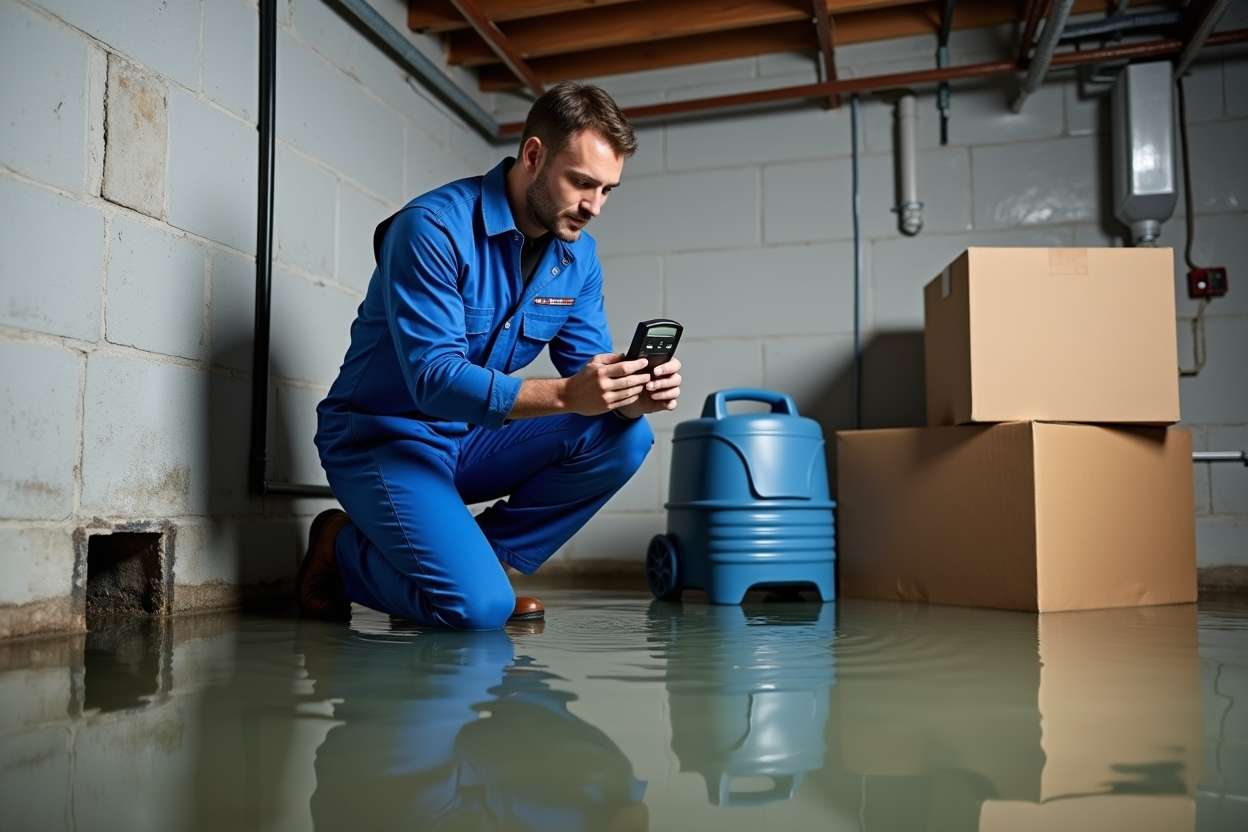
Imagine waking up to a flooded basement, your belongings floating like little boats in a murky pool. Sounds like a nightmare, right? Well, that’s the reality for many homeowners who rely on sump pumps — and especially those whose pumps fail when they’re needed most. In this article, we’re diving deep into the risks of water damage from faulty sump pumps, and how you can protect your home with the help of professional restoration services.
Whether you’re dealing with a minor leak or a full-blown basement flood, understanding the risks and solutions can save you thousands of dollars and a whole lot of stress. Let’s break it down.
Outline
- How Sump Pumps Work and Why They Matter
- Common Causes of Sump Pump Failure
- The Real Risks of Water Damage from Faulty Sump Pumps
- How to Prevent Water Damage and Protect Your Property
- Why Professional Restoration Services Are a Must
How Sump Pumps Work and Why They Matter
Sump pumps are like the unsung heroes of your home’s defense system. Tucked away in your basement or crawlspace, they quietly pump out excess water that collects in a sump basin, usually during heavy rain or flooding. Their job? Keep your home dry and your foundation safe.
When working properly, a sump pump activates automatically when water levels rise. It then channels the water away from your home’s foundation through a discharge pipe. But when it fails? That’s when the trouble starts.
Without a functioning sump pump, water can seep into your basement, damage your flooring, walls, and even your electrical systems. That’s where water damage restoration comes into play — and trust us, it’s not something you want to deal with unprepared.
Want to learn more about how to spot early signs of water damage? Check out our guide on how to identify hidden water damage early.
Common Causes of Sump Pump Failure
So, what causes these little machines to fail? Turns out, there are quite a few culprits:
- Power outages: No electricity, no pump. It’s that simple.
- Improper installation: A poorly installed sump pump is a ticking time bomb.
- Lack of maintenance: Like any machine, sump pumps need regular check-ups.
- Clogged discharge lines: If the water can’t go out, it’s staying in.
- Old age: Most pumps last about 10 years. After that, it’s a gamble.
Each of these issues can lead to serious water damage if not addressed. That’s why it’s crucial to have a backup plan — and a reliable emergency service provider on speed dial.
Need help figuring out if your sump pump is up to snuff? Our team at Projekt Restoration is COMMITTED TO QUALITY SERVICE. Call Us Now! 855-933-7935 for Fast, Friendly and Professional Service.
The Real Risks of Water Damage from Faulty Sump Pumps
Let’s talk about what happens when your sump pump fails and water starts creeping in. The damage can be extensive — and expensive.
Structural damage is one of the biggest concerns. Water weakens wood, corrodes metal, and can even crack your foundation. Then there’s mold growth, which can start in as little as 24 hours. Mold not only damages your property but also poses serious health risks.
And don’t forget about your belongings. Furniture, electronics, family heirlooms — once they’re waterlogged, they may be beyond saving. That’s why mold remediation and reconstruction services are often necessary after a flood.
In some cases, water damage can even lead to biohazard clean up if sewage or contaminated water is involved. Yikes.
Want to see real-life examples of what water damage can do? Browse our gallery for before-and-after shots of our property restoration work.
How to Prevent Water Damage and Protect Your Property
Now that we’ve scared you a little (sorry, not sorry), let’s talk prevention. Because the best way to deal with water damage is to stop it before it starts.
Here are some practical tips:
- Install a battery backup: This keeps your sump pump running during power outages.
- Schedule regular maintenance: Clean the pump, check the float switch, and test it monthly.
- Inspect discharge lines: Make sure they’re clear and draining away from your home.
- Upgrade your system: If your pump is over 10 years old, consider replacing it.
And if disaster does strike? Don’t panic. Call in the pros. Our restoration services cover everything from fire damage restoration to water damage and mold cleanup. We’ve got your back.
Want to know how our process works? Visit our How It Works page for a step-by-step breakdown.
Why Professional Restoration Services Are a Must
Sure, you could try to DIY your way through a flood cleanup. But unless you’ve got industrial-grade drying equipment and a background in construction, it’s probably not your best bet.
Professional restoration teams like ours bring the tools, training, and experience needed to fully restore your home. We don’t just dry things out — we assess the damage, remove mold, repair structures, and ensure your home is safe and livable again.
At Projekt Restoration, customer satisfaction is our top priority. We offer 24/7 emergency service, and our team is trained in everything from biohazard clean up to full-scale reconstruction services.
Still have questions? Our FAQ section has answers to the most common concerns.
Conclusion
Faulty sump pumps might seem like a small issue — until they’re not. Water damage can spiral out of control fast, leading to costly repairs, health hazards, and a whole lot of stress. But with the right knowledge, tools, and team on your side, you can protect your home and your peace of mind.
Don’t wait for disaster to strike. Be proactive, stay informed, and remember — when in doubt, call the pros at Projekt Restoration. We’re here to help, 24/7.
Frequently Asked Questions
What should I do immediately after my sump pump fails?
First, cut off the power to avoid electrical hazards. Then, remove as much water as possible using a wet/dry vacuum or pump. Finally, call a water damage restoration expert to assess and mitigate the damage.
How can I tell if my sump pump is failing?
Warning signs include strange noises, constant running, irregular cycling, or visible rust. If your basement smells musty or you notice damp spots, it might be time to inspect your pump or call for restoration services.
Is water damage covered by homeowners insurance?
It depends on your policy. Sudden and accidental damage is often covered, but gradual issues or lack of maintenance may not be. Always check with your insurer and consider adding sump pump failure coverage.
Can mold grow after a sump pump failure?
Absolutely. Mold can begin to grow within 24-48 hours of water exposure. That’s why mold remediation is a crucial part of the restoration process after a flood.
Why choose Projekt Restoration for water damage restoration?
We offer fast, friendly, and professional service with a focus on customer satisfaction. Our team is trained in fire damage restoration, biohazard clean up, and full reconstruction services. Plus, we’re COMMITTED TO QUALITY SERVICE — call us anytime at 855-933-7935.