24 / 7 / 365 Emergency Service

Fire Damage Risks in Abandoned Properties

Understanding the Fire Hazards in Abandoned Properties

Let’s face it—abandoned properties are like ticking time bombs when it comes to fire hazards. These neglected structures often become hotspots for all sorts of dangers, especially fire. But why is that? Well, when a property is left unattended, it becomes vulnerable to a range of issues: faulty wiring, flammable debris, vandalism, and even squatters lighting fires to stay warm. All of these factors create a perfect storm for potential fire outbreaks.

Unlike occupied homes, abandoned buildings don’t benefit from regular maintenance or inspections. That means small issues—like a frayed wire or a leaking gas line—can go unnoticed until it’s too late. And once a fire starts, it spreads fast. Without anyone around to call emergency services, the damage can be catastrophic, not just to the property itself but to surrounding areas as well.

Fire damage in these properties can also lead to secondary issues like water damage from firefighting efforts, mold growth, and even structural instability. That’s why fire damage restoration and property restoration services are crucial. They don’t just clean up the mess—they help prevent future disasters.

At Projekt Restoration, we understand the complexities of dealing with abandoned properties. Our team is trained to assess risks, provide fire damage restoration, and offer comprehensive solutions including mold remediation, biohazard clean up, and reconstruction services. We’re COMMITTED TO QUALITY SERVICE. Call Us Now! 855-933-7935 for Fast, Friendly and Professional Service.

Common Causes of Fire in Abandoned Buildings

So, what exactly causes fires in these forgotten structures? The list is longer than you might think. First off, electrical issues are a biggie. Old, exposed wiring left unchecked can spark a fire in seconds. Then there’s arson—yes, people do set fires on purpose, especially in buildings that seem like no one cares about them. It’s sad but true.

Another major culprit? Flammable materials. Abandoned properties often become dumping grounds for trash, old furniture, and other debris. These items are like kindling for a fire. Add in the possibility of squatters using open flames for heat or cooking, and you’ve got a recipe for disaster.

Weather can also play a role. In dry, hot climates, even a small spark can ignite a blaze. And let’s not forget about natural gas leaks. Without regular inspections, gas lines can deteriorate and become a silent but deadly threat.

Understanding these causes is the first step in prevention. If you own or manage an abandoned property, it’s essential to have it inspected regularly. And if fire damage has already occurred, don’t wait—contact a professional restoration company like Projekt Restoration. We offer everything from water damage restoration to emergency service response, ensuring your property is safe and secure.

The Domino Effect: How Fire Damage Leads to Other Hazards

Fire damage doesn’t just stop at charred walls and smoky ceilings. It’s like knocking over the first domino—everything else starts to fall apart. Once a fire has ravaged a property, the aftermath can be just as dangerous as the blaze itself.

Let’s talk water damage. Firefighters use thousands of gallons of water to put out a fire. That water doesn’t just disappear—it seeps into walls, floors, and foundations. If not properly dried, it creates the perfect environment for mold to thrive. That’s where mold remediation becomes essential.

Then there’s structural damage. Fire weakens wood, melts metal, and compromises the integrity of a building. Walking into a fire-damaged property without proper assessment is like walking on a tightrope without a safety net. You never know when the floor might give out.

And let’s not forget about biohazards. Fires can release toxic chemicals from burned materials, creating a health hazard for anyone who enters the building. That’s why biohazard clean up is a critical part of the restoration process.

At Projekt Restoration, we don’t just stop at putting out the fire. Our comprehensive approach includes water damage restoration, mold removal, and structural repairs. We’re here to help you pick up the pieces and rebuild safely.

Why Professional Restoration Services Are Essential

Let’s be real—cleaning up after a fire isn’t a DIY job. You need the pros. Why? Because professional restoration services bring the tools, training, and experience needed to handle the mess safely and efficiently.

Think about it: would you try to fix your own car engine without any mechanical knowledge? Probably not. The same logic applies here. Fire damage restoration involves more than just scrubbing soot off walls. It requires specialized equipment to remove smoke odor, industrial-grade dehumidifiers for drying out water damage, and safety gear for handling hazardous materials.

Plus, time is of the essence. The longer you wait, the worse the damage gets. Mold can start growing within 24-48 hours of water exposure. Structural issues can escalate. And insurance claims? They’re a nightmare if you don’t act fast.

That’s why Projekt Restoration offers emergency service 24/7. Whether it’s the middle of the night or a holiday weekend, we’re just a phone call away. Our team is trained in all aspects of property restoration, from fire and water damage to mold and biohazards. We’re not just restoring buildings—we’re restoring peace of mind.

Steps to Prevent Fire Damage in Abandoned Properties

Prevention is always better than cure, right? So, how can you keep abandoned properties from going up in flames? It starts with vigilance and a solid plan.

First, secure the property. Board up windows, lock doors, and install fencing if needed. This keeps out trespassers who might accidentally (or intentionally) start a fire. Next, remove flammable materials. Clear out trash, old furniture, and anything else that could act as fuel for a fire.

Regular inspections are a must. Hire professionals to check for electrical issues, gas leaks, and structural weaknesses. If you’re not sure where to start, reach out to a restoration expert like Projekt Restoration. We can assess the property and recommend preventive measures.

Consider installing security cameras or motion detectors. These not only deter vandals but also alert you to any suspicious activity. And if a fire does break out, early detection can make all the difference.

Finally, have a restoration plan in place. Know who to call and what steps to take. Our team offers fire damage restoration, reconstruction services, and more. We’re here to help you stay one step ahead of disaster.

The Role of Emergency Services in Fire Damage Control

When disaster strikes, every second counts. That’s where emergency services come in. These are the first responders who jump into action to contain the fire, rescue anyone inside, and minimize damage. But their role doesn’t end when the flames are out.

After the fire is extinguished, emergency restoration teams step in. They assess the damage, secure the property, and begin the cleanup process. This includes everything from water extraction to smoke odor removal. It’s a race against time to prevent further damage and begin the recovery process.

At Projekt Restoration, we offer 24/7 emergency service because we know that disasters don’t wait for business hours. Whether it’s a holiday, weekend, or the middle of the night, our team is ready to respond. We coordinate with local fire departments and insurance companies to ensure a smooth, efficient restoration process.

Our goal? Customer satisfaction. We’re not just fixing buildings—we’re helping people get their lives back on track. From the first call to the final walkthrough, we’re with you every step of the way.

Rebuilding After Fire: Reconstruction Services Explained

Once the smoke clears and the debris is removed, it’s time to rebuild. That’s where reconstruction services come into play. This phase is all about turning a damaged property back into a livable, functional space.

Reconstruction isn’t just about slapping on a new coat of paint. It involves structural repairs, electrical rewiring, plumbing fixes, and more. Every detail matters, from the foundation to the roof. And it all has to meet current building codes and safety standards.

At Projekt Restoration, we handle the entire reconstruction process. Our team works closely with architects, engineers, and contractors to ensure quality workmanship and timely completion. We also help you navigate insurance claims, permits, and inspections.

Whether it’s a single room or an entire building, we treat every project with the same level of care and professionalism. Because at the end of the day, it’s not just about rebuilding structures—it’s about restoring lives.

Conclusion

Fire damage in abandoned properties is a serious issue that can spiral out of control if not addressed properly. From understanding the risks to taking preventive measures and relying on professional restoration services, every step matters. At Projekt Restoration, we’re here to help you navigate the chaos and come out stronger on the other side.

We offer a full range of services including water damage restoration, fire damage restoration, mold remediation, biohazard clean up, and reconstruction services. Our commitment to customer satisfaction and quality service sets us apart. Call Us Now! 855-933-7935 for Fast, Friendly and Professional Service.

What should I do immediately after discovering fire damage in an abandoned property?

First, ensure your safety and avoid entering the property. Then, contact emergency services and a professional restoration company like Projekt Restoration. We’ll assess the damage and begin the restoration process promptly.

Can fire damage lead to mold growth?

Absolutely. The water used to extinguish fires can seep into walls and floors, creating the perfect environment for mold. That’s why we offer both water damage and mold remediation services to prevent further issues.

How long does fire damage restoration take?

It depends on the extent of the damage. Minor repairs might take a few days, while major reconstruction can take weeks. We provide a detailed timeline after our initial assessment to keep you informed every step of the way.

Is it safe to enter a fire-damaged building?

Not without professional clearance. Fire can weaken structures and release hazardous materials. Always wait for a certified inspector or restoration expert to deem the property safe before entering.

Do you work with insurance companies?

Yes, we do! We assist with documentation, claims, and communication to make the process as smooth as possible. Our goal is to reduce your stress and get your property restored quickly and efficiently.

How to Prevent Mold in Commercial Storage Units

Mold growth in commercial storage units can lead to serious damage, costly repairs, and potential health risks. Whether you’re storing important documents, inventory, or equipment, knowing how to prevent mold in commercial storage units is essential for maintaining a clean and safe environment. At COMMITTED TO QUALITY SERVICE, we understand the importance of protecting your assets. Our team offers fast, friendly, and professional service, specializing in water damage restoration and fire damage recovery. With the right preventative measures—such as controlling humidity, ensuring proper ventilation, and addressing water leaks promptly—you can significantly reduce the risk of mold. If your storage facility has experienced water damage, our expert technicians use advanced equipment to dry and restore affected areas efficiently. Call us now at 855-933-7935 to learn more about our comprehensive mold prevention and restoration services.

Understand the Causes of Mold Growth

Mold growth in commercial storage units is a common yet often overlooked issue that can lead to significant property damage, health risks, and financial losses. Understanding the root causes of mold is essential for implementing effective prevention strategies. Mold is a type of fungus that thrives in moist, warm, and poorly ventilated environments. It reproduces through microscopic spores that are present in the air and can settle on various surfaces. When these spores find the right conditions—typically moisture, organic material, and the right temperature—they begin to grow and spread rapidly. This makes commercial storage units, which often lack proper airflow and may contain organic materials like cardboard, wood, or fabric, particularly vulnerable.

One of the primary causes of mold in storage units is excess moisture. Moisture can enter a storage unit in several ways, including leaks in the roof or walls, condensation due to temperature fluctuations, or high humidity levels. According to the Environmental Protection Agency (EPA), indoor relative humidity should be kept below 60 percent—ideally between 30 and 50 percent—to prevent mold growth. When humidity levels rise above this threshold, the risk of mold increases significantly. This is especially true in regions with humid climates or during rainy seasons when moisture intrusion is more likely.

Another major contributor to mold growth is poor ventilation. Without adequate airflow, moisture becomes trapped inside the unit, creating a damp environment that is ideal for mold development. Many commercial storage units are sealed tightly to protect stored items from external elements, but this can inadvertently lead to stagnant air and increased humidity. Installing proper ventilation systems or using dehumidifiers can help mitigate this risk by promoting air circulation and reducing moisture levels.

Temperature also plays a crucial role in mold proliferation. Mold tends to grow best in temperatures between 77 and 86 degrees Fahrenheit, although some species can thrive in colder or warmer conditions. Storage units that are not climate-controlled may experience significant temperature fluctuations, especially in areas with extreme weather conditions. These fluctuations can lead to condensation on walls, ceilings, and stored items, further contributing to mold growth.

The materials stored within the unit can also influence mold development. Organic materials such as paper, cardboard, wood, and textiles are particularly susceptible to mold when exposed to moisture. These materials not only provide a food source for mold but also absorb and retain moisture, creating a self-sustaining environment for fungal growth. It is essential to store items in plastic containers with tight-fitting lids and to avoid placing items directly on the floor, where they are more likely to come into contact with moisture.

Water damage is another significant factor that can lead to mold in commercial storage units. Leaks from plumbing systems, roof damage, or flooding can introduce large amounts of water into a unit, creating the perfect breeding ground for mold. Even small leaks, if left unaddressed, can result in mold infestations over time. According to the Federal Emergency Management Agency (FEMA), mold can begin to grow within 24 to 48 hours after water exposure. This highlights the importance of prompt water damage restoration and regular inspections to detect and repair leaks early. For more information on how to address water-related issues, visit our water damage page.

In addition to environmental factors, human behavior can also contribute to mold growth. Improperly stored items, such as wet or damp belongings, can introduce moisture into the unit. Failing to clean and dry items before storage, or placing them in sealed containers while still damp, can create localized pockets of humidity that encourage mold development. It is crucial to ensure that all items are thoroughly dried and cleaned before being placed in storage.

To illustrate the various causes of mold growth, consider the following examples:

  1. A storage facility in a coastal area experiences high humidity levels year-round. Without dehumidifiers or climate control, moisture accumulates inside the units, leading to widespread mold issues.
  2. A tenant stores cardboard boxes directly on the concrete floor of a unit. During a rainy season, water seeps through the floor, saturating the boxes and causing mold to grow on the contents.
  3. A leaking pipe in the ceiling of a storage unit goes unnoticed for several weeks. The constant drip creates a damp environment, resulting in mold growth on stored furniture and fabrics.

“Mold can start growing within 24 to 48 hours of water exposure, making early detection and prevention critical.” — FEMA

To prevent mold, it is essential to understand these underlying causes and take proactive measures. Regular inspections, proper ventilation, climate control, and careful storage practices can significantly reduce the risk of mold in commercial storage units. Additionally, investing in professional mold remediation services can help address existing issues and prevent future outbreaks. Learn more about our expert solutions by visiting our mold remediation page.

For those seeking more information on how to identify early signs of water damage, which often precedes mold growth, our detailed guide on how to identify hidden water damage early offers valuable insights. Understanding these signs can help facility managers and tenants take timely action to prevent mold before it becomes a serious problem.

In conclusion, mold growth in commercial storage units is primarily driven by moisture, poor ventilation, temperature fluctuations, and the presence of organic materials. By recognizing these factors and implementing preventive measures, property owners and tenants can protect their belongings and maintain a safe, mold-free environment. For more information about our company and our commitment to quality service, visit our about page.

Choose the Right Location for Your Storage Unit

When it comes to preventing mold in commercial storage units, one of the most critical yet often overlooked factors is the location of the storage facility. The geographical and environmental conditions of a storage unit’s location can significantly influence the likelihood of mold growth. Choosing the right location is not just about convenience or cost; it is about ensuring that your stored items remain safe, dry, and mold-free over time. Mold thrives in damp, humid environments, so selecting a storage unit in an area with low humidity and minimal exposure to water-related risks is essential. For instance, avoid facilities located in flood-prone zones, near large bodies of water, or in regions with consistently high humidity levels. These areas are more susceptible to moisture intrusion, which can create the perfect breeding ground for mold spores.

Another important consideration is the elevation of the storage facility. Units located at or below ground level are more likely to experience water seepage, especially during heavy rains or snow melts. Opting for a facility that is elevated or has proper drainage systems in place can significantly reduce the risk of water accumulation and subsequent mold growth. Additionally, the construction and maintenance of the building itself play a vital role. Look for facilities that are well-maintained, with no visible signs of water damage, leaks, or structural issues. A well-constructed facility with proper insulation and ventilation will help regulate temperature and humidity levels, making it less conducive to mold development.

Proximity to your business or operational hub is also a factor to consider, but it should not outweigh the importance of environmental safety. While it may be tempting to choose a nearby facility for convenience, it is more important to ensure that the location supports long-term preservation of your stored items. Take the time to research the facility’s history and reputation. Ask about any past incidents of water damage or mold issues and inquire about the preventive measures they have in place. Visiting the site in person can provide valuable insights into its condition and suitability for your storage needs.

Moreover, consider the climate control options available at the facility. A location that offers climate-controlled units can be a game-changer in mold prevention. These units maintain consistent temperature and humidity levels, which are crucial in preventing moisture buildup. Even in areas with fluctuating weather conditions, a climate-controlled environment can provide a stable setting that protects your items from mold and mildew. It is also beneficial to choose a facility that conducts regular inspections and maintenance. Routine checks for leaks, ventilation issues, and signs of mold can help catch problems early before they escalate.

Accessibility and security are additional factors that indirectly impact mold prevention. A secure facility with controlled access reduces the chances of unauthorized entry, which can lead to accidental damage or exposure to moisture. Furthermore, easy access allows you to regularly inspect your unit and ensure that everything remains in good condition. Regular visits enable you to spot early signs of mold or moisture and take corrective action promptly.

Incorporating professional guidance can also be a wise decision when selecting a storage location. Consulting with experts in property restoration and mold prevention can provide you with tailored advice based on your specific needs and the nature of the items you plan to store. For more information about how professionals can assist in maintaining a mold-free environment, you can explore our services page. Additionally, understanding the broader scope of our work and commitment to quality can be found on our about page.

Ultimately, the right location for your commercial storage unit is one that combines environmental safety, structural integrity, and proactive maintenance. By prioritizing these factors, you can significantly reduce the risk of mold and ensure that your stored items remain in excellent condition. Taking the time to evaluate and choose the best possible location is a proactive step that pays off in the long run, protecting your investments and giving you peace of mind.

Inspect Units Regularly for Signs of Moisture

One of the most effective ways to prevent mold growth in commercial storage units is through consistent and thorough inspections for any signs of moisture. Mold thrives in damp, humid environments, and even a small amount of unnoticed moisture can lead to significant mold problems over time. Regular inspections help identify early warning signs such as condensation on walls or ceilings, musty odors, water stains, or visible mold spots. These checks should be conducted routinely, especially after heavy rainfall, high humidity periods, or any incidents involving water leaks. It’s essential to examine not only the visible areas but also hidden corners, behind stored items, and around HVAC systems or plumbing fixtures where moisture can accumulate unnoticed. Early detection allows for prompt action, such as drying out affected areas, repairing leaks, or improving ventilation, which can significantly reduce the risk of mold development. For businesses managing multiple units, creating a checklist and schedule for inspections can streamline the process and ensure no area is overlooked. Additionally, educating staff on what to look for during inspections can enhance the effectiveness of these efforts. If signs of moisture or mold are found, it’s crucial to act quickly and consult professionals who specialize in mold remediation to assess and address the issue properly. Understanding the importance of moisture control is part of a broader strategy to maintain a clean and safe storage environment. For more information on how moisture can lead to hidden damage, visit our guide on how to identify hidden water damage early. Regular inspections not only protect stored goods but also preserve the structural integrity of the facility, ensuring long-term usability and customer satisfaction.

Control Humidity Levels Inside the Unit

Maintaining optimal humidity levels is one of the most effective strategies to prevent mold growth in commercial storage units. Mold thrives in environments where moisture levels are consistently high, typically above 60 percent relative humidity. Therefore, controlling humidity is not just a preventative measure but a necessity for preserving the integrity of stored items and ensuring a safe, mold-free environment. Commercial storage units often house valuable inventory, documents, equipment, or furniture, all of which can be severely damaged by mold. By implementing proper humidity control methods, business owners can protect their assets and avoid costly remediation efforts.

The first step in managing humidity is to understand the climate and environmental conditions of the storage facility. In regions with high ambient humidity, storage units are more susceptible to moisture accumulation. Even in drier climates, fluctuations in temperature can cause condensation, especially in poorly insulated units. To combat this, it is essential to install a reliable HVAC system that includes dehumidification capabilities. These systems help regulate both temperature and humidity, creating a stable environment that discourages mold growth. Regular maintenance of HVAC systems is also crucial to ensure they function efficiently and do not become sources of moisture themselves.

Another effective method to control humidity is the use of standalone dehumidifiers. These devices are particularly useful in units that store sensitive materials or in facilities without central climate control. Dehumidifiers should be appropriately sized for the space and monitored regularly to ensure they are operating effectively. Some advanced models come with hygrometers that provide real-time humidity readings, allowing for precise adjustments. It is advisable to keep humidity levels between 30 and 50 percent to minimize the risk of mold development.

Proper ventilation is equally important in maintaining low humidity levels. Storage units should be designed or retrofitted to allow for adequate air circulation. This can be achieved through the installation of vents, exhaust fans, or even by periodically opening the unit to allow fresh air to enter. Good airflow helps disperse moisture and prevents it from settling on surfaces where mold spores can take hold. For larger commercial storage facilities, implementing a mechanical ventilation system may be necessary to ensure consistent air exchange throughout the space.

Moisture barriers and insulation also play a significant role in humidity control. Walls, floors, and ceilings should be sealed with vapor barriers to prevent moisture intrusion from the outside. Insulation helps maintain a consistent internal temperature, reducing the likelihood of condensation forming on surfaces. Additionally, using moisture-absorbing materials such as silica gel packets or desiccant dehumidifiers inside the unit can provide an extra layer of protection, especially in smaller or enclosed spaces.

Regular inspections and maintenance are key to identifying and addressing potential humidity issues before they lead to mold growth. Facility managers should routinely check for signs of water intrusion, such as damp spots, condensation, or musty odors. Monitoring tools like digital hygrometers can be installed to provide continuous data on humidity levels, enabling prompt corrective action when necessary. If any signs of mold or excessive moisture are detected, it is crucial to act quickly to mitigate the problem and prevent it from spreading.

In addition to mechanical solutions, the way items are stored can influence humidity levels. Avoid placing items directly against walls or on the floor, as this can restrict airflow and trap moisture. Instead, use shelving units to elevate items and allow air to circulate freely around them. Choose storage containers made of plastic with tight-fitting lids rather than cardboard, which can absorb moisture and become a breeding ground for mold. Labeling and organizing items can also make it easier to conduct regular inspections and spot any early signs of moisture damage.

For businesses that require professional assistance in managing humidity and preventing mold, working with a trusted restoration company can be invaluable. At Projekt Restoration, we offer comprehensive solutions tailored to the unique needs of commercial storage facilities. Our team of experts can assess your unit, recommend appropriate humidity control measures, and provide ongoing support to ensure a mold-free environment. Whether you are dealing with existing mold issues or looking to implement preventative strategies, our services are designed to deliver peace of mind and long-term protection.

Understanding the science behind humidity and mold growth is essential for effective prevention. Mold spores are naturally present in the air, but they require moisture to grow and spread. By eliminating excess humidity, you remove one of the critical elements mold needs to thrive. This proactive approach not only safeguards your stored items but also contributes to a healthier indoor environment, reducing the risk of respiratory issues and other health problems associated with mold exposure.

If you are unsure about the current condition of your storage unit or need guidance on best practices, our team is here to help. Visit our contact page to get in touch with our specialists and schedule a consultation. We are committed to helping businesses maintain clean, safe, and efficient storage environments through expert advice and professional services.

In conclusion, controlling humidity levels inside commercial storage units is a fundamental aspect of mold prevention. Through a combination of climate control systems, dehumidifiers, proper ventilation, insulation, and smart storage practices, business owners can significantly reduce the risk of mold damage. Regular monitoring and maintenance further enhance these efforts, ensuring that any potential issues are addressed promptly. By taking these proactive steps, you not only protect your assets but also create a more reliable and professional storage solution for your business needs.

Use Mold-Resistant Materials and Products

One of the most effective strategies for preventing mold in commercial storage units is the use of mold-resistant materials and products during construction, renovation, or maintenance. Mold thrives in environments where moisture is present and organic materials like wood, drywall, or fabric provide a food source. By incorporating materials specifically designed to resist mold growth, you can significantly reduce the risk of contamination and protect the integrity of stored items. Mold-resistant drywall, for example, is treated with fiberglass instead of paper facing, which makes it less susceptible to moisture absorption and mold colonization. Similarly, mold-resistant insulation, such as closed-cell spray foam, not only provides thermal efficiency but also acts as a barrier against moisture intrusion.

Flooring choices also play a crucial role in mold prevention. Opting for non-porous materials like sealed concrete, vinyl, or ceramic tiles can help prevent moisture from seeping in and creating a breeding ground for mold. These materials are easier to clean and maintain, making them ideal for high-traffic commercial storage environments. Additionally, using mold-resistant paint on walls and ceilings adds another layer of protection. These paints contain antimicrobial agents that inhibit mold growth, especially in areas prone to high humidity.

Ventilation and air circulation are equally important when using mold-resistant materials. Even the most advanced products can fail if the environment remains damp and poorly ventilated. Installing dehumidifiers and ensuring proper HVAC maintenance can complement the use of mold-resistant materials by keeping humidity levels in check. For storage units located in flood-prone or high-humidity areas, it’s advisable to install vapor barriers and moisture-resistant wall panels to further safeguard against mold.

When selecting mold-resistant products, it’s essential to consult with professionals who understand the unique needs of commercial storage facilities. Working with experts ensures that the right materials are chosen and installed correctly. For more information about the services available to help protect your facility, visit our services page. You can also learn more about our team and their expertise by exploring the about section.

Incorporating mold-resistant materials is not just a preventive measure but a long-term investment in the safety and durability of your commercial storage unit. It minimizes the risk of costly mold remediation, protects valuable inventory, and ensures a healthier environment for employees and clients. By taking proactive steps and using the right materials, you can maintain a mold-free facility that stands the test of time.

Ensure Proper Ventilation Throughout the Facility

Maintaining adequate airflow is one of the most effective strategies for preventing mold growth in commercial storage units. Mold thrives in environments with high humidity and stagnant air, making proper ventilation a critical component in mold prevention. When air circulates freely throughout a facility, it helps regulate temperature and moisture levels, reducing the likelihood of condensation and dampness—two key contributors to mold development. Commercial storage units often house a variety of items, including paper documents, electronics, textiles, and furniture, all of which are susceptible to mold damage if exposed to prolonged moisture. By ensuring that air can move consistently throughout the space, you create an environment that is less hospitable to mold spores.

There are several practical steps facility managers can take to improve ventilation. Installing exhaust fans, especially in areas prone to moisture buildup such as basements or corners of large storage rooms, can significantly enhance air exchange. These fans help remove humid air and replace it with drier, fresh air from outside. Additionally, using dehumidifiers in conjunction with fans can further reduce indoor humidity levels, especially in climates where moisture is a persistent issue. For larger facilities, incorporating a mechanical ventilation system that includes air ducts and vents strategically placed throughout the unit can ensure even distribution of airflow. Regular maintenance of HVAC systems is also essential, as clogged filters and dirty ducts can impede airflow and contribute to moisture retention.

Natural ventilation methods should not be overlooked either. Whenever possible, opening windows and doors during dry weather can allow fresh air to circulate and help dry out any damp areas. However, this should be done cautiously to avoid introducing outdoor humidity into the space. Monitoring tools such as hygrometers can be used to track humidity levels and ensure they remain below 60 percent, which is generally considered safe for mold prevention. In addition, facility managers should conduct routine inspections to identify any areas where air circulation is poor or where moisture tends to accumulate. These inspections can help catch potential problems early, allowing for timely intervention before mold has a chance to develop.

Another important consideration is the layout of the storage unit itself. Overcrowding can restrict airflow and create pockets of stagnant air where mold can flourish. Items should be stored with adequate spacing between them and away from walls to allow air to circulate freely. Using shelving units instead of stacking boxes directly on the floor can also improve airflow and reduce the risk of moisture buildup. Furthermore, choosing storage materials that are less prone to absorbing moisture, such as plastic bins with tight-fitting lids, can offer an added layer of protection against mold.

Incorporating mold-resistant building materials during construction or renovation can also support better ventilation and moisture control. Materials like mold-resistant drywall, paint, and insulation can help reduce the risk of mold growth, especially in areas that are difficult to ventilate adequately. Facility managers should also consider sealing any cracks or gaps in walls, ceilings, and floors that might allow moisture to seep in and compromise the indoor air quality. Sealing these entry points not only helps maintain a consistent indoor environment but also supports the overall effectiveness of the ventilation system.

In the event that mold is already present or suspected, it is crucial to address the issue promptly and professionally. Mold remediation experts can assess the extent of the problem and implement targeted solutions to eliminate mold and prevent its recurrence. For more information on professional mold removal and prevention services, visit our mold remediation page. Additionally, understanding the underlying causes of mold, such as hidden water leaks or poor ventilation, can help prevent future outbreaks. You can learn more about identifying early signs of water damage by visiting our guide on how to identify hidden water damage early.

Ultimately, ensuring proper ventilation is not just about comfort—it is a proactive measure that protects the integrity of stored items and the health of individuals who access the facility. By implementing a comprehensive ventilation strategy that includes mechanical systems, natural airflow, regular maintenance, and thoughtful storage practices, commercial storage unit operators can significantly reduce the risk of mold growth. This approach not only preserves the value of stored goods but also contributes to a cleaner, safer, and more efficient storage environment.

Keep Stored Items Clean and Dry

One of the most effective ways to prevent mold growth in commercial storage units is by ensuring that all stored items are clean and completely dry before placing them into storage. Mold thrives in damp, organic materials, so even a small amount of moisture or organic residue can create the perfect environment for mold spores to settle and multiply. Before storing any items, especially textiles, furniture, paper products, or electronics, it is crucial to clean them thoroughly to remove dust, dirt, and any organic matter. For example, upholstered furniture should be vacuumed and, if necessary, professionally cleaned to eliminate any lingering moisture or contaminants. Similarly, clothing and linens should be washed and completely dried before packing. Using airtight plastic containers or vacuum-sealed bags can also help protect sensitive items from humidity and airborne mold spores.

In addition to cleaning, drying items thoroughly is essential. Even a slightly damp item can raise the humidity level inside a storage unit, creating a microclimate conducive to mold growth. This is particularly important for items that may have been exposed to water or high humidity prior to storage. If you are unsure whether an item is fully dry, it is best to let it air out in a well-ventilated area for an extended period before storing it. For businesses that frequently store inventory or equipment, implementing a standard operating procedure for cleaning and drying items before storage can significantly reduce the risk of mold contamination.

Proper packing materials also play a vital role in keeping stored items dry. Avoid using cardboard boxes for long-term storage, especially in areas prone to humidity, as cardboard can absorb moisture and become a breeding ground for mold. Instead, opt for plastic bins with tight-fitting lids. Desiccant packets or moisture absorbers can be placed inside containers to help control humidity levels. Additionally, avoid stacking items directly against walls or on the floor of the storage unit. Elevating items on pallets or shelves allows for better air circulation and reduces the risk of moisture transfer from the ground or walls.

Regular inspections of stored items can help catch early signs of mold before it spreads. Look for musty odors, discoloration, or visible mold spots, and take immediate action if any of these signs are present. If mold is detected, it is advisable to consult with professionals who specialize in mold remediation to ensure safe and effective removal. Businesses that store high-value or sensitive items may also benefit from climate-controlled storage units, which maintain consistent temperature and humidity levels to further protect against mold.

For those seeking more information about best practices in storage and mold prevention, exploring the blog section of our website can provide valuable insights. Additionally, understanding the broader scope of our services can help you identify other areas where mold prevention strategies can be applied, especially if your business has previously experienced water damage or other environmental challenges. Taking proactive steps to keep stored items clean and dry is not just about preserving inventory—it is a critical component of maintaining a healthy, mold-free commercial environment.

Avoid Storing Organic Materials Without Protection

Organic materials such as paper, cardboard, fabric, leather, and untreated wood are highly susceptible to mold growth when stored in commercial storage units without proper protection. These materials naturally absorb moisture from the air, creating an ideal environment for mold spores to thrive. When left unprotected, even a slight increase in humidity or a minor water leak can lead to significant mold infestations, which not only damage the stored items but also compromise the air quality within the storage unit. To prevent this, it is essential to store organic materials in airtight plastic containers or vacuum-sealed bags that act as a barrier against moisture. Additionally, using desiccants like silica gel packets inside containers can help absorb excess humidity and further reduce the risk of mold development.

Another critical step is to ensure that the storage unit itself maintains a stable, low-humidity environment. Investing in climate-controlled storage units can make a significant difference, especially in regions with high humidity or frequent weather fluctuations. Regular inspections of stored items and the unit’s interior can help detect early signs of moisture or mold, allowing for prompt intervention. If you notice any musty odors or visible mold spots, it is crucial to act immediately to prevent the spread of mold to other items. In such cases, professional assistance may be necessary. For more information on how to handle mold issues effectively, consider exploring our mold remediation services.

It is also important to understand the types of materials that are most vulnerable to mold and how to treat them before storage. For example, clothing and textiles should be thoroughly cleaned and completely dried before being packed away. Leather goods benefit from conditioning treatments that help repel moisture. Paper documents and books should be stored in archival-quality containers that offer both physical and environmental protection. If you are unsure about the best practices for storing specific organic materials, our team is here to help. Visit our contact page to get in touch with our experts for personalized advice.

Preventing mold in commercial storage units requires a proactive approach and attention to detail. By taking the time to properly protect organic materials before storage, you can avoid costly damage and ensure that your belongings remain in excellent condition. For a deeper understanding of how moisture can affect your storage environment and how to detect it early, check out our guide on how to identify hidden water damage early. With the right precautions and support, you can maintain a clean, mold-free storage space that preserves the integrity of your stored items.

Seal Cracks and Gaps to Prevent Water Intrusion

One of the most effective ways to prevent mold growth in commercial storage units is by thoroughly sealing all cracks and gaps that could allow water intrusion. Water is the primary catalyst for mold development, and even minor leaks or moisture seepage can create the perfect environment for mold spores to thrive. Over time, small openings in walls, ceilings, floors, or around windows and doors can allow rainwater, humidity, or condensation to enter the unit. This moisture can accumulate in hidden areas, making it difficult to detect until mold has already begun to spread. To avoid this, it is essential to conduct regular inspections of the entire storage facility, paying close attention to structural joints, plumbing fixtures, and any areas where different building materials meet. Use high-quality sealants, caulking, or weather stripping to close off these vulnerable points. Additionally, ensure that the building’s exterior is properly maintained, including the roof, gutters, and drainage systems, to direct water away from the structure. Investing in professional waterproofing services can also be a proactive step to safeguard your storage units. If you are unsure where to start, consider consulting with experts who specialize in restoration services to assess and reinforce your facility’s defenses against water intrusion. Sealing cracks and gaps not only prevents mold but also enhances the overall durability and energy efficiency of the building. For more information on how to protect your property from water-related issues, visit our detailed guide on identifying hidden water damage early. Taking these preventative measures now can save you from costly repairs and health hazards in the future.

Install Dehumidifiers or Moisture Absorbers

One of the most effective ways to prevent mold growth in commercial storage units is by managing indoor humidity levels. Mold thrives in damp, humid environments, and without proper moisture control, even the cleanest storage units can become breeding grounds for mold spores. Installing dehumidifiers or using moisture absorbers is a proactive solution that helps maintain optimal humidity levels, typically between 30 to 50 percent, which is considered safe to inhibit mold development. Dehumidifiers work by extracting excess moisture from the air, thereby reducing the chances of condensation forming on walls, floors, and stored items. This is particularly important in regions with high humidity or during rainy seasons when moisture levels naturally rise. For storage units that house sensitive materials such as paper documents, electronics, or textiles, maintaining a dry environment is crucial to preserving their integrity and value.

Moisture absorbers, such as silica gel packs, calcium chloride containers, or activated charcoal, offer a more passive yet effective method of moisture control. These are especially useful in smaller storage spaces or in areas where installing a full-scale dehumidifier may not be feasible. They are easy to place in corners, on shelves, or inside boxes, and they work silently to capture airborne moisture. Regularly replacing or recharging these absorbers ensures they remain effective over time. For larger commercial storage units, industrial-grade dehumidifiers may be necessary. These units are designed to handle higher volumes of air and can operate continuously, making them ideal for facilities that store large quantities of goods or operate in climates with persistent humidity.

In addition to installing dehumidifiers or using moisture absorbers, it is essential to monitor humidity levels consistently. Hygrometers can be placed throughout the storage unit to provide real-time data on moisture levels, allowing for timely adjustments. Some advanced dehumidifiers come with built-in hygrometers and automatic shut-off features, which help maintain consistent humidity without manual intervention. Integrating these tools into your storage unit management plan not only prevents mold but also extends the lifespan of stored items and reduces the need for costly remediation efforts.

It is also important to consider the layout and ventilation of the storage unit. Proper air circulation complements the function of dehumidifiers and moisture absorbers by ensuring that no area becomes a moisture trap. Strategically placing fans or ensuring that vents are unobstructed can enhance airflow and further reduce the risk of mold. For businesses that manage multiple storage units, implementing a centralized humidity control system can streamline maintenance and ensure uniform protection across all units.

Choosing the right type of dehumidifier or moisture absorber depends on several factors, including the size of the storage unit, the type of materials stored, and the local climate. Consulting with professionals who specialize in environmental control and mold prevention can help you select the most effective solution for your specific needs. At Projekt Restoration, we offer a range of services designed to protect your commercial property from moisture-related damage. Whether you need help selecting the right equipment or require a full assessment of your storage facility, our team is here to assist.

Preventing mold is not just about reacting to visible signs of damage; it is about implementing long-term strategies that address the root causes of moisture buildup. By incorporating dehumidifiers and moisture absorbers into your storage unit maintenance plan, you take a significant step toward safeguarding your assets and maintaining a healthy environment. For more information about our approach and commitment to quality, visit our our mission page. If you have questions about how to get started or need guidance on best practices, our FAQ section provides helpful insights.

Train Staff on Mold Prevention Practices

Proper staff training is a critical component in preventing mold growth in commercial storage units. Employees who are well-informed about mold prevention practices can significantly reduce the risk of contamination and damage to stored goods. The first step in effective training is educating staff on the causes and signs of mold. Mold thrives in environments with excess moisture, poor ventilation, and organic materials to feed on. Employees should be trained to recognize early indicators such as musty odors, discoloration on walls or stored items, and condensation on surfaces. Understanding these warning signs allows for early intervention, which is essential in preventing mold from spreading.

In addition to identifying mold, staff should be trained on proper cleaning and maintenance routines. Regular inspections of the storage facility should be part of their responsibilities, with a focus on checking for leaks, water stains, and humidity levels. Employees should know how to use moisture meters and dehumidifiers effectively, ensuring that the environment remains dry and inhospitable to mold. Training should also cover the importance of keeping storage units clean and clutter-free, as accumulated dust and debris can trap moisture and create ideal conditions for mold growth.

Another key aspect of staff training is understanding the importance of proper ventilation. Employees should be instructed on how to maintain airflow throughout the facility, including the use of fans, HVAC systems, and open vents. They should also be aware of the need to keep storage items off the floor and away from walls to promote air circulation. This not only helps prevent mold but also protects stored items from potential water damage. For more detailed guidance on moisture control and related issues, staff can refer to resources like our blog, which offers expert tips and industry insights.

Emergency preparedness is another crucial element of mold prevention training. Staff should be equipped with a clear action plan in case of water intrusion, such as from a burst pipe or roof leak. This includes knowing how to shut off water sources, whom to contact for repairs, and how to initiate immediate cleanup procedures. Employees should also be familiar with the company’s protocol for reporting and documenting any incidents that could lead to mold growth. Having a well-practiced response plan minimizes downtime and reduces the risk of mold taking hold in the facility.

Ongoing education is essential to keep staff updated on the latest mold prevention techniques and industry standards. Regular workshops, refresher courses, and access to educational materials help reinforce best practices. Encouraging staff to stay informed not only improves their performance but also fosters a culture of accountability and proactive maintenance. For a comprehensive overview of our approach to mold prevention and facility care, visit our about page to learn more about our commitment to excellence.

Finally, it is important to emphasize the role of teamwork in mold prevention. Every staff member, from maintenance personnel to management, should understand their role in maintaining a mold-free environment. Open communication and collaboration ensure that potential issues are addressed promptly and effectively. By investing in thorough and ongoing staff training, commercial storage facilities can significantly reduce the risk of mold, protect valuable assets, and maintain a safe and healthy environment for both employees and clients.

Schedule Routine Maintenance and Cleaning

One of the most effective ways to prevent mold in commercial storage units is by implementing a consistent schedule for maintenance and cleaning. Mold thrives in environments that are damp, dark, and poorly ventilated, which makes storage units particularly vulnerable if not properly maintained. Regular inspections and cleanings help identify early signs of moisture buildup, leaks, or other conditions conducive to mold growth. By catching these issues early, property managers can take corrective action before mold has a chance to develop and spread.

Routine maintenance should include checking for water leaks in roofs, walls, and plumbing systems. Even minor leaks can lead to significant mold problems if left unaddressed. Inspecting HVAC systems is also crucial, as these systems can harbor moisture and distribute mold spores throughout the facility if not properly maintained. Cleaning air filters, ducts, and vents regularly ensures that air circulation remains optimal and that humidity levels are kept in check. Additionally, ensuring that gutters and downspouts are clear and functioning properly helps divert water away from the building, reducing the risk of water intrusion.

Cleaning schedules should be tailored to the specific needs of the storage facility. High-traffic areas and units that are more prone to moisture should be cleaned more frequently. Use mold-inhibiting cleaning products and ensure that all surfaces, especially those made of porous materials, are thoroughly dried after cleaning. Floors, walls, and ceilings should be inspected for signs of discoloration, musty odors, or visible mold growth. If any of these signs are present, immediate action should be taken to address the source of moisture and remove the mold.

It is also beneficial to train staff on mold prevention techniques and the importance of routine maintenance. Employees should be encouraged to report any signs of water damage or mold immediately. Having a clear protocol in place for handling such reports ensures that issues are addressed promptly and efficiently. For more comprehensive guidance on identifying potential risks, consider reviewing resources such as how to identify hidden water damage early.

Partnering with a professional restoration company can further enhance your mold prevention strategy. These experts can provide regular inspections, advanced moisture detection, and thorough cleaning services tailored to your facility’s needs. To learn more about the range of professional solutions available, visit the services page. Additionally, understanding the company’s values and commitment to quality can be helpful, which you can explore on their our mission page.

Incorporating routine maintenance and cleaning into your operational schedule not only helps prevent mold but also extends the lifespan of your facility and ensures a safe environment for stored items. This proactive approach minimizes costly repairs and potential health risks, making it a vital component of effective storage unit management.

Respond Promptly to Water Leaks or Spills

One of the most critical steps in preventing mold growth in commercial storage units is taking immediate action when water leaks or spills occur. Mold thrives in moist environments, and even a small amount of standing water can create the perfect breeding ground for spores to develop and spread. Whether the source is a leaking pipe, a malfunctioning HVAC system, or a spill from stored items, it is essential to address the issue without delay. When water is left unattended, it can seep into walls, flooring, and stored materials, leading to long-term moisture problems that are difficult and costly to remediate. Acting quickly not only minimizes the risk of mold but also helps preserve the structural integrity of the storage unit and the condition of the items stored within it.

Early detection and response are key. Regular inspections of the storage facility can help identify potential problem areas before they escalate. If a leak is discovered, it should be repaired immediately, and the affected area should be thoroughly dried using fans, dehumidifiers, or industrial drying equipment. In cases where water damage is extensive, it may be necessary to consult professionals who specialize in water damage restoration to ensure that all moisture is effectively removed. These experts have the tools and experience to assess the full extent of the damage and implement appropriate solutions to prevent mold from taking hold.

In addition to addressing leaks and spills as they happen, it is also important to understand the underlying causes of water intrusion. Poor drainage systems, roof damage, and faulty plumbing are common culprits in commercial storage facilities. Regular maintenance and prompt repairs can significantly reduce the likelihood of these issues leading to mold growth. Facility managers should also educate staff on the importance of reporting any signs of water damage immediately, including discoloration on walls or ceilings, musty odors, or visible mold patches. By fostering a proactive approach, businesses can create a safer and healthier environment for both employees and stored goods.

Moreover, investing in moisture detection technology can be a valuable preventive measure. Devices such as hygrometers and moisture meters can help monitor humidity levels and detect hidden moisture that may not be visible to the naked eye. For more insights on identifying concealed water issues, consider reading our guide on how to identify hidden water damage early. These tools, combined with routine inspections, can provide an added layer of protection against mold development.

In situations where mold has already begun to form due to delayed response to water exposure, immediate remediation is necessary. Mold can spread rapidly and pose serious health risks, especially in enclosed environments like storage units. Professional mold remediation services can effectively eliminate mold colonies and prevent recurrence by addressing the root cause of moisture. These services often include thorough cleaning, air filtration, and the application of antimicrobial treatments to affected surfaces.

Ultimately, the key to preventing mold in commercial storage units lies in vigilance and swift action. By responding promptly to any signs of water leaks or spills, facility managers can protect their investments, maintain a clean and safe storage environment, and avoid the costly consequences of mold damage.

Monitor Weather Conditions and Prepare Accordingly

One of the most critical yet often overlooked aspects of preventing mold in commercial storage units is staying vigilant about weather conditions and preparing accordingly. Mold thrives in damp, humid environments, and changes in weather—especially during rainy seasons or periods of high humidity—can significantly increase the risk of moisture infiltration. Business owners and facility managers should regularly monitor local weather forecasts and be proactive in implementing preventive measures before adverse weather strikes. For instance, sealing any cracks or gaps in the unit’s structure can prevent rainwater from seeping in, while installing dehumidifiers or HVAC systems with humidity control can help maintain optimal indoor conditions. It is also advisable to inspect roofs, gutters, and drainage systems to ensure they are functioning properly and directing water away from the building. During seasons known for heavy rainfall or storms, increasing the frequency of inspections can help detect early signs of water intrusion, allowing for timely intervention before mold has a chance to develop.

In addition to structural precautions, consider the placement and packaging of stored items. Elevating goods off the floor using pallets or shelving can protect them from potential water damage caused by flooding or leaks. Using moisture-resistant packaging materials and avoiding plastic covers that trap condensation can also reduce the likelihood of mold growth. For facilities located in areas prone to extreme weather, investing in weatherproofing solutions such as waterproof membranes or vapor barriers can offer an added layer of protection. These measures not only safeguard the contents of the storage unit but also contribute to a healthier indoor environment by minimizing the conditions that mold spores need to flourish.

Understanding the local climate and its seasonal patterns is essential for long-term mold prevention. For example, coastal regions may experience higher humidity levels year-round, requiring more robust humidity control systems. In contrast, areas with distinct wet and dry seasons may benefit from seasonal maintenance schedules that align with weather changes. Facility managers can also benefit from consulting with professionals who specialize in environmental control and mold prevention. For more information on how to protect your commercial property, visit our services page or learn more about our mission and commitment to quality on our our mission page.

By staying informed and taking proactive steps based on weather forecasts, commercial storage unit owners can significantly reduce the risk of mold infestations. This not only protects valuable inventory and equipment but also helps maintain a safe and compliant storage environment. Regular monitoring, timely maintenance, and strategic planning are key components in creating a mold-resistant facility that stands up to the challenges posed by changing weather conditions.

Sure! Here’s a suitable FAQ section for a blog post on “How to Prevent Mold in Commercial Storage Units,” incorporating key points from earlier discussions:

Frequently Asked Questions (FAQ)

  1. Why is mold a concern in commercial storage units?
    Mold thrives in damp, poorly ventilated environments and can damage stored items, including documents, furniture, and inventory. It also poses health risks to employees and customers, making mold prevention essential for maintaining a safe and professional storage space.
  2. What are the main causes of mold in storage units?
    The primary causes include high humidity, water leaks, poor ventilation, and organic materials that provide a food source for mold. Mold can also develop from condensation or flooding if the unit is not properly sealed or maintained.
  3. How can I control humidity in my commercial storage unit?
    Use dehumidifiers to maintain indoor humidity levels below 60%. Installing a climate control system can also help regulate temperature and moisture. Regularly monitor humidity with a hygrometer to ensure optimal conditions.
  4. What steps can I take to improve ventilation?
    Ensure that your storage unit has adequate airflow by installing vents or exhaust fans. Avoid overpacking the unit, as tightly packed items can restrict air circulation and trap moisture.
  5. Are there specific materials I should avoid storing?
    Yes, avoid storing damp or organic materials like cardboard, fabric, or wood without proper protection. These materials can absorb moisture and become breeding grounds for mold.
  6. How often should I inspect my storage unit for mold?
    Conduct visual inspections at least once a month. Look for signs of water damage, musty odors, or visible mold growth. Early detection can prevent widespread contamination.
  7. What should I do if I find mold in my storage unit?
    If you discover mold, remove affected items and clean the area with a mold-killing solution. For extensive infestations, consider hiring a professional mold remediation service. Address the underlying moisture issue to prevent recurrence.
  8. Can I use mold-resistant products in my storage unit?
    Yes, using mold-resistant paint, sealants, and storage containers can help prevent mold growth. Silica gel packets and moisture absorbers can also be placed in the unit to reduce humidity.
  9. Is insurance available for mold damage in storage units?
    Some commercial property insurance policies may cover mold damage, but coverage varies. Check with your insurance provider to understand your policy and consider additional coverage if needed.
  10. How can I prevent mold when storing items long-term?
    Clean and dry all items before storage, use airtight containers, and elevate items off the floor. Regularly check the unit and maintain climate control to ensure a mold-free environment.

By following these tips and staying proactive, you can effectively prevent mold in your commercial storage unit and protect your valuable assets.

Water Damage Prevention for Vacation Rentals

Owning a vacation rental is a dream for many. But with that dream comes responsibility—especially when it comes to protecting your property from water damage. Whether it’s a leaky pipe, a sudden storm, or a guest who forgets to turn off the faucet, water damage can sneak up on you and cause thousands of dollars in repairs. The good news? You can prevent most of it with a little foresight and a solid plan.

In this guide, we’ll walk you through everything you need to know about water damage prevention for vacation rentals. We’ll also touch on related services like fire damage restoration, mold remediation, and property restoration—because when it rains, it pours (literally). Let’s dive in!

Understanding the Risks of Water Damage in Vacation Rentals

Water damage doesn’t discriminate. Whether your vacation rental is a cozy cabin in the woods or a beachside bungalow, it’s at risk. The tricky part? Water damage often starts small—like a slow drip under the sink—and escalates into a full-blown disaster if left unchecked.

Vacation rentals are especially vulnerable because they’re often unoccupied for long periods. That means a leak can go unnoticed for days or even weeks. And by the time someone discovers it, you’re looking at costly water damage restoration or even reconstruction services.

Here are some common culprits:

  • Leaky appliances (dishwashers, washing machines, water heaters)
  • Frozen or burst pipes
  • Clogged gutters and downspouts
  • Roof leaks
  • Improper drainage around the property

Understanding these risks is the first step toward prevention. And if you ever find yourself in a bind, remember that professional restoration companies like Projekt Restoration offer emergency service 24/7 to help you bounce back quickly.

Routine Inspections: Your First Line of Defense

Think of routine inspections as your vacation rental’s annual check-up. Just like you wouldn’t skip a doctor’s appointment, you shouldn’t skip inspecting your property—especially before and after peak rental seasons.

Start with a checklist. Here’s what to include:

  • Check under sinks and around appliances for leaks
  • Inspect the roof for missing shingles or signs of wear
  • Test sump pumps and drainage systems
  • Look for signs of mold or mildew (musty smells, discoloration)
  • Ensure gutters and downspouts are clear

Don’t forget to document everything. Take photos, jot down notes, and keep a maintenance log. This not only helps with insurance claims but also shows guests that you care about their safety and comfort.

And if you’re not local, consider hiring a property manager or a local restoration service to handle inspections for you. It’s a small investment that can save you thousands in the long run.

Smart Technology: Your Secret Weapon

Welcome to the future—where your vacation rental can text you if there’s a leak. Smart home technology is a game-changer when it comes to water damage prevention.

Here are a few gadgets worth investing in:

  • Smart leak detectors: These little devices sit under sinks, near water heaters, or behind toilets and alert you via app if they detect moisture.
  • Smart thermostats: Prevent frozen pipes by maintaining a consistent temperature, even when the property is vacant.
  • Water shut-off valves: Automatically turn off the water supply if a major leak is detected.

These tools are especially useful if your rental is in a remote location or if you manage multiple properties. And if something does go wrong, you can quickly call in emergency services for water damage restoration before the issue spirals out of control.

Plus, smart tech can boost your listing’s appeal. Guests love knowing they’re staying in a modern, well-maintained home. It’s a win-win!

Winterizing Your Property: A Seasonal Must

If your vacation rental is in a colder climate, winterizing isn’t optional—it’s essential. Frozen pipes are one of the leading causes of water damage in winter, and they can burst with enough force to flood an entire floor.

Here’s how to winterize like a pro:

  • Drain outdoor hoses and shut off exterior water lines
  • Insulate exposed pipes, especially in basements and attics
  • Keep the heat on (at least 55°F) even when the property is vacant
  • Open cabinet doors to let warm air circulate around pipes
  • Seal any drafts around windows and doors

It’s also smart to schedule a pre-winter inspection with a professional restoration company. They can identify vulnerabilities you might miss and offer reconstruction services if needed.

And if disaster strikes despite your best efforts, don’t panic. Companies like Projekt Restoration offer emergency service and customer satisfaction is their top priority. Just call 855-933-7935 for fast, friendly, and professional service.

Guest Education: Empowering Renters to Help

Your guests are your eyes and ears when you’re not around. So why not turn them into allies in your water damage prevention plan?

Start by creating a simple welcome guide that includes:

  • Instructions for using appliances (especially the dishwasher and washing machine)
  • Emergency contact numbers (including your restoration service provider)
  • Tips on what to do if they notice a leak or water issue

You can also include a checklist for guests to follow before checking out. For example:

  • Turn off all faucets
  • Ensure the dishwasher and washing machine are empty
  • Report any unusual smells or damp spots

Most guests want to be helpful—they just need a little guidance. And by empowering them, you reduce the risk of unnoticed issues turning into full-blown disasters.

Need help creating a guest guide? Check out our blog for templates and tips!

Partnering with a Professional Restoration Company

Even with the best prevention strategies, accidents happen. That’s why it’s crucial to have a trusted professional restoration partner on speed dial.

Projekt Restoration offers a full suite of services, including:

They’re committed to quality service and offer emergency service 24/7. Whether it’s a burst pipe or a post-fire cleanup, they’ve got your back. And with a focus on customer satisfaction, you can rest easy knowing your property is in good hands.

Want to learn more about how they work? Visit their How It Works page for a step-by-step breakdown.

Conclusion

Water damage in vacation rentals is more than just an inconvenience—it’s a threat to your investment, your guests’ safety, and your peace of mind. But with the right strategies, tools, and partners, you can prevent most issues before they start.

From routine inspections and smart tech to guest education and professional support, every step you take adds a layer of protection. And if the unexpected happens, remember that Projekt Restoration is just a call away at 855-933-7935. They’re committed to quality service and ready to help with fast, friendly, and professional service.

Protect your property, delight your guests, and enjoy the peace of mind that comes with being prepared. Because when it comes to water damage, an ounce of prevention is worth a gallon of restoration.

What are the first signs of hidden water damage in a vacation rental?

Look out for musty odors, discoloration on walls or ceilings, warped flooring, and increased humidity. These subtle signs often indicate a hidden leak. For more tips, check out our guide on how to identify hidden water damage early.

How often should I inspect my vacation rental for water damage?

At a minimum, inspect your property before and after each rental season. If your rental is in a high-risk area (like near the coast or in a cold climate), consider quarterly inspections or hiring a local property manager.

Can smart home devices really prevent water damage?

Absolutely! Smart leak detectors, thermostats, and shut-off valves can alert you to problems in real-time and even stop leaks before they cause major damage. They’re a worthwhile investment for any vacation rental owner.

What should I do if I discover water damage in my rental?

Act fast. Shut off the water supply, document the damage, and call a professional restoration company like Projekt Restoration. The sooner you act, the less damage you’ll face—and the quicker you can get back to business.

Does insurance cover water damage in vacation rentals?

It depends on your policy. Most standard policies cover sudden and accidental damage but may exclude gradual leaks or lack of maintenance. Always review your coverage and consider additional protection for peace of mind.

How to Handle Fire Damage in Industrial Buildings

Fire damage in industrial buildings can be catastrophic, not only due to the immediate destruction caused by flames but also because of the long-term consequences such as structural instability, hazardous material exposure, and business interruption. Industrial facilities often house complex machinery, flammable substances, and critical infrastructure, making them particularly vulnerable to fire incidents. When a fire occurs, swift and strategic action is essential to mitigate damage, ensure safety, and begin the recovery process.

Projekt Property Restoration, “A Restoration Company That Gets Things Back to Normal,” is a trusted name in the industry, offering comprehensive restoration services tailored to the unique needs of industrial properties. With a mission to provide fast, friendly, and professional restoration services, Projekt Property Restoration is committed to quality and customer satisfaction. Their team of highly-trained professionals is available 24/7, ensuring that help is always just a phone call away.

Understanding how to handle fire damage in industrial buildings involves a multi-step approach that includes immediate response, damage assessment, cleanup, restoration, and preventive measures. Each step must be executed with precision and expertise to ensure the safety of personnel, minimize downtime, and restore the facility to its pre-loss condition.

The first step in managing fire damage in industrial buildings is to ensure the safety of all personnel. Evacuation procedures should be followed promptly, and emergency services must be contacted immediately. Once the fire is extinguished and the site is deemed safe by authorities, a professional restoration team should be brought in to assess the extent of the damage. This assessment is crucial for developing a comprehensive restoration plan that addresses all aspects of the damage, including structural issues, smoke and soot contamination, and water damage resulting from firefighting efforts.

Water damage restoration is often a necessary component of fire damage recovery. Firefighting efforts typically involve large volumes of water, which can saturate building materials, machinery, and inventory. If not addressed promptly, this moisture can lead to mold growth and further structural deterioration. Projekt Property Restoration utilizes state-of-the-art equipment designed specifically for drying structures affected by severe water damage. Their team conducts thorough inspections to identify hidden moisture pockets and employs advanced drying techniques to prevent secondary damage.

In addition to water damage, fire incidents often result in significant smoke and soot contamination. These residues can be corrosive and pose health risks if not properly removed. Fire damage restoration involves specialized cleaning methods to eliminate smoke odors and soot particles from surfaces, HVAC systems, and equipment. Projekt Property Restoration’s technicians are trained in the latest restoration techniques, ensuring that all contaminants are effectively removed and the indoor environment is safe for occupancy.

Another critical aspect of handling fire damage in industrial buildings is addressing potential mold growth. Moisture from firefighting efforts creates an ideal environment for mold spores to thrive. Mold remediation must be conducted by certified professionals who can identify the source of moisture, contain the affected areas, and safely remove mold colonies. Projekt Property Restoration implements effective measures to assess and remediate mold growth, protecting both the structural integrity of the building and the health of its occupants.

In some cases, fire damage may expose or create biohazardous conditions, such as the release of asbestos fibers, chemical spills, or contaminated water. Biohazard clean up is a specialized service that requires strict adherence to safety protocols and regulatory guidelines. Projekt Property Restoration is equipped to handle these complex situations, ensuring that all hazardous materials are safely removed and the site is thoroughly decontaminated.

Once the immediate hazards have been addressed, the focus shifts to rebuilding and restoring the facility. Reconstruction services may involve repairing structural components, replacing damaged equipment, and restoring interior finishes. Projekt Property Restoration offers remodeling and complete reconstruction services through a strong network of professionals, ensuring that the restoration process is seamless and efficient.

Throughout the entire restoration process, communication and transparency are key. Projekt Property Restoration offers free onsite estimates with no hidden charges, allowing clients to make informed decisions. They also work closely with all insurance companies, providing direct billing to streamline the claims process. This level of support is invaluable for business owners and property managers who are navigating the complexities of fire damage recovery.

To ensure a successful restoration, it is essential to follow a structured approach. Below is a step-by-step guide on how to handle fire damage in industrial buildings:

  1. Ensure Safety First: Evacuate all personnel and contact emergency services. Do not re-enter the building until it has been declared safe by authorities.
  2. Contact a Professional Restoration Company: Reach out to a trusted provider like Projekt Property Restoration for immediate assistance. Their 24/7 emergency service ensures a rapid response.
  3. Conduct a Thorough Damage Assessment: Allow professionals to inspect the site and determine the extent of fire, smoke, and water damage.
  4. Secure the Property: Install roof tarps and board up openings to prevent further damage and unauthorized access.
  5. Begin Water Damage Restoration: Use specialized equipment to extract water, dry affected areas, and prevent mold growth.
  6. Perform Fire Damage Restoration: Clean soot and smoke residues, deodorize the space, and restore salvageable items.
  7. Implement Mold Remediation: Identify and remove mold colonies, repair moisture sources, and ensure a healthy indoor environment.
  8. Handle Biohazard Clean Up: Safely remove hazardous materials and decontaminate affected areas.
  9. Start Reconstruction Services: Repair structural damage, replace equipment, and restore the facility to operational status.
  10. Review and Improve Safety Protocols: Analyze the incident, update fire prevention measures, and train staff on emergency procedures.

According to the National Fire Protection Association (NFPA), U.S. fire departments respond to an average of 37,000 fires at industrial or manufacturing properties each year, resulting in $1 billion in direct property damage.

This statistic underscores the importance of having a comprehensive fire damage response plan in place. Industrial fires can have devastating financial and operational impacts, making it essential for businesses to invest in preventive measures and establish relationships with reliable restoration partners.

Preventive strategies play a crucial role in minimizing the risk of fire damage in industrial buildings. Regular maintenance of electrical systems, proper storage of flammable materials, and installation of fire suppression systems are fundamental components of fire prevention. Additionally, conducting routine fire drills and training employees on emergency response procedures can significantly improve safety outcomes.

In the aftermath of a fire, documentation is vital for insurance claims and regulatory compliance. Business owners should take photographs of the damage, retain receipts for restoration expenses, and maintain detailed records of all communications with insurance providers. Projekt Property Restoration assists clients with this process, ensuring that all necessary documentation is prepared accurately and submitted promptly.

Customer feedback highlights the effectiveness of Projekt Property Restoration’s approach. Clients consistently praise the professionalism, thoroughness, and responsiveness of their technicians. Whether dealing with minor smoke damage or extensive structural loss, the team at Projekt Property Restoration is dedicated to restoring properties efficiently and effectively.

“Projekt Property Restoration responded within hours of our call. Their team was professional, courteous, and incredibly thorough. They handled everything from water extraction to complete reconstruction. We couldn’t be more satisfied with the results.” – Satisfied Client

This level of service reflects the company’s commitment to excellence and reinforces their reputation as a leader in the restoration industry. With a focus on customer satisfaction, Projekt Property Restoration goes above and beyond to ensure that clients feel supported throughout the recovery process.

In addition to fire damage, industrial buildings may also face challenges related to water intrusion, mold growth, and biohazard exposure. Projekt Property Restoration offers a full suite of services to address these issues, including water damage restoration, mold remediation, and biohazard cleanup. Their integrated approach allows for comprehensive property restoration, reducing downtime and ensuring a safe working environment.

For those seeking more information about restoration processes and best practices, Projekt Property Restoration provides valuable resources on their blog. Topics range from identifying hidden water damage to understanding the steps involved in mold remediation. These insights empower property owners to make informed decisions and take proactive measures to protect their investments.

If you’re located in Southern California, Projekt Property Restoration proudly serves a wide range of communities. You can learn more about their service areas by visiting their serving areas page. Whether you’re managing a large manufacturing facility or a small warehouse, their team is ready to assist with all your restoration needs.

At Projekt Property Restoration, the goal is not just to repair buildings but to restore peace of mind. Their transparent pricing, efficient service, and commitment to quality make them a trusted partner in times of crisis. With special financing options available, clients can get their properties restored today and take time to pay, easing the financial burden of unexpected disasters.

“Fire damage in industrial buildings requires a coordinated response involving safety, expertise, and speed. Partnering with a professional restoration company like Projekt Property Restoration ensures that every aspect of the recovery process is handled with care and precision.”

For immediate assistance, call Projekt Property Restoration at 855-933-7935. Their office is located at 20572 Hatteras Street, Woodland Hills, CA 91367. You can also connect with them on Facebook, LinkedIn, and Instagram for updates and helpful tips.

Contact us today to schedule a free onsite estimate and discover how we can help restore your industrial property to its pre-loss condition. At Projekt Property Restoration, we’re here to get things back to normal—fast.

Mold Remediation for Commercial Warehouses

Commercial warehouses are the backbone of many industries, serving as storage hubs for goods, equipment, and raw materials. However, these large-scale facilities are particularly vulnerable to environmental threats, one of the most insidious being mold. Mold growth in a warehouse can compromise structural integrity, damage stored inventory, and pose serious health risks to employees. This is why mold remediation for commercial warehouses is not just a maintenance task—it’s a critical component of operational safety and efficiency.

Projekt Property Restoration understands the unique challenges that come with maintaining large commercial spaces. As a trusted leader in restoration services, we specialize in providing comprehensive solutions tailored to the needs of warehouse environments. Our mission is simple yet powerful: to provide fast, friendly, and professional restoration services that restore peace of mind and ensure customer satisfaction.

Mold thrives in moist, dark environments—conditions that are unfortunately common in warehouses due to their size, limited ventilation, and potential for unnoticed water leaks. Whether it’s due to a leaking roof, burst pipe, or high humidity levels, once mold takes hold, it spreads quickly. The consequences can be severe, ranging from damaged goods to compromised air quality and even legal liabilities.

“According to the Environmental Protection Agency (EPA), indoor mold growth should be addressed immediately to prevent health issues and structural damage.”

The first step in effective mold remediation for commercial warehouses is identifying the source of moisture. Without eliminating the root cause, any remediation efforts will be temporary at best. This is where our expertise in water damage restoration becomes invaluable. Using state-of-the-art equipment, our team can detect hidden leaks and moisture pockets that may not be visible to the naked eye.

Once the moisture source is identified and addressed, the next phase involves containment. Mold spores are microscopic and can easily become airborne during cleanup. Proper containment ensures that spores do not spread to unaffected areas of the warehouse. Our technicians use advanced containment methods, including negative air pressure systems and physical barriers, to isolate the affected zones.

Following containment, the actual mold removal process begins. This involves the use of specialized cleaning agents and equipment to eliminate mold colonies from surfaces such as walls, floors, ceilings, and even HVAC systems. In cases where mold has penetrated porous materials like drywall or insulation, these materials may need to be removed and replaced. Our reconstruction services ensure that your warehouse is not only mold-free but also fully restored to its original condition.

“Mold can begin to grow within 24 to 48 hours of water exposure, making prompt action essential.” – Centers for Disease Control and Prevention (CDC)

In addition to physical removal, we also focus on air quality. Mold spores can linger in the air long after visible mold is gone. Our team uses HEPA air scrubbers and dehumidifiers to purify the air and reduce humidity levels, creating an environment where mold cannot thrive. This comprehensive approach ensures long-term protection for your facility.

One of the key advantages of working with Projekt Property Restoration is our 24/7 emergency service. Mold problems don’t wait for business hours, and neither do we. Whether it’s a weekend, holiday, or the middle of the night, our team is ready to respond immediately to your call. This rapid response minimizes damage and reduces downtime, allowing your business to resume operations as quickly as possible.

“Delayed mold remediation can lead to increased remediation costs and extended business interruptions.” – Institute of Inspection Cleaning and Restoration Certification (IICRC)

We also understand that dealing with mold can be overwhelming, especially when it involves insurance claims and regulatory compliance. That’s why we offer direct billing to insurance companies and provide detailed documentation of our remediation process. This not only simplifies the claims process but also ensures that you remain compliant with health and safety regulations.

Our commitment to customer satisfaction is evident in every project we undertake. From the initial inspection to the final walkthrough, we maintain open communication and transparency. We provide free onsite estimates with no hidden charges, so you know exactly what to expect. Our licensed professionals are not only highly trained but also courteous and respectful of your property.

“Projekt Property Restoration got our warehouse back up and running in no time. Their team was professional, efficient, and incredibly thorough.” – Satisfied Client

Beyond mold, we also offer a full suite of property restoration solutions. Whether your warehouse has suffered from fire, water, or biohazard incidents, we have the expertise to restore it to its pre-loss condition. Our fire damage restoration services include soot and smoke removal, structural cleaning, and odor elimination. For water-related issues, our water damage restoration services cover everything from extraction to drying and dehumidification.

In cases involving hazardous materials, our biohazard clean up team is trained to handle everything from chemical spills to biological contaminants. Safety is our top priority, and we adhere to all OSHA and EPA guidelines to ensure a safe and thorough cleanup.

“Biohazard incidents can pose serious health risks and require specialized cleanup procedures to ensure safety and compliance.” – Occupational Safety and Health Administration (OSHA)

We also understand that restoration is not just about cleanup—it’s about rebuilding. Our reconstruction services are designed to restore your warehouse to its original or even improved condition. Whether it’s replacing drywall, installing new flooring, or upgrading electrical systems, we coordinate every aspect of the reconstruction process to ensure a seamless experience.

At Projekt Property Restoration, we believe in empowering our clients with knowledge. That’s why we offer educational resources on our blog, including tips on how to prevent mold growth, identify hidden water damage, and prepare for emergencies. Our article on how to identify hidden water damage early is a must-read for warehouse managers looking to stay ahead of potential issues.

“Preventative maintenance and early detection are key to avoiding costly mold remediation projects.” – Building Owners and Managers Association (BOMA)

We also offer special financing options to help you manage the cost of restoration. Our flexible payment plans allow you to get the work done today and pay over time, making it easier to protect your investment without financial strain.

Our service areas include a wide range of locations, ensuring that help is never far away. Visit our serving areas page to see if we operate in your region. If you’re unsure about the process, our FAQ section answers common questions about mold remediation, insurance claims, and more.

“Projekt Property Restoration is a restoration company that gets things back to normal. Their mission is to provide fast, friendly, and professional restoration services to both residential and commercial properties.” – Company Profile

In conclusion, mold remediation for commercial warehouses is a complex but essential process that requires professional expertise, specialized equipment, and a commitment to excellence. At Projekt Property Restoration, we bring all of these elements together to deliver results that exceed expectations. Whether you’re dealing with a minor mold issue or a major infestation, you can count on us to restore your warehouse quickly, safely, and efficiently.

Don’t let mold compromise your business. Contact Projekt Property Restoration today and let us help you get things back to normal.

Call 855-933-7935 or click here to schedule your free onsite estimate today. Our team is standing by 24/7 to provide the expert help you need. Trust Projekt Property Restoration—because when disaster strikes, we’re the company that gets things back to normal.

How to Prevent Water Damage from Window Leaks

Window leaks may seem minor at first, but they can lead to extensive and costly water damage if left unaddressed. At Projekt Property Restoration, we’ve seen firsthand how a small drip can escalate into a major issue requiring full-scale water damage restoration. Whether you’re a homeowner or property manager, understanding how to prevent water damage from window leaks is crucial to protecting your investment and maintaining a safe, healthy environment.

Why Window Leaks Are a Serious Concern

When water seeps through window frames, it can damage walls, flooring, insulation, and even the structural integrity of your home. Over time, this moisture can also lead to mold growth, which may require professional mold remediation. Early detection and prevention are key to avoiding the need for extensive restoration services.

Top Causes of Window Leaks

  • Improper window installation
  • Worn-out or missing caulking
  • Cracked or damaged window panes
  • Clogged or damaged gutters causing overflow
  • Structural settling that creates gaps

Here are effective steps to safeguard your property:

  • Inspect Windows Regularly: Check for signs of moisture, peeling paint, or mold around window frames.
  • Seal Gaps and Cracks: Use high-quality caulk to seal any visible gaps around window edges.
  • Maintain Gutters and Downspouts: Ensure water is directed away from your home to prevent pooling near windows.
  • Upgrade Windows: Consider replacing old or damaged windows with energy-efficient, water-resistant models.
  • Schedule Professional Inspections: A trained technician can identify hidden vulnerabilities before they become major problems.

What to Do If You Discover a Leak

If you notice water intrusion, act fast. Delaying action can lead to mold growth, structural damage, and the need for costly reconstruction services. At Projekt Property Restoration, we offer 24/7 emergency service to address water damage quickly and efficiently. Our team uses advanced drying equipment and proven techniques to restore your property to its original condition.

Why Choose Projekt Property Restoration?

We are committed to quality service and customer satisfaction. Our licensed professionals specialize in water damage restoration, fire damage restoration, mold remediation, and biohazard clean up. With transparent pricing, fast response times, and financing options, we make the restoration process as stress-free as possible.

Our mission is simple: to get things back to normal. Whether you’re dealing with a minor leak or a major disaster, our professional restoration team is here to help every step of the way.

Conclusion

Preventing water damage from window leaks starts with awareness and proactive maintenance. By sealing gaps, maintaining drainage systems, and acting quickly at the first sign of trouble, you can protect your property from costly damage. And when the unexpected happens, trust Projekt Property Restoration to deliver fast, reliable, and expert property restoration services.

Don’t wait for a small leak to become a big problem. Contact our team today to schedule an inspection or learn more about our full range of restoration solutions. We’re ready to restore your peace of mind—one window at a time.

Water Damage Risks in Unfinished Basements

Understanding the Risks of Water Damage in Unfinished Basements

Unfinished basements are often overlooked areas of a home, yet they play a crucial role in the structural integrity and overall health of the property. While these spaces may not be used for daily living, they are highly susceptible to a range of environmental threats—chief among them is water damage. Water damage in unfinished basements can lead to a cascade of problems, including mold growth, structural deterioration, and even health hazards. Homeowners and property managers must understand the risks associated with water intrusion in these areas and take proactive steps to mitigate them.

Projekt Property Restoration, a leader in professional restoration, emphasizes the importance of addressing water damage swiftly and effectively. With a mission to provide fast, friendly, and professional restoration services, Projekt Property Restoration is committed to helping both residential and commercial clients restore their properties to pre-loss conditions. Their slogan, “A Restoration Company That Gets Things Back to Normal,” reflects their dedication to customer satisfaction and quality service.

Why Unfinished Basements Are Vulnerable to Water Damage

Unfinished basements are particularly prone to water damage due to their location below ground level. These areas are often constructed with concrete or cinder block walls, which, while durable, are porous and can allow moisture to seep through over time. Additionally, unfinished basements typically lack the insulation and vapor barriers found in finished spaces, making them more susceptible to condensation and leaks.

According to the Insurance Information Institute, water damage accounts for nearly 29% of all homeowner insurance claims in the United States.

This statistic underscores the prevalence and severity of water-related issues in homes, particularly in areas like basements where water can accumulate unnoticed for extended periods.

Common Causes of Water Damage in Unfinished Basements

  1. Groundwater Seepage: One of the most common causes of water damage in unfinished basements is groundwater seepage. During heavy rains or snowmelt, water can accumulate around the foundation of a home and seep through cracks in the walls or floor.
  2. Plumbing Leaks: Leaking pipes, water heaters, or washing machines located in the basement can lead to significant water accumulation if not addressed promptly.
  3. Poor Drainage Systems: Inadequate or clogged gutters and downspouts can cause water to pool around the foundation, increasing the risk of basement flooding.
  4. Cracks in the Foundation: Over time, the foundation of a home can develop cracks due to settling or shifting soil. These cracks provide a direct pathway for water to enter the basement.
  5. High Humidity and Condensation: Unfinished basements often have poor ventilation, leading to high humidity levels. This can result in condensation on walls and pipes, contributing to moisture buildup.

Each of these issues can lead to extensive damage if not addressed quickly. That’s where restoration services come into play, offering expert solutions to mitigate and repair the damage caused by water intrusion.

The Impact of Water Damage in Unfinished Basements

The consequences of water damage in unfinished basements extend far beyond mere inconvenience. Moisture in these areas can lead to a host of problems that affect the entire home.

  1. Mold Growth: One of the most serious consequences of water damage is mold growth. Mold thrives in damp, dark environments like basements and can spread quickly if not remediated. Mold remediation is essential to protect both the structure of the home and the health of its occupants.
  2. Structural Damage: Prolonged exposure to moisture can weaken the foundation, walls, and flooring of a home. This can lead to costly repairs and compromise the safety of the structure.
  3. Electrical Hazards: Water and electricity are a dangerous combination. Flooded basements can pose serious electrical hazards, especially if wiring or outlets are submerged.
  4. Decreased Property Value: Homes with a history of water damage often see a decrease in property value. Potential buyers may be wary of underlying issues and the costs associated with repairs.
  5. Health Risks: In addition to mold, water damage can lead to the growth of bacteria and other pathogens, posing health risks to residents. In severe cases, biohazard clean up may be necessary to ensure the area is safe.

Signs of Water Damage in Unfinished Basements

Detecting water damage early is key to preventing more serious issues. Homeowners should regularly inspect their basements for signs of moisture and take immediate action if any of the following are observed:

  1. Musty Odors: A persistent musty smell is often the first sign of mold or mildew caused by excess moisture.
  2. Visible Mold: Mold can appear as black, green, or white patches on walls, floors, or ceilings.
  3. Efflorescence: This white, powdery substance on concrete walls is a sign that water is seeping through and leaving behind mineral deposits.
  4. Water Stains: Discoloration on walls or floors indicates past or ongoing water intrusion.
  5. Cracks in Walls or Floors: New or expanding cracks may suggest that water is exerting pressure on the foundation.

For more detailed guidance on identifying hidden water damage, visit our blog post on how to identify hidden water damage early.

Preventative Measures to Avoid Water Damage

Preventing water damage in unfinished basements requires a combination of maintenance, upgrades, and vigilance. Here are some effective strategies:

  1. Install a Sump Pump: A sump pump can help remove water that accumulates in the basement, especially during heavy rains.
  2. Seal Cracks and Gaps: Use waterproof sealants to close any cracks in the foundation or walls to prevent water from seeping in.
  3. Improve Drainage: Ensure that gutters and downspouts are clean and direct water away from the foundation.
  4. Use a Dehumidifier: A dehumidifier can help control humidity levels and prevent condensation.
  5. Regular Inspections: Conduct routine checks for leaks, mold, and other signs of water damage.

What to Do If You Discover Water Damage

If you notice signs of water damage in your unfinished basement, it’s crucial to act quickly. Delaying action can lead to more extensive damage and higher repair costs. Here’s what you should do:

  1. Stop the Source: Identify and stop the source of the water, whether it’s a leak, burst pipe, or external flooding.
  2. Remove Water: Use pumps, wet vacuums, or professional services to remove standing water.
  3. Dry the Area: Use fans and dehumidifiers to thoroughly dry the basement.
  4. Disinfect and Clean: Clean all affected surfaces to prevent mold and bacteria growth.
  5. Call Professionals: Contact a water damage restoration company like Projekt Property Restoration to assess the damage and begin the restoration process.

Why Choose Projekt Property Restoration

Projekt Property Restoration stands out in the industry for its comprehensive approach to property restoration. From fire damage restoration to mold remediation and reconstruction services, they offer a full suite of solutions designed to restore your property quickly and efficiently.

“Our mission is to provide fast, friendly, and professional restoration services to both residential and commercial properties. We are committed to quality service and ensuring that our customers are completely satisfied with the restoration of their properties.” – Projekt Property Restoration

Their team of highly-trained professionals is available 24/7 to respond to emergencies, providing emergency service when you need it most. With transparent pricing, free onsite estimates, and special financing options, Projekt Property Restoration ensures that you can get your property fixed today and take time to pay.

Customer Satisfaction and Testimonials

Customer satisfaction is at the heart of everything Projekt Property Restoration does. Clients consistently praise the company for its professionalism, quick response times, and thorough work. Whether dealing with a minor leak or a major flood, customers can trust Projekt to handle the job with care and expertise.

“They arrived within the hour, assessed the damage, and began the drying process immediately. Their team was courteous, knowledgeable, and efficient. I couldn’t have asked for better service.” – Satisfied Customer

Conclusion

Water damage in unfinished basements is a serious issue that requires immediate attention. Left unchecked, it can lead to mold growth, structural damage, and health risks. By understanding the causes, recognizing the signs, and taking preventative measures, homeowners can protect their properties and avoid costly repairs.

When water damage does occur, it’s essential to work with a trusted restoration company. Projekt Property Restoration offers a full range of services, including water damage restoration, fire damage restoration, mold remediation, biohazard clean up, and reconstruction services. Their commitment to customer satisfaction, 24/7 emergency service, and professional expertise makes them the ideal choice for restoring your home or business.

Don’t wait until it’s too late. Protect your property and your peace of mind by addressing water damage in your unfinished basement today.

Take the First Step Toward Restoration

If you suspect water damage in your unfinished basement or need immediate assistance, contact Projekt Property Restoration today. Our team is ready to respond 24/7 with fast, friendly, and professional service. Call us at 855-933-7935 or visit our contact page to schedule a free onsite estimate. Let us help you get things back to normal—because at Projekt Property Restoration, your peace of mind is our priority.

How to Handle Mold in HVAC Ductwork

Mold in HVAC ductwork is a common yet serious issue that can affect your indoor air quality, energy efficiency, and overall health. If you’ve noticed a musty odor when your HVAC system runs or are experiencing unexplained allergy symptoms, it may be time to inspect your ductwork for mold. At COMMITTED TO QUALITY SERVICE, we understand how important it is to maintain a clean and healthy home environment. Our team offers fast, friendly, and professional service to help you tackle mold problems effectively. With our expertise in water damage restoration and fire damage recovery, we use specialized equipment to detect and eliminate mold from your HVAC system, ensuring your air ducts are clean and safe. Don’t let mold compromise your comfort—call us now at 855-933-7935 for expert HVAC mold removal and duct cleaning services.

Understanding the Dangers of Mold in HVAC Systems

Mold growth in HVAC systems is a serious concern that can significantly impact both indoor air quality and the overall health of building occupants. HVAC systems are designed to regulate temperature and circulate air throughout a home or commercial space, but when mold infiltrates these systems, it can spread spores rapidly and undetected. This makes understanding the dangers of mold in HVAC ductwork essential for homeowners, property managers, and business owners alike.

Mold thrives in dark, damp environments—conditions that are often found within HVAC systems, especially when condensation or leaks are present. Once mold begins to grow in the ductwork, it can easily be distributed throughout the entire building via the air vents. This not only contaminates the air but also increases the risk of respiratory issues, allergic reactions, and other health problems. According to the Environmental Protection Agency (EPA), indoor air can be two to five times more polluted than outdoor air, and mold is a significant contributor to this pollution.

One of the most alarming aspects of mold in HVAC systems is how stealthily it can develop. Unlike visible mold on walls or ceilings, mold in ductwork is hidden from view, making it difficult to detect until symptoms arise. These symptoms can include persistent coughing, sneezing, eye irritation, and even more severe reactions in individuals with asthma or compromised immune systems. Children and the elderly are particularly vulnerable to the effects of mold exposure.

“The presence of mold in HVAC systems can lead to Sick Building Syndrome, where occupants experience health issues directly related to time spent in a building,” notes the Centers for Disease Control and Prevention (CDC).

In addition to health risks, mold in HVAC systems can also cause structural damage and reduce the efficiency of the system itself. Mold can corrode metal components, clog filters, and impair airflow, leading to higher energy bills and costly repairs. Over time, unchecked mold growth can necessitate the complete replacement of HVAC components, which can be a significant financial burden.

The economic impact of mold contamination is substantial. According to the National Institute for Occupational Safety and Health (NIOSH), mold-related health issues and building remediation cost the U.S. economy billions of dollars annually. This underscores the importance of early detection and proactive maintenance to prevent mold from taking hold in HVAC systems.

There are several common causes of mold growth in HVAC ductwork:

  1. Poor ventilation and air circulation
  2. High humidity levels within the building
  3. Leaking or poorly insulated ductwork
  4. Clogged or dirty air filters
  5. Standing water in drip pans or condensate lines

Preventing mold in HVAC systems requires a combination of regular maintenance, moisture control, and professional inspections. Homeowners and facility managers should schedule routine HVAC servicing to ensure that all components are clean and functioning properly. This includes checking for leaks, replacing filters, and cleaning coils and drip pans. Additionally, using a dehumidifier in areas with high humidity can help reduce the risk of mold growth.

If mold is suspected in the HVAC system, it is crucial to act quickly. Professional mold remediation services are essential for thoroughly cleaning and disinfecting the ductwork. Attempting to remove mold without the proper equipment and expertise can actually worsen the problem by releasing more spores into the air. Certified professionals use specialized tools and EPA-approved disinfectants to ensure that mold is completely eradicated and does not return.

For those seeking expert assistance, mold remediation services from trusted providers like Projekt Restoration can make a significant difference. Their team of trained technicians uses advanced techniques to identify and eliminate mold at its source, ensuring a healthier indoor environment.

In addition to remediation, it is also important to understand the root cause of the mold problem. Often, mold in HVAC systems is a symptom of a larger issue, such as hidden water damage. Identifying and addressing these underlying problems is key to preventing future mold outbreaks. For more information on detecting hidden moisture issues, visit how to identify hidden water damage early.

“Addressing mold in HVAC systems is not just about cleaning ducts; it’s about creating a comprehensive strategy for moisture control and air quality improvement,” says the American Industrial Hygiene Association (AIHA).

Educational resources and professional guidance are invaluable for those dealing with mold in HVAC systems. The EPA offers a detailed guide on mold remediation in schools and commercial buildings, which can be accessed at https://www.epa.gov/mold/mold-remediation-schools-and-commercial-buildings-guide. This guide provides practical steps for assessing mold problems, hiring qualified professionals, and maintaining a mold-free environment.

For property owners looking to learn more about the services available to combat mold and improve indoor air quality, Projekt Restoration offers a wide range of services tailored to meet individual needs. Whether you are dealing with a current mold issue or seeking preventive solutions, their team is equipped to help you maintain a safe and healthy living or working space.

In conclusion, mold in HVAC systems is a hidden but serious threat that can compromise both health and property. Understanding the dangers it poses is the first step toward effective prevention and remediation. By staying informed, conducting regular maintenance, and seeking professional help when needed, homeowners and business owners can protect their indoor environments from the harmful effects of mold.

Common Signs of Mold in Ductwork

Detecting mold in HVAC ductwork early is essential to maintaining a healthy indoor environment and preventing costly repairs. Mold growth within the duct system can be subtle at first, but there are several telltale signs that homeowners and property managers should be aware of. One of the most common indicators is a persistent musty or earthy odor that seems to intensify when the HVAC system is running. This smell is often strongest near vents and can spread throughout the home, signaling the presence of mold spores circulating through the air. Another clear sign is the appearance of visible mold around air vents, registers, or inside the ducts themselves. This may look like black, green, or white patches and can sometimes be mistaken for dust or dirt. However, unlike dust, mold tends to have a fuzzy or slimy texture and can grow over time if not addressed.

In addition to visual and olfactory clues, mold in ductwork can also manifest through health symptoms experienced by occupants. Individuals may report increased allergy-like reactions such as sneezing, coughing, itchy eyes, or skin irritation, especially when the HVAC system is in use. Those with asthma or compromised immune systems may experience more severe respiratory issues. If multiple people in the household begin to show similar symptoms without a clear cause, it may be time to inspect the ductwork for mold contamination. Another sign to watch for is an unexplained increase in humidity levels indoors. Mold thrives in moist environments, and if your HVAC system is not properly dehumidifying the air, it can create ideal conditions for mold growth within the ducts.

Unusual dust accumulation around vents can also be a red flag. While some dust is normal, excessive buildup that returns quickly after cleaning may indicate that mold spores are being circulated through the system. This is particularly concerning if the dust appears discolored or has a musty smell. Additionally, if your HVAC system has recently experienced water damage due to flooding, leaks, or condensation issues, it significantly increases the risk of mold developing in the ductwork. In such cases, it is crucial to conduct a thorough inspection and consider professional evaluation. You can learn more about the impact of moisture on mold growth by visiting our detailed guide on how to identify hidden water damage early.

Another often overlooked sign is inconsistent airflow or reduced efficiency of the HVAC system. Mold buildup can obstruct airflow within the ducts, causing the system to work harder and less effectively. This can lead to uneven heating or cooling throughout the home and an increase in energy bills. If you notice that certain rooms are not reaching the desired temperature or that the system is running longer than usual, it may be due to mold-related blockages. In some cases, you might even hear unusual noises coming from the ductwork, such as rattling or whistling, which could indicate structural issues caused by mold damage.

It is also important to consider the age and maintenance history of your HVAC system. Older systems or those that have not been regularly cleaned and serviced are more susceptible to mold growth. Routine inspections and maintenance can help prevent mold from taking hold and spreading. If you are unsure about the condition of your ductwork or need professional assistance, our team at Projekt Restoration offers comprehensive services tailored to address mold issues in HVAC systems. We also provide expert mold remediation solutions to ensure your home remains safe and healthy.

Recognizing these common signs of mold in ductwork is the first step toward effective remediation. Ignoring the problem can lead to more severe damage and health risks over time. If you suspect mold in your HVAC system, it is advisable to act promptly by consulting professionals who can accurately diagnose and resolve the issue. Regular maintenance, moisture control, and timely inspections are key strategies in preventing mold growth and ensuring the longevity and efficiency of your HVAC system.

Causes of Mold Growth in HVAC Ducts

Mold growth in HVAC ductwork is a common yet often overlooked issue that can significantly impact indoor air quality and overall health. Understanding what causes mold to develop in these systems is essential for effective prevention and remediation. One of the primary contributors to mold in HVAC ducts is moisture. Mold thrives in damp environments, and HVAC systems can easily become breeding grounds when condensation forms inside the ducts. This typically happens when warm, humid air comes into contact with the cooler surfaces of the ductwork, creating the perfect conditions for mold spores to settle and grow. Poor insulation or leaks in the duct system can exacerbate this issue by allowing external moisture to enter.

Another significant factor is the accumulation of dust and debris within the ducts. Dust contains organic matter that serves as a food source for mold. When combined with moisture, this creates an ideal environment for mold colonies to flourish. Infrequent cleaning and maintenance of HVAC systems allow these contaminants to build up over time, increasing the risk of mold development. Additionally, if the HVAC system is not properly sized or maintained, it may not effectively regulate humidity levels within the home or building. High indoor humidity, often above 60 percent, can lead to condensation and dampness in the ducts, further encouraging mold growth.

Leaks from other parts of the building, such as roofs, windows, or plumbing systems, can also contribute to mold in HVAC ducts. Water from these sources can seep into the ductwork, especially if it runs through walls, ceilings, or floors that have been compromised by water damage. If these leaks are not promptly addressed, they can lead to persistent moisture problems that promote mold growth. For more information on how water damage can affect your HVAC system and indoor air quality, visit our page on water damage.

Another often overlooked cause is the presence of mold in other parts of the building that spreads into the HVAC system. Mold spores are microscopic and can easily become airborne. Once in the air, they can be drawn into the HVAC system and distributed throughout the ductwork and into various rooms. This cross-contamination can make it difficult to pinpoint the original source of the mold and complicate the remediation process. Regular inspections and prompt action when mold is detected in any part of the building are crucial to preventing its spread through the HVAC system.

Improper installation or maintenance of HVAC systems can also lead to mold issues. For example, if the system is not draining properly, water can accumulate in the drip pans or other components, creating a moist environment conducive to mold growth. Similarly, blocked or clogged air filters can restrict airflow, causing the system to work harder and potentially leading to condensation within the ducts. Ensuring that your HVAC system is installed and maintained by qualified professionals can help prevent these issues. Learn more about our comprehensive services to keep your HVAC system in optimal condition.

Environmental factors also play a role in mold development. Buildings located in humid climates or areas prone to heavy rainfall are at a higher risk of mold problems in their HVAC systems. Seasonal changes can also affect indoor humidity levels, making it important to monitor and adjust your HVAC settings accordingly. Using dehumidifiers and ensuring proper ventilation can help manage indoor humidity and reduce the likelihood of mold growth.

In some cases, mold growth in HVAC ducts can be traced back to construction or renovation activities. During these processes, dust, debris, and moisture can enter the ductwork if proper precautions are not taken. If the system is not thoroughly cleaned before being put back into operation, these contaminants can provide a fertile ground for mold. It is essential to have your HVAC system inspected and cleaned after any major construction work to prevent future mold issues.

Finally, lack of awareness and delayed response to early signs of mold can allow the problem to escalate. Many people are unaware that symptoms such as musty odors, increased allergy reactions, or visible mold around vents can indicate a deeper issue within the ductwork. Educating yourself about the signs of mold and taking prompt action can make a significant difference. Visit our FAQ page for answers to common questions about mold and HVAC systems.

By understanding these common causes of mold growth in HVAC ductwork, homeowners and property managers can take proactive steps to prevent and address the issue. Regular maintenance, proper system design, and prompt attention to water damage or leaks are key strategies in keeping your HVAC system mold-free. For more insights and expert advice, explore our blog where we share tips and updates on maintaining a healthy indoor environment.

Health Risks Associated with Mold Exposure

Mold exposure, particularly when it originates from hidden sources like HVAC ductwork, can pose serious health risks to individuals of all ages. When mold spores circulate through the air system, they are easily inhaled, leading to a range of respiratory and systemic health issues. For people with pre-existing conditions such as asthma, allergies, or compromised immune systems, the effects can be even more severe. Common symptoms of mold exposure include persistent coughing, sneezing, nasal congestion, throat irritation, and skin rashes. In more serious cases, prolonged exposure can lead to chronic respiratory conditions, sinus infections, and even neurological problems such as headaches, memory loss, and fatigue. Children, the elderly, and those with weakened immune systems are particularly vulnerable to these health complications.

The danger of mold in HVAC systems lies in its ability to remain undetected for long periods. As the system operates, it distributes mold spores throughout the home or building, affecting indoor air quality and creating an environment that fosters further mold growth. This continuous cycle can exacerbate health problems, especially in enclosed spaces where ventilation is limited. Black mold, or Stachybotrys chartarum, is one of the most toxic types and can cause severe reactions, including difficulty breathing, chest tightness, and even pulmonary hemorrhage in extreme cases. Even less toxic molds can trigger allergic reactions and respiratory distress when exposure is prolonged.

In addition to respiratory issues, mold exposure can also impact mental and emotional well-being. Studies have shown that individuals living in mold-contaminated environments may experience increased levels of anxiety, depression, and cognitive difficulties. This is often due to the body’s inflammatory response to mold toxins, which can affect brain function over time. Moreover, the stress of dealing with persistent health issues and the uncertainty of the mold source can further contribute to mental health strain.

It is crucial to address mold in HVAC ductwork promptly to prevent these health risks. Regular maintenance and inspections of your HVAC system can help detect early signs of mold growth. If mold is suspected, professional remediation is essential to ensure thorough cleaning and to prevent recurrence. Attempting to clean mold without proper equipment and expertise can lead to further contamination and increased health risks. For those seeking expert assistance, exploring professional mold remediation services is a critical step toward safeguarding your health and home.

Understanding the broader implications of mold exposure also highlights the importance of addressing underlying causes, such as water damage or high humidity levels. Moisture is the primary catalyst for mold growth, and HVAC systems are particularly susceptible due to condensation and poor ventilation. Identifying and resolving these issues early can prevent mold from taking hold in the first place. For more information on how to detect early signs of moisture problems, you can refer to our guide on how to identify hidden water damage early.

In summary, mold exposure from HVAC ductwork is not just a minor inconvenience—it is a significant health hazard that requires immediate attention. From respiratory ailments to cognitive effects, the consequences of prolonged exposure can be far-reaching. Taking proactive steps to inspect, maintain, and remediate your HVAC system can protect both your health and the structural integrity of your property. If you are unsure where to begin, our team at Projekt Restoration is here to help. Learn more about our full range of services and how we can assist you in creating a safer, healthier indoor environment.

How to Inspect Your HVAC System for Mold

Inspecting your HVAC system for mold is a crucial step in maintaining indoor air quality and ensuring the health and safety of your home or business. Mold can easily grow in HVAC ductwork due to the presence of moisture, dust, and dark, enclosed spaces that provide an ideal environment for spores to thrive. To begin the inspection process, start by turning off your HVAC system to prevent the spread of mold spores during the assessment. Carefully remove and examine the air vents and registers for visible signs of mold, such as black, green, or white patches, as well as any musty odors that may indicate microbial growth. Use a flashlight to look deep into the ducts and check for discoloration, water stains, or fuzzy growths along the interior surfaces.

Next, inspect the air filters and replace them if they appear dirty or clogged, as they can harbor mold and reduce airflow, exacerbating the problem. Pay close attention to the evaporator coils and drip pans, which are common areas for moisture accumulation. If these components are dirty or show signs of mold, they may need to be professionally cleaned. Additionally, check for any signs of condensation or water leaks around the HVAC unit, as these can contribute to mold development. It’s also important to assess the insulation around the ductwork for dampness or mold, as compromised insulation can lead to temperature imbalances and moisture buildup.

If you suspect mold but cannot see it, consider using a moisture meter or hiring a professional to conduct air quality testing. Mold spores are microscopic and can be present even if not visible to the naked eye. A professional inspection can help identify hidden mold and determine the extent of contamination. For those unfamiliar with the process, learning more about the steps involved in mold detection and remediation can be helpful. You can explore our detailed how-it-works page to understand the procedures we follow during mold inspections and cleanups.

Regular maintenance and prompt attention to any signs of mold are essential to prevent long-term damage and health risks. If mold is found, it is crucial to address the root cause, such as leaks or poor ventilation, to prevent recurrence. For more information on our comprehensive mold inspection and removal services, visit our services page. Taking proactive steps to inspect and maintain your HVAC system can save you time, money, and protect your indoor environment from the harmful effects of mold.

When to Call a Professional for Mold Removal

While minor mold issues in HVAC ductwork can sometimes be addressed with basic cleaning and maintenance, there are specific situations where calling a professional mold remediation service is not only advisable but essential. One of the most critical indicators that professional help is needed is the extent of the mold growth. If mold covers a large area, typically more than 10 square feet, it is considered a significant infestation that requires specialized equipment and expertise to remove safely and effectively. Additionally, if the mold keeps returning despite repeated cleaning efforts, it suggests an underlying issue such as hidden moisture or structural problems that only a trained technician can properly diagnose and resolve.

Another key reason to seek professional assistance is when the mold is located in hard-to-reach areas of the HVAC system. Ductwork often runs through walls, ceilings, and other concealed spaces, making it difficult for homeowners to access and clean thoroughly. Professionals have the tools and training to inspect and treat these areas without causing damage to your home. Moreover, improper handling of mold can lead to spores becoming airborne, which may spread the contamination further and pose serious health risks. Certified mold remediation experts follow strict safety protocols to contain and eliminate mold without endangering your indoor air quality.

Health concerns are also a major factor in deciding when to call in the experts. Mold exposure can trigger allergic reactions, respiratory issues, and other health problems, especially in individuals with asthma, weakened immune systems, or mold sensitivities. If anyone in your household is experiencing unexplained symptoms such as coughing, sneezing, skin irritation, or worsening asthma, and you suspect mold in your HVAC system, it is crucial to consult a professional immediately. They can conduct thorough testing and provide a comprehensive remediation plan to ensure your home is safe and healthy.

In some cases, mold in HVAC ductwork may be a symptom of a larger issue such as water damage. Leaks, high humidity, or condensation can create the perfect environment for mold to thrive. If you suspect water damage is contributing to the mold problem, it is essential to address the root cause to prevent recurrence. A professional service can assess the situation and offer solutions that go beyond surface cleaning. For more information on how water issues can lead to mold, visit our page on water damage.

Additionally, if you are unsure about the severity of the mold problem or how to proceed, a professional inspection can provide clarity. Experts can use advanced diagnostic tools to detect hidden mold and moisture, ensuring that no affected areas are overlooked. They can also advise you on preventive measures to avoid future mold growth, such as improving ventilation, sealing leaks, and using dehumidifiers. To learn more about the comprehensive services available, explore our services page.

Ultimately, while DIY methods may be suitable for small, isolated mold issues, extensive or persistent mold in HVAC ductwork demands professional intervention. Not only does this ensure the mold is removed safely and thoroughly, but it also protects your health and the structural integrity of your home. If you are dealing with mold in your HVAC system and are unsure of the next steps, do not hesitate to reach out to a trusted mold remediation expert for guidance and support.

DIY Mold Removal Techniques for Ductwork

Removing mold from HVAC ductwork on your own can be a challenging but manageable task if approached with the right techniques and safety precautions. Before beginning, it is essential to ensure that the mold problem is not extensive. If the affected area is larger than 10 square feet or if you have health concerns, it is best to consult a professional. However, for minor mold issues, a do-it-yourself approach can be effective. Start by turning off your HVAC system to prevent the spread of mold spores throughout your home. Wear protective gear such as gloves, goggles, and an N95 respirator mask to avoid direct exposure to mold and cleaning agents. Next, remove the vent covers and use a vacuum with a HEPA filter to clean out loose debris and visible mold from the ducts. After vacuuming, prepare a cleaning solution using household ingredients like white vinegar or a mixture of detergent and water. For more stubborn mold, a diluted bleach solution can be used, but it should be applied with caution to avoid damaging the duct material. Use a long-handled brush or a microfiber cloth to scrub the interior surfaces of the ducts thoroughly. Be sure to reach into corners and bends where mold tends to accumulate. Once cleaned, allow the ducts to dry completely before reassembling the system. To prevent future mold growth, consider installing a dehumidifier to control moisture levels and regularly replace HVAC filters. Additionally, schedule routine inspections to catch early signs of mold or moisture buildup. For more information on professional mold solutions, visit our mold remediation page. You can also explore our services to learn how we handle comprehensive HVAC cleaning and mold prevention. Taking these proactive steps can help maintain a healthier indoor environment and extend the life of your HVAC system.

Choosing the Right Mold Removal Products

When dealing with mold in HVAC ductwork, selecting the right mold removal products is a critical step in ensuring a thorough and lasting solution. Mold in duct systems can spread spores throughout your home or building, leading to health issues and structural damage if not addressed properly. The first consideration when choosing a mold removal product is the type of mold present. While most household molds can be treated with general-purpose cleaners, more aggressive strains like black mold require specialized solutions that are EPA-registered and specifically designed for HVAC systems. These products are formulated to penetrate porous surfaces and eliminate mold at the root, preventing regrowth.

Another important factor is the compatibility of the product with HVAC materials. Ductwork is often made of metal, fiberglass, or flexible plastic, and not all cleaning agents are safe for every material. Using the wrong product can damage the duct lining or insulation, leading to costly repairs. Always check the manufacturer’s recommendations and opt for products labeled as safe for HVAC use. Additionally, consider whether the product is a cleaner, a disinfectant, or a mold inhibitor. Cleaners remove visible mold and debris, disinfectants kill mold spores and bacteria, and inhibitors prevent future mold growth. For comprehensive treatment, a combination of these products may be necessary.

Ease of application is another key consideration. Some mold removal products come in spray form, while others may require fogging machines or professional-grade equipment. For homeowners attempting DIY mold removal, user-friendly products with clear instructions are essential. However, for extensive mold infestations or hard-to-reach ductwork, it is often best to consult professionals who have access to industrial-strength solutions and the expertise to apply them safely and effectively. In such cases, hiring a certified mold remediation service can ensure the job is done thoroughly and in compliance with health and safety standards. You can learn more about professional services by visiting our services page.

Environmental and health considerations should also guide your choice of mold removal products. Many conventional cleaners contain harsh chemicals that can leave behind toxic residues or emit harmful fumes. For households with children, pets, or individuals with respiratory conditions, it is advisable to choose eco-friendly and non-toxic products. These alternatives are just as effective in eliminating mold while being safer for indoor air quality. Look for products that are biodegradable, fragrance-free, and certified by reputable environmental organizations.

Cost is another factor that cannot be overlooked. While it may be tempting to opt for the cheapest product available, low-cost solutions often lack the potency needed for effective mold removal in HVAC systems. Investing in high-quality, proven products can save money in the long run by reducing the likelihood of recurring mold problems. Additionally, some products offer long-term protection by creating a barrier that resists moisture and mold growth, which is especially beneficial in humid climates or areas prone to water damage. For more insights on preventing mold through moisture control, check out our article on how to identify hidden water damage early.

Lastly, always consider the support and resources provided by the product manufacturer. Reputable brands often offer detailed usage guides, customer support, and even instructional videos to help users achieve the best results. Some companies also provide warranties or satisfaction guarantees, which can offer additional peace of mind. If you are unsure about which product to choose, consulting with a mold remediation expert can provide valuable guidance tailored to your specific situation. You can reach out to our team through the contact page for personalized recommendations and professional assistance.

In summary, choosing the right mold removal products for HVAC ductwork involves evaluating the type of mold, material compatibility, application method, safety, cost, and manufacturer support. By taking a thoughtful and informed approach, you can effectively eliminate mold from your duct system and maintain a healthier indoor environment.

Preventing Future Mold Growth in HVAC Systems

To effectively prevent future mold growth in HVAC systems, it is essential to implement a combination of routine maintenance, moisture control, and air quality management. Mold thrives in damp, dark environments, making HVAC ductwork a prime breeding ground if not properly maintained. One of the most critical steps in prevention is ensuring that the entire HVAC system, including ducts, coils, and drip pans, remains clean and dry. Regular inspections and professional cleanings help identify early signs of moisture buildup or microbial growth before they become serious problems. Homeowners and facility managers should schedule periodic HVAC servicing, ideally at least twice a year, to maintain optimal system performance and cleanliness.

Controlling indoor humidity levels is another key factor in mold prevention. Mold typically grows when humidity levels exceed 60 percent. Using dehumidifiers, especially in basements or other high-moisture areas, can significantly reduce the risk of mold formation. Additionally, ensuring proper ventilation in bathrooms, kitchens, and laundry rooms helps to expel excess moisture from the air. Installing high-efficiency particulate air (HEPA) filters in the HVAC system can also trap mold spores and other airborne contaminants, improving indoor air quality and reducing the likelihood of mold settling in the ductwork.

Sealing and insulating ductwork is another proactive measure that can prevent condensation, which often leads to mold growth. Leaky ducts not only waste energy but also allow moisture and contaminants to enter the system. By sealing these leaks and insulating ducts in unconditioned spaces like attics or crawl spaces, you can maintain consistent temperatures and reduce the chances of condensation forming inside the ducts. It is also advisable to inspect and maintain the HVAC system’s drainage system, ensuring that condensate lines are clear and drip pans are not overflowing or clogged.

In addition to physical maintenance, being vigilant about signs of water damage in the home can help prevent mold from infiltrating the HVAC system. Leaks from roofs, windows, or plumbing can introduce moisture into walls and ceilings, eventually reaching the ductwork. Early detection and repair of such issues are crucial. For more information on identifying hidden water damage, visit our guide on how to identify hidden water damage early. Addressing these problems promptly not only protects your HVAC system but also preserves the structural integrity of your home.

Professional mold remediation services play a vital role in both removing existing mold and preventing its return. Experts use specialized equipment and techniques to thoroughly clean and treat HVAC systems, ensuring that mold spores are eliminated and that the environment is less conducive to future growth. If you suspect mold in your HVAC system or want to schedule a preventive inspection, explore our range of services designed to keep your home safe and healthy.

Education and awareness are also important components of mold prevention. Understanding how mold develops and spreads can empower homeowners to take proactive steps. Our blog offers valuable insights and tips on maintaining a mold-free environment, from seasonal maintenance checklists to advice on improving indoor air quality. Staying informed helps you make better decisions about your home’s care and ensures that your HVAC system remains mold-free for years to come.

Ultimately, preventing mold growth in HVAC systems requires a comprehensive approach that combines regular maintenance, moisture control, and professional support. By taking these steps, you not only protect your HVAC investment but also promote a healthier living environment for you and your family.

Importance of Regular HVAC Maintenance

Regular HVAC maintenance plays a critical role in preventing mold growth within ductwork and ensuring a healthy indoor environment. Over time, dust, moisture, and organic debris can accumulate in HVAC systems, creating the perfect breeding ground for mold. Without consistent upkeep, these contaminants can spread throughout your home or commercial space, compromising air quality and potentially triggering respiratory issues, allergies, and other health concerns. Routine inspections and cleanings help identify early signs of mold or moisture buildup, allowing for timely intervention before the problem escalates. Additionally, maintenance ensures that all components of the HVAC system, including filters, coils, and ducts, are functioning efficiently, which not only reduces the risk of mold but also extends the lifespan of the system and improves energy efficiency. Homeowners and property managers should consider scheduling professional HVAC servicing at least twice a year, especially in regions with high humidity or frequent temperature fluctuations. This proactive approach can significantly reduce the chances of mold contamination and the costly remediation that follows. For those seeking expert assistance, Projekt Restoration offers a range of services tailored to maintaining indoor air quality and preventing environmental hazards. Understanding the importance of regular maintenance also ties into broader concerns such as water damage, which often goes hand-in-hand with mold issues. Learning how to detect early signs of hidden moisture can be crucial, and resources like this guide can help property owners stay ahead of potential problems. By investing in regular HVAC maintenance, you not only safeguard your property but also create a healthier, more comfortable living or working space.

How Humidity Affects Mold in Ductwork

Humidity plays a critical role in the development and spread of mold within HVAC ductwork. Mold spores are naturally present in the air, but they require specific environmental conditions to grow and thrive. One of the most significant factors contributing to mold growth is moisture, and high humidity levels provide the perfect breeding ground. When indoor humidity consistently exceeds 60 percent, condensation can form on the interior surfaces of ductwork, especially in areas where cool air meets warmer air. This moisture, combined with the organic dust and debris that often accumulate in ducts, creates an ideal environment for mold colonies to establish and expand.

In HVAC systems, the constant circulation of air can distribute mold spores throughout a building, leading to widespread contamination and potential health issues for occupants. Symptoms such as allergies, respiratory problems, and skin irritation can often be traced back to mold exposure, particularly in environments where humidity is not properly controlled. This is why maintaining optimal humidity levels, typically between 30 and 50 percent, is essential in preventing mold growth. Dehumidifiers, proper insulation, and regular maintenance of HVAC systems can significantly reduce the risk of mold development.

Another contributing factor is the design and condition of the ductwork itself. Poorly insulated or leaky ducts can allow warm, humid air to enter, leading to condensation and moisture buildup. Over time, this can result in hidden mold growth that is difficult to detect without professional inspection. Regular cleaning and inspection of ductwork are crucial steps in identifying and addressing potential mold issues before they become severe. For those experiencing persistent mold problems, it may be beneficial to consult with professionals who specialize in mold remediation to ensure thorough and safe removal.

In addition to physical discomfort, mold in ductwork can also impact the efficiency of HVAC systems. Mold buildup can restrict airflow, forcing the system to work harder and consume more energy. This not only increases utility bills but can also shorten the lifespan of the equipment. Addressing humidity issues early on can help maintain system efficiency and indoor air quality. Homeowners and property managers should also be aware of the signs of hidden moisture problems, such as musty odors, visible mold near vents, or unexplained health symptoms among occupants. For more information on identifying these issues, visit our guide on how to identify hidden water damage early.

Ultimately, controlling humidity is one of the most effective strategies for preventing mold in HVAC ductwork. By implementing proper ventilation, using dehumidifiers, and scheduling regular system maintenance, property owners can protect their indoor environments from the harmful effects of mold. For those seeking professional assistance, our team at Projekt Restoration offers a range of services designed to address mold, water damage, and other environmental concerns. Taking proactive steps today can help ensure a healthier, safer indoor environment for years to come.

Upgrading HVAC Filters to Combat Mold

One of the most effective ways to address and prevent mold growth in HVAC ductwork is by upgrading the system’s air filters. Mold spores are microscopic and can easily circulate through standard filters, especially if those filters are not designed to capture fine particles. Upgrading to high-efficiency particulate air (HEPA) filters or filters with a Minimum Efficiency Reporting Value (MERV) rating of 13 or higher can significantly reduce the number of airborne mold spores that pass through your HVAC system. These advanced filters are capable of trapping particles as small as 0.3 microns, including mold spores, pollen, dust mites, and other allergens, thereby improving indoor air quality and reducing the likelihood of mold colonization within the ducts.

When HVAC filters are not replaced regularly or are of poor quality, they can become clogged with dust and organic debris, creating a breeding ground for mold. Moisture from condensation or high humidity levels can exacerbate this issue, providing the perfect environment for mold to thrive. By upgrading to a more efficient filter and establishing a consistent maintenance schedule, homeowners can significantly reduce the risk of mold development. It is also essential to ensure that the upgraded filters are compatible with the existing HVAC system. Some high-efficiency filters may restrict airflow if the system is not designed to accommodate them, which can lead to reduced efficiency or even mechanical issues. Consulting with a professional HVAC technician can help determine the best filter type for your specific system.

In addition to upgrading filters, it is crucial to monitor and manage indoor humidity levels. Mold thrives in environments with humidity levels above 60 percent. Using a hygrometer to measure humidity and employing dehumidifiers when necessary can help maintain optimal conditions. Regularly inspecting and cleaning the HVAC system, including the evaporator coils and drip pans, can also prevent moisture buildup and reduce the risk of mold growth. For those dealing with persistent mold issues, professional mold remediation services may be necessary to thoroughly clean and sanitize the ductwork and surrounding areas.

Upgraded filters not only help in combating mold but also contribute to overall system efficiency and longevity. Clean air filters allow for better airflow, reducing the strain on the HVAC system and potentially lowering energy bills. They also help protect the internal components of the system from dust and debris, which can cause wear and tear over time. For homeowners looking to take a proactive approach to indoor air quality and mold prevention, investing in high-quality filters is a practical and effective step.

Moreover, understanding the broader implications of mold in HVAC systems is essential. Mold spores circulating through the air can trigger allergic reactions, asthma attacks, and other respiratory issues, particularly in vulnerable individuals such as children, the elderly, and those with compromised immune systems. By upgrading HVAC filters, homeowners can create a healthier living environment and reduce the health risks associated with mold exposure. For more information on how to maintain a mold-free home and the services available, visit our services page or learn more about our mission and values on the our mission page. Taking these steps not only protects your property but also ensures the well-being of everyone who lives there.

The Role of UV Lights in Mold Prevention

Ultraviolet (UV) lights have become an increasingly popular and effective solution in the battle against mold growth within HVAC ductwork. Mold thrives in dark, damp environments, making air ducts an ideal breeding ground, especially when moisture is present due to condensation or leaks. UV lights, specifically UV-C lights, emit a short-wavelength ultraviolet light that has germicidal properties. When installed within HVAC systems, these lights work continuously to disrupt the DNA of mold spores, bacteria, and other microorganisms, rendering them inactive and preventing them from reproducing. This proactive approach not only helps in maintaining cleaner air ducts but also significantly improves indoor air quality by reducing the number of airborne contaminants circulating through the system.

The strategic placement of UV lights within the HVAC system, typically near the evaporator coil or within the ductwork, ensures that the areas most susceptible to mold growth receive direct exposure. The evaporator coil is particularly vulnerable because it often remains damp due to condensation, creating a perfect environment for mold to flourish. By targeting this area, UV lights help to keep the coil clean and free from microbial buildup, which in turn enhances the efficiency of the HVAC system and reduces the need for frequent maintenance. Additionally, UV lights can be integrated with existing HVAC systems with minimal disruption, making them a convenient and cost-effective solution for long-term mold prevention.

Beyond their effectiveness in mold control, UV lights also contribute to energy efficiency. Mold and microbial buildup on HVAC components can impede airflow and force the system to work harder, leading to increased energy consumption. By keeping these components clean, UV lights help maintain optimal system performance, potentially lowering energy bills and extending the lifespan of the equipment. Moreover, the continuous operation of UV lights ensures that mold spores are neutralized before they can spread, reducing the likelihood of mold-related health issues such as allergies, respiratory problems, and other illnesses caused by poor indoor air quality.

It is important to note that while UV lights are a powerful tool in mold prevention, they should be used as part of a comprehensive mold management strategy. This includes regular HVAC maintenance, prompt repair of leaks, and ensuring proper ventilation throughout the property. For those dealing with existing mold issues, professional intervention is often necessary to thoroughly clean and remediate the affected areas. Services like mold remediation are essential for addressing severe infestations and preventing recurrence. Once the mold has been professionally removed, UV lights can then serve as a preventative measure to keep the system mold-free.

Homeowners and property managers interested in implementing UV light technology should consult with HVAC professionals to determine the most suitable type and placement of UV lights for their specific system. Factors such as the size of the HVAC unit, the layout of the ductwork, and the level of existing contamination all play a role in the effectiveness of UV light installation. Additionally, understanding how UV lights fit into the broader scope of property restoration and maintenance can be beneficial. For more information on the range of services available, including mold prevention and HVAC care, visit the services page.

Incorporating UV lights into your HVAC system is not just a reactive measure but a proactive investment in the health and safety of your indoor environment. As awareness of indoor air quality continues to grow, more property owners are recognizing the value of technologies that offer continuous protection against mold and other harmful microorganisms. Whether you are dealing with the aftermath of water damage or simply looking to enhance your home’s air quality, UV lights offer a reliable and efficient solution. To learn more about how these systems work and how they can be integrated into your property, explore the how it works section for detailed insights.

Cost Considerations for Mold Remediation in HVAC Systems

When addressing mold in HVAC ductwork, one of the most important aspects homeowners and property managers must consider is the cost of remediation. Mold remediation in HVAC systems can vary significantly in price depending on several key factors, including the extent of the contamination, the size and complexity of the HVAC system, the type of mold present, and the methods used for removal. Understanding these cost considerations can help you make informed decisions and avoid unexpected expenses during the remediation process.

The first factor influencing cost is the scope of the mold infestation. Minor mold growth confined to a small section of ductwork may only require localized cleaning and treatment, which can be relatively affordable. However, if the mold has spread throughout the entire HVAC system, including air handlers, vents, and ducts, the remediation process becomes more labor-intensive and costly. In such cases, professionals may need to dismantle parts of the system to access and thoroughly clean contaminated components, increasing both labor and material costs.

Another significant cost driver is the type of mold found in the HVAC system. While common molds like Cladosporium or Penicillium may be easier and less expensive to remove, toxic molds such as Stachybotrys chartarum, commonly known as black mold, require specialized handling and containment procedures. These additional safety measures, including the use of personal protective equipment, negative air machines, and HEPA filtration systems, contribute to higher overall remediation costs.

The size and design of the HVAC system also play a crucial role in determining the cost of mold remediation. Larger systems with extensive ductwork, multiple zones, or complex layouts require more time and effort to inspect and clean thoroughly. Additionally, systems that are difficult to access, such as those installed in tight crawl spaces or attics, may incur higher labor charges due to the increased difficulty of the work.

Professional mold remediation services typically charge based on square footage, with prices ranging from a few hundred to several thousand dollars. On average, homeowners can expect to pay between 500 and 6000 dollars for mold remediation in HVAC systems, depending on the severity of the issue. It is important to obtain multiple quotes from certified mold remediation specialists to ensure you receive a fair and accurate estimate tailored to your specific situation.

In some cases, mold remediation may also involve the replacement of damaged or contaminated components, such as insulation, duct liners, or filters. These additional repairs can add to the overall cost but are often necessary to prevent mold from returning. Investing in high-quality replacement materials and ensuring proper installation can help improve the long-term performance and air quality of your HVAC system.

Preventative measures and post-remediation testing are other cost considerations that should not be overlooked. After the mold has been removed, it is essential to identify and address the underlying causes of moisture buildup, such as leaks, poor ventilation, or high humidity levels. Implementing solutions like dehumidifiers, improved drainage, or HVAC system upgrades may involve additional expenses but are crucial for preventing future mold growth. Post-remediation testing, including air quality assessments and surface sampling, can confirm that the mold has been effectively eliminated and that the environment is safe for occupants.

Homeowners should also consider whether their insurance policy covers mold remediation. While some policies may include coverage for mold removal resulting from a covered peril, such as a burst pipe or storm damage, others may exclude mold-related claims altogether. Reviewing your insurance policy and consulting with your provider can help determine your eligibility for reimbursement and reduce out-of-pocket costs.

Choosing a reputable and experienced mold remediation company is essential for ensuring quality results and avoiding unnecessary expenses. Look for companies that are certified by recognized industry organizations and have a proven track record of successful mold removal projects. Reading customer reviews, checking references, and asking detailed questions about their remediation process can help you make an informed decision. For more information about our professional services and commitment to quality, visit our about page.

In addition to mold remediation, it is beneficial to explore related services that may be necessary depending on the source of the mold. For instance, if water damage is the root cause, addressing it promptly is critical to prevent recurrence. Our comprehensive services include water damage restoration, which can be an integral part of the mold remediation process. By tackling the issue holistically, you can ensure a healthier indoor environment and protect your investment in the long term.

Ultimately, while the cost of mold remediation in HVAC systems can be significant, it is a necessary investment in the health and safety of your home or business. Mold exposure can lead to a range of health issues, particularly for individuals with allergies, asthma, or compromised immune systems. Addressing mold promptly and effectively not only improves indoor air quality but also enhances the efficiency and longevity of your HVAC system. By understanding the various cost factors and working with trusted professionals, you can manage mold issues with confidence and peace of mind.

Sure! Here’s a suitable FAQ section for a blog post on “How to Handle Mold in HVAC Ductwork,” incorporating key information:

Frequently Asked Questions (FAQ)

  1. What causes mold to grow in HVAC ductwork?
    Mold thrives in damp, dark environments. In HVAC systems, mold growth is often caused by excess moisture from condensation, high humidity levels, or water leaks. Poor ventilation and infrequent maintenance can also contribute to mold development in ductwork.
  2. How can I tell if there is mold in my HVAC ducts?
    Common signs of mold in HVAC ducts include a musty or mildew-like odor when the system is running, visible mold growth around vents or inside ducts, and increased allergy or respiratory symptoms among occupants. A professional inspection can confirm the presence of mold.
  3. Is mold in HVAC ducts dangerous?
    Yes, mold in HVAC ducts can pose health risks, especially for individuals with allergies, asthma, or weakened immune systems. Mold spores can circulate through the air, leading to respiratory issues, eye irritation, and other health problems.
  4. Can I clean mold from HVAC ducts myself?
    While small areas of mold may be cleaned with proper safety precautions, it’s generally recommended to hire a certified HVAC or mold remediation professional. They have the tools and expertise to safely and thoroughly remove mold and prevent it from returning.
  5. What steps are involved in professional mold removal from ductwork?
    Professional mold remediation typically includes:

    • Inspecting and identifying the extent of the mold problem
    • Sealing off affected areas to prevent spore spread
    • Cleaning and disinfecting ducts with EPA-approved products
    • Replacing contaminated insulation or duct components if necessary
    • Addressing the source of moisture to prevent recurrence
  6. How can I prevent mold from returning to my HVAC system?
    To prevent mold growth in your HVAC system:

    • Schedule regular maintenance and inspections
    • Use a dehumidifier to control indoor humidity levels (ideally below 60%)
    • Ensure proper drainage and fix any leaks promptly
    • Replace air filters regularly
    • Consider installing UV lights in the HVAC system to kill mold spores
  7. How often should I have my HVAC ducts inspected for mold?
    It’s a good idea to have your HVAC system inspected at least once a year, especially if you live in a humid climate or have experienced water damage. More frequent inspections may be needed if you notice signs of mold or have health concerns.
  8. Will cleaning the ducts improve indoor air quality?
    Yes, removing mold and other contaminants from your HVAC ducts can significantly improve indoor air quality, reduce allergens, and enhance the overall efficiency of your heating and cooling system.

If you suspect mold in your HVAC system, don’t wait—addressing the issue promptly can protect your health and your home.
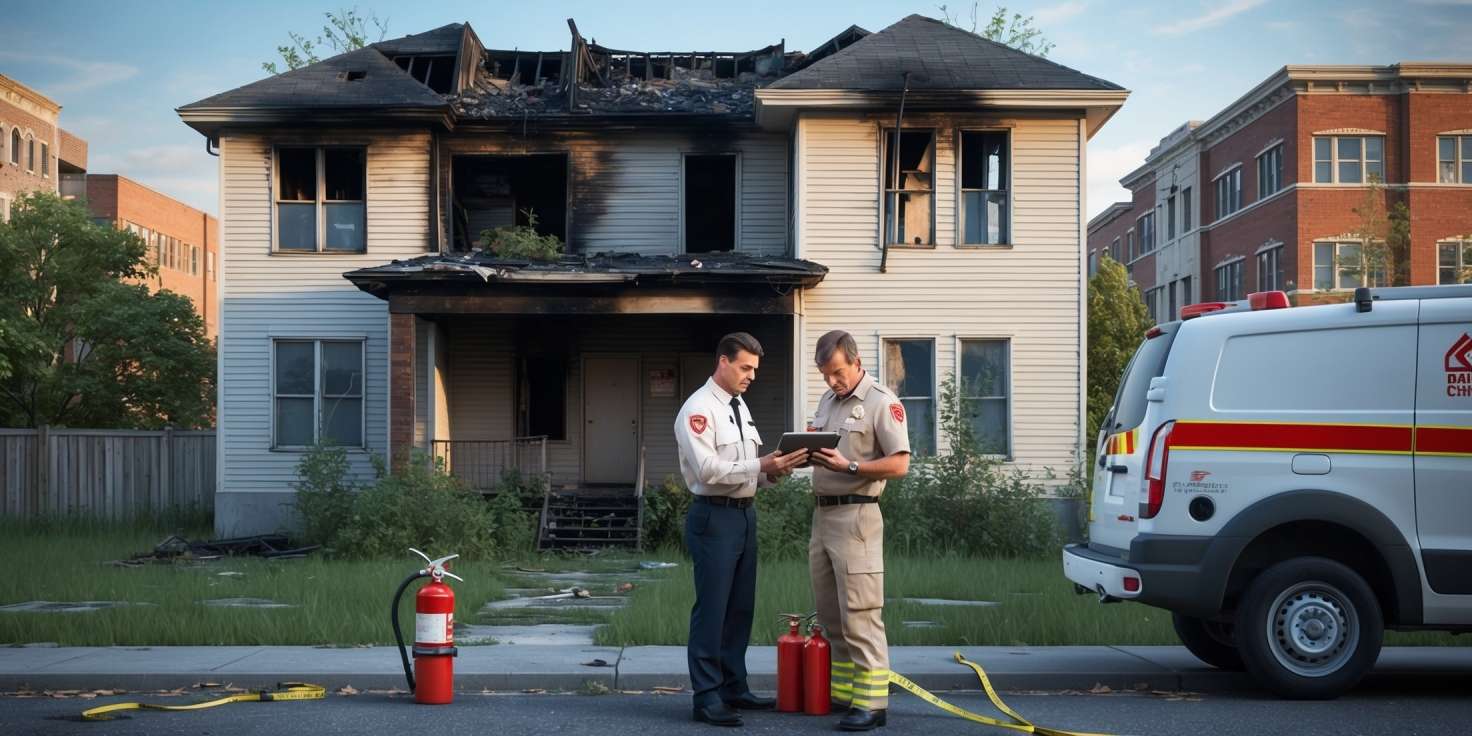
Fire Safety Tips for Multi-Family Properties

When it comes to protecting your home and loved ones, fire safety should always be a top priority—especially in multi-family properties where the risk can be significantly higher. Whether you’re a property manager, landlord, or tenant, understanding and implementing effective fire safety tips for multi-family properties is essential to prevent devastating losses. At COMMITTED TO QUALITY SERVICE, we specialize in fast, friendly, and professional fire damage restoration services. Our team is available at 855-933-7935 to help you recover quickly and safely after a fire emergency. With years of experience in fire damage and water damage restoration, we know that quick mitigation and proper safety planning can make all the difference. In this blog, we’ll share practical fire prevention strategies, emergency preparedness tips, and maintenance guidelines to help keep your multi-family property safe and compliant with local fire codes.

Understanding Fire Risks in Multi-Family Buildings

Multi-family properties, such as apartment complexes, condominiums, and townhomes, present unique challenges when it comes to fire safety. These buildings often house multiple families under one roof, increasing the potential for fire hazards and the complexity of emergency response. Understanding the specific fire risks associated with multi-family dwellings is essential for property owners, managers, and residents to implement effective fire prevention strategies and ensure the safety of all occupants.

One of the primary concerns in multi-family buildings is the shared infrastructure. Electrical systems, HVAC units, and plumbing are often interconnected, which means a malfunction in one unit can quickly affect others. According to the National Fire Protection Association (NFPA), electrical failures or malfunctions are one of the leading causes of home fires in the United States. In multi-family structures, outdated wiring or overloaded circuits can significantly increase the risk of fire.

Cooking is another major contributor to fire incidents in residential buildings. The NFPA reports that cooking equipment was involved in 49 percent of reported home fires between 2015 and 2019. In multi-family properties, where each unit typically has its own kitchen, the risk multiplies. Unattended cooking, grease fires, and malfunctioning appliances can quickly escalate, especially if fire suppression systems are not properly maintained.

The presence of flammable materials and improper storage practices also heighten fire risks. Items such as cleaning supplies, gasoline, and propane tanks should be stored in designated areas away from heat sources. Unfortunately, in densely populated buildings, storage areas are often limited, leading residents to keep hazardous materials in unsafe locations.

Another critical factor is the building’s fire protection infrastructure. Fire alarms, sprinkler systems, and smoke detectors must be regularly inspected and maintained to ensure they function correctly during an emergency. Inadequate maintenance or outdated systems can delay response times and increase the severity of a fire. Additionally, blocked or poorly marked emergency exits can hinder evacuation efforts, putting lives at risk.

“In multi-family buildings, the speed at which a fire can spread is significantly higher due to shared walls, ceilings, and ventilation systems,” says the U.S. Fire Administration. “Proper fire barriers and compartmentalization are essential to contain fires and protect residents.”

Human behavior also plays a significant role in fire risk. Smoking indoors, using candles, and overloading power strips are common practices that can lead to accidental fires. Educating residents about these dangers and promoting fire-safe habits is a key component of any fire prevention plan.

To illustrate the importance of understanding fire risks in multi-family buildings, consider the following examples:

  1. A 2020 apartment fire in Las Vegas was traced back to an overloaded power strip in a single unit. The fire quickly spread through the building’s attic, displacing over 40 residents.
  2. In 2021, a fire in a Bronx apartment building caused by a malfunctioning space heater resulted in 17 fatalities. The tragedy highlighted the need for functional self-closing doors and working smoke alarms.

These incidents underscore the importance of proactive fire safety measures and regular inspections. Property managers should conduct routine fire drills, ensure all fire protection systems are up to code, and provide residents with clear evacuation plans.

For more information on how to protect your property, explore our fire damage services and learn how we can help you prepare for and recover from fire-related incidents. You can also visit our about page to understand our commitment to safety and restoration excellence.

In addition to fire safety, it is important to be aware of other potential hazards in multi-family buildings. Issues like water damage and mold can compromise structural integrity and create additional fire risks. Learn how to identify these problems early by visiting our guide on how to identify hidden water damage early.

For further reading and resources on fire safety in residential buildings, visit the NFPA’s official website at https://www.nfpa.org and the U.S. Fire Administration at https://www.usfa.fema.gov. These organizations provide comprehensive guidelines and statistics to help property owners and residents stay informed and prepared.

Installing and Maintaining Smoke Alarms

Proper installation and regular maintenance of smoke alarms are essential components of fire safety in multi-family properties. These life-saving devices serve as the first line of defense by providing early warning in the event of a fire, allowing residents to evacuate quickly and safely. In buildings where multiple families reside, the risk of fire spreading rapidly is significantly higher due to shared walls, common areas, and interconnected systems. Therefore, ensuring that smoke alarms are correctly installed and fully operational in every unit and shared space is not just a safety measure but a legal requirement in many jurisdictions.

To begin with, smoke alarms should be installed in key locations throughout each unit. This includes inside every bedroom, outside each sleeping area, and on every level of the home, including basements. In larger units or buildings with multiple floors, additional alarms may be necessary to provide adequate coverage. For optimal performance, alarms should be mounted on ceilings or high on walls, away from windows, doors, or ducts that could interfere with their operation. It is also advisable to use interconnected smoke alarms, so when one sounds, they all do. This feature is especially important in multi-family properties where a fire in one unit can quickly become a threat to others.

Maintenance is just as critical as installation. Smoke alarms should be tested at least once a month to ensure they are functioning properly. This can be done by pressing the test button on each device. Batteries should be replaced at least once a year, or immediately if the alarm begins to chirp, indicating a low battery. For alarms that use long-life lithium batteries, the entire unit should be replaced according to the manufacturer’s instructions, typically every ten years. Dust and debris can also affect the performance of smoke alarms, so regular cleaning with a vacuum or soft brush attachment is recommended.

In addition to individual unit alarms, property managers should ensure that common areas such as hallways, laundry rooms, and stairwells are also equipped with functioning smoke detection systems. These areas are often overlooked but can be critical in alerting residents to danger. It is also important to keep a log of all maintenance activities, including testing dates and battery replacements, to ensure compliance with local fire codes and regulations.

Educating residents about the importance of smoke alarms and how to maintain them can further enhance fire safety. Property managers can distribute informational materials or host safety workshops to demonstrate proper testing and maintenance techniques. Encouraging residents to report any issues with their smoke alarms promptly can help address problems before they become serious hazards.

For property owners and managers seeking professional assistance, working with a trusted restoration and safety service provider can ensure that all fire safety systems are up to code. Companies like Projekt Restoration offer a range of services that include fire damage restoration and safety inspections, helping to maintain a secure living environment for all residents. Understanding the importance of these preventive measures is crucial, especially in high-density living spaces where the consequences of a fire can be devastating.

If you are unsure about the current state of your smoke alarm systems or need guidance on proper installation, consider reaching out to experts who specialize in fire safety and property restoration. You can learn more about their mission and commitment to safety by visiting their our mission page. Taking proactive steps today can prevent tragedy tomorrow, making smoke alarm installation and maintenance a top priority in any multi-family property fire safety plan.

Creating and Practicing an Evacuation Plan

Developing a well-structured evacuation plan is a critical component of fire safety in multi-family properties. With multiple residents living in close proximity, ensuring that everyone knows how to respond in the event of a fire can significantly reduce the risk of injury or loss of life. The first step in creating an effective evacuation plan is to assess the layout of the property, including all exits, stairwells, and potential hazards. Property managers and landlords should work closely with local fire departments to understand the best practices for evacuation routes and to ensure compliance with fire safety codes. Each unit should have a clearly marked escape route, and common areas should display evacuation maps that are easy to read and accessible to all residents, including those with disabilities.

Once the evacuation plan is established, it is essential to communicate it effectively to all residents. This can be done through community meetings, printed materials, and digital communications. Residents should be encouraged to familiarize themselves with at least two ways out of their unit and the building. Families should also be advised to designate a meeting point outside the building where everyone can gather safely after evacuating. Practicing the evacuation plan regularly is just as important as creating it. Fire drills should be conducted at least twice a year to ensure that all residents, including children and elderly individuals, know what to do in an emergency. These drills help to identify any weaknesses in the plan and provide an opportunity to make necessary adjustments.

In addition to regular drills, residents should be educated on the importance of keeping exit routes clear of obstructions and ensuring that smoke alarms and fire extinguishers are in working order. Property managers can support this by conducting routine inspections and maintenance. It is also beneficial to provide residents with resources and training on fire prevention and emergency response. For example, offering workshops or distributing materials from trusted sources can enhance community awareness and preparedness.

Technology can also play a role in improving evacuation readiness. Mobile apps and alert systems can be used to notify residents of emergencies and provide real-time instructions. These tools are especially useful in larger complexes where reaching everyone quickly can be a challenge. Additionally, having a centralized communication system allows property managers to coordinate with emergency services more efficiently.

For property owners and managers seeking professional guidance, working with a restoration and safety service provider can be invaluable. Companies like Projekt Restoration offer a range of services that support fire safety planning and recovery. From fire damage restoration to emergency preparedness consultations, these experts can help ensure that your property is equipped to handle emergencies effectively. You can learn more about their approach and values by visiting their our mission page.

Ultimately, the goal of an evacuation plan is to protect lives. In multi-family properties, where the actions of one resident can impact many others, a coordinated and practiced response is essential. By investing time and resources into planning, communication, and regular practice, property managers and residents can create a safer living environment for everyone.

Fire Extinguishers: Placement and Usage

Proper placement and usage of fire extinguishers are essential components of fire safety in multi-family properties. These devices serve as the first line of defense in the event of a small fire, potentially preventing a minor incident from escalating into a devastating blaze. To ensure maximum effectiveness, fire extinguishers must be strategically located throughout the property. They should be easily accessible in high-risk areas such as kitchens, laundry rooms, mechanical rooms, and near exits. In larger buildings, extinguishers should be placed on every floor and within a reasonable distance—typically no more than 75 feet apart—so that residents and staff can reach them quickly in an emergency.

Equally important is ensuring that all residents and property managers understand how to use a fire extinguisher correctly. The PASS method—Pull, Aim, Squeeze, and Sweep—is a simple and effective technique that should be taught during regular fire safety training sessions. Pull the pin to unlock the extinguisher, aim the nozzle at the base of the fire, squeeze the handle to release the extinguishing agent, and sweep the nozzle from side to side until the fire is out. It is also crucial to emphasize that fire extinguishers are only suitable for small, contained fires. If a fire spreads rapidly or produces heavy smoke, residents should evacuate immediately and call emergency services.

Routine maintenance and inspections are vital to ensure that fire extinguishers remain in working condition. Property managers should conduct monthly visual checks to confirm that each extinguisher is fully charged, unobstructed, and free from damage. Annual professional inspections are also recommended to comply with local fire codes and insurance requirements. Expired or damaged extinguishers should be replaced promptly to avoid any lapse in fire protection.

In addition to proper placement and usage, educating residents about the different classes of fire extinguishers can enhance safety. For example, Class A extinguishers are designed for ordinary combustibles like wood and paper, while Class B is for flammable liquids, and Class C is for electrical fires. Multi-purpose extinguishers labeled ABC are ideal for residential settings because they can handle a variety of fire types. Clear signage and instructions near each extinguisher can further assist residents during an emergency.

Fire extinguisher protocols should be part of a broader fire safety strategy that includes smoke alarms, fire escape plans, and regular safety drills. Property owners and managers can benefit from working with professionals who specialize in fire prevention and emergency response. For more information about fire safety services and how to protect your property, visit our services page. You can also learn more about our mission to keep communities safe by exploring our our mission section.

By prioritizing the correct placement and usage of fire extinguishers, multi-family property owners can significantly reduce the risk of fire-related injuries and property damage. This proactive approach not only ensures compliance with safety regulations but also fosters a secure living environment for all residents.

Importance of Regular Inspections and Maintenance

Regular inspections and maintenance are essential components of a comprehensive fire safety strategy for multi-family properties. These proactive measures not only help in identifying potential fire hazards before they escalate but also ensure that all fire protection systems are functioning optimally. In buildings where multiple families reside, the risk of fire incidents can increase due to the higher number of electrical appliances, cooking activities, and shared utilities. Therefore, consistent maintenance and thorough inspections are critical in safeguarding lives and property.

One of the primary benefits of regular inspections is the early detection of faulty wiring, malfunctioning smoke detectors, and outdated fire extinguishers. Electrical issues are a leading cause of residential fires, and in multi-family dwellings, a single faulty outlet or overloaded circuit can have devastating consequences. Scheduled inspections by qualified professionals can uncover these hidden dangers and allow for timely repairs or replacements. Additionally, ensuring that smoke alarms and carbon monoxide detectors are in working order is vital. These devices serve as the first line of defense in alerting residents to danger, giving them precious time to evacuate safely.

Maintenance also extends to communal fire safety systems such as sprinkler systems, fire alarms, and emergency lighting. These systems must be tested regularly to confirm they meet local fire codes and regulations. A malfunctioning sprinkler system or a non-operational fire alarm can significantly hinder evacuation efforts and increase the risk of injury or death during a fire. Property managers should keep detailed records of all inspections and maintenance activities to demonstrate compliance with safety standards and to track the condition of fire safety equipment over time.

Another critical aspect of maintenance is ensuring that fire exits and escape routes are always accessible and clearly marked. Over time, these areas can become obstructed by furniture, storage items, or debris, especially in shared hallways or stairwells. Regular walk-throughs can help identify and remove such obstructions, ensuring that residents have a clear and safe path to exit the building in an emergency. Additionally, fire doors should be checked to ensure they close properly and are not propped open, as they are designed to contain fire and smoke, slowing the spread and providing more time for evacuation.

Educating residents about the importance of fire safety and encouraging them to report any hazards they notice can also enhance the effectiveness of inspections and maintenance. When tenants are aware of the risks and know how to identify potential issues, they become active participants in maintaining a safe living environment. Property managers can support this by providing regular updates, hosting safety workshops, or distributing informational materials.

For property owners and managers seeking professional assistance, working with a trusted restoration and safety service provider is crucial. Companies like Projekt Restoration offer a range of services that include fire damage assessment, system inspections, and preventive maintenance. Their experienced team can help identify vulnerabilities and implement solutions tailored to the unique needs of multi-family properties. To learn more about their mission and commitment to safety, visit their our mission page.

In conclusion, regular inspections and maintenance are not just regulatory requirements but vital practices that protect lives, reduce liability, and preserve property value. By staying proactive and partnering with experienced professionals, multi-family property owners can create a safer environment for all residents and significantly reduce the risk of fire-related incidents.

Educating Residents on Fire Safety Protocols

One of the most effective ways to enhance fire safety in multi-family properties is by ensuring that all residents are well-informed about proper fire safety protocols. Education plays a critical role in preventing fire-related incidents and minimizing damage when emergencies occur. Property managers and landlords should prioritize regular communication and training to help residents understand the importance of fire prevention, emergency preparedness, and response procedures. This includes providing clear instructions on how to use fire extinguishers, the location of fire exits, and the importance of keeping hallways and stairwells free of obstructions. Hosting periodic fire drills can also reinforce these practices and ensure that everyone knows what to do in the event of a fire.

In addition to drills, distributing printed materials or digital guides that outline fire safety tips can be highly beneficial. These resources should cover essential topics such as how to report a fire, the significance of not using elevators during a fire, and the steps to take if someone is trapped inside a unit. It is also important to educate residents about the dangers of common fire hazards, such as unattended cooking, overloaded electrical outlets, and the improper use of space heaters. Encouraging residents to install and maintain smoke detectors within their units, and ensuring that building-wide alarm systems are regularly tested, can significantly reduce the risk of injury or property loss.

Another key aspect of fire safety education is fostering a sense of community responsibility. Residents should be encouraged to look out for one another and report any potential hazards to property management immediately. This proactive approach can help identify risks before they escalate into emergencies. Property managers can also collaborate with local fire departments to offer workshops or presentations that provide expert advice and hands-on training. These events not only educate but also build trust and a sense of preparedness among residents.

To further support fire safety efforts, property owners can utilize resources available through professional restoration and emergency response services. For example, understanding the importance of post-fire recovery can help residents appreciate the value of preventive measures. Companies like Projekt Restoration offer a range of services that include fire damage restoration, which can be crucial in the aftermath of a fire. By familiarizing residents with these services, property managers can ensure a quicker and more efficient recovery process if an incident does occur.

Moreover, educating residents about the broader mission of fire safety aligns with the values of responsible property management. Organizations that prioritize safety often emphasize their commitment to community well-being. Learning more about a company’s goals and values, such as those outlined on Projekt Restoration’s our mission page, can reinforce the importance of fire safety as a shared responsibility. When residents understand that their safety is a top priority, they are more likely to engage in proactive behaviors and adhere to established protocols.

Ultimately, consistent and comprehensive education on fire safety protocols empowers residents to act swiftly and appropriately in emergency situations. It also fosters a culture of awareness and accountability that benefits the entire community. By integrating fire safety education into regular property management practices, multi-family property owners can significantly reduce the risk of fire-related incidents and ensure a safer living environment for all.

Collaborating with Local Fire Departments

Establishing a strong partnership with local fire departments is a critical component of enhancing fire safety in multi-family properties. These collaborations not only improve emergency response times but also provide valuable resources and education to property managers and residents. Fire departments are equipped with expert knowledge and experience that can help identify potential fire hazards, recommend safety improvements, and conduct routine inspections to ensure compliance with local fire codes. By working closely with these professionals, property owners can create a safer living environment and reduce the risk of fire-related incidents.

One of the most effective ways to engage with local fire departments is by inviting them to conduct on-site fire safety assessments. These evaluations can uncover hidden risks such as faulty wiring, blocked exits, or improperly stored flammable materials. Fire officials can also help develop or refine evacuation plans tailored to the specific layout and occupancy of the building. This proactive approach not only enhances safety but also demonstrates a commitment to resident well-being, which can improve tenant satisfaction and retention.

In addition to inspections, fire departments often offer educational programs and training sessions. These may include fire extinguisher demonstrations, smoke alarm maintenance tutorials, and evacuation drills. Hosting these events on-site encourages resident participation and ensures that everyone understands how to respond in the event of a fire. Property managers can coordinate with fire officials to schedule these sessions regularly, reinforcing a culture of safety throughout the community.

Another benefit of collaborating with fire departments is staying informed about the latest fire safety regulations and technologies. Fire codes can change over time, and staying up to date is essential for maintaining compliance and avoiding penalties. Fire officials can provide guidance on new requirements and recommend upgrades such as advanced alarm systems or fire-resistant building materials. This ongoing communication helps property owners make informed decisions about safety investments and long-term planning.

Moreover, building a relationship with the local fire department can lead to faster and more efficient emergency responses. When firefighters are familiar with a property’s layout, access points, and potential hazards, they can act more quickly and effectively during an emergency. Sharing building schematics and access codes with the fire department ensures they are prepared to respond without delay, potentially saving lives and minimizing property damage.

For property managers seeking to enhance their fire safety strategy, integrating fire department collaboration into their overall maintenance and emergency planning is essential. This partnership should be viewed as a long-term commitment rather than a one-time interaction. Regular communication, joint training exercises, and shared safety goals can foster a strong working relationship that benefits everyone involved.

Incorporating fire department collaboration into your fire safety plan also aligns with broader property management goals. It supports risk mitigation, protects investments, and contributes to a positive reputation in the community. Residents are more likely to feel secure and valued when they see that their property management team is actively working with professionals to ensure their safety.

For more insights into how professional support can enhance property safety, explore our services page. You can also learn about our commitment to community safety and excellence by visiting our our mission page. These resources provide a deeper understanding of how proactive measures and expert partnerships can make a significant difference in fire prevention and response.

Ultimately, collaborating with local fire departments is a smart, strategic move for any multi-family property owner or manager. It not only strengthens fire safety protocols but also builds trust with residents and emergency responders alike. By fostering these relationships, property managers can ensure a safer, more resilient living environment for everyone.

In conclusion, fire safety in multi-family properties is a shared responsibility that requires vigilance, preparation, and cooperation among property owners, managers, and residents. By implementing proactive measures such as installing and maintaining smoke alarms, creating clear evacuation plans, conducting regular fire drills, and ensuring compliance with local fire codes, communities can significantly reduce the risk of fire-related incidents. Prioritizing fire safety not only protects lives and property but also fosters a sense of security and well-being for everyone who calls the property home. Remember, when it comes to fire safety, prevention and preparedness are key.

Fire Damage Cleanup Tips for Property Managers

Understanding the Impact of Fire Damage

When a fire strikes a property, the aftermath can be overwhelming. As a property manager, you’re not just dealing with charred walls and smoky air—you’re managing the expectations of tenants, owners, and insurance companies. Fire damage goes beyond what the eye can see. It affects the structure, air quality, and even the emotional well-being of those involved. That’s why understanding the full scope of fire damage is the first step toward effective cleanup and recovery.

Fire damage restoration is a multi-layered process. It involves removing soot, eliminating smoke odors, cleaning up water from firefighting efforts, and restoring the property to its pre-loss condition. In many cases, you’ll also need to address secondary issues like mold growth due to water exposure. That’s where professional restoration services come in. These experts are trained to handle complex restoration tasks, including fire damage restoration, water damage restoration, and even mold remediation.

It’s also important to understand that fire damage can compromise the safety of the building. Structural elements may be weakened, and hazardous materials like asbestos or lead paint may be disturbed. That’s why it’s crucial to work with a team that offers emergency service and reconstruction services to ensure the property is safe and habitable again.

At Projekt Restoration, we’re COMMITTED TO QUALITY SERVICE. Call Us Now! 855-933-7935 for Fast, Friendly and Professional Service. We understand the urgency and complexity of fire damage, and we’re here to help you every step of the way.

Initial Safety Measures After a Fire

Before you even think about cleanup, safety comes first. As a property manager, your top priority should be ensuring that the building is safe to enter. Fires can leave behind unstable structures, exposed wiring, and toxic residues. So, what should you do immediately after the fire is extinguished?

First, wait for the fire department to give the all-clear. They’ll assess the structural integrity and determine if it’s safe to re-enter. Once you have access, wear protective gear—think gloves, masks, and sturdy boots. You’re not just dealing with soot; you’re potentially dealing with biohazards, chemicals, and sharp debris. If you suspect any hazardous materials, it’s best to call in a biohazard clean up team.

Next, secure the property. Board up broken windows, lock doors, and cover any exposed areas with tarps. This prevents further damage from weather and deters vandalism. If the fire was extensive, you might need to arrange temporary housing for tenants and notify insurance providers immediately. Document everything—take photos, make notes, and keep a log of all communications. This will be crucial for insurance claims and future restoration work.

Finally, contact a professional restoration company that offers emergency service. Time is of the essence. The longer soot and smoke sit on surfaces, the more damage they cause. A quick response can make a huge difference in the overall cost and timeline of the restoration process.

Assessing the Extent of the Damage

Once the property is secure and safe to enter, the next step is to assess the damage. This isn’t just a visual inspection—it’s a comprehensive evaluation of the entire property. You’ll need to look at structural damage, smoke and soot residue, water damage from firefighting efforts, and potential mold growth.

Start with the structure. Are there any sagging ceilings, cracked walls, or compromised beams? These are red flags that require immediate attention. Then, move on to the surfaces. Soot can be acidic and corrosive, damaging everything from drywall to electronics. Smoke odors can penetrate deep into porous materials like carpets, drapes, and upholstery. If not treated promptly, these odors can linger for months.

Don’t forget about water damage. Firefighters often use thousands of gallons of water to extinguish flames, which can lead to soaked floors, walls, and insulation. This creates the perfect breeding ground for mold. If you notice any signs of moisture or mold, contact a mold remediation specialist right away. Mold can spread quickly and pose serious health risks to tenants.

At this stage, it’s wise to bring in a professional restoration team to conduct a thorough inspection. They’ll use specialized equipment like moisture meters, thermal imaging cameras, and air quality monitors to detect hidden damage. This ensures that nothing is overlooked and sets the stage for a successful restoration.

Partnering with Professional Restoration Services

Let’s be honest—fire damage cleanup is not a DIY job. It requires specialized knowledge, equipment, and experience. That’s why partnering with a professional restoration company is one of the smartest moves you can make as a property manager.

These experts handle everything from fire damage restoration and water damage restoration to mold remediation and biohazard clean up. They come equipped with industrial-grade tools like air scrubbers, ozone machines, and dehumidifiers to tackle even the toughest jobs. More importantly, they follow industry standards and safety protocols to ensure the job is done right.

Working with professionals also means less stress for you. They’ll handle the logistics, coordinate with insurance adjusters, and keep you updated throughout the process. This allows you to focus on your tenants and other responsibilities. Plus, a reputable company will prioritize customer satisfaction, ensuring that the property is restored to its original condition—or better.

At Projekt Restoration, we pride ourselves on delivering Fast, Friendly and Professional Service. We’re COMMITTED TO QUALITY SERVICE and available 24/7 for emergency service. Call Us Now! 855-933-7935 to get started.

Cleaning and Deodorizing the Property

Once the damage has been assessed and the professionals are on board, it’s time to roll up your sleeves and start the cleanup. This phase involves removing soot, cleaning surfaces, and eliminating smoke odors. It’s a meticulous process, but it’s essential for restoring the property to a livable condition.

Soot is tricky. It can be dry and powdery or oily and sticky, depending on what burned. Each type requires a different cleaning method. Using the wrong technique can smear the soot and make things worse. That’s why it’s best to let professional restoration teams handle it. They use specialized cleaners and techniques to remove soot without damaging surfaces.

Next comes deodorizing. Smoke odors can be incredibly stubborn. They seep into walls, carpets, and even HVAC systems. Traditional air fresheners won’t cut it. Professionals use ozone generators, thermal foggers, and hydroxyl machines to neutralize odors at the molecular level. This ensures that the property smells fresh and clean, not like a campfire gone wrong.

Don’t forget to clean the air ducts. Smoke particles can linger in the ventilation system and re-contaminate the space. A thorough duct cleaning is essential for maintaining indoor air quality and preventing future issues.

For more tips on identifying hidden damage, check out our guide on How to Identify Hidden Water Damage Early.

Handling Water Damage and Mold Risks

Water damage is often the silent partner of fire damage. While the flames may be out, the water used to extinguish them can cause its own set of problems. Wet drywall, soaked carpets, and damp insulation are breeding grounds for mold. If not addressed quickly, mold can spread within 24-48 hours, turning a fire cleanup into a full-blown health hazard.

Start by removing standing water using pumps and wet vacuums. Then, use industrial dehumidifiers and air movers to dry out the space. Moisture meters can help you track progress and ensure that everything is thoroughly dried. If you suspect mold, don’t wait—call in a mold remediation specialist immediately.

Mold isn’t just unsightly; it’s dangerous. It can trigger allergies, asthma, and other respiratory issues. That’s why it’s crucial to work with a team that understands both water damage restoration and mold remediation. They’ll not only remove the mold but also treat the affected areas to prevent future growth.

At Projekt Restoration, we offer comprehensive property restoration services, including mold remediation and water damage cleanup. Our goal is to restore your property safely and efficiently, ensuring customer satisfaction every step of the way.

Reconstruction and Final Restoration

Once the cleanup is complete, it’s time to rebuild. This phase involves repairing structural damage, replacing drywall, repainting walls, and restoring flooring. It’s the final step in the fire damage restoration process, and it’s where your property starts to feel like home again.

Reconstruction services can range from minor repairs to full-scale renovations. Depending on the extent of the damage, you may need to work with contractors, electricians, and plumbers. A professional restoration company can coordinate these efforts, ensuring that everything is done to code and on schedule.

It’s also a good time to consider upgrades. Want to install fire-resistant materials? Improve insulation? Upgrade the HVAC system? Now’s your chance. These improvements can enhance the property’s value and make it more resilient to future disasters.

At Projekt Restoration, we don’t just clean up—we rebuild. Our reconstruction services are designed to restore your property to its original condition or better. We’re here to help you every step of the way, from the first call to the final coat of paint.

Conclusion

Fire damage cleanup is no small feat, especially for property managers juggling multiple responsibilities. But with the right knowledge, tools, and partners, you can turn a disaster into an opportunity for renewal. From initial safety measures and damage assessment to professional restoration and final reconstruction, every step matters. And remember, you don’t have to do it alone.

Projekt Restoration is here to help. We’re COMMITTED TO QUALITY SERVICE and offer Fast, Friendly and Professional Service for all your restoration needs. Call Us Now! 855-933-7935 or visit our contact page to get started.

What should I do immediately after a fire?

Ensure everyone is safe, wait for the fire department’s clearance, and then secure the property. Contact your insurance provider and a professional restoration company like Projekt Restoration for emergency service.

How long does fire damage restoration take?

It depends on the extent of the damage. Minor fires may take a few days, while major incidents can take weeks. A professional restoration team will provide a detailed timeline after assessment.

Can I stay in the property during restoration?

It depends on the severity of the damage. If the structure is compromised or there are health risks like smoke or mold, it’s best to relocate temporarily.

Does insurance cover fire damage restoration?

Most property insurance policies cover fire damage, including cleanup and reconstruction. Be sure to document everything and work closely with your restoration company and insurance adjuster.

Why is mold a concern after a fire?

Water used to extinguish the fire can lead to moisture buildup, creating ideal conditions for mold growth. Mold can develop within 24-48 hours and pose serious health risks, so prompt remediation is essential.

Schedule Your Mold Inspection Today!

Privacy Policy

Projekt Restoration we respects your privacy and is committed to protecting your personal information. This Privacy Policy outlines how we collect, use, and protect the information you provide when you visit our website, contact us, or use our services related to Mold Remediation, Mold Inspection & Testing, Mold Removal / Cleanup, and Black Mold Removal.


1. Information We Collect

We may collect the following types of personal and non-personal information:

  • Personal Information: Name, email address, phone number, physical address, and any other information you provide when contacting us or requesting services.

  • Usage Data: IP address, browser type, operating system, pages visited, and time/date of your visit.

  • Cookies: We may use cookies to enhance your website experience. You can disable cookies in your browser settings.


2. How We Use Your Information

We use your information to:

  • Respond to your inquiries or service requests

  • Schedule and deliver mold-related services

  • Improve our website and customer service

  • Send service updates, promotions, or important notices (if you opt-in)

  • Comply with legal obligations


3. Information Sharing and Disclosure

We do not sell, trade, or rent your personal information. We may share your data with:

  • Trusted third-party service providers (e.g., payment processors, contractors) to perform services on our behalf

  • Law enforcement or government agencies if required by law


4. Data Security

We implement reasonable safeguards (physical, electronic, and managerial) to protect your information from unauthorized access, alteration, disclosure, or destruction.


5. Your Privacy Rights (California Residents)

Under the California Consumer Privacy Act (CCPA), California residents have the right to:

  • Request disclosure of the personal information we collect and how we use it

  • Request deletion of your personal information

  • Opt-out of the sale of personal information (note: we do not sell your data)

To exercise any of these rights, please contact us at:
📞 Phone: (855) 933-7935


6. Third-Party Links

Our website may contain links to third-party sites. We are not responsible for their privacy practices. Please review their privacy policies separately.


7. Children’s Privacy

Our services are not directed to children under 13. We do not knowingly collect personal information from minors.


8. Changes to This Privacy Policy

We may update this Privacy Policy from time to time. Changes will be posted on this page with the updated effective date.


9. Contact Us

If you have any questions or concerns about this Privacy Policy, please contact:
Projekt Restoration

📞 (855) 933-7935