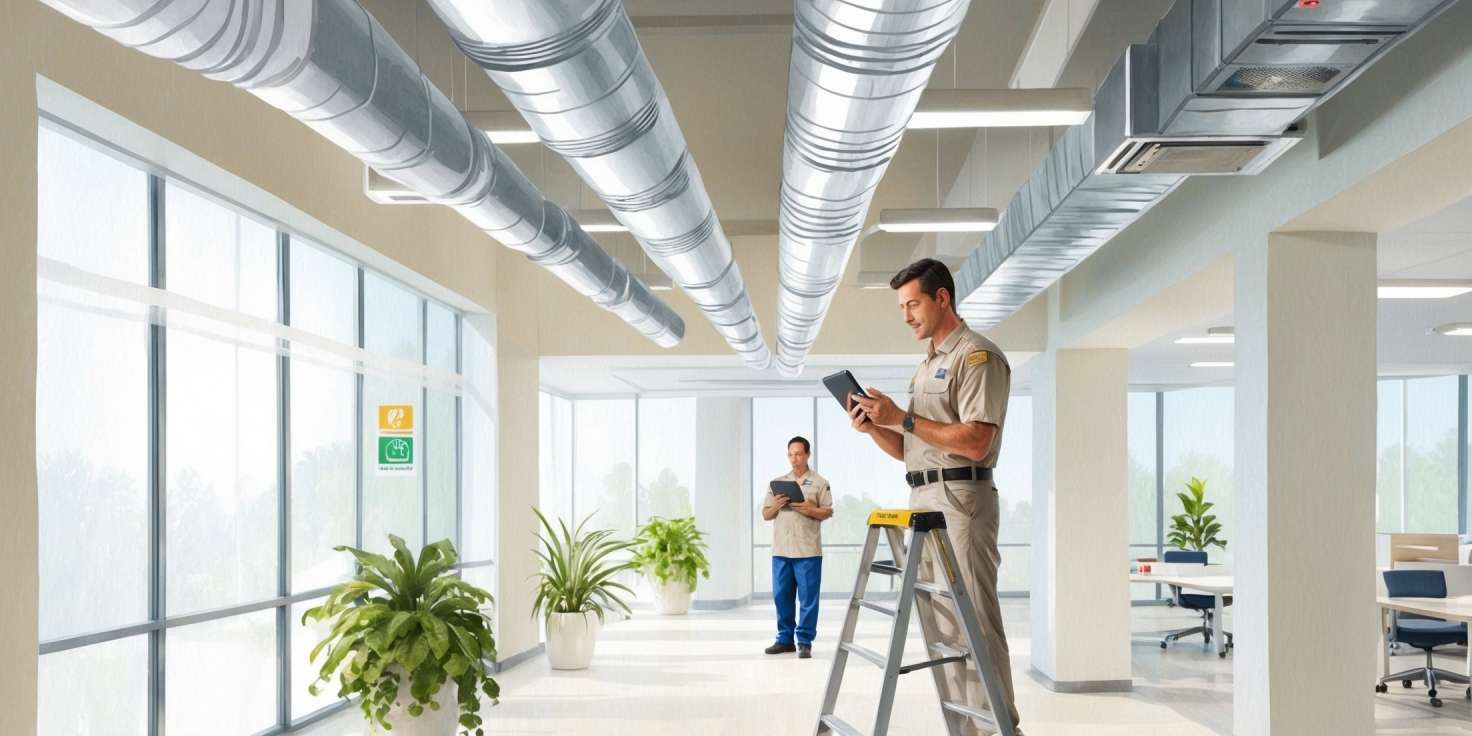
Mold is a persistent and potentially hazardous issue in residential and commercial buildings, especially those with shared duct systems. These interconnected airways, while efficient for heating and cooling, can also become conduits for mold spores, spreading contamination throughout a structure. In buildings with shared ducts—such as apartment complexes, office buildings, and multi-unit facilities—the risk of mold proliferation is significantly higher due to the communal nature of the HVAC systems. This makes mold prevention not just a matter of individual responsibility but a collective necessity.
At Projekt Restoration, we understand the complexities of mold control in shared environments. COMMITTED TO QUALITY SERVICE, we offer professional restoration solutions tailored to the unique challenges of shared duct systems. Whether you’re dealing with the aftermath of water intrusion, fire, or biohazard exposure, our team is equipped to restore your property with precision and care. Our services include water damage restoration, fire damage restoration, mold remediation, biohazard clean up, and reconstruction services. We also provide 24/7 emergency service to ensure your property is protected at all times.
This comprehensive guide explores the causes of mold in shared duct systems, the risks it poses, and the best practices for prevention. From understanding the science of mold growth to implementing long-term solutions, we’ll walk you through every step to ensure your building remains safe, healthy, and mold-free.
Understanding Mold Growth in Shared Duct Systems
Mold is a type of fungus that thrives in moist, warm environments. In buildings with shared duct systems, the conditions for mold growth are often ideal. These systems can accumulate dust, debris, and moisture—creating a perfect breeding ground for mold spores. Once mold begins to grow in one part of the ductwork, it can easily spread throughout the entire building, affecting multiple units and common areas.
Shared ducts often go unnoticed during routine maintenance, making them a hidden danger. Leaks, condensation, and poor ventilation can all contribute to mold development. Additionally, if one unit experiences water damage and it’s not properly addressed, the moisture can travel through the ducts and impact other areas. This is why water damage restoration is critical in preventing mold outbreaks.
Another factor is the lack of individual control over HVAC systems in shared buildings. Tenants or occupants may not be aware of issues in other units that could affect the entire system. This interconnectedness makes early detection and coordinated maintenance essential. Regular inspections and professional cleaning of ductwork are necessary to prevent mold from taking hold.
Moreover, mold in shared ducts can lead to serious health issues, including respiratory problems, allergic reactions, and even neurological symptoms in severe cases. The spores can circulate through the air, affecting everyone in the building. This is especially dangerous for individuals with asthma, allergies, or compromised immune systems.
To combat this, property managers and building owners must prioritize mold remediation and implement proactive measures. This includes sealing leaks, improving insulation, and using dehumidifiers to control moisture levels. Partnering with a trusted provider of restoration services ensures that any mold issues are addressed thoroughly and professionally.
Best Practices for Mold Prevention in Shared Duct Buildings
Preventing mold in buildings with shared ducts requires a multi-faceted approach that includes regular maintenance, moisture control, and professional intervention. Here are some best practices to help you keep your building mold-free:
- Routine HVAC Maintenance: Schedule regular inspections and cleanings of the HVAC system. This includes checking for leaks, replacing filters, and cleaning ducts to remove dust and debris that can harbor mold spores.
- Moisture Control: Mold needs moisture to grow. Use dehumidifiers in high-humidity areas and ensure proper ventilation in bathrooms, kitchens, and laundry rooms. Address any leaks or water damage immediately with water damage restoration services.
- Seal and Insulate: Properly seal and insulate ductwork to prevent condensation. This also helps improve energy efficiency and indoor air quality.
- Educate Occupants: Inform tenants or building occupants about the signs of mold and the importance of reporting leaks or moisture issues promptly. Early detection is key to preventing widespread contamination.
- Use Mold-Resistant Materials: During renovations or construction, opt for mold-resistant drywall, paint, and insulation. These materials can help reduce the risk of mold growth in vulnerable areas.
In addition to these practices, it’s crucial to have a reliable partner for property restoration. At Projekt Restoration, we offer comprehensive restoration services that include mold inspections, remediation, and preventive solutions. Our team uses advanced equipment and techniques to ensure your building remains safe and healthy.
We also provide emergency service for situations that require immediate attention. Whether it’s a burst pipe, flooding, or fire damage, our experts are available 24/7 to mitigate the damage and prevent mold from developing. Our commitment to customer satisfaction means we won’t rest until your property is fully restored.
The Role of Professional Restoration in Mold Prevention
While routine maintenance and occupant awareness are essential, professional intervention is often necessary to effectively prevent and manage mold in shared duct systems. This is where professional restoration services come into play. Companies like Projekt Restoration specialize in identifying hidden mold, assessing the extent of contamination, and implementing targeted remediation strategies.
Our team begins with a thorough inspection of the HVAC system and surrounding areas. Using moisture meters, thermal imaging, and air quality testing, we can detect mold even in hard-to-reach places. Once identified, we develop a customized plan for mold remediation that includes containment, removal, and sanitation.
Containment is crucial in shared duct systems to prevent cross-contamination. We use negative air pressure machines and physical barriers to isolate the affected areas. After removal, we sanitize the ducts and surrounding surfaces using EPA-approved antimicrobial agents. This ensures that all mold spores are eliminated and the risk of recurrence is minimized.
In cases where mold has caused structural damage, we also offer reconstruction services. Our team can repair or replace damaged drywall, insulation, and other materials to restore your property to its original condition. This comprehensive approach not only addresses the immediate issue but also strengthens your building’s defenses against future mold growth.
Additionally, we provide biohazard clean up for situations involving sewage backups, chemical spills, or other hazardous materials. These incidents can contribute to mold growth if not handled properly. Our certified technicians follow strict safety protocols to ensure your building is safe and compliant with health regulations.
Our commitment to customer satisfaction drives everything we do. From the initial assessment to the final walkthrough, we keep you informed and involved every step of the way. Our goal is to provide fast, friendly, and effective service that exceeds your expectations.
Long-Term Strategies for Mold-Free Living
Preventing mold in buildings with shared ducts is not a one-time effort—it requires ongoing vigilance and strategic planning. Long-term strategies are essential to maintaining a healthy indoor environment and protecting your investment. Here are some key approaches to consider:
- Implement a Maintenance Schedule: Create a routine maintenance plan that includes regular HVAC inspections, duct cleanings, and moisture checks. This proactive approach helps catch issues before they escalate.
- Invest in Smart Technology: Use smart thermostats, humidity sensors, and leak detectors to monitor conditions in real-time. These tools can alert you to potential problems and allow for immediate action.
- Upgrade Building Materials: During renovations, choose materials that resist mold and moisture. This includes mold-resistant drywall, waterproof flooring, and non-porous surfaces in high-risk areas.
- Train Staff and Occupants: Educate maintenance personnel and building occupants on mold prevention techniques. Provide guidelines for reporting leaks, maintaining cleanliness, and recognizing signs of mold.
- Partner with Experts: Establish a relationship with a trusted provider of restoration services. Having a go-to team for inspections, remediation, and emergency response ensures you’re always prepared.
At Projekt Restoration, we offer ongoing support to help you implement these strategies. Our team can assist with developing maintenance plans, conducting regular inspections, and providing training sessions for staff. We also offer resources through our blog and FAQ section to keep you informed about the latest in mold prevention and property care.
We believe that prevention is the best form of protection. By taking a proactive approach and working with experienced professionals, you can ensure your building remains mold-free for years to come. Our dedication to customer satisfaction means we’re always here to support you—whether you need advice, inspections, or full-scale remediation.
Conclusion
Mold prevention in buildings with shared ducts is a complex but essential task. The interconnected nature of these systems makes them particularly vulnerable to mold growth, which can quickly spread and impact the health and safety of all occupants. By understanding the causes of mold, implementing best practices, and partnering with professionals, you can protect your property and ensure a healthy living environment.
At Projekt Restoration, we are COMMITTED TO QUALITY SERVICE. Our team offers a full range of restoration services, including water damage restoration, fire damage restoration, mold remediation, biohazard clean up, and reconstruction services. With 24/7 emergency service and a focus on customer satisfaction, we are your trusted partner in property care.
Don’t wait for mold to become a problem. Take action today to safeguard your building and the people in it. Call us now at 855-933-7935 or visit our contact page to schedule an inspection or consultation. Let us help you create a mold-free, healthy, and resilient environment for everyone who walks through your doors.