
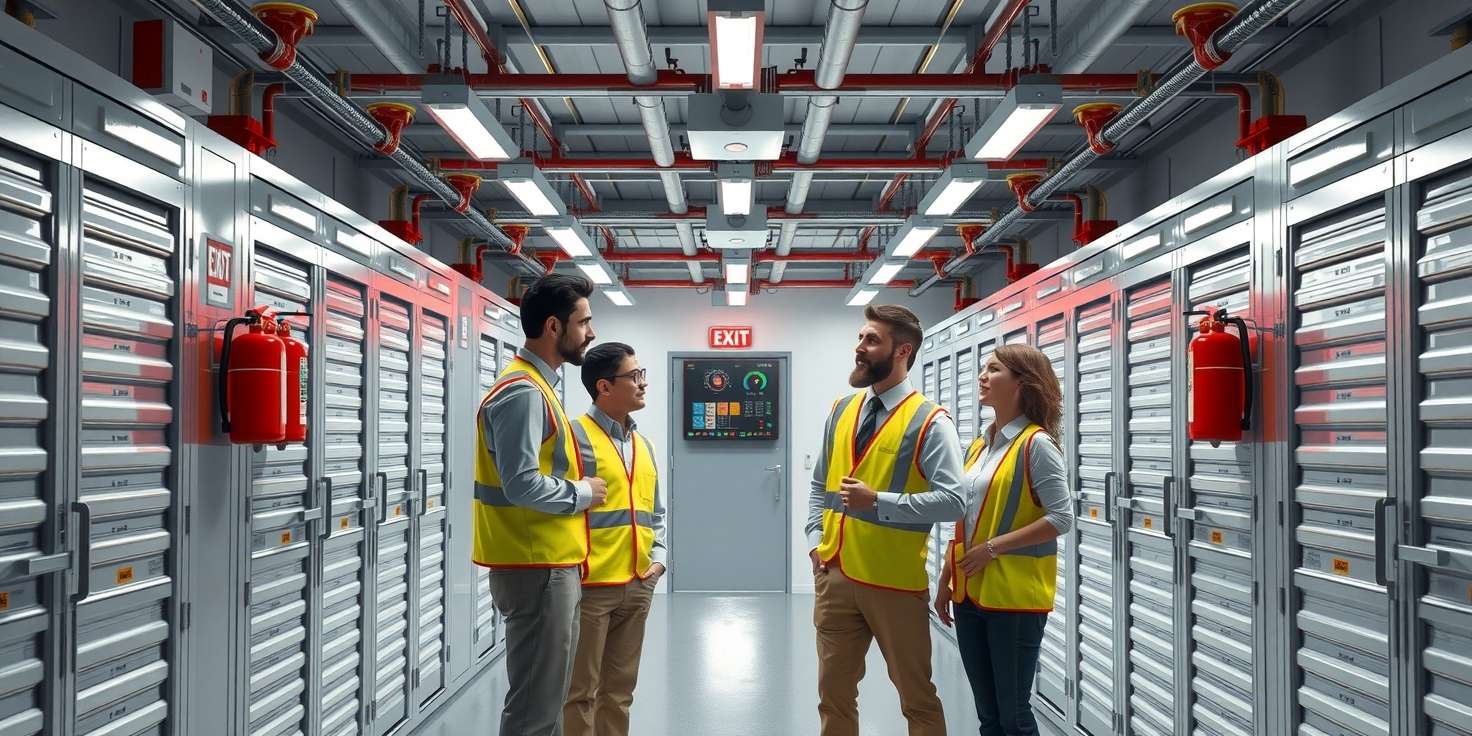
When it comes to safeguarding your valuable assets, knowing how to prevent fire damage in storage facilities is essential. Fires can cause devastating losses, especially in storage units where flammable materials and tightly packed items can accelerate the spread of flames. At COMMITTED TO QUALITY SERVICE, we understand the importance of fire prevention and offer fast, friendly, and professional service to help protect your property. With our expertise in fire damage restoration, we emphasize the need for proactive safety measures, such as proper fire suppression systems, regular inspections, and employee training. Our team is available 24/7—call us now at 855-933-7935 for expert advice and emergency response. Whether you’re managing a commercial warehouse or a personal storage unit, taking the right steps today can prevent costly fire damage tomorrow. Trust us to help you stay prepared and protected.
Understanding Common Fire Hazards in Storage Facilities
Storage facilities, whether commercial or residential, are designed to house valuable items, equipment, or inventory. However, these spaces can also become high-risk zones for fire hazards if not properly maintained or monitored. Understanding the most common fire hazards in storage facilities is essential for implementing effective fire prevention strategies and safeguarding both property and lives.
One of the most prevalent fire risks in storage facilities is the improper storage of flammable materials. Items such as cleaning chemicals, paint thinners, gasoline, and other combustible substances can easily ignite if exposed to heat or open flames. These materials are often stored in bulk and without adequate ventilation, increasing the likelihood of a fire. According to the National Fire Protection Association (NFPA), “flammable and combustible liquids are involved in more than 43,000 home structure fires per year,” highlighting the importance of proper storage practices.
Another significant hazard is faulty electrical systems. Overloaded circuits, outdated wiring, and malfunctioning equipment can all lead to electrical fires. Storage facilities often rely on lighting, security systems, and climate control units, all of which require electricity. If these systems are not regularly inspected and maintained, they can become a serious fire risk. The U.S. Fire Administration reports that electrical malfunctions account for approximately 6.3 percent of all nonresidential building fires annually.
Clutter and poor housekeeping also contribute to fire hazards. When aisles are blocked or items are stacked too closely together, it not only increases the fuel load for a potential fire but also hinders emergency access and evacuation routes. Dust accumulation on electrical equipment and in ventilation systems can also ignite under the right conditions. Regular cleaning and organized storage layouts are crucial in minimizing these risks.
Heating equipment, such as space heaters or industrial furnaces, poses another common threat. These devices can overheat or malfunction, especially if placed near flammable materials. It is essential to follow manufacturer guidelines and ensure that heating units are kept clear of any combustible items.
Human error is an often-overlooked factor in fire incidents. Smoking in unauthorized areas, improper use of equipment, or neglecting safety protocols can all lead to accidental fires. Employee training and strict enforcement of safety rules are vital in reducing the risk of human-caused fires.
To illustrate some of these hazards, consider the following examples:
- A warehouse storing paint and solvents without proper ventilation experienced a fire due to a spark from nearby machinery.
- An older storage facility with outdated wiring suffered significant damage when an overloaded circuit ignited nearby cardboard boxes.
- A cluttered storage unit blocked access to fire extinguishers and exits, delaying emergency response during a small fire outbreak.
“Fire safety in storage facilities is not just about compliance; it’s about protecting assets, people, and business continuity,” says the NFPA.
To mitigate these risks, facility managers should conduct regular fire risk assessments, ensure compliance with local fire codes, and invest in fire detection and suppression systems. Installing smoke detectors, fire alarms, and sprinkler systems can significantly reduce the impact of a fire if one does occur.
Additionally, partnering with a professional restoration company can help in both prevention and recovery. At Projekt Restoration, we offer comprehensive fire damage restoration services to help businesses recover quickly and efficiently. Our team is trained to identify potential hazards and provide tailored solutions to minimize fire risks.
For more information on how we can assist with fire prevention and recovery, visit our contact page or explore our blog for expert tips and industry insights.
Understanding these common fire hazards is the first step toward creating a safer storage environment. By staying informed and proactive, facility owners and managers can significantly reduce the likelihood of fire incidents and ensure the long-term safety of their operations. For further reading on fire safety standards and guidelines, visit the NFPA website at https://www.nfpa.org.
Implementing Effective Fire Detection and Alarm Systems
An essential step in preventing fire damage in storage facilities is the installation and maintenance of reliable fire detection and alarm systems. These systems serve as the first line of defense by providing early warnings that can significantly reduce the risk of extensive damage and loss. In a storage environment where valuable inventory, equipment, and documents are often kept, even a small fire can escalate quickly if not detected in time. Therefore, implementing a comprehensive fire detection strategy is not just a safety measure but a critical component of operational resilience.
Modern fire detection systems are equipped with advanced sensors that can identify smoke, heat, or flame at the earliest stages of combustion. These systems are designed to trigger alarms and alert facility personnel and emergency services immediately, allowing for a swift response. Integrating these systems with automated suppression mechanisms, such as sprinklers or gas-based extinguishers, can further enhance protection by containing or extinguishing the fire before it spreads. Additionally, having a centralized monitoring system ensures that alerts are not missed, even during off-hours or when the facility is unoccupied.
To ensure optimal performance, fire detection and alarm systems must be tailored to the specific layout and use of the storage facility. Factors such as ceiling height, ventilation, and the types of materials stored can influence the choice and placement of detectors. For example, facilities storing flammable or combustible materials may require more sensitive detection equipment and faster response systems. Regular maintenance and testing are also crucial to ensure that all components function correctly. This includes checking batteries, cleaning sensors, and verifying communication links between devices.
Training staff on how to respond to fire alarms is another vital aspect of an effective fire safety plan. Employees should be familiar with evacuation routes, emergency procedures, and the location of fire extinguishers. Conducting periodic fire drills can reinforce this knowledge and help identify any weaknesses in the emergency response plan. Moreover, clear signage and accessible exits are essential to facilitate a safe and orderly evacuation in the event of a fire.
Incorporating fire detection systems into a broader risk management strategy can also help meet insurance requirements and regulatory standards. Many local and national fire codes mandate the installation of specific types of detection and alarm systems in commercial and industrial buildings. Compliance with these regulations not only enhances safety but can also reduce liability and insurance premiums. Working with experienced professionals to design and install these systems ensures that all legal and technical requirements are met.
For businesses seeking to protect their assets and maintain continuity, investing in high-quality fire detection and alarm systems is a proactive and cost-effective measure. These systems not only safeguard physical property but also protect the lives of employees and first responders. To learn more about how professional restoration and safety services can support your facility, visit our services page. You can also explore our about section to understand our commitment to safety and excellence in every project we undertake.
Ultimately, the goal is to create a safe environment where fire risks are minimized through technology, planning, and education. By prioritizing the implementation of effective fire detection and alarm systems, storage facility owners can take a significant step toward preventing fire damage and ensuring long-term operational stability.
Proper Storage Practices to Minimize Fire Risk
One of the most effective ways to prevent fire damage in storage facilities is by implementing proper storage practices. These practices not only reduce the risk of fire but also help ensure the safety of personnel and the protection of valuable assets. A key component of fire prevention is maintaining clear and organized storage areas. Items should be stored in a manner that allows for adequate airflow and easy access to fire exits and suppression systems. Avoid stacking materials too high or too close to ceilings, especially near lighting fixtures or heating elements, as these can become ignition sources. Flammable materials, such as chemicals, cleaning supplies, or paper products, should be stored in designated fire-resistant containers and kept away from electrical panels and heat-producing equipment.
Another critical aspect is the segregation of incompatible materials. Certain substances, when stored together, can react dangerously and increase the risk of fire. For instance, oxidizers should never be stored near flammable liquids. Facility managers should follow OSHA guidelines and material safety data sheets (MSDS) to ensure proper storage protocols are in place. Regular inspections and audits can help identify potential hazards before they escalate. These inspections should include checking for overloaded electrical outlets, exposed wiring, and the condition of fire extinguishers and sprinkler systems.
Employee training is also essential in maintaining fire-safe storage practices. Staff should be educated on how to properly store items, recognize fire hazards, and respond in case of an emergency. Clear signage and labeling can further aid in preventing accidents by ensuring that everyone knows where and how materials should be stored. Additionally, implementing a strict no-smoking policy and ensuring that all employees are aware of it can significantly reduce fire risks.
Proper maintenance of the facility plays a vital role in fire prevention. Dust and debris can accumulate over time and become fuel for a fire. Regular cleaning schedules should be established, especially in areas where flammable materials are stored. HVAC systems should be inspected and cleaned to prevent the buildup of combustible dust. Fire doors and emergency exits must be kept clear at all times and tested periodically to ensure they function correctly.
Incorporating fire-resistant building materials and storage units can also enhance safety. Metal shelving, fire-rated walls, and flame-retardant insulation are all effective in containing a fire and preventing it from spreading. Installing smoke detectors and fire alarms throughout the facility ensures early detection, allowing for a quicker response. These systems should be tested regularly and maintained according to manufacturer recommendations.
For businesses seeking professional guidance on fire prevention and damage mitigation, it is beneficial to consult with experts in the field. At Projekt Restoration, we offer a range of services designed to protect your property from fire and other types of damage. Our team is experienced in assessing risks and implementing customized solutions tailored to your facility’s specific needs. You can learn more about our approach and commitment to safety by visiting our about page.
By adopting these proper storage practices, storage facility owners and managers can significantly reduce the likelihood of fire incidents. Prevention is always more cost-effective than recovery, and taking proactive steps today can save lives and property in the future.
Regular Maintenance and Inspection of Electrical Systems
One of the most effective ways to prevent fire damage in storage facilities is through consistent upkeep and thorough inspection of all electrical systems. Electrical faults are a leading cause of structural fires, especially in commercial and industrial settings where equipment and wiring are often under heavy use. Ensuring that all electrical components are functioning properly and meet current safety standards is essential for minimizing fire risks. This includes routine checks of wiring, circuit breakers, outlets, lighting fixtures, and any machinery or appliances that rely on electricity. Over time, wires can become frayed, insulation may degrade, and connections can loosen, all of which increase the likelihood of sparks or overheating that could ignite a fire.
Regular maintenance should be performed by licensed electricians who are trained to identify potential hazards that may not be visible to the untrained eye. These professionals can test for overloaded circuits, inspect grounding systems, and verify that all electrical panels are properly labeled and accessible. Additionally, thermal imaging tools can be used to detect hot spots in electrical panels and wiring before they become dangerous. Preventive maintenance also includes replacing outdated or damaged components, upgrading systems to handle current electrical loads, and ensuring that all installations comply with local building codes and fire safety regulations.
Storage facilities often house a wide range of materials, some of which may be highly flammable. This makes it even more critical to ensure that electrical systems are not only functional but also optimized for safety. For example, lighting fixtures should be enclosed to prevent sparks from coming into contact with combustible materials. Extension cords and power strips should be used sparingly and never as permanent solutions. Facilities should also implement a schedule for periodic inspections, ideally every six months, to catch any issues before they escalate.
In addition to professional inspections, facility managers and staff should be trained to recognize early warning signs of electrical problems. These may include flickering lights, unusual odors, buzzing sounds from outlets, or circuit breakers that frequently trip. Promptly addressing these signs can prevent minor issues from developing into major fire hazards. Keeping detailed records of all inspections, repairs, and upgrades is also important for accountability and future reference.
Another key aspect of electrical safety is ensuring that emergency systems such as smoke detectors, fire alarms, and sprinkler systems are integrated with the facility’s electrical infrastructure and are regularly tested. These systems serve as the first line of defense in the event of a fire and can significantly reduce damage if they function correctly. Backup power sources like generators should also be maintained to ensure critical systems remain operational during power outages.
For those looking to enhance their facility’s fire prevention strategy, it’s beneficial to consult with experts who specialize in disaster mitigation. At Projekt Restoration, we offer comprehensive services that include fire damage prevention and recovery solutions tailored to your specific needs. Our team understands the unique challenges that storage facilities face and can provide guidance on best practices for electrical safety and overall risk management.
To learn more about our approach and commitment to safety, visit our mission page. There, you’ll find insights into how we prioritize prevention and rapid response to protect your property and assets. By investing in regular electrical maintenance and inspections, storage facility owners can significantly reduce the risk of fire damage and ensure a safer environment for both personnel and stored goods.
Installing and Maintaining Fire Suppression Systems
One of the most critical components in preventing fire damage in storage facilities is the proper installation and ongoing maintenance of fire suppression systems. These systems are designed to detect and extinguish fires before they can spread and cause significant damage to property and inventory. Choosing the right fire suppression system depends on the type of materials stored, the size of the facility, and the specific fire risks present. Common systems include sprinkler systems, gaseous suppression systems, and foam-based systems, each offering unique advantages for different storage environments. For example, water-based sprinklers are effective for general storage areas, while gas suppression systems are ideal for facilities storing sensitive electronics or flammable chemicals.
Proper installation begins with a comprehensive fire risk assessment conducted by certified professionals. This assessment identifies potential fire hazards and determines the most effective suppression method. Once the appropriate system is selected, it must be installed in accordance with local fire codes and industry standards. This includes ensuring adequate water supply, correct placement of sprinkler heads or nozzles, and integration with fire alarm systems for immediate response. It is also essential to train staff on how the system operates and what to do in case of activation.
Maintenance is equally important to ensure the system functions correctly when needed. Regular inspections, testing, and servicing should be scheduled according to manufacturer guidelines and local regulations. This includes checking for blockages, corrosion, or leaks in pipes, verifying pressure levels, and ensuring that control panels and sensors are operational. Neglecting maintenance can lead to system failure during a fire emergency, resulting in extensive damage and potential loss of life.
In addition to technical upkeep, facility managers should keep detailed records of all inspections and maintenance activities. These records not only help in tracking the system’s performance but also serve as proof of compliance with safety regulations. Partnering with a reliable fire protection service provider can simplify this process, offering expert support and timely service.
Integrating fire suppression systems with other safety measures enhances overall fire prevention. For instance, combining suppression systems with smoke detectors, fire alarms, and emergency lighting creates a comprehensive safety network. This multi-layered approach ensures early detection and swift response, minimizing the risk of fire spreading and causing irreversible damage.
Storage facilities should also consider the impact of fire suppression systems on stored goods. Some systems, like traditional sprinklers, may cause water damage to sensitive items. In such cases, alternative solutions like clean agent systems or pre-action sprinklers can be more appropriate. Understanding these nuances is vital for selecting a system that not only protects against fire but also preserves the integrity of stored materials.
For businesses looking to safeguard their storage facilities, working with experienced professionals is key. At Projekt Restoration, we offer comprehensive fire damage prevention and restoration services tailored to your facility’s unique needs. Our team ensures that your fire suppression systems are installed correctly and maintained regularly, providing peace of mind and long-term protection.
To learn more about our approach and commitment to safety, visit our About page. Whether you are upgrading an existing system or installing a new one, investing in reliable fire suppression is a proactive step toward minimizing fire risks and protecting your assets.
Employee Training and Emergency Preparedness
One of the most effective ways to prevent fire damage in storage facilities is through comprehensive employee training and a well-structured emergency preparedness plan. Employees are often the first line of defense when it comes to identifying fire hazards and responding to emergencies. Therefore, it is essential that all staff members are thoroughly trained in fire safety protocols, including how to properly handle flammable materials, operate fire extinguishers, and follow evacuation procedures. Regular fire drills should be conducted to ensure that everyone knows their role and can act quickly and efficiently in the event of a fire. These drills not only reinforce training but also help identify any gaps in the emergency response plan that need to be addressed.
In addition to basic fire safety training, employees should be educated on the specific risks associated with the materials stored in the facility. For example, certain chemicals or goods may require special handling or storage conditions to minimize fire risk. Training should also cover how to recognize early warning signs of potential fire hazards, such as faulty wiring, overheating equipment, or blocked fire exits. By empowering employees with this knowledge, facility managers can create a proactive safety culture that significantly reduces the likelihood of fire incidents.
Emergency preparedness goes beyond just training. It involves having a clear, accessible emergency response plan that outlines the steps to take in case of a fire. This plan should include designated evacuation routes, assembly points, and contact information for emergency services. It is also beneficial to assign specific roles to certain employees, such as fire wardens or safety officers, who can take charge during an emergency and ensure that everyone is accounted for. Additionally, facilities should be equipped with the necessary safety equipment, such as smoke detectors, fire alarms, sprinkler systems, and fire extinguishers, all of which should be regularly inspected and maintained.
Another critical aspect of emergency preparedness is communication. Employees should know how to report a fire or potential hazard quickly and efficiently. This may involve installing intercom systems, emergency phones, or mobile alert apps that can instantly notify all personnel of a fire threat. Clear signage throughout the facility can also aid in guiding employees and visitors to safety during an emergency.
To further enhance fire prevention efforts, storage facility managers can collaborate with professional restoration and safety services. These experts can provide valuable insights and support in developing customized training programs and emergency plans tailored to the specific needs of the facility. For more information on how professional services can assist in fire prevention and recovery, visit our services page. Additionally, understanding the broader mission behind safety and restoration efforts can offer deeper insights into the importance of preparedness. Learn more by exploring our our mission page.
Ultimately, investing in employee training and emergency preparedness is not just about compliance with safety regulations; it is about protecting lives, property, and business continuity. A well-prepared team can make all the difference in minimizing fire damage and ensuring a swift, organized response when every second counts.
Developing a Comprehensive Fire Safety Plan
Creating an effective fire safety plan is essential for minimizing the risk of fire damage in storage facilities. A well-structured plan not only protects valuable inventory but also ensures the safety of personnel and the continuity of business operations. The first step in developing such a plan involves conducting a thorough risk assessment. This includes identifying potential fire hazards such as flammable materials, faulty electrical systems, and improper storage practices. Once these risks are identified, facility managers can implement targeted strategies to mitigate them, such as installing fire-resistant storage units, maintaining clear access to fire exits, and ensuring that electrical systems are up to code.
Another critical component of a fire safety plan is the installation and maintenance of fire detection and suppression systems. Smoke detectors, heat sensors, and sprinkler systems should be strategically placed throughout the facility to provide early warning and automatic response in the event of a fire. Regular inspections and maintenance of these systems are vital to ensure they function correctly when needed. Additionally, fire extinguishers should be readily accessible and staff should be trained in their proper use.
Employee training plays a pivotal role in fire prevention and response. All staff members should be educated on fire safety protocols, including how to recognize fire hazards, how to respond during an emergency, and how to evacuate the premises safely. Conducting regular fire drills helps reinforce these procedures and ensures that everyone knows their role in an emergency situation. Training should also cover the proper handling and storage of combustible materials to reduce the likelihood of accidental ignition.
Clear communication is another essential element of a comprehensive fire safety plan. Emergency contact information, evacuation routes, and fire safety procedures should be clearly posted throughout the facility. It is also beneficial to establish a chain of command so that responsibilities are clearly defined during an emergency. This helps prevent confusion and ensures a swift and organized response.
Incorporating fire safety into the overall maintenance routine of the facility can further reduce risks. Regularly cleaning and inspecting storage areas for dust, debris, and other combustible materials can prevent fires from starting or spreading. Ensuring that aisles are kept clear and that items are stored properly can also improve access for emergency responders and reduce the risk of fire spreading rapidly.
Partnering with professional restoration and safety experts can provide additional support in developing and implementing a fire safety plan. Companies like Projekt Restoration offer a range of services that can assist with fire prevention, damage assessment, and recovery. Their expertise can be invaluable in identifying hidden risks and ensuring that your facility meets all safety regulations.
In the unfortunate event that a fire does occur, having a recovery plan in place is just as important as prevention. This includes knowing who to contact for emergency restoration services and having a clear process for assessing and documenting damage. For more information on how to handle fire-related incidents and protect your assets, you can explore the fire damage resources available on our website.
Ultimately, a comprehensive fire safety plan is not a one-time task but an ongoing commitment to safety and preparedness. By regularly reviewing and updating your plan, training staff, and maintaining safety equipment, you can significantly reduce the risk of fire damage in your storage facility. Taking these proactive steps not only safeguards your property but also provides peace of mind for everyone involved.
In conclusion, preventing fire damage in storage facilities requires a proactive and comprehensive approach. By implementing robust fire prevention strategies—such as installing advanced fire detection and suppression systems, maintaining clear and accessible emergency exits, conducting regular inspections, and training staff on fire safety protocols—you can significantly reduce the risk of fire-related incidents. Additionally, proper storage practices, such as keeping flammable materials in designated areas and ensuring adequate ventilation, further enhance safety. Remember, investing time and resources into fire prevention not only protects your property and inventory but also ensures the safety of employees and clients. A well-prepared facility is a resilient one—make fire safety a top priority.