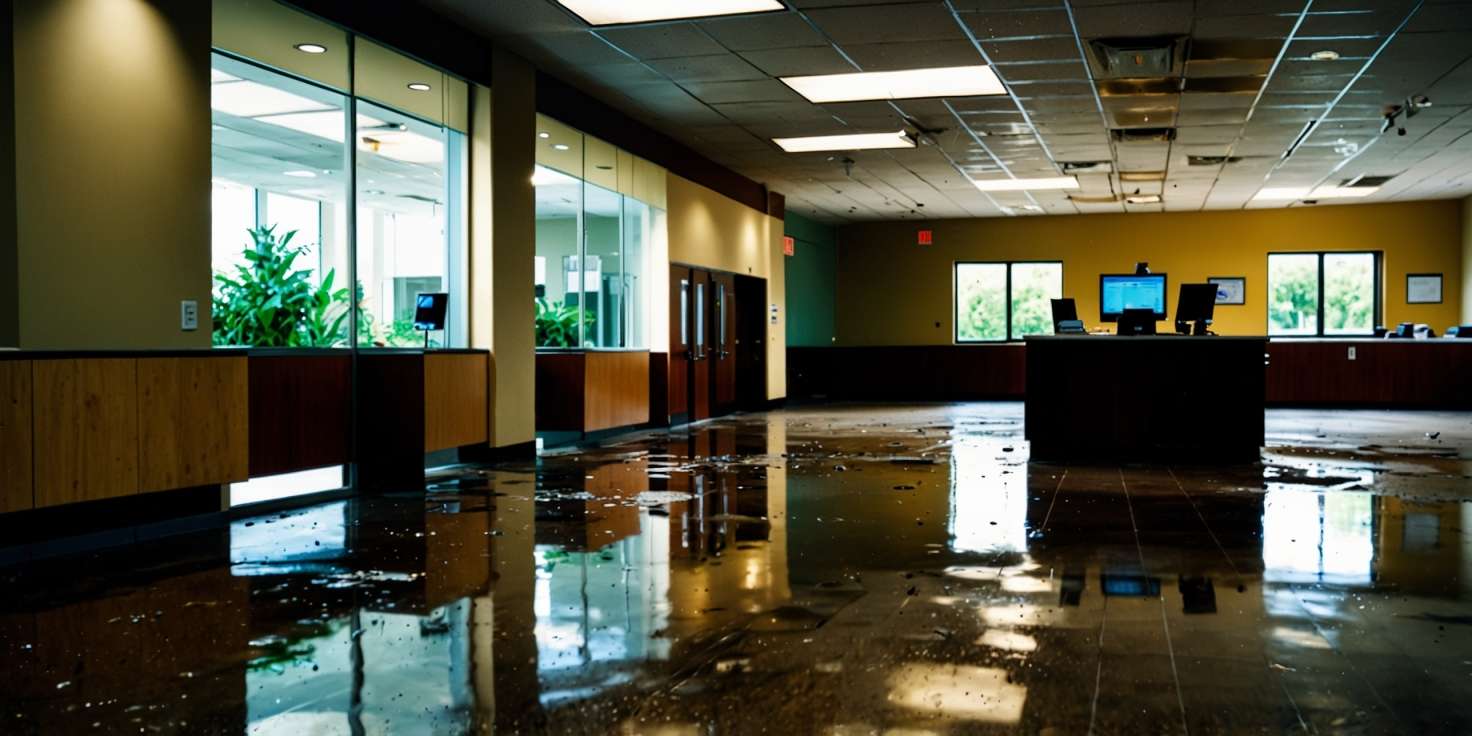
In high-traffic commercial areas, the risk of water damage is significantly elevated due to constant foot traffic, complex plumbing systems, and the sheer volume of daily operations. Whether it’s a burst pipe, roof leak, or flooding from a natural disaster, water damage can disrupt business operations, compromise structural integrity, and lead to costly repairs if not addressed promptly. At Projekt Property Restoration, we specialize in professional water damage restoration services tailored to meet the unique needs of commercial properties. Our team of highly-trained experts uses advanced drying equipment and proven techniques to mitigate damage quickly and efficiently. As a trusted restoration company that gets things back to normal, we’re committed to helping business owners and property managers minimize downtime and restore their spaces to safe, functional conditions. With 24/7 emergency service, transparent pricing, and a reputation for fast, friendly service, Projekt Property Restoration is your go-to partner for water damage risks in high-traffic commercial areas.
Common Causes of Water Damage in Busy Commercial Spaces
Water damage in high-traffic commercial areas is a persistent and costly issue that can disrupt operations, compromise structural integrity, and lead to significant financial losses. Understanding the common causes of water damage in these environments is essential for property managers, business owners, and maintenance teams to implement effective prevention strategies. Commercial spaces such as office buildings, shopping centers, hotels, and healthcare facilities are particularly vulnerable due to their constant use, complex infrastructure, and high occupancy rates. These factors increase the likelihood of wear and tear, unnoticed leaks, and delayed maintenance, all of which contribute to water-related issues.
One of the primary causes of water damage in commercial buildings is plumbing system failures. These failures can occur due to aging pipes, poor installation, or lack of regular maintenance. In older buildings, corroded or outdated plumbing materials are especially prone to leaks and bursts. According to the Insurance Institute for Business & Home Safety (IBHS), plumbing supply system failures are among the top five causes of water damage in commercial properties. Leaks from pipes hidden behind walls or under floors often go undetected until significant damage has occurred, making early detection crucial. For tips on spotting these issues early, visit our guide on how to identify hidden water damage early.
Another significant contributor to water damage is roof leaks. Commercial roofs, especially flat ones, are susceptible to pooling water, clogged drains, and membrane deterioration. When routine inspections and maintenance are neglected, minor issues can escalate into major leaks that affect ceilings, walls, and even electrical systems. The National Roofing Contractors Association (NRCA) reports that roof leaks are responsible for a large percentage of commercial water damage claims annually. Seasonal weather changes, such as heavy rain or snow, can exacerbate these vulnerabilities, making proactive roof care essential.
HVAC systems also play a role in water damage, particularly in large commercial buildings where these systems are extensive and complex. Condensation from air conditioning units, clogged drain lines, or malfunctioning components can lead to water accumulation and mold growth. Improperly maintained HVAC systems not only contribute to water damage but also affect indoor air quality, posing health risks to occupants. Regular inspections and timely repairs are necessary to prevent these issues from escalating.
Faulty or poorly maintained appliances and equipment are another common source of water damage in commercial spaces. Water heaters, dishwashers, ice machines, and other water-using appliances can leak or overflow due to mechanical failure or user error. In busy environments like restaurants or hotels, where such equipment is used frequently, the risk of malfunction increases. Ensuring that all appliances are installed correctly and maintained according to manufacturer guidelines can significantly reduce the likelihood of water-related incidents.
Natural disasters and severe weather events, such as floods, hurricanes, and heavy storms, also pose a significant threat to commercial properties. While these events are often unpredictable, businesses located in flood-prone areas must take extra precautions. The Federal Emergency Management Agency (FEMA) states that just one inch of floodwater can cause up to $25,000 in damage. Installing flood barriers, sealing foundation cracks, and having an emergency response plan in place can help mitigate the impact of such events.
Human error is another often-overlooked cause of water damage. Employees or tenants may inadvertently leave faucets running, improperly operate equipment, or fail to report minor leaks. In high-traffic areas, these small mistakes can quickly lead to major problems if not addressed promptly. Establishing clear protocols for reporting and responding to water-related issues can help minimize the risk of damage caused by human negligence.
Inadequate drainage systems can also contribute to water damage, particularly in parking structures, basements, and entryways. When drainage systems are blocked or poorly designed, water can accumulate and seep into the building’s foundation. Over time, this can lead to structural damage, mold growth, and compromised safety. Regular cleaning and inspection of gutters, downspouts, and storm drains are essential to ensure proper water flow away from the building.
Fire suppression systems, such as sprinklers, are critical for safety but can also be a source of water damage if they malfunction or are triggered unnecessarily. Accidental discharges or leaks in these systems can release large volumes of water, damaging ceilings, walls, and equipment. Routine testing and maintenance of fire suppression systems are vital to ensure they function correctly when needed and do not cause unintended damage.
To summarize, the most common causes of water damage in busy commercial spaces include:
- Plumbing system failures due to aging infrastructure or poor maintenance
- Roof leaks caused by weather exposure and lack of upkeep
- HVAC system malfunctions leading to condensation and leaks
- Faulty appliances and equipment that use water
- Natural disasters such as floods and storms
- Human error and negligence in daily operations
- Inadequate or blocked drainage systems
- Malfunctioning fire suppression systems
“Water damage is one of the most common and costly disasters affecting commercial properties, with the average claim exceeding $10,000,” – Insurance Information Institute (III)
Preventing water damage in high-traffic commercial areas requires a proactive approach that includes regular inspections, timely maintenance, and employee training. Investing in smart water sensors, leak detection systems, and professional restoration services can also provide an added layer of protection. For more information on how our team can help safeguard your property, explore our services or learn more about our expertise in commercial restoration.
For further reading and resources, consider the following:
- FEMA Flood Maps – Understand your property’s flood risk
- IBHS Commercial Water Damage Research – Insights into causes and prevention
- National Roofing Contractors Association – Roofing maintenance guidelines
By recognizing these common causes and taking preventive measures, commercial property owners can significantly reduce the risk of water damage, protect their investments, and maintain a safe, functional environment for employees and customers alike.
Preventative Measures to Minimize Water Damage Risks
Minimizing water damage risks in high-traffic commercial areas requires a proactive and strategic approach that combines regular maintenance, advanced technology, and employee awareness. One of the most effective preventative measures is conducting routine inspections of plumbing systems, roofing, and HVAC units to detect early signs of wear, corrosion, or leaks. These inspections should be scheduled frequently, especially in older buildings or facilities with a history of water-related issues. Installing water leak detection systems and automatic shut-off valves can also provide an added layer of protection by alerting property managers to potential problems before they escalate. Additionally, ensuring that gutters, downspouts, and drainage systems are clear of debris helps prevent water accumulation that can lead to structural damage. High-traffic areas such as lobbies, restrooms, and kitchens should be equipped with waterproof flooring and proper sealing to reduce the risk of water seepage. Employee training is another crucial component; staff should be educated on how to identify and report signs of water damage, such as discoloration, musty odors, or warped surfaces. Creating a clear emergency response plan and maintaining a relationship with a trusted restoration company can significantly reduce downtime and repair costs in the event of an incident. For businesses seeking expert guidance, exploring the range of services offered by restoration professionals can be a valuable step. Additionally, understanding the company’s values and commitment to quality through their mission can help ensure a reliable partnership. By implementing these preventative strategies, commercial property owners can safeguard their investments and maintain a safe, functional environment for employees and customers alike.
In conclusion, water damage in high-traffic commercial areas poses significant risks that can disrupt operations, compromise safety, and lead to costly repairs. From plumbing failures to weather-related incidents, the potential sources of water damage are numerous and often unpredictable. However, with proactive maintenance, regular inspections, and the implementation of effective water management strategies, businesses can significantly reduce their vulnerability. By staying informed and prepared, commercial property owners and managers can protect their investments, ensure business continuity, and maintain a safe environment for employees and customers alike.